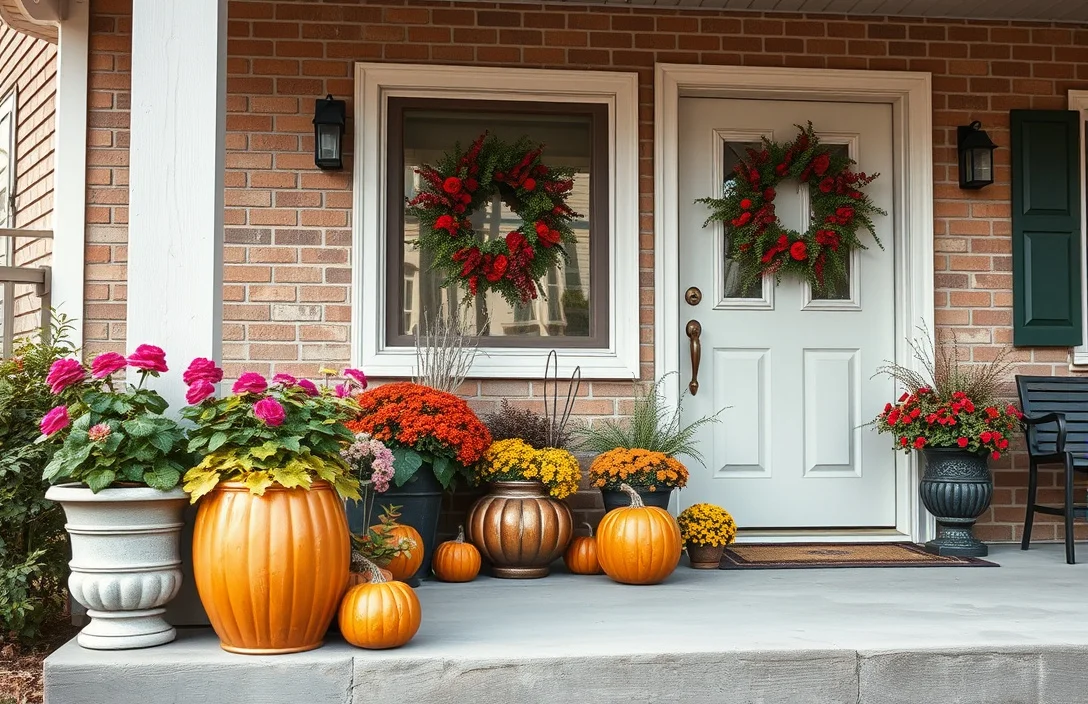
Fall Pots For Front Porch: 14-18 Inch Planters
Fall porch planters look best when you match plants to real weather swings and build the container for wet soil and cold nights. “Fall” is when temperatures cool and light changes fast, and that shift controls what actually thrives in your pots. This guide walks you through choosing fall pots for a front porch, picking the right planter size, and avoiding soggy soil or winter losses.
Fall pots work best with frost-tolerant plants (like pansies and ornamental kale), containers that drain aggressively, and planter sizes large enough for steady root growth. For most entryway displays, 14-18 inch wide pots hit the sweet spot for stable soil temperatures and room to combine plants, as long as you water only when the top inch dries.
Key Takeaways
- Choose frost-tolerant plants like pansies and ornamental kale for dependable fall color.
- Pick the right size – use 14-18 inch planters for entry steps to prevent root crowding and quick drying.
- Prioritize drainage with potting mix, not garden dirt.
- Water by the top inch rule, since fall sun and wind change drying speed.
- Handle wind with weight – use heavier pots and stable placement on steps or near railings.
- Plan for freeze cycles – protect containers enough to reduce repeated heaving in the soil.
Fall Pots for Front Porch That Look Great
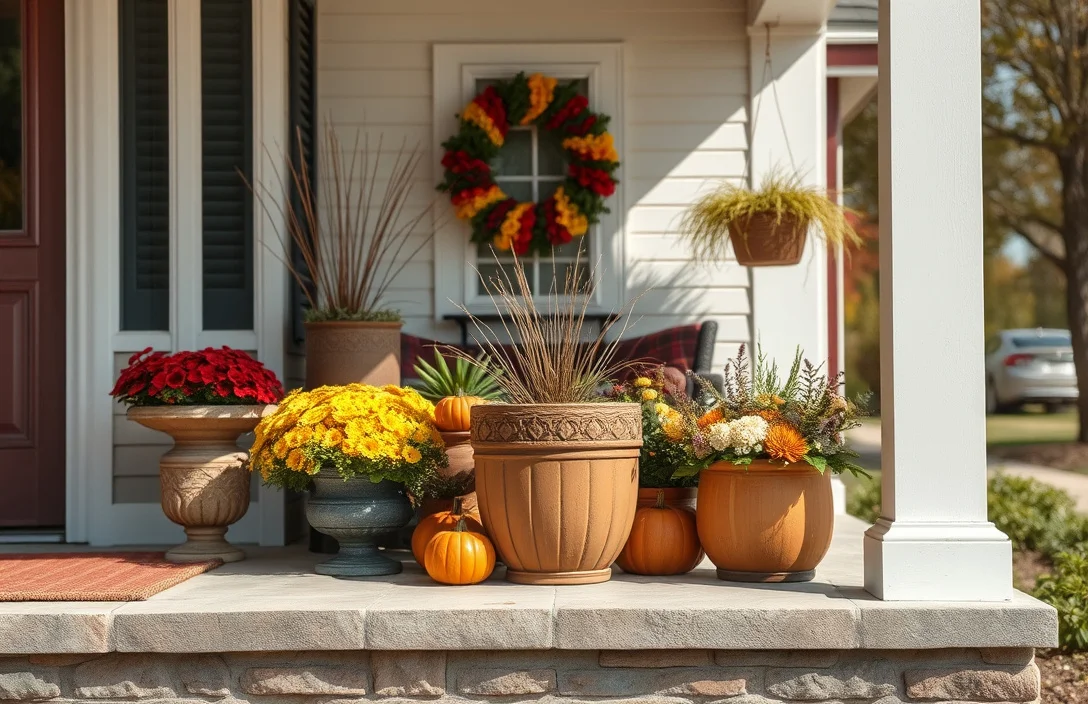
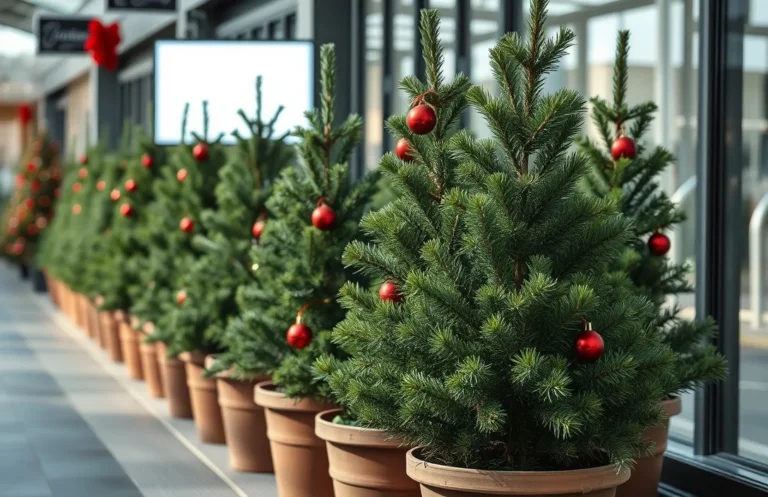
Build each front-porch pot around one “anchor” plant, then fill in with two supporting layers for shape and texture. Use a tall, structural plant (or one with a strong silhouette), add a couple of mounding plants to cover the middle, and finish with a few spillers or grass-like accents for movement. This structure keeps the arrangement looking intentional even if you swap one plant after a cold snap.
For most U.S. homes, the biggest visual win is pairing colors that still read well in low-angle autumn light. Deep purple pansies, warm orange and rust tones, and chartreuse accents from decorative foliage plants tend to look good from the street. If your porch bakes in afternoon sun (west-facing), go heavier on fuller bloomers. If it’s shaded most of the day, lean into plants that tolerate slower growth but still look full.
Choose a pairing based on how much maintenance you want:
- Low-maintenance classic: pansies + ornamental kale + a trailing grass-like accent.
- Textural and hardy: decorative cabbage/kale + heuchera (or similar foliage) + a draping element.
- Short-term seasonal pop: mums early fall, then replace with cool-season bloomers as temperatures drop.
What Size Planters Work Best for Entry
Entry steps need pots with enough weight to stay put and enough volume to keep soil temperature from swinging wildly. Small pots dry out fast. Bigger pots stay steadier. The best size depends on your porch sun and how often you’re willing to water. When you use 2 or 3 pots to frame a doorway or step area, matching widths also makes the whole setup look finished.
A simple rule: choose planters wide enough to support a mixed planting without forcing everything into a cramped cluster. For many porch setups, 14-18 inch wide pots are the sweet spot, especially for pansies plus ornamental kale or decorative cabbage. Go smaller if you must, but expect faster drying and more frequent replanting.
Use these sizing cues:
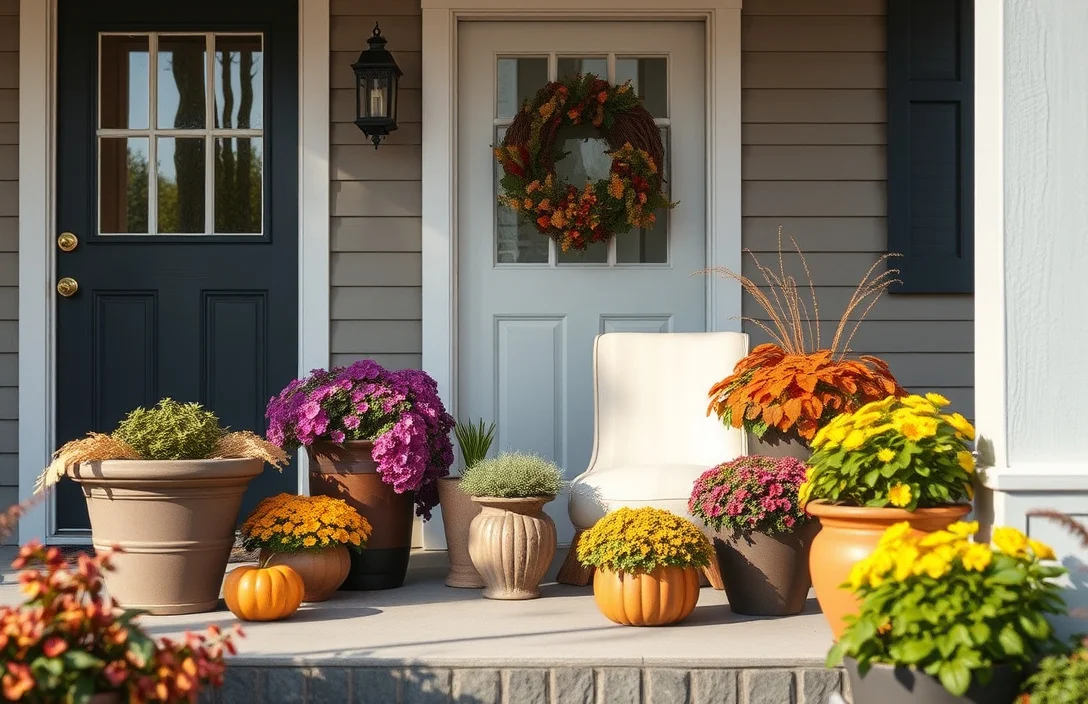
- Step placement: go heavier or larger to cut tipping risk when wind hits or someone grips the railing.
- Taller plants: widen the base so height doesn’t turn the plant into a lever.
- Multi-season reuse: buy the largest pots you can fit comfortably since fall plants often get bigger than summer annuals.
Here’s a baseline you can use while you shop:
| Planter Width (approx.) | Best Use on Porch Steps | Best Plant Style |
|---|---|---|
| 10-12 inches | Single-specimen accents or tight porches | Mostly foliage, small bloomers |
| 14-18 inches | Most “front door statement” pots | Pansies + kale/cabbage mixes |
| 18-24 inches | Windy porches, deeper step beds | Bigger kale, mixed textures, longer life |
Which Plants Perform in Fall Porch Weather
Fall porch performers are the cool-season plants that handle shorter days, cooler nights, and the occasional storm better than summer annuals. In the U.S., the most reliable options are plants that keep their look in lower light and cooler temperatures, including both steady bloomers and foliage that stays strong when flowering slows.
If you want color you can see from across the yard, pansies and ornamental kale (including decorative cabbage forms) are dependable. They tolerate cool weather without looking ragged, and they usually read as designed plantings instead of temporary fill. Add hardy ornamental grasses or trailing plants to soften the pot edges. For a foliage-forward look, heuchera-style plants are often a good fit in partial shade because their color holds steady longer.
Start with this shortlist, then adjust for your sun level and first frost timing:
- Pansies for dependable fall-to-early-winter color.
- Ornamental kale and cabbage for bold texture and long visual life.
- Decorative grasses (or grass-like accents) for movement and structure.
- Heuchera (coral bells) for foliage color, especially in shade.
- Mums for early fall color, with a plan to transition when cold arrives quickly.
Full sun plus fast impact is where mums plus pansies can work well together. If you’d rather plant once and coast, build around pansies plus kale, then add one seasonal accent only if temperatures stay mild long enough.
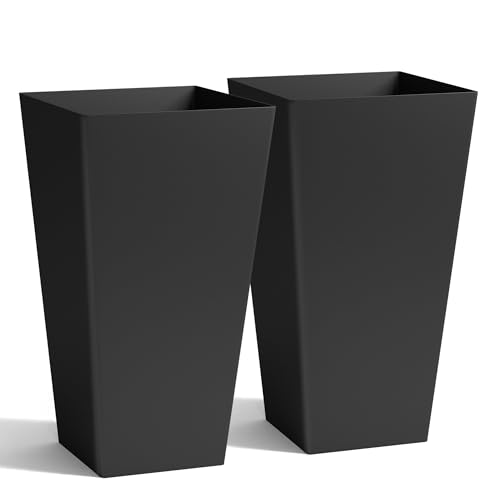
Helpful pick
Worth Garden 20″ Tall Planters Set of 2 – Large Black Tapered Plastic Flower Pots for Indoor & Outdoor Use – Modern Plant Containers with Drainage Holes – Ideal for Front Porch, Patio, Balcony
These tall, durable planters with drainage holes keep fall porch plants healthy through cooler, wetter conditions.
How to Build a Fall Pot That Doesn’t Collapse
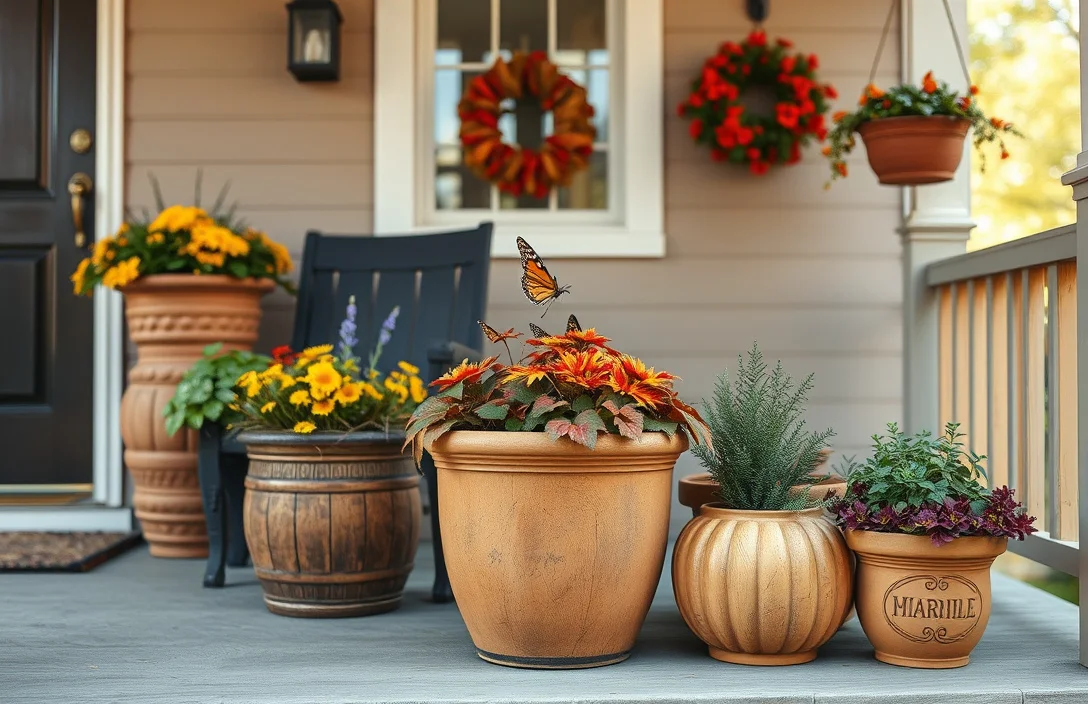
Most fall pot failures come from two problems: soil that stays too wet and freezes unevenly, or plantings that get top-heavy and move in wind. Fixing it comes down to container structure and drainage, not just plant selection. When a pot is built right, plants may pause during cold weather, but the container should not turn into soggy, shifting soil.
Start with a container that drains well. If there’s a bottom hole, you’re good. If there isn’t, treat it as decoration only and use an inner nursery pot or a true draining setup. Then fill with potting mix, not garden soil. Garden soil compacts in containers and drains poorly, especially as temperatures swing.
Build it to stay stable:
- Don’t fill above the rim; leave room for watering so water soaks in instead of constantly overflowing.
- Set plants firmly but gently around the root balls so they aren’t floating in air pockets.
- Choose heavier pots for step locations where wind catches the plant canopy.
- Avoid very tall, lightweight combos unless the base is wider or you brace thoughtfully.
I prefer building fall pots in layers: add potting mix, set the tallest anchor plant first, fill around it, press the mix down lightly to remove big air gaps, water thoroughly once after planting, and let it settle before adding top dressing.
If you place pots on steps, pay attention to how water runs off. If drainage sends water toward door tracks, it can create sliding ice later, so position pots where runoff doesn’t keep forming a wet path.
Helpful pick
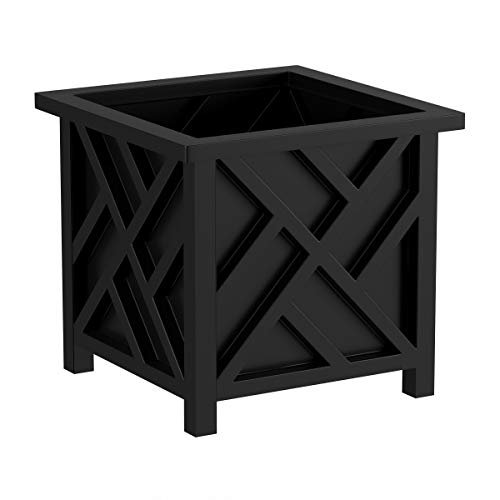
Lattice Design Outdoor Planter Box – 14.75” Square 13” Tall Black Plant Pot – Decorative Plant Pots for Front Porch Decor – Flower Pots Outdoor Planters for Porch Patio or Garden Decor by Pure Garden
The lattice planter box provides a sturdy, grid-backed base that improves stability and drainage for fall arrangements.
Soil Mix and Fertilizer Schedule for Pots
A fall container planting holds up when soil drains fast enough to prevent rot but holds enough moisture that you’re not watering constantly. Potting mix works because it stays lighter and easier to manage in containers than garden soil, which compacts and struggles to recover after heavy rain.
Use a quality potting mix formulated for containers. If your porch stays humid or you tend to overwater, improve drainage with extra aeration materials like perlite. Avoid mixes that behave like a waterlogged sponge. After planting, water until you see moisture come out of the drainage holes, then stop and let the pot fully drain.
Fertilizer in fall should be gentle and consistent, not aggressive. Container plants often slow growth as days shorten. Too much fertilizer can push weak growth or burn roots if the soil dries between waterings. Use this schedule:
- At planting: mix in controlled-release fertilizer per the label directions, or use a mild liquid feed at half strength.
- After establishment: fertilize every 3-4 weeks during active growth.
- As weather turns colder: reduce feeding. Once growth slows noticeably, skip fertilizer and focus on correct watering.
If you want an easy approach, use controlled-release fertilizer at planting, then reassess after 4-6 weeks. When plants are making new leaves and flowers, keep it light. When growth stalls, stop fertilizing and keep the soil evenly moist, not wet.

Helpful pick
SnugNiture Set of 2 Round Tall Planters 22 Inch, Large Planter for Indoor Outdoor Plants, Modern Flower Pot Containers Large Decorative Tree Planter, Black
Generous 22-inch planters offer ample soil volume for fall mixes and steady drainage to prevent rot.
How Often to Water Porch Planters in Fall
Fall watering depends more on drying speed than the calendar. Cooler temperatures slow evaporation, but wind, full sun, and the pot material can still dry soil fast. A pot can feel cool and fine on top while staying too wet deeper down, so check moisture instead of guessing.
Use the top inch rule: stick a finger into the soil about an inch down. If it feels dry at that depth, water thoroughly until it drains from the bottom. If it’s still damp, wait. This avoids two common problems: watering on schedule after rain, and doing only surface misting that keeps roots from rehydrating evenly.
What shifts watering needs in fall:
- Full sun increases drying even when it’s cooler.
- Windy porches dry containers faster than expected.
- Thick foliage can shade soil and slow evaporation.
- Rainy weeks can eliminate the need to water for days.
Many porch planters land around every few days to once a week, but your sun and rainfall decide the real schedule. If you’re unsure, check in the morning on a typical week. You’ll quickly learn whether your pots dry like “daily water” or “skip until dry.”
Water early in the day when possible. Evening watering increases the chance that pots stay wet overnight, and that’s when fungus and rot become more likely.
Weather-Proofing Planters for Frost and Wind
Containers take frost harder than in-ground beds because pots freeze faster and thaw unevenly, especially when a sunny side heats up after a cold night. Repeated freeze-thaw cycles loosen roots and heave soil, so protection needs to reduce that churn.
Wind is the other major stress. A dense canopy of pansies or kale acts like a sail, and step placement can amplify movement. If your porch gets gusts often, use sturdier containers, keep pots where wind doesn’t hit directly, and keep plant height balanced with pot width.
Do these protection steps that actually help:
- Move pots under an overhang when hard freezes arrive.
- Mulch the soil surface with a thin layer of pine bark or straw to buffer temperature swings.
- Wrap only the pot sides with insulating material when temperatures drop far below normal.
- Use saucers carefully so the pot drains fully, then empty standing water.
- Secure placement so pots can’t slide on smooth steps during thawing.
My goal is “reduce stress, don’t eliminate cold.” Hardy fall plants can handle cold, but they struggle when roots keep shifting from thawing and refreezing. Consistent moisture and insulating the soil surface make a noticeable difference.
If your area gets hard freezes, expect some flowers to go sooner than others. The pot usually doesn’t fail. Your plant mix just needs to match your winter intensity.
FAQ
What size fall pots for front porch should I buy?
For most front-door and step displays, 14-18 inch wide pots provide enough soil for mixed plantings like pansies plus ornamental kale. Smaller pots dry out faster and can look sparse sooner. Larger pots also reduce tipping risk in wind.
How long do fall porch planters last?
With cool-season plants and consistent drainage and watering, fall porch pots often stay attractive through late fall and into early winter. Growth slows as temperatures drop, but foliage texture (like ornamental kale and cabbage) usually keeps the pots looking good. You may replace some bloomers after the first major freeze.
Are mums good for fall porch planters?
Mums work well for early fall color, especially when nights are still mild. When cold nights and heavier frost arrive, they can look tired faster than pansies and ornamental kale. If you love mums, use them as a first-season accent and transition to cool-season standbys.
How do I prevent overwatering in fall planters?
Use the top inch moisture check. Water only when the soil feels dry about one inch down, then water thoroughly until it drains from the bottom. After rain, skip watering even if the top looks dry-ish, since containers can stay damp inside for days.
What’s a common mistake with fall pots for front porch?
The biggest mistake is using garden soil or a mix that doesn’t drain well, then watering based on a schedule. In fall, that leads to soggy roots, rot, and collapsed plants. Stick with container potting mix, keep drainage holes clear, and water based on soil moisture.
If you want the fastest path to great-looking fall pots for a front porch, pick 14-18 inch planters, use potting mix with strong drainage, and build each pot around pansies plus ornamental kale or cabbage. Buy once, plant, water thoroughly, then switch to the top inch watering habit.

- 10 Best Slow Cooker For Slow Cooking Legumes 2026 (Tested And Reviewed) - October 17, 2026
- 10 Best Slow Cooker For Slow Cooking Oxtail 2026 (Tested And Reviewed) - October 16, 2026
- 10 Best Slow Cooker For Slow Cooking Venison 2026 (Tested And Reviewed) - October 16, 2026