Flowers To Plant In Pots That Thrive In Hammonton Heat
Potted flowers succeed or fail based on one thing – whether their roots get steady moisture without staying soggy. In Hammonton, NJ, summers can be hot and humid, which quickly turns containers into “dry on the surface, wet at the bottom” chaos. Pick plants that can handle that swing, then match them to sun, shade, and local weather so you get color you can count on.
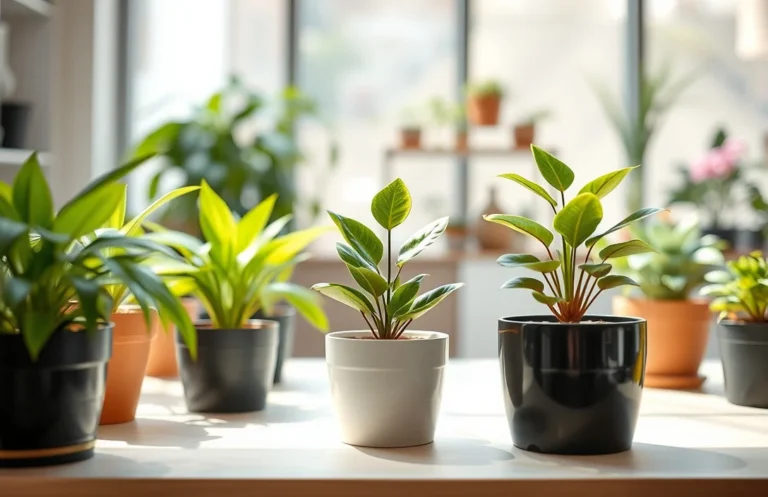
Flowers to plant in pots thrive when you match the plant to your sun level and your container drainage, then keep watering consistent. In hot, humid weather, many gardeners get the best results with thick-watering (enough to drain) 2-4 times per week and light, steady feeding on a schedule. Deadhead regularly so the plant keeps putting energy into new blooms.
- Right flowers first. Choose heat-tolerant, humidity-tolerant varieties for Hammonton summers.
- Drainage is non-negotiable. Use pots with drainage holes and potting mix made for containers.
- Water correctly. Water until excess runs out, then repeat only when the top 1-2 inches feel dry.
- Feed steadily. Container plants need regular fertilizer because rain cannot reach all nutrients.
- Deadhead for more blooms. Remove spent flowers to keep many types flowering longer.
- Repot before roots crowd. Move up pot size when growth slows or water runs straight through.
Flowers To Plant In Pots That Thrive
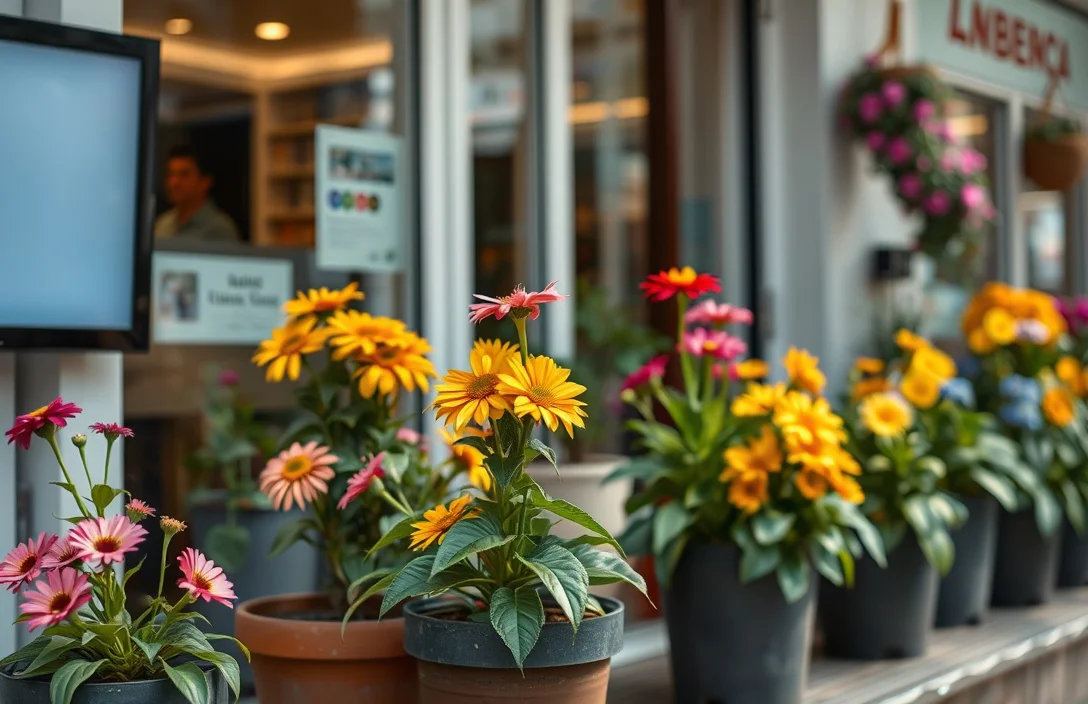
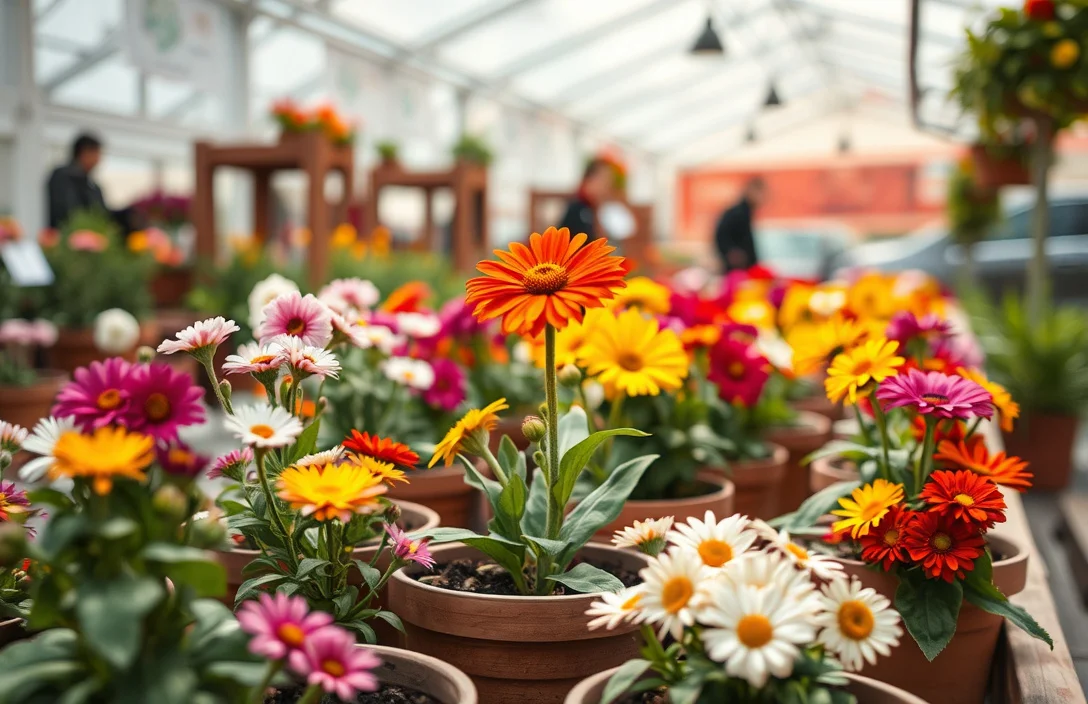
Nonstop container color starts with plants that tolerate container conditions – faster drying, more sun exposure, and limited root space. In Hammonton, the heat-and-humidity combo is the big test, so the goal is plants that handle warm days without turning into a wilted, disease-prone mess.
These “container-first” flowers usually perform well through hot summers as long as you give them the right light and consistent watering. They also hold up better if you miss a day, since containers dry faster than beds.
- Geraniums (zonal/ivy types) – Reliable bloomers in sun, and they stay attractive even when temperatures run warm.
- Petunias (including wave types) – Great for mounded color; they handle heat better than many older petunias.
- Marigolds – Heat tolerant, easy to maintain, and often keep flowering with simple deadheading.
- Lantana – Heat lover that produces steady clusters once established.
- Portulaca (moss rose) – Excellent for full sun and drought-prone watering patterns.
- Calibrachoa (million bells) – Works well in pots and hanging baskets when you prevent the soil from drying out completely.
- Begonias (wax or tuberous depending on your setup) – Strong shade/part shade options with a more even look.
Want a simple, reliable formula? Use one “anchor” plant and let a spill or filler fill the edges. A geranium or petunia upright anchor plus marigolds or calibrachoa as the filler makes it easier to keep the pot looking full while you fine-tune watering.
One more practical note: if your containers sit where they bake (brick walls, south-facing patios), prioritize sun lovers (portulaca, marigold, lantana) and choose lighter-colored pots. Dark plastic makes the soil heat up fast, which cuts bloom time.
How to match pot flowers to local Hammonton weather
Hammonton’s weather creates a repeating container cycle. Spring stays cool enough to slow growth, then summer heat cranks evaporation while humidity increases the risk of fungal issues – especially when plants are overcrowded or leaves stay wet.
Use this rule for matching: match plant tolerance to temperature, then match your watering habits to how fast the pot dries. Two pots with the same plant can look totally different if one gets afternoon sun, the other stays shaded, or if one container has better airflow than the other.
For Hammonton summers, plan around two realities:
1) Container soil dries fast even when the air feels humid. Humidity slows moisture loss from leaves, but it does not stop potting mix from drying when sun and wind hit.
2) Dense foliage traps moisture. Overpacking plants or keeping pots consistently soggy increases odds of powdery mildew and leaf spotting.
A straightforward way to choose:
- If your pot gets full sun most of the day, pick heat-tolerant bloomers like petunias, marigolds, lantana, calibrachoa, or portulaca.
- If your pot gets afternoon shade or bright indirect light, go with begonia, impatiens-style types (where hardy for your conditions), or other shade-tolerant annuals.
- If your pot gets morning sun and then shade, you usually get an easier balance and can grow a wider mix since the soil spikes less.
Example: if your pots sit on a patio that gets sun from late morning through evening, you’ll likely water more often even when it doesn’t feel “dry.” Portulaca and lantana handle that better for many gardeners, and “water-thirsty” petunias can work too, as long as you stick to a consistent watering pattern.
Treat humidity as an airflow and spacing issue. Give plants room to breathe, avoid wetting leaves when you can, and don’t leave water sitting in saucers.
Which flowers handle heat and humidity best
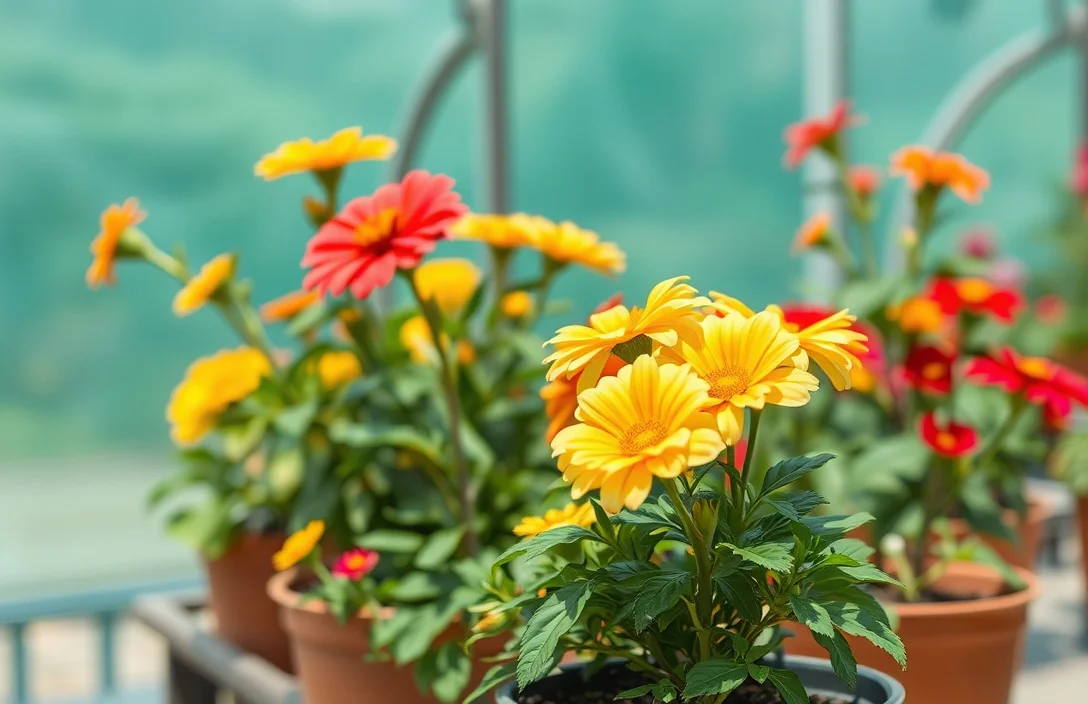
Heat tolerance matters, but humidity affects leaf health, and leaf health controls how long you keep getting blooms. In containers, problems often start when soil stays wet while foliage is crowded – exactly the conditions many fungal issues rely on.
The best heat-and-humidity performers usually have sturdy growth habits and keep flowering instead of shutting down when temperatures rise. These are reliable picks for hot, muggy weather:
- Lantana – Handles heat well and keeps blooming after it settles in.
- Marigolds – Reliable bloomers through warm spells.
- Portulaca – Loves hot sun and tolerates drying better than most.
- Geraniums – Stay productive with bright light and regular watering, and handle warm days well.
- Petunias (modern types) – Many newer varieties tolerate heat better than older ones, but they still need consistent watering.
- Calibrachoa (million bells) – Usually handles summer heat with the right watering rhythm.
If humidity is your main challenge, choose plants with airier canopies and don’t overload a single pot “for fullness.” Crowding may look lush at first, but it often leads to faster browning and leaf spot later.
Adjust watering too. In humid conditions, water directly at the soil and keep leaves as dry as practical. You don’t need perfect technique – you need fewer hours of constant leaf wetness.
Quick self-check: if your plant looks fine in the morning but droops midday every day, you’re usually dealing with heat stress plus inconsistent moisture. If it droops even after a thorough watering and the leaves look limp or yellow, you may be dealing with waterlogging or poor drainage. Fixing the watering pattern often helps more than switching plants.
Sun vs shade pot flowers for busy gardeners
Busy gardeners need two things: plants that tolerate imperfect care and placement, and a watering routine you can actually keep up with. Sun and shade aren’t a preference category – they determine whether your pot’s soil will dry enough to prevent stress.
Full sun pots often need more frequent watering because the soil heats up and moisture escapes faster. Shade pots stay cooler and hold moisture longer, so the bigger risk becomes overwatering and fungal issues when mix stays wet.

Helpful pick
Miracle-Gro Potting Mix, For Container Plants, Flowers, Vegetables, Shrubs, Annuals, Perennials, Feeds up to 6 Months, 16 qt.
Great for sun or shade containers, helping plants tolerate imperfect care and reducing watering stress.
Use this practical approach:
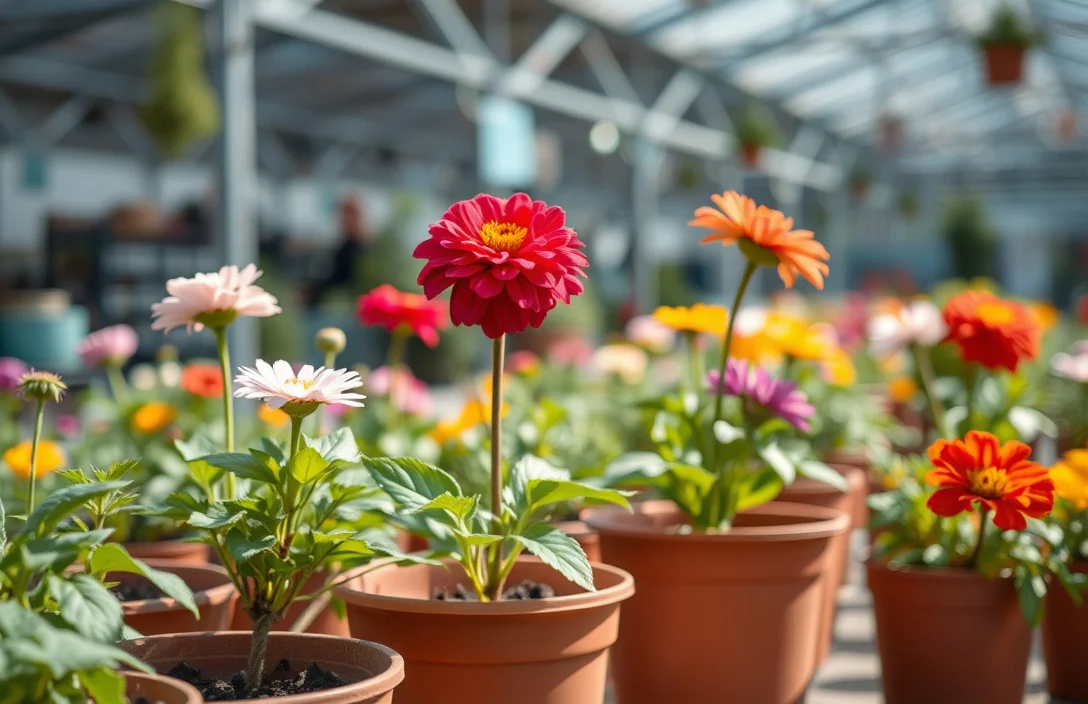
- Full sun (6+ hours) – Try portulaca, marigold, lantana, geraniums, and many petunias.
- Part sun (3-6 hours) – Mix sun-tolerant flowers with slightly gentler options, then watch soil moisture.
- Shade / bright shade (less direct sun) – Choose begonias and other shade-leaning annuals, and water less often.
If your schedule is tight, shade can make watering easier because the mix dries slower. Keep in mind: less evaporation means water can linger, so containers that stay wet become a problem fast.
A simple “busy schedule” method that works across light levels:
- Check soil once daily at first, then cut back to 2-3 checks per week once you learn your pot’s pattern.
- Water only when the top 1-2 inches of soil feel dry to the touch.
- Water deeply until you see runoff, then empty the saucer if water collects.
Example: in full sun, you might water every 2 days in peak heat. In part shade, it might be once every 4-5 days. The plant stays healthy because you respond to moisture, not the calendar.

Helpful pick
Burpee, 9 Quarts | Premium Organic Potting Natural Soil Mix Food Ideal for Container Garden-Vegetable, Flower & Herb Use for Indoor Outdoor Plant
Supports vibrant container blooms in sun, with organic nutrients and airy drainage for pots.
Best potting mix and drainage for potted blooms
The best potting mix for flowers in containers stays airy, drains well, and holds enough moisture for roots without roasting them. Garden soil is too dense for containers and compacts over time, which traps water and reduces root oxygen.
Start with containers that have real drainage holes. If your pot has no drainage, you’re relying on perfect watering. Perfect watering is hard when life happens. A saucer is fine, but empty it after watering so roots aren’t sitting in runoff.
For mix, use container potting mix – not topsoil and not compost-heavy garden mix. Container mixes are built to keep air pockets in the soil so roots can breathe.
If you want an adjustment strategy for large pots, start with the label guidance and then correct based on how the pot behaves:
- If your pots dry out too fast, the mix likely holds too little moisture. Blend in a moisture-holding component (follow product directions so you don’t oversaturate).
- If your pots stay wet for days, you likely need more drainage or aeration. Add a structural component that improves airflow, or switch to a more container-appropriate mix.
Drainage is also about how you fill the pot. Don’t pack the mix down when you pot up. Firm the top lightly, but let the mix keep its structure.
After watering, the mix should drain at a steady pace, not sit waterlogged for a long time. If water runs straight through immediately, your mix may be too compacted or not holding properly. If it takes forever to drain, switch mixes.
| Option | Key Spec | Best For | Watch Outs |
|---|---|---|---|
| Standard container potting mix | Drains and stays airy | Most flowering pots | Can dry quickly in full sun |
| Potting mix + moisture-retaining amendment | Better water holding | Hanging baskets, very hot patios | Overdoing it can lead to soggy roots |
| Potting mix with added aeration | More air space | Heavy planters that stay wet | Needs more frequent feeding if it dries faster |
| Garden soil in pots | Compacts easily | None | Causes poor drainage, root stress, weak blooms |
If you’re using decorative pots without drainage holes, treat them like cache pots. Plant in a nursery pot with drainage, then set that pot inside the decorative shell. You get the look without gambling on root health.

Helpful pick
Miracle-Gro Potting Mix – For Container Plants, Flowers, Vegetables, Shrubs, Annuals, Perennials, Potting Soil Mix, Feeds up to 6 Months, 16 qt. (2-Pack)
This mix stays airy, drains well, and retains moisture for thriving blooms in pots.
How often to water and fertilize container flowers
Container watering works as a rhythm, not a guess. The most common reason container flowers stall isn’t a lack of fertilizer – it’s inconsistent moisture. Fertilizer comes next because even good feeding can’t rescue roots that are repeatedly dry-stressed.
This watering approach prevents both drought stress and waterlogging:
1) Water deeply until you see runoff from the drainage holes.
2) Wait until the top 1-2 inches of mix feel dry.
3) Repeat, adjusting frequency based on sun and pot size.
In hot weather, that may mean watering more often (sometimes every couple of days). In mild weather, it can be once or twice per week. The soil moisture check is the anchor – not the calendar.
Fertilizing is easier when you pick a schedule you can keep. Container plants use nutrients faster because water drains out and takes some fertility with it. A practical approach:
- Start feeding when you see active growth and new buds.
- Use a balanced fertilizer or a bloom-focused formula for flowering plants.
- Follow the label rate, then adjust based on how vigorously the plants grow.
For a low-effort routine: water first, then fertilize according to label directions. Avoid feeding completely dry soil, since dry roots struggle.
A common mistake is feeding heavily while watering inconsistently. You can end up with lush leaves and fewer flowers, while stressed roots become more likely to decline during heat spikes.
Use these signs to fine-tune:
- Pale leaves, slow growth – often means you need fertilizer plus consistent moisture.
- Browning leaf edges, drooping despite recent watering – often points to soggy soil or poor drainage.
- Lots of leafy growth with fewer blooms – can mean too much nitrogen or fertilizer without enough bloom-trigger conditions, and sometimes too much shade.
Humidity can shift watering frequency. Leaves may dry slower, but the potting mix can still dry fast under full sun. Keep relying on the soil check so the air doesn’t fool you.
When to repot and deadhead for nonstop color
Nonstop color depends on preventing two quiet killers: root crowding and wasted energy on spent blooms. Containers run out of both space and usable nutrients sooner than ground beds.
Repotting is about what you see. Move up to a larger pot when you notice roots circling heavily, water runs out instantly without soaking in, or growth stalls while the plant still looks otherwise healthy.
Deadheading is the other half. Many flowering annuals keep producing when you remove spent blooms, but the effort level varies by plant. Some need frequent cleanup, others bloom well with less.
A realistic deadheading routine for busy gardeners:
- Check pots every few days during peak bloom.
- Pinch or cut off spent flowers before they set seed.
- If the plant looks ragged, you can sometimes do a light trim to refresh growth.
Deadheading works because you stop seed formation and keep the plant investing in flowers. In practice, that means more bloom cycles and a longer-lasting display.
Repotting and deadheading work together. If the plant is rootbound, deadheading can improve the top look, but it may still struggle to form new blooms because roots can’t support new growth. If the plant isn’t rootbound but nutrients are low, deadheading helps, but you still need fertilizer.
Use this weekend decision guide:
- Repot if watering frequency jumps, growth stalls, or roots are circling the pot.
- Deadhead if spent blooms linger and new buds slow down.
- Adjust watering and feeding if the plant looks stressed (wilting, pale leaves, or lots of foliage and few flowers).
Get both timing right and the pot stays intentional instead of “eventually flowering when the weather cooperates.”
FAQ
What are the easiest flowers to plant in pots?
Start with marigolds, geraniums, petunias (modern types), and portulaca. They handle heat reasonably well and keep blooming with consistent watering. Use a container potting mix, place the pot where it matches the plant’s sun needs, and water based on soil dryness (top 1-2 inches) instead of guessing by date.
Do flowers to plant in pots need fertilizer, or will compost be enough?
Most container flowers need fertilizer because water drains out of pots and carries nutrients away. Compost can help, but it usually doesn’t provide enough ongoing nutrition for heavy bloomers in limited soil volume. Use a fertilizer made for flowering plants and follow the label rate, then feed consistently while the plant is actively growing.
How do I prevent container flowers from drying out in summer?
Check soil moisture and water deeply until you see runoff, then wait until the top 1-2 inches dry out again. Avoid tiny pots, since small containers swing between dry and saturated faster. In full sun, reduce heat buildup with lighter materials and pick more drought-tolerant plants like portulaca if you truly can’t water daily.
How often should I deadhead flowers in pots?
Deadhead about every 3-7 days during peak bloom, or sooner if you see spent flowers lingering. Removing blooms before they set seed keeps the plant producing. If you don’t have time, choose varieties known for longer bloom cycles and keep fertilizer consistent so new buds can form.
What’s a common mistake when planting flowers to plant in pots?
Using garden soil or overwatering in containers causes poor drainage and root stress. Containers need container potting mix and drainage holes so oxygen reaches roots. If pots stay wet for days, switch to a better mix and make sure the pot drains fully after watering.

- 10 Best Slow Cooker For Slow Cooking Oxtail 2026 (Tested And Reviewed) - October 16, 2026
- 10 Best Slow Cooker For Slow Cooking Venison 2026 (Tested And Reviewed) - October 16, 2026
- 10 Best Slow Cooker For Slow Cooking Turkey 2026 (Tested And Reviewed) - October 16, 2026