How To Set Crab Pots?
Crab potting is simple, but the details matter – where you set, how you bait, and how you mark the line decide whether you haul a full set or pull up empty traps. This guide walks you through how to set crab pots in the United States, from getting your gear ready to placing traps, checking them, and fixing common problems. You’ll get practical steps, troubleshooting, and next actions you can use on your next trip.
Crab pots need productive bottom, bait that stays secured, and a float-and-line setup that matches your local rules. Set pots so they rest upright with minimal tangles, mark them so you can find them quickly, and check on schedule – time out of the water reduces catch.
Key Takeaways
- Check local rules first. Gear requirements, soak time, and buoy marking vary by state and season, so confirm before you launch.
- Pick bottom that holds crabs. Set near structure in areas known to fish, and steer clear of heavy snag zones.
- Secure the bait properly. Use a bait bag and attachment that resists pulling, but doesn’t choke the bait or pack it into a lump.
- Set with a clean, controlled line. Keep line twist-free and deploy so pots come up upright and don’t snag.
- Mark where you set. Use consistent buoy placement and GPS notes so retrieval is straightforward.
- Troubleshoot fast. If pulls are light, adjust bait, spacing, depth, and check timing before moving locations.
How to begin
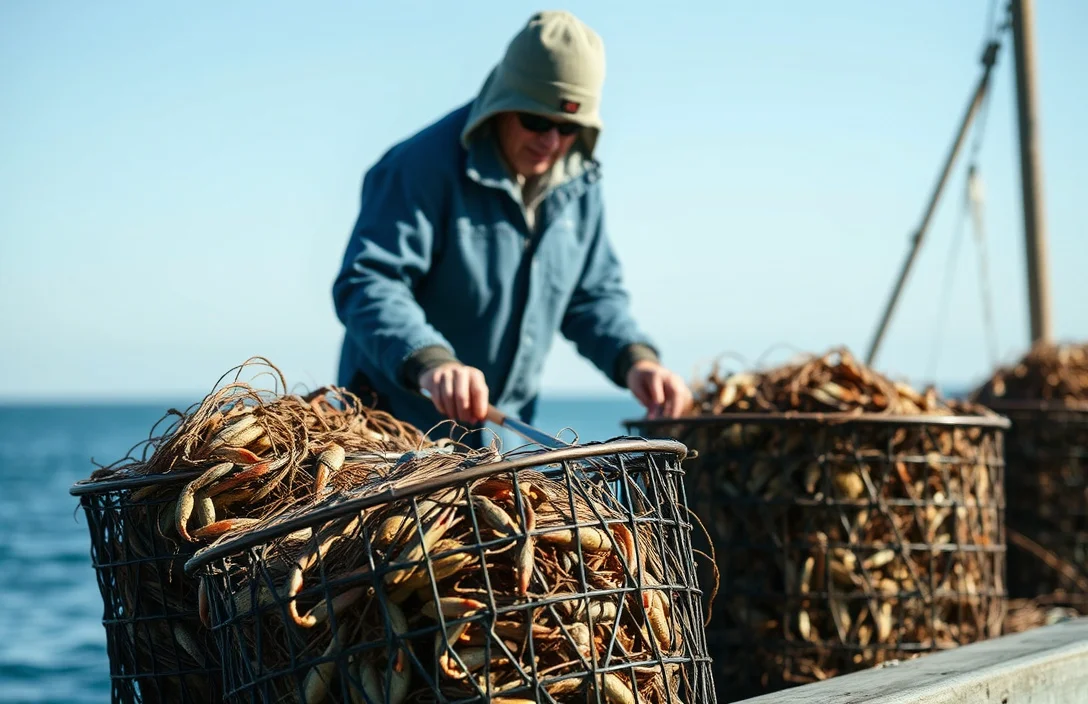
Crab pots are passive fishing gear – you deploy a baited trap to sit on the bottom, then retrieve it after a set time. When catches are disappointing, it usually comes down to the same few issues: poor placement, bait that slips or tears loose, and messy lines that tangle during retrieval.
Before you drop your first pot, line up the fundamentals. Use the right pot type and rope length for your water depth, keep bait from shifting, and plan retrieval around your local soak-time requirements. If you’re fishing from a boat, rig your float system and tie-off points so pots go down cleanly and come back up without fouling.
Beginners usually struggle less with the mechanics and more with uncertainty. Reduce it by returning to the same general area, noting depth and conditions, and sticking to a repeatable routine so you can compare results trip to trip.
Basics of how to set crab pots?
A solid crab pot set does four things: lands the trap on the right bottom, keeps bait secured, manages the line so it doesn’t foul, and makes retrieval predictable. Miss one step and you either lose catch or spend the haul untangling gear.
Placement comes from bottom type and access. Crabs move along structure and bottom features, so “productive” areas beat random open sand. You also have to protect your gear: rocks, shells, and kelp can catch your line and cost you pots.
Bait strategy is simple but not casual. If bait can slide out, tear the bag, or get over-distributed, you’ll lose effectiveness fast. If bait is packed so tightly that scent release is weak, you may pull fewer crabs even if the bait looks “full.”
Line and buoy setup determine whether retrieval stays clean. A twisted line or an imbalanced float system can make the pot hang, tip, or drift into awkward angles. That increases tangles and makes every recovery take longer.
how to set crab pots?
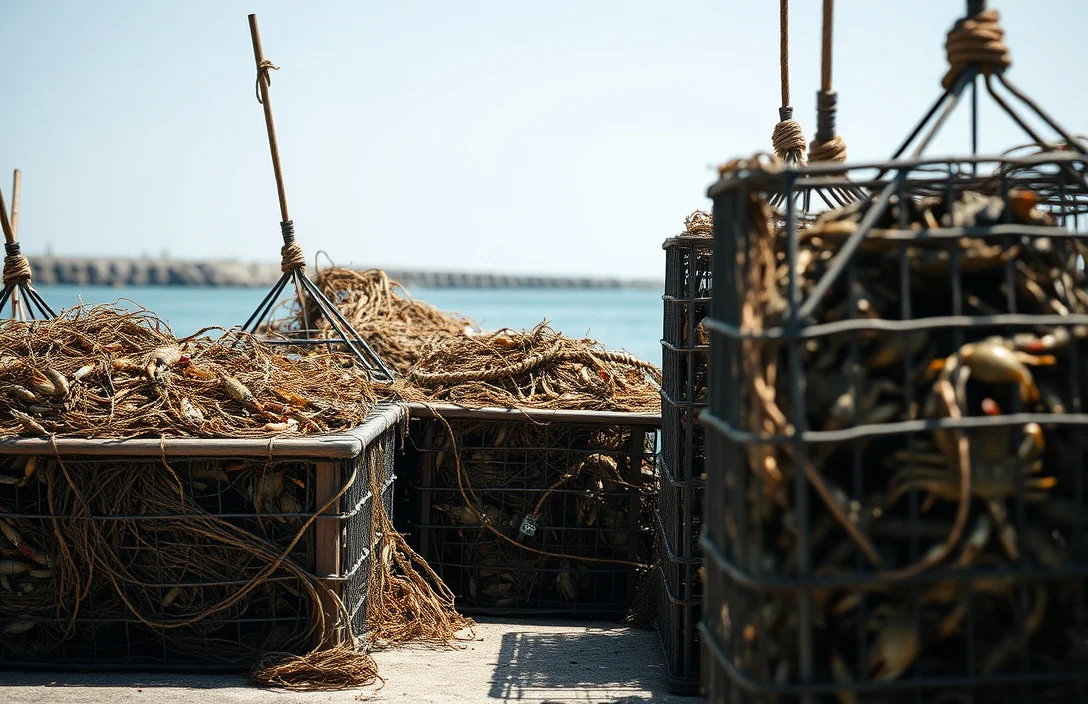
Use this workflow and you’ll cover the most common setup problems without adding unnecessary complexity.
- Verify regulations and limits. Confirm your state or local rules for pot count, mesh or escape requirements, buoy marking, and maximum soak time.
- Choose your spot and measure depth. Use a sounder and any available chart notes to target productive bottom and avoid snag-heavy areas.
- Prepare bait in a bag. Use a bait bag or secure wrap, then attach it to the pot’s bait attachment so it stays in place when the trap lands and when you lift it.
- Pre-rig your line and buoy system. Lay out the line on the deck so it stays twist-free. Check knots and connections before attaching to the pot.
- Lower the pot straight down. Deploy under control so the trap lands upright. Avoid throwing the pot from height – it can foul the line or dislodge bait.
- Record where it went down. Write down GPS coordinates, depth, direction, time, and any notes about water conditions.
- Recover on schedule. Pull at your planned check time. Maintain steady tension and watch the line near the boat so you catch tangles early.
When you deploy multiple pots, keep spacing and order consistent. A simple approach is a small grid pattern along your anchor point or drifting track. Similar spacing helps you tell whether catch changes come from bait timing or placement.
Make the “system” repeatable: same bait bag type, same bait amount range, same attachment method, same line handling, and the same check interval. If results are poor, change only one variable at a time.
Things that matter most
Reliable crab pot setups are repeatable, not lucky. The technique that matters most is tight control over three variables: bottom contact, bait retention, and line cleanliness.
Start with bottom contact. Pots that don’t sit correctly can partially lift, drift, or tip, which reduces effective entry and increases snag risk. Lower with a controlled descent so the pot rests instead of crashing into bottom debris.
Treat bait attachment like part of the trap. If bait slips off when the pot lands or during recovery, your trap isn’t really offering scent – it’s a bait frame that’s losing its advantage. Use a bag and attachment that holds through normal handling, and re-check your setup after every retrieval until it’s dependable.
Manage line to prevent fouling. Twist and slack cause most tangles. If you let coils tangle on deck, you risk wraps around pot frames, buoy lines, and other traps. Lay line in the same direction each time and keep gentle, steady tension during recovery – it prevents most headaches.
Spacing and drift also affect results. In moving current, pots can shift slightly after landing. That changes how bait scent trails and where crabs encounter the pot entrance. Use a consistent drift direction and retrieval plan that accounts for small movement instead of assuming every pot ends up at the exact GPS coordinate.
What works in practice
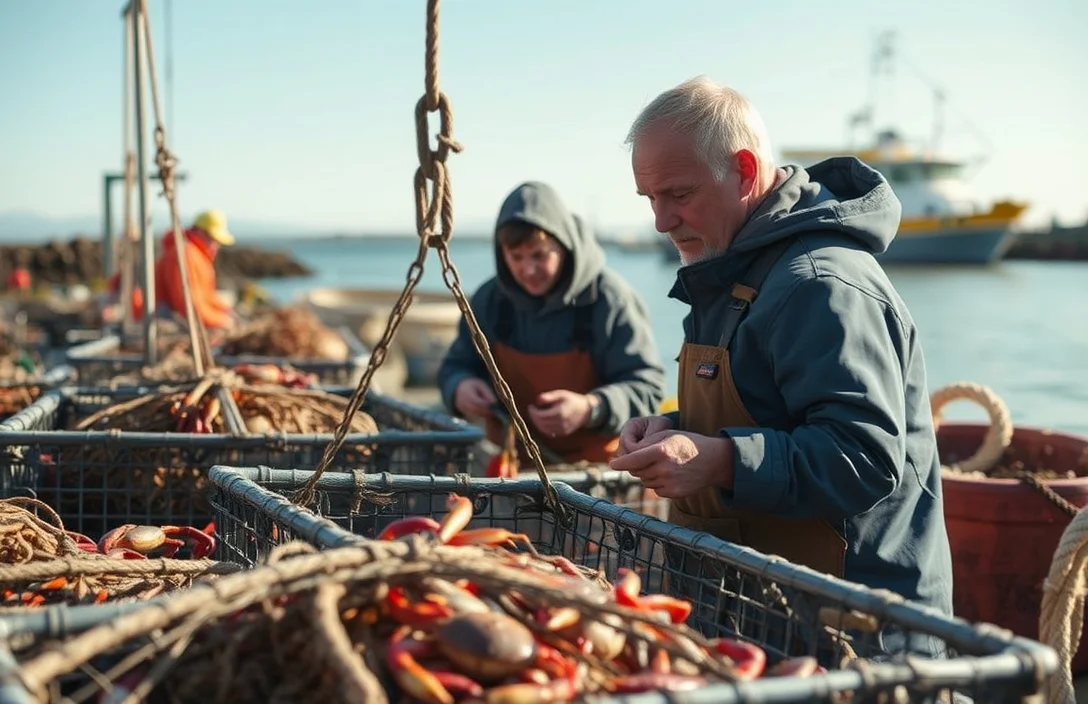
Best practices come from consistency and compliance. You catch more by preventing the losses that are entirely avoidable: bait slipping, tangles, and missed retrieval windows.
Standardize your setup with a quick pre-deploy checklist:
- Confirm buoy and marking. Each pot’s buoy setup needs to match required marking and be visible or trackable in the water.
- Inspect pot condition. Check doors and trap integrity so nothing is bent or misaligned.
- Confirm bait bag integrity. Make sure the bag material is intact and the attachment point is secure.
- Keep line twist-free. Lay out line the same way every time so you don’t start with tangles.
- Set your check time plan. Decide when you’ll retrieve and follow it.
Choose what reduces failure for your conditions. In snaggy areas, deploy and retrieve in a way that minimizes line contact with rocks. In lower-activity areas, bait retention and check timing matter more because crabs take longer to commit.
| Setup Choice | Key Spec/Concern | Best For |
|---|---|---|
| Shorter line, controlled landing | Less line slack and fewer tangles | Boats fishing near known bottom with manageable current |
| Longer line with careful buoy | More reach for retrieval in depth changes | Deeper water where pot must sit farther from boat |
| Secure bait bag attachment | Prevents bait loss during descent/retrieval | Beginners and any trip where handling is rough |
| Tangle-minimizing line handling | Twist-free deployment and steady pull | Busy days with multiple pots deployed |
If you’re new, don’t over-add complexity. A clean system, correct placement, and consistent timing beat “creative” variations that introduce new failure points.
Keep notes every trip. Record depth, location, soak duration, and bait used – you’ll improve faster than by changing everything at once.
Mistakes to Avoid with how to set crab pots?
The most common beginner mistake is setting pots and then ignoring the details that control retrieval success. People often dump traps too fast, skip bait attachment checks, or leave line twisting on deck. The result is predictable: untangling gear instead of hauling crabs.
Another big mistake is changing multiple variables at once. If you move locations, change bait type, and adjust soak time in the same trip, you won’t know what actually improved or worsened results. Pick one thing to change when you troubleshoot – bait retention, placement, or check timing – and keep the rest the same.
Bait handling errors also cut into catch. If bait is loosely packed or unsecured, it washes out quickly. If bait is packed too tightly in a way that blocks scent release, the pot can attract less effectively even if the bag looks full.
Line and buoy errors create both safety and gear problems. Missing required buoy marking can lead to legal trouble in some areas, and loose line connections can cost you pots. Deploying in snag-heavy bottom without a retrieval plan can lose gear quickly, even when crabbing seems decent.
Use this quick troubleshooting loop:
- Empty haul: adjust bait attachment and check timing first.
- Light haul but intact pots: look at placement, bottom contact, and current effects.
- Frequent tangles: fix line handling and spacing, then reduce number of pots until it’s smooth.
- Lost or damaged pots: stop and redesign your approach for snag-heavy bottom.
Pro Tips for how to set crab pots?
Improve your results by tightening your process, not just your gear. These habits compound across repeat trips.
For deployment, keep the pot landing controlled. If the trap drops hard or sideways, it can dislodge bait and increase fouling risk. Lower steadily and maintain line tension as the pot goes down – it reduces both problems.
For bait, make it easy to confirm what happened. Use bait bags or containers you can check quickly after retrieval. That single observation tells you whether the problem is “crabs didn’t find it” or “bait didn’t stay.”
For retrieval, watch the line near the surface. Most tangles form in the last stretch when slack appears or when the pot bumps the line. Use a steady pull and adjust line handling so you’re not fighting twists you could have prevented.
Want a clean way to test performance? Use a two-bucket approach. Set pots in the same general location and vary only bait attachment method (same bait type) between the two groups. After retrieval, compare catch rate and bait condition. Keep the method that produces better results, then refine from there.
In wind or strong current, reduce complexity early trips. Fewer pots means more control over line and landing. Once your routine is solid, scale up.
FAQ
How many crab pots can I set?
Limits depend on your state and sometimes on the specific season and area. Check your local regulations for pot count, buoy marking requirements, and maximum soak time before you go. If you’re unsure, start with fewer pots so you can manage line control and retrieval timing without cutting corners.
How long should I leave crab pots?
Soak time varies by rules and conditions, and exceeding your local maximum can be illegal and also hurts catch. Many areas require retrieval on a set schedule instead of “whenever.” Follow your local limit, then adjust within that window based on what you see in your catch and bait condition.
What’s the safest way to retrieve crab pots?
Retrieve pots one at a time when you’re new. Keep steady line tension and watch for tangles near the surface. Avoid sudden jerks that can whip the line or damage knots and buoy attachments. If you feel resistance that doesn’t seem normal, stop and deal with tangles early instead of forcing it.
What bait works best for crab pots?
Bait depends on local crab species and what’s available where you fish, but the biggest beginner win is bait retention. Use a bait bag or setup that holds during descent and retrieval, and secure it to the pot’s bait attachment. If bait disappears quickly while pots are intact, your problem is attachment, not location.
What’s the most common mistake people make?
People often deploy pots with loose bait or messy, twisted lines, then troubleshoot too late after tangles or bait loss. Fix it by slowing down before deployment, confirming bait is secured, laying line twist-free, and recording depth, location, and time. Once those basics are solid, adjusting placement and timing becomes meaningful.

- 10 Best Slow Cooker For Hearty Stews 2026 (Tested And Reviewed) - October 20, 2026
- 10 Best Slow Cooker For Hearty Soups 2026 (Tested And Reviewed) - October 20, 2026
- 10 Best Slow Cooker For Comfort Food 2026 (Tested And Reviewed) - October 20, 2026