How To Fill Flower Pots?
Flower pots usually fail for one boring reason – the mix is wrong or the pot overflows. The right soil volume and drainage setup help plants settle in quickly and prevent constant soggy spots. This guide walks you through how to fill flower pots from start to finish – what to buy, how deep to go, and what to do when drainage turns sluggish.
Flower pot filling answer: Use a drainage layer only if your pot needs it, then fill with potting mix to about 1 inch (2-3 cm) below the rim. Keep the crown level with the soil for transplants, and water until water runs out the drain holes. If water pools, loosen the mix or improve drainage.
Key Takeaways
- Plan for drainage holes. Pots should have at least one drain hole, or roots stay wet and rot.
- Use potting mix, not dirt. Potting mix holds moisture and air correctly for container roots.
- Leave space at the top. Stop about 1 inch below the rim for easier watering.
- Set plants at the right depth. Keep transplant crowns level with the surrounding soil line.
- Water and settle once. Water thoroughly after filling, then top off if the mix compacts.
- Fix bad drainage fast. If water pools, repot or loosen compacted mix within minutes.
How to begin
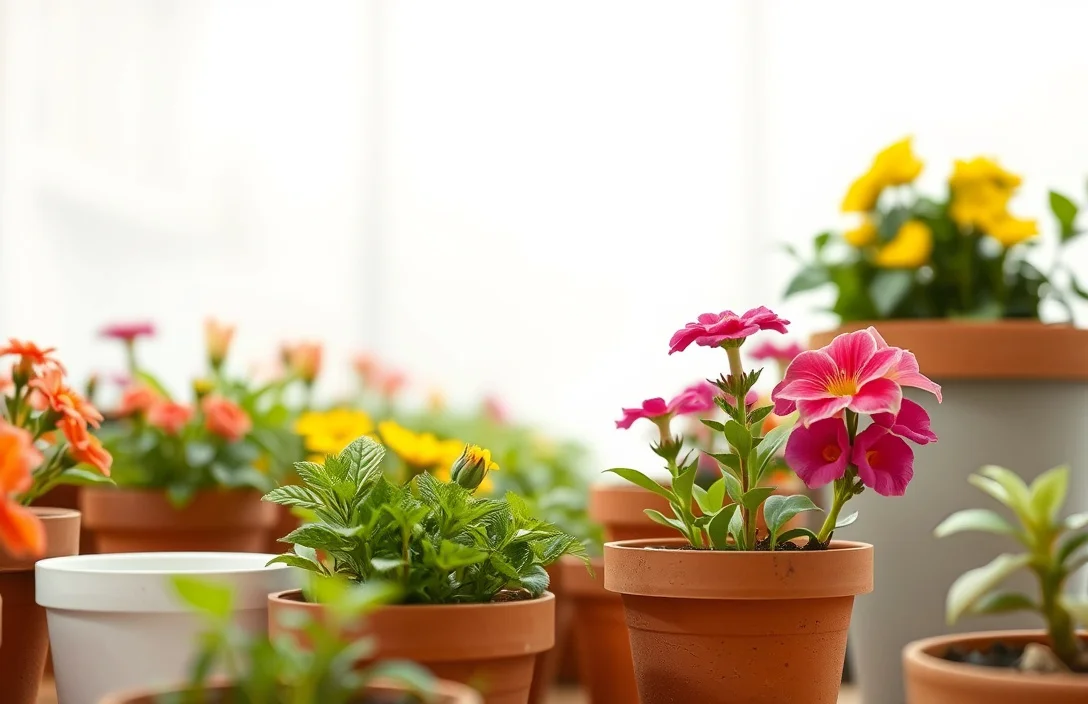
You can fill flower pots and get solid results in 20-30 minutes when you start with the right container and materials. The biggest factor is drainage – container plants live or die on root oxygen.
Check the pot first. If it has no drain holes, use a different pot or drill holes and keep a saucer underneath to catch runoff. Then gather potting mix (not garden soil), a small hand trowel or scoop, and your plants or seeds.
Basics of how to fill flower pots?
Flower pots need three things to work: drainage, the right soil texture, and correct planting depth. Garden soil is dense, so it compacts in containers and reduces airflow around roots. Potting mix is lighter and designed to hold water while staying airy.
Soil depth matters because roots need room, but you also need headspace for watering. Fill to about 1 inch (2-3 cm) below the rim. That gap prevents overflow when you soak the pot and lets you watch how the water moves through the mix.
how to fill flower pots?
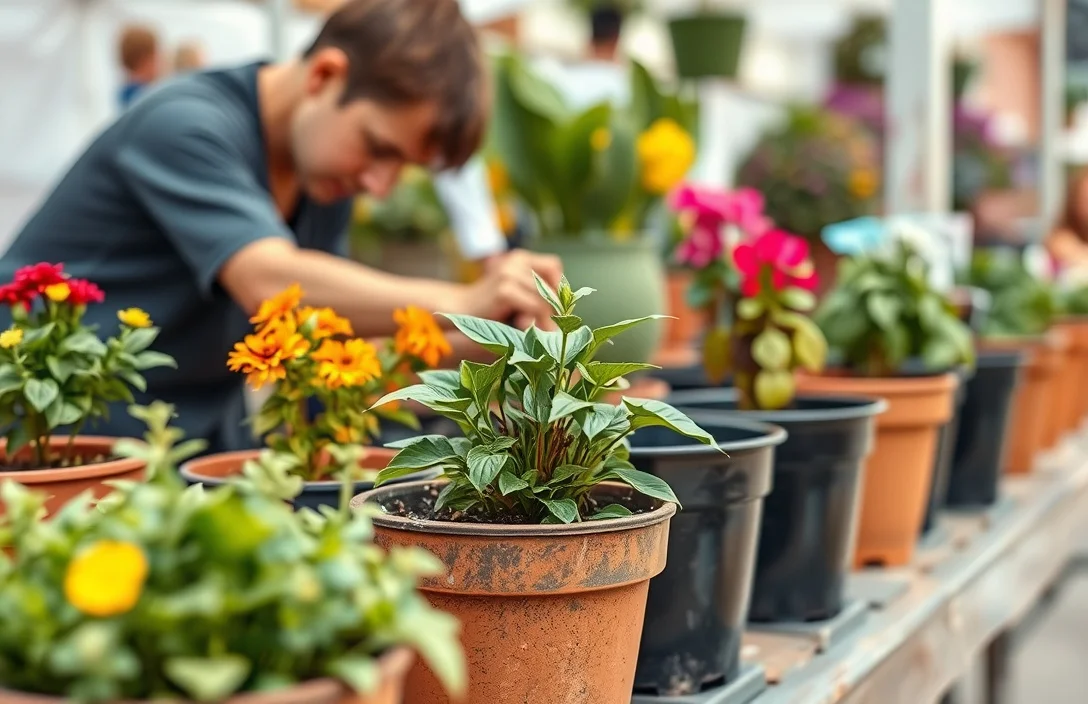
Use this method for most container flowers, herbs, and houseplants you’re growing outdoors in summer or indoors near a window.
- Choose a pot with drain holes. Use a pot that drains freely, and keep a saucer underneath for mess control.
- Prepare the pot and area. Put down a tarp or old newspaper, especially if you’re dealing with wet potting mix.
- Set up drainage if needed. If you’re using a lightweight filler, use only enough to prevent mix from washing out through large holes.
- Fill halfway with potting mix. Add mix gradually, and break up any clumps so the soil isn’t dense.
- Position the plant, then fill around it. Keep the plant crown level with the top of the surrounding soil.
- Fill to the correct rim height. Stop about 1 inch below the rim for easy watering.
- Water thoroughly to settle the mix. Water until it drains out of the bottom, then top off if the soil drops.
For example, if you’re planting a store-bought bedding plant, set the plant in the pot first and eyeball the crown height. Then fill around it and tamp lightly with your fingers – you want contact with the roots, not brick-hard soil.
If you’re planting seeds, fill closer to the rim (still leaving a small gap), then sow at the depth on the seed packet. Mist or water gently so seeds don’t wash into a corner.
Things that matter most
The best technique matches what you’re planting. Transplants need consistent depth and gentle settling, while seeds need a surface that stays evenly moist without getting waterlogged.
Technique 1: Water-first vs. soil-first
Most people do best with soil-first, then water. Fill the pot, set the plant, then water thoroughly so the mix settles around roots. If you’re using very dry potting mix, pre-moisten it in a bucket so it wets evenly, especially for hanging baskets.
Technique 2: “Tamp lightly” is the goal
Press the mix lightly around the roots so there are no big air gaps. Don’t stomp it or pack it down hard. Root oxygen is a real limiting factor in containers, and over-packing reduces airflow.
Technique 3: Use the right amount of top space
That 1-inch gap below the rim prevents overflow and makes watering consistent. Too high and water spills over; too low and the pot floods before you see runoff.
Technique 4: Split big pots for faster success
If you’re filling a large container (like 16-24 inches wide) and planting a mix of sizes, set the proper base depth first, then adjust each plant individually. This avoids burying one plant too deep while leaving another too shallow.
Here’s a quick “what to aim for” reference for common container situations:
| Situation | Fill Height Target (from rim) | Plant Depth Cue |
|---|---|---|
| Transplanted flowers | About 1 inch (2-3 cm) below rim | Crown level with surrounding soil |
| Herbs in pots | About 1 inch below rim | Same as soil line in the starter pot |
| Seed sowing | Small gap below rim (still leave room for watering) | Sow at packet depth, keep surface evenly moist |
| Repotting an established plant | About 1 inch below rim | Don’t bury the crown more than it was before |
What works in practice
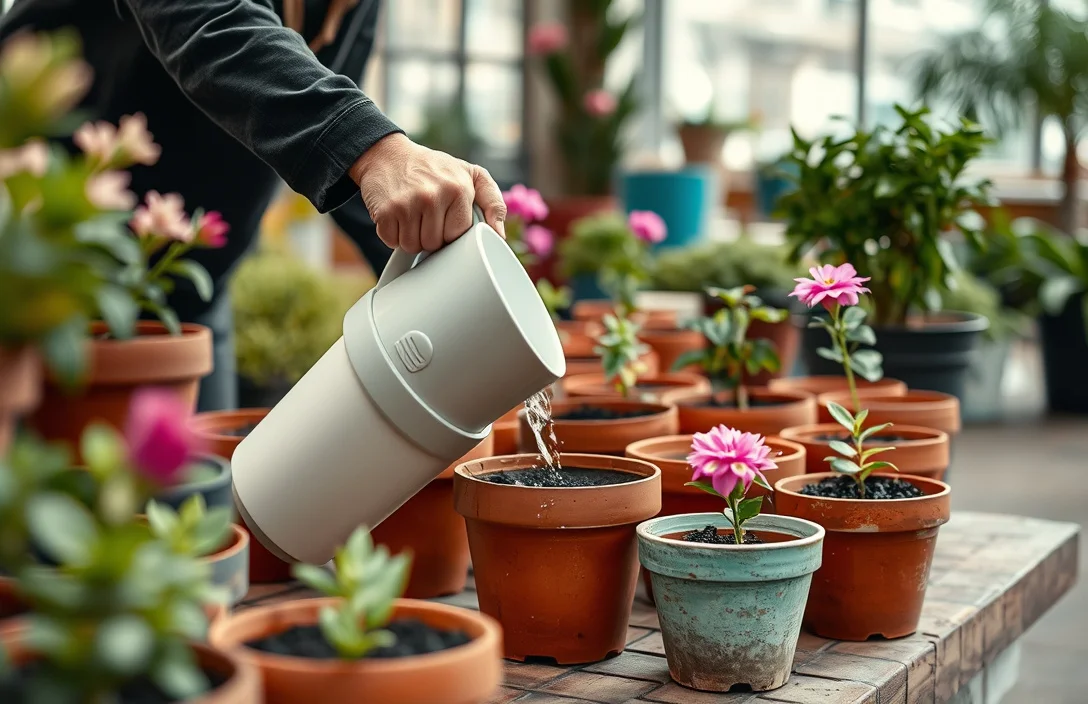
Buying the right product and filling with consistency prevents most problems. One simple rule works in almost every situation: fill containers with potting mix and water thoroughly enough to produce runoff.
What works in practice
If your pots bake in full sun, choose a potting mix that drains well but retains moisture. If your pots stay mostly shaded, use standard potting mix and avoid overwatering. For indoor pots, prioritize mixes that don’t turn into a wet, heavy sludge.
What works in practice
Large gravel layers can reduce effective soil volume, and in some pots they make water distribution worse. If you have very large drain holes and worry mix will fall out, use a small amount of mesh or a thin layer designed for drainage. Otherwise, rely on the potting mix itself.
What works in practice
Many potting mixes are lightly fertilized. That helps at planting, but many flowering plants benefit from additional feeding as they grow. Follow the fertilizer label for containers to avoid salt buildup.
What works in practice
Small pots dry fast, and large pots hold water longer. If you size a container too big for a small plant, the mix can stay wet before roots catch up. Medium pots with good drainage and consistent watering are the easiest route for beginners.
Mistakes to Avoid with how to fill flower pots?
Filling mistakes usually show up later as yellowing leaves, stunted growth, or constant wilting. Watch drainage, soil density, and planting depth while you fill and you’ll prevent most problems.
Mistake 1: Using garden soil
Garden soil compacts in containers and can form a dense layer that repels water. The plant may look fine for a week, then struggle as oxygen drops around the roots.
Mistake 2: Leaving no room to water
Filling to the rim makes watering messy and uneven. Water runs off the top and down the sides without soaking deeply.
Mistake 3: Planting too deep or burying the crown
Burying crowns increases the risk of rot for many flowering plants. When in doubt, match the plant’s previous soil line from its starter pot.
Mistake 4: Overpacking the mix
Tamped-hard soil is a common beginner move. Light contact is enough – roots need air pockets too.
Mistake 5: Forgetting to check drainage after the first watering
Water right after filling so you can catch issues immediately. If water pools or drains extremely slowly, loosen the mix and check the drain holes now, rather than waiting for roots to suffer.
If you see water sitting in the bottom for several minutes, compacted soil, a blocked drain hole, or poor mix choice is often the culprit. Unpot, loosen the mix, and re-fill correctly so the next watering behaves.
Pro Tips for how to fill flower pots?
These details turn “okay” pots into thriving ones.
Pro tip 1: Pre-moisten dry potting mix
Dry mix can repel water and wet unevenly. Pre-moisten until it’s evenly damp, then fill the pot. Plants settle faster and you avoid dry pockets.
Pro tip 2: Use a saucer, then avoid sitting in runoff
A saucer handles cleanup and catches extra water, but it should not become a root bath. Dump excess water after watering if your pot drains into the saucer.
Pro tip 3: Make a simple “fill level” check
Hold a ruler or your hand at the rim while you fill. Stop at about 1 inch below the rim so you never overfill by accident.
Pro tip 4: Top off after settling water
After thorough watering, soil often drops. Add more mix only if you lose the rim gap and water starts spilling easily.
Pro tip 5: For tall pots, avoid washing out
Very sandy or lightweight mix can float or wash during watering. Water gently at first, or water slowly around the plant so the mix settles without big channels.
If you’re planting multiple pots on a patio, do one test pot first. Fill it, plant, water, and time how long it takes to drain. Then repeat the same method for the rest so everything behaves consistently.
FAQ
How high should I fill a flower pot before planting?
Fill potting mix to about 1 inch (2-3 cm) below the rim for most containers. That space prevents overflow and gives water somewhere to soak in. After you plant, water thoroughly once, then top off if the soil settles and the gap disappears.
What potting mix should I use for flowers in containers?
Use potting mix made for containers, not garden dirt. Container mixes are lighter, drain better, and provide air for roots. If your flowers are outdoors in hot sun, pick a mix that doesn’t dry into a brick and still drains freely.
How long should water take to drain from a potted plant?
Water should drain out of the bottom, not pool for long periods. If water sits for several minutes, something is blocking drainage or the mix is too dense. Repot sooner rather than later, because roots need oxygen to stay healthy.
How do I fix a flower pot that doesn’t drain well after filling?
Check that the drain holes are open. Then unpot and loosen the mix around the roots (especially if it packed down). Refill with fresh potting mix, set the plant at the correct depth, then water again and confirm runoff happens right away.
What’s the most common mistake when filling flower pots?
Overfilling is the big one because it causes water to overflow and not soak evenly. Using garden soil is the second most common mistake because it compacts and reduces airflow. The fastest fix is switching to potting mix and keeping the 1-inch gap below the rim.

- 10 Best Slow Cooker For Quick Preparation 2026 (Tested And Reviewed) - October 18, 2026
- 10 Best Slow Cooker For Family Meal Preparation 2026 (Tested And Reviewed) - October 18, 2026
- 10 Best Slow Cooker For Freezer Meal Preparation 2026 (Tested And Reviewed) - October 18, 2026