Forget Me Not In Pots: 3 Steps To Bloom In Year 2
Forget-me-nots in pots can work, but they usually won’t bloom the same season you plant them. They’re commonly grown as biennials, so the typical rhythm is: grow the first year, die back in winter, then re-sprout and flower the second year. In containers, success depends on drainage, pot size, and consistent moisture while they establish.
Forget-me-nots in pots work best when you plan for that 2-year cycle. Start them one growing season, overwinter them through winter (the tops fade and the plant rests), then expect flowers the next year. Use a pot with drainage holes and keep moisture steady during establishment so the root system has time to build.
Key Takeaways
- Biennial timing is key. Forget-me-nots typically bloom after about two growing cycles, not in the same season.
- Pot choice affects success. Use a container with drainage holes and enough volume for steady root growth.
- Cool conditions help. They prefer mild weather for growth, then settle into winter dormancy.
- Consistent moisture matters. Let the top layer dry slightly, then water thoroughly to avoid big wet-dry swings.
- Sun to partial shade wins. Aim for bright light but avoid baking heat during peak summer.
- Start with the right plan. Sow or transplant on schedule so overwintering lands at the correct time.
What to Know About forget me not in pots
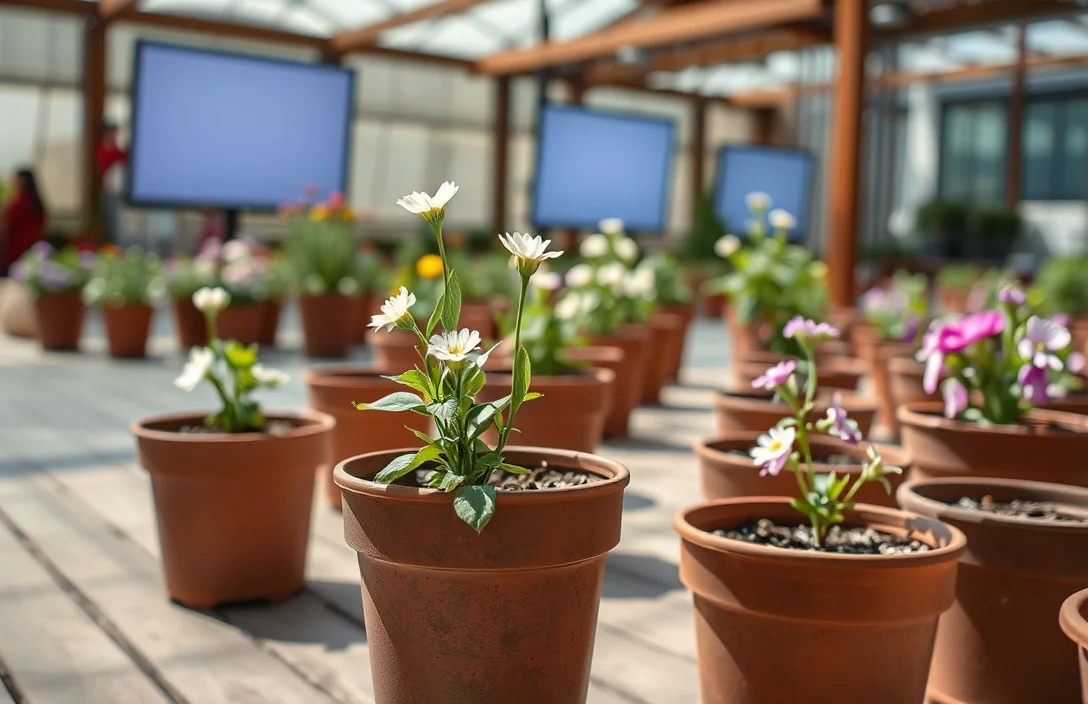
Forget-me-nots usually behave like biennials, which means your pot setup is a 2-season timeline, not a quick “plant and bloom” project. In most home gardens, you get growth in year one, winter die-back, then new growth and flowers in year two.
Pots also dry out faster than beds, so you have less margin for error. During establishment and in the period leading up to winter, soil that swings between bone-dry and soggy can lead to weaker plants and fewer blooms later.
Winter die-back is part of the cycle. When the tops fade or disappear, don’t assume you lost them. In spring, new growth should return from the plant’s crown or root system.
Containers are also practical because they let you control placement. You can shift pots away from harsh wind or adjust light during hot spells, and you can keep forget-me-nots away from areas where you don’t want self-seeding to spread.
Things that matter most
Forget-me-not in pots is about getting two phases right: establishment and overwintering, then flowering the next year. Nail those, and everything else gets easier.
Drainage matters more than most people think. A pot with holes helps prevent root problems that show up as yellowing, wilting, or stalling. Since containers hold less soil, drainage issues punish you faster.
Light needs balance. Too little light reduces flower production, while intense summer heat can stress plants. Bright light with some protection from harsh midday sun works well for most U.S. climates.
Feeding should stay light to moderate. Forget-me-nots don’t need heavy fertilizer in a pot, especially if your potting mix already has nutrients. Over-fertilizing encourages soft growth that struggles when cooler weather returns.
Use this decision checklist:
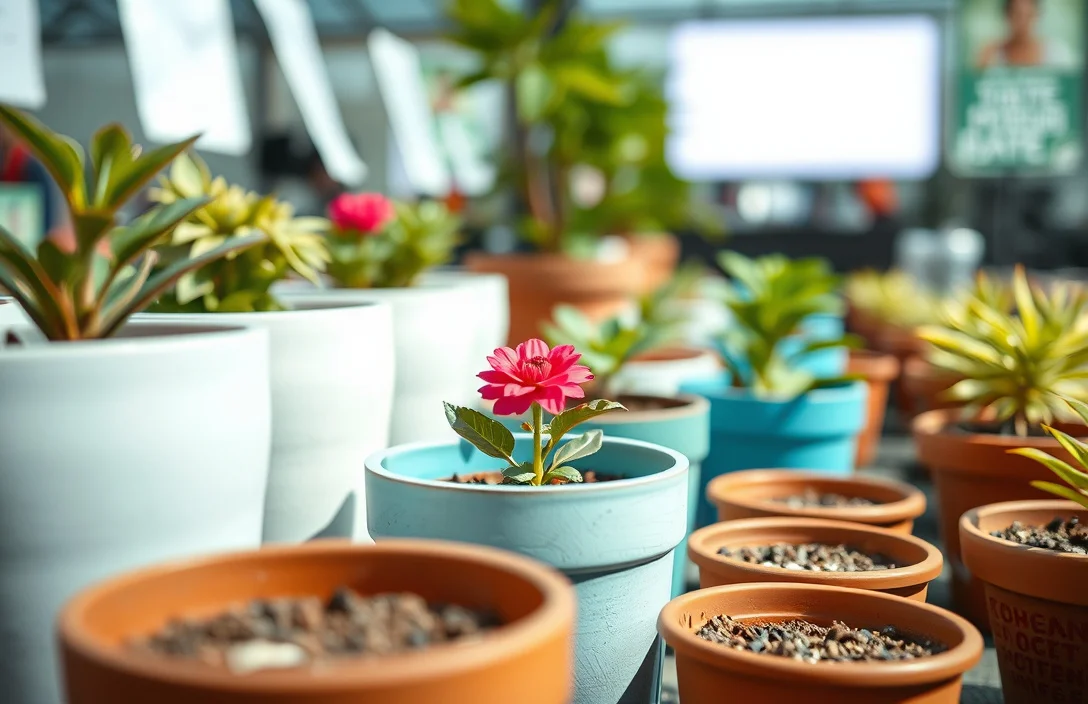
- Choose a pot with drainage. If water sits in the saucer, change the setup.
- Use airy potting mix. Avoid dense garden soil that compacts in containers.
- Set your sowing/transplant date. Match your local winter so first-year plants overwinter reliably.
- Water by feel. Water thoroughly when the top layer starts to dry.
- Expect winter top-dieback. That’s normal for biennial growth in pots.
Tips for forget me not in pots
Match the pot size to your growing method. If you’re transplanting seedlings, a medium pot works, but cramped roots reduce vigor. If you’re sowing directly, give the seedlings enough space early so you don’t have to thin constantly.
Start with a well-draining potting mix, then water deeply during establishment. In containers, “light daily watering” often creates weak, shallow roots. Deep watering when needed encourages roots to grow downward, where heat and dryness hit less.
Timing blooms comes down to the calendar. Forget-me-nots are usually biennials and typically take two years to complete their flowering cycle. Plan for next year’s display, which means sow early enough for solid first-year growth, or transplant sturdy starts instead of tiny, weak seedlings.
Overwintering is where most gardeners get surprised. Plan on winter top die-back and spring re-growth. Protect from extremes rather than trying to keep everything actively growing. If heavy rain or ice keeps freezing the soil, move pots under cover. During dry winter spells, don’t let pots dry out completely.
Deadheading is optional. Remove spent flowers if you want a neater look, but don’t expect perfect control. If conditions suit them, forget-me-nots can self-seed. In a pot, that can be either a bonus (more plants next year) or a hassle (extra seedlings you didn’t plan for).
One practical rule: don’t overwater when they look droopy. Drooping can happen from underwatering or root stress. Check the soil moisture first, then decide whether watering is actually needed.

Helpful pick
5600+ Forget Me Not Seeds for Planting, Easy to Grow Blue Forget-Me-Not Flowers, Perennial Wildflower Seeds for Ground Cover, Borders & Pollinator Gardens
Easy to grow forget-me-not seeds ideal for pots and container gardens, matching transplant space guidance.
Benefits of forget me not in pots
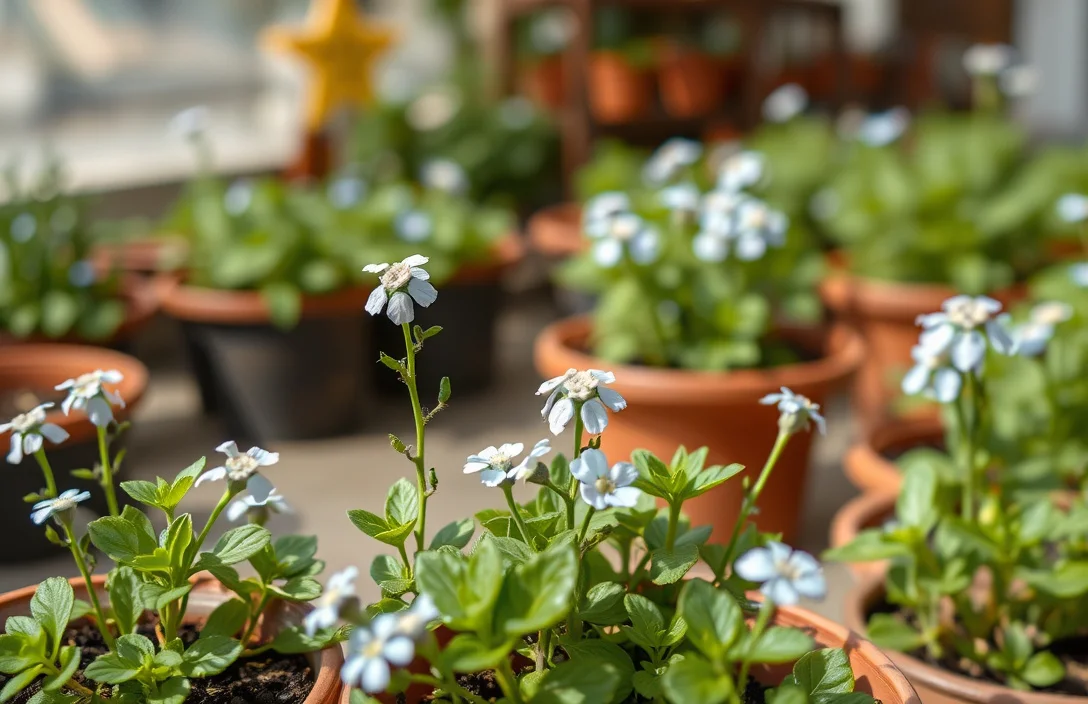
Forget-me-not in pots gives you control over light, placement, and moisture, which is why it’s such a popular container choice. You can tuck pots near a doorway, along a walkway, or in a partial-shade patio area without committing to a full bed.
Containers also help you work with microclimates. In the U.S., the conditions across a few feet can vary a lot because of sun patterns and wind. With pots, you can shift the display as weather changes.
Overwintering is often easier in containers. Instead of battling freeze-thaw swings in the ground, you can group pots, shelter them near a wall, or move them under eaves. That gives you more control when winters turn harsher than you expected.
If you care about year-round appearance, pots help you keep things tidy. Biennials can look “less exciting” during off periods when tops die back in winter. Use pot placement or seasonal companions around the same container to keep the display attractive.
Pots also suit gardeners who can commit to a longer view. The 2-year cycle can feel slow, but it creates predictable returns. Stagger sowing or starting dates so you don’t end up with a blank year.
Helpful pick
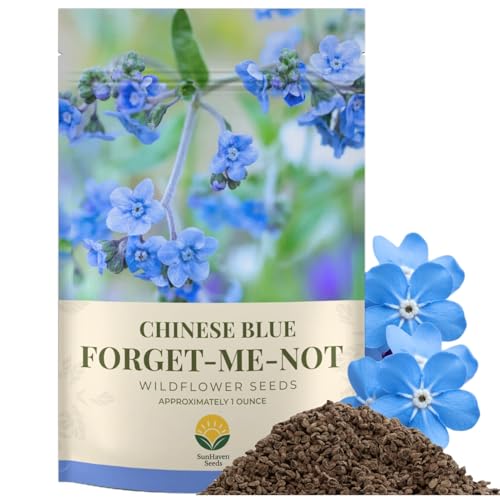
SunHaven Seeds Forget-Me-Not Seeds (Chinese Blue) – 5,000+ Seeds – 1 oz Bulk Extra Large Packet – Covers 100 sq ft – Non-GMO Cynoglossum amabile – Sky Blue Blooms for Wildflower Gardens
Bulk seeds let you fill focal pots and tailor light, moisture, and placement for lush blooms.
Options for forget me not in pots
You can grow forget-me-nots in containers in a few reliable ways. The best choice depends on your patience level and when you want blooms.
The main decision is whether you start from seeds, buy starts, or transplant established seedlings.
1) Start from seed in the pot
This is usually the most cost-effective route, but it requires careful moisture control and thinning decisions. Use potting mix in the container, sow at the proper depth for your seed type, and keep the soil evenly moist during germination and early growth.
2) Buy or raise seedlings, then transplant
This method gets you established faster. Transplanting also helps you manage spacing and gives plants a better head start before winter. It’s also easier to choose the most vigorous seedlings for a clean, uniform pot display.
3) Treat it as a two-season project with staggered timing
For more continuous-looking results, don’t plant everything at once. Stagger sowing or transplant dates so all containers don’t “cycle out” at the same time.
Here’s a quick comparison to help you choose:
| Option | Key Spec / Timing | Best For | Trade-off |
|---|---|---|---|
| Start from seed in pot | 2-season plan, more early care | Budget-friendly + you like DIY | Slower to get sturdy before winter |
| Transplant seedlings | Establish sooner in your pot | A clearer path to strong overwintering | Costs more than seed-only |
| Staggered starts | Multiple containers on different dates | More reliable bloom timing | Requires basic planning and labeling |
For U.S. gardeners, the best option is usually the one that helps first-year plants grow steadily enough to overwinter strong. If your spring is short or summers are hot where you live, transplanting sturdy starts often feels more reliable.

Helpful pick
Chinese Forget Me Not Wildflower Seeds – Bulk 1/4 Pound Bag – Over 22,000 Open Pollinated Seeds – Blue Cynoglossum amabile
Bulk seeds let you start from seeds in pots, offering affordable, flexible container setups.
Expert Advice on forget me not in pots
Forget-me-not in pots comes down to a few details that decide whether you get a strong second-year display: drainage, light, and watering consistency.
First, match the pot setup to your climate swings. In hot, dry areas, go a touch larger so the pot buffers evaporation. In cooler regions with frequent rain, check that you’re not using a heavy mix that stays soggy too long.
Second, overwinter with a plan. Since forget-me-nots die back in winter and re-sprout in spring, your job is to keep the crown from rotting and the soil from drying out completely. Shelter pots from relentless wind, avoid waterlogged freeze cycles, and skip heavy feeding in mid-winter.
Third, don’t assume droop always means “water more.” Containers can wilt from both underwatering and root stress. Touch the soil and check moisture before you add water.
Fourth, keep bloom timing expectations realistic. Because they’re usually biennials, you’re working for next year’s flowers. Plant late and you may still get growth, but full bloom may not land the way you hoped.
Fifth, handle the off-season look on purpose. When tops disappear, use pot placement or temporary companions so the display stays intentional, and the second-year flowers feel like a payoff instead of a wait that disappoints.
My rule: forget-me-nots reward steady conditions more than they reward last-minute heroics. Consistency wins.
Examples: forget me not in pots
Example 1: A porch container plan in the Mid-Atlantic. You start forget-me-not seedlings in the first half of the year, transplant into a pot with drainage holes, and keep them in bright light with some afternoon relief. Water when the top layer dries slightly. Expect the tops to die back in winter. In spring, the plants re-sprout, and those same pots deliver your flowering year.
This approach works because first-year growth builds enough root mass to handle the seasonal drop in growth. The pot also lets you control where they sit, so they aren’t stuck in the hottest spot near a south-facing wall.
Example 2: A small-space gardener in a hot, sunny yard. Choose a slightly larger pot than you think you need, use a well-draining potting mix, and place the container where it gets morning sun and shade later. Keep an eye on late-summer dryness because stressed plants often underperform in their second year. When winter arrives, the plants die back, then reappear in spring.
In this setup, the container advantage shows up when you move the pot a few feet to chase better light. That kind of adjustment can matter more than people expect.
Example 3: A “more blooms, less waiting” strategy. You set up two groups of pots and sow seedlings on different dates so the biennial cycle spreads out. One set stays in its first-year growth phase while the other prepares to flower. When one set goes dormant, the other may still have flowers or fresh growth coming along.
Staggering is the simple way to avoid the blank-year feeling that happens when all your pots follow the same schedule.
FAQ
Can forget-me-nots grow in pots in the United States?
Yes. Forget-me-nots are commonly grown as biennials and can live in containers as long as the pot has drainage holes and you manage watering. They typically die back in winter and re-sprout in spring, so don’t treat winter top loss as failure.
How long does it take for forget-me-nots in pots to bloom?
Usually about two years from the time they start their flowering cycle as biennials. Many setups follow a rhythm of one season of growth, winter die-back, then flowering after re-sprouting in spring the following year. Planning on a 2-season timeline helps you avoid disappointment.
Are forget-me-nots in pots hard to care for?
They are not hard, but they are detail-sensitive. The biggest wins come from good drainage, consistent moisture during establishment, and appropriate overwinter expectations. If you keep the soil from staying waterlogged and don’t let it dry out completely for long stretches, they generally do fine.
What’s the most common mistake when growing forget-me-nots in pots?
Overwatering at the wrong time. When soil stays soggy, roots can suffer and you’ll see yellowing or wilting that doesn’t improve with more water. Check soil moisture first, then water thoroughly only when the top layer starts to dry.
Can I use something other than forget-me-nots in pots for similar flowers?
Yes. If you want a cool-season blue flower look with less biennial waiting, you can switch to annual or perennial container-friendly plants that match your desired bloom timing. The key is picking based on your target bloom season, since forget-me-nots usually run on a 2-year rhythm.

- 10 Best Slow Cooker For Mess Free Cooking 2026 (Tested And Reviewed) - October 24, 2026
- 10 Best Slow Cooker With Leak Resistant Lid 2026 (Tested And Reviewed) - October 24, 2026
- 10 Best Slow Cooker With Spill Proof Design 2026 (Tested And Reviewed) - October 24, 2026