Growing Water Lilies In Pots: Sun, Depth, And Care
Growing water lilies in pots is totally doable, as long as you give them a true aquatic root zone, enough depth, and the right mix of nutrients. Container failures usually come from shallow pots, weak circulation, and planting media that clouds the water or deprives roots of oxygen. This guide walks you through what pot to use, how deep to set it, how to plant, and what to expect across the season.
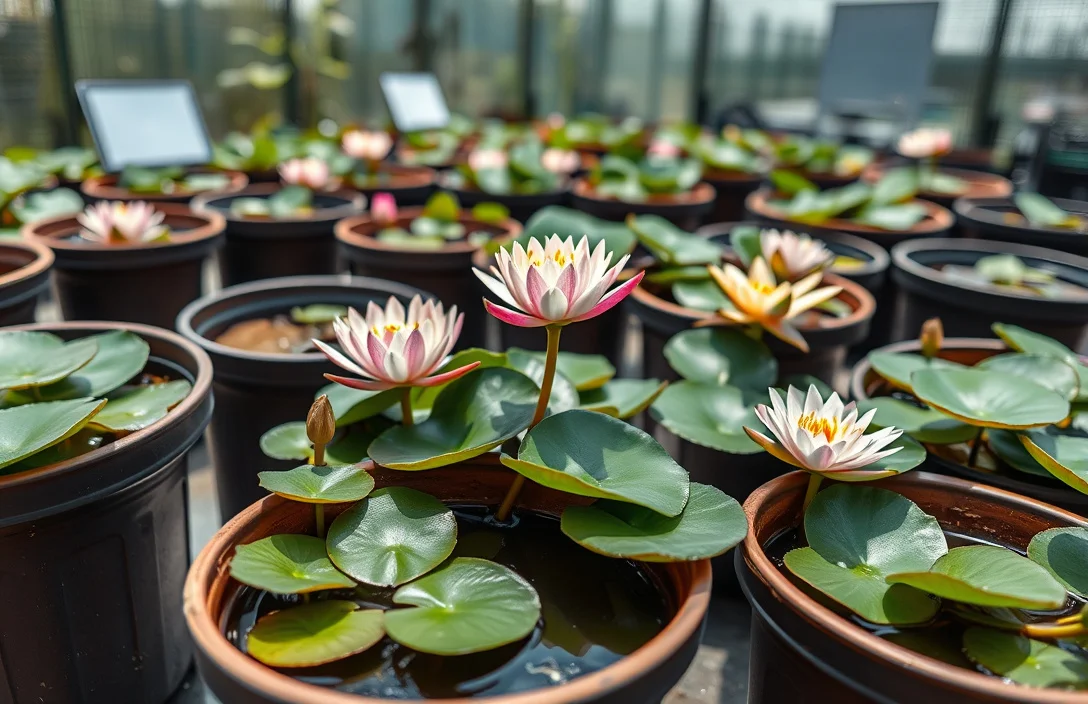
Water lilies in pots grow best when their rhizomes sit in a submerged root zone under stable water depth and plenty of sunlight. Plan for at least 6 hours of sun and a pot depth that keeps the water covering the rhizome (not the leaf tips). For many hardy water lilies, that usually means roughly 10-18 inches of water over the growing area, adjusted to the cultivar.
Key Takeaways
- Sun and stillness matter. Give at least 6 hours of direct sun to power strong leaf growth and blooms.
- Use heavy root-zone media. Pack the planting mix in a pot liner so it stays put instead of turning into sludge.
- Match pot size to cultivar. Small pots stunt rhizome expansion; roomy pots keep growth moving.
- Keep water depth correct. Maintain enough water over the rhizome, not just the pot’s bottom.
- Fertilize lightly and safely. Use aquatic root tabs, and don’t overdo it – excess nutrients feed algae.
- Expect repotting every 2-3 years. Divide and replant once the rhizome fills the pot.
What to Know Before You Start Growing Water Lilies in Pots
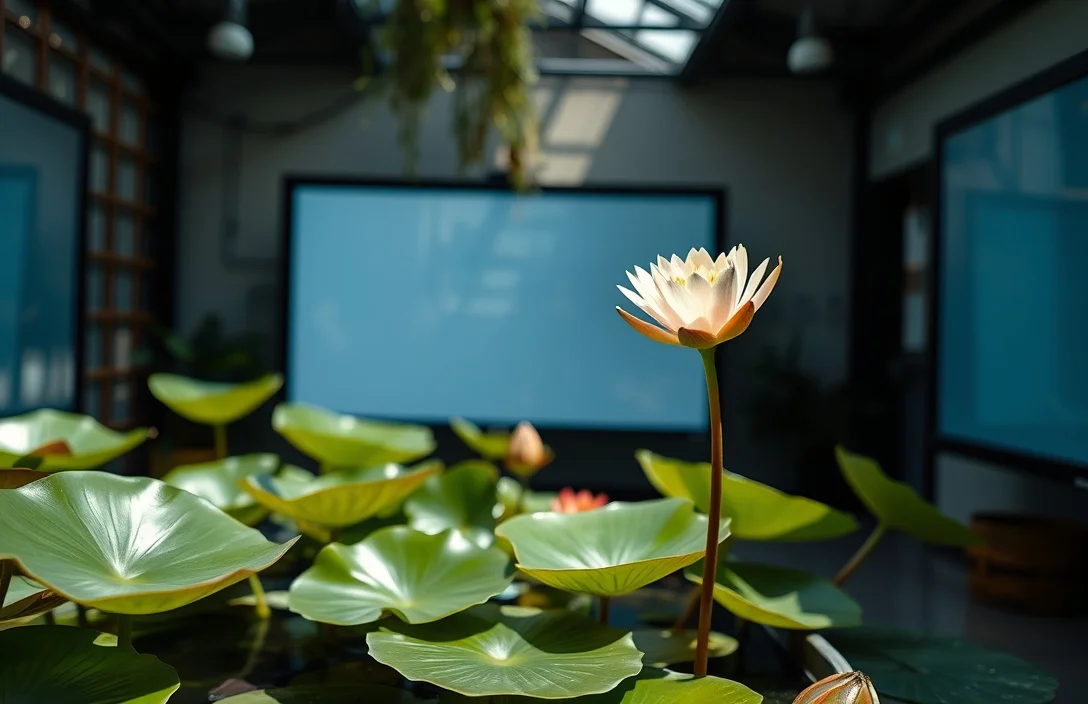
Water lilies are aquatic plants with rhizomes (thick, horizontal stems) that need a submerged root zone. In a pot, you’re recreating that environment, so the container must hold both the rhizome and the planting mix under water without floating, collapsing, or releasing particles.
Depth determines whether the plant can bloom. If the rhizome sits too shallow, or if the roots sit in warmer, less stable conditions than they need, leaves may grow but flowers can stall.
Potted lilies also behave differently than lilies in open ponds. A pond buffers temperature swings and supports natural circulation. A pot is a smaller system, so water warms faster, algae reacts faster to nutrients, and oxygen availability shifts with season and weather.
Before you buy anything, decide whether you’re growing hardy or tropical. Hardy outdoor lilies survive winter in many parts of the US, while tropical options often need protection or can’t tolerate freezing. If the label doesn’t clearly say otherwise, treat your choice as hardy-only, because winter failure is the most common heartbreak in backyard setups.
Things that matter most
Start with sun. Water lilies typically need at least 6 hours of direct sun for reliable leaf growth and blooms. More sun helps when temperatures stay mild. If your pot sits near a patio wall, under a tree canopy, or in a bright-but-shady corner, you may get leaves with fewer flowers.
Get container setup right. Use a pot designed for aquatic use, or ensure your container stays intact and keeps the planting mix contained. “Regular potting soil” spread loosely under water often becomes cloudy sludge, which blocks light and harms root health.
Keep water depth consistent. Set the pot so water covers the rhizome area to the depth the cultivar typically tolerates. A common mistake is setting the pot too shallow “because it looks right,” then wondering why leaves struggle or blooms never start once the water warms.
Feed conservatively. Water lilies need nutrients, but small containers make overfeeding an algae problem fast. If you have to choose, choose right and adjust later based on leaf color and algae levels.
💡 Breathable fabric lily pots promote healthier growth and better sun exposure for water lilies. Aquascape 98929 Fabric Lily Pot 14″ Round x 7″ Deep (2 Pack) for Pond Water Feature Waterfall Landscape and Garden.
Tips That Make Pot-Grown Water Lilies Easier
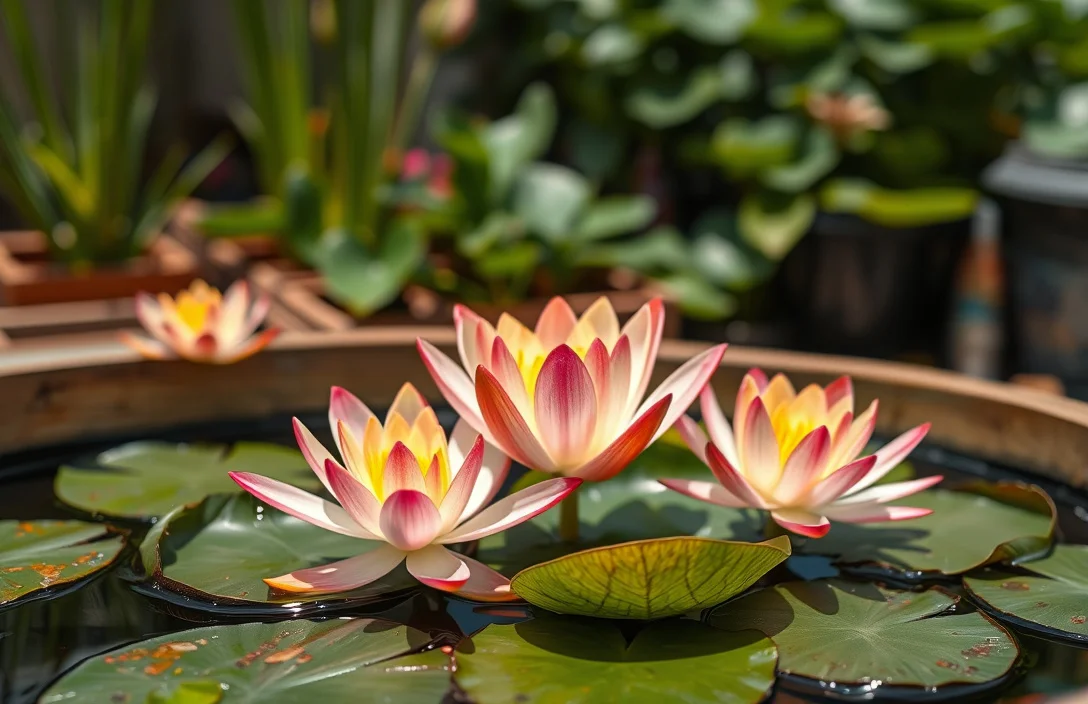
Planting technique matters. Place the rhizome in the root zone and position the growth point so new leaves can emerge. The goal is stable anchoring: set the rhizome so it won’t shift, then cover it with enough aquatic-friendly media to keep it secured under water.
Use an “anchor and minimize clouding” approach. Line the pot with fine mesh or use a snug aquatic pot liner so soil stays contained. Avoid gritty or fluffy mixes that escape into the water. Escaped particles cloud the water, reduce light penetration, and set the stage for algae.
Choose pot size for the lily’s mature spread. Small containers can work for a while, but the rhizome outgrows them quickly, and leaf production drops. Compact types can tolerate smaller pots better, but larger cultivars need real space and volume.
Manage water clarity with simple habits. Top off evaporated water instead of doing big weekly changes that swing water chemistry. If algae keeps showing up, cut excess feeding first. Then check whether the pot’s in full sun or if nearby nutrient sources are loading the water.
Plan winter handling before cold weather. In freeze-prone climates, hardy lilies often need protection for the root zone. Tropical lilies usually need moving to a frost-free environment. If you’re unsure how your area handles freezing and pond depth, treat that as a planning variable now, not after the damage starts.
Why Grow Water Lilies in Pots (Even If You Have Room)
Pots make lilies possible when you don’t have a pond. If your yard is small, your budget is tight, or you only have a patio or deck with a spot for a container, a potted lily is one of the most direct ways to get pads and blooms.
Pots also give you placement control. You can set exactly where the plant sits, how deep it sits, and how much room it has without worrying about spread in a larger feature. That matters for a tidy look and for mixing plants with predictable spacing.
Maintenance can be easier, especially for beginners. Repotting or dividing happens in a contained setup, and you can isolate problems by checking root congestion, depth, and feeding in one container instead of guessing across a whole pond system.
Containment can also reduce invasive spread risk in certain situations. While water lilies are garden plants, rhizomes can travel. Keeping them in a pot removes the need to rely on landscape boundaries or accidental water flow.
Finally, pots adapt to seasons. You can move containers for winter protection or adjust placement for sun as the year changes, as long as you avoid constant relocating that stresses the plant.
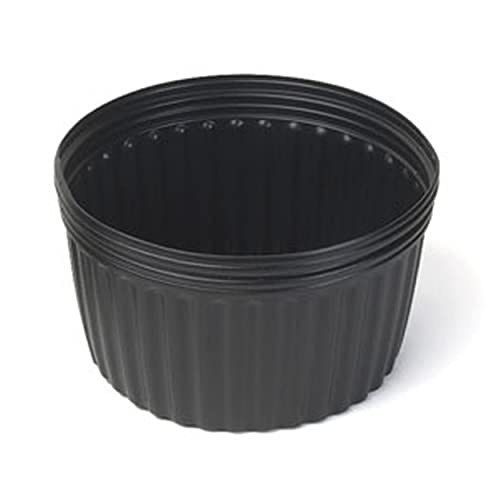
Helpful pick
Chalily 10″ Aquatic Plant Pot Great for Water Lilies, Lotus, and Other Pond Plants Round Plastic Planter for Outdoor Ponds Terrific for Aquatic Soil Alternative to Basket Lily Pots
The Chalily pot is sized for water lilies, enabling healthy growth on decks, patios, or small yards.
Pot Options and Setup Choices That Actually Work
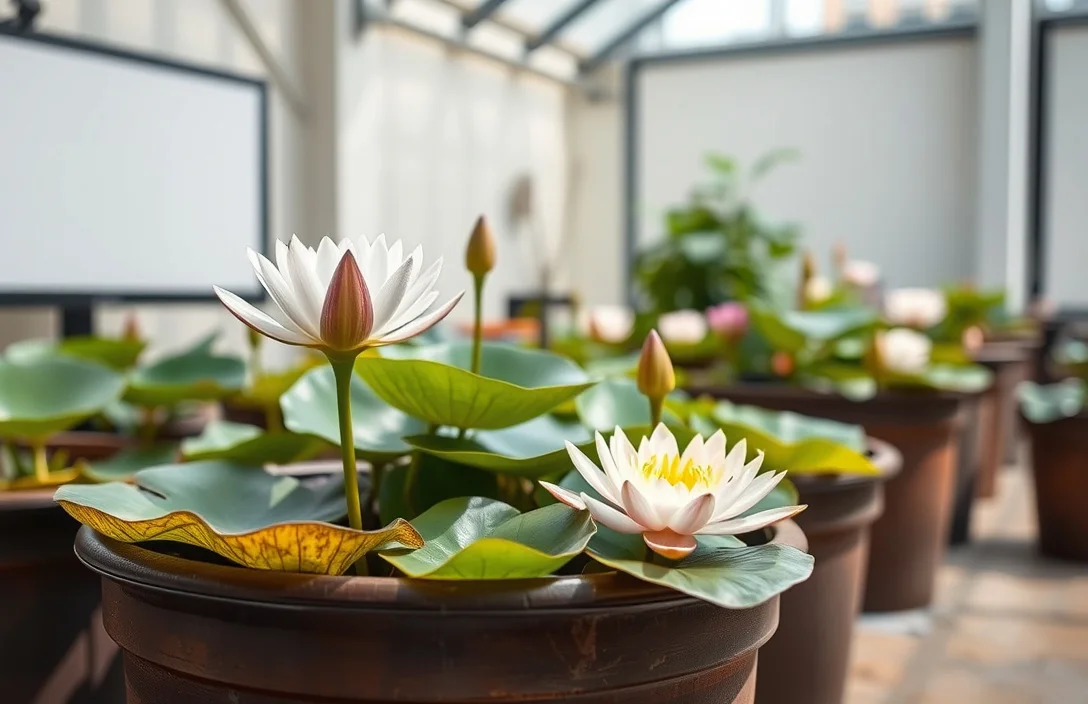
You have three common container styles: dedicated aquatic planters, whiskey-barrel style tubs, and large grow pots placed in a water-holding setup. Dedicated aquatic planters are often easiest because they’re built to keep planting media under water, though they can cost more. Larger tubs can be cheaper and fit landscaping better, but you still need to ensure the root zone stays stable and submerged.
With hard-sided containers, depth control is your main constraint. A tub that looks deep externally can still leave the rhizome too shallow if the container sits higher than you think. Fill the setup to your intended water level, then measure how much water actually covers the root area.
If your planter sits inside a water reservoir, think about circulation. Still water can work, but complete stagnation can create oxygen issues, especially in hot weather. Aim for gentle, localized movement rather than strong currents that stress the lily.
Use planting media that stays put. Many gardeners rely on dense aquatic media, often a soil-and-compost type blend contained inside a liner. Avoid airy mixes that float or dissolve. Stable anchoring around the rhizome matters most because roots need something firm to grab onto.
For fertilizer, use aquatic-safe root tabs or slow-release aquatic fertilizer. Fertilize at the root zone instead of broadcasting into the water column so you don’t feed algae along with the lily. Always follow label directions since dosing and release rates differ between products.

Helpful pick
Aquascape 98500 Fabric Plant Pot 12″ Round x 8″ Deep (2 Pack) for Pond Water Feature and Garden
Breathable fabric helps keep media in place while supporting pond lilies in a dedicated planter.
Expert Advice on Pot Depth, Repotting, and Algae Control
Planting depth is the first lever. Set it by how the water covers the rhizome, not by how the pot top looks. Water lilies need their growth parts submerged at the right level, and shallow placement can delay or prevent blooming even when leaves appear.
Repotting is a schedule, not an emergency. When the rhizome fills the container, the plant becomes crowded and starts underperforming. Many gardeners divide and refresh every couple of years, especially in small pots where rhizomes expand quickly.
Skip overfeeding. In a pot, excess fertilizer can’t disappear into a huge pond volume, so algae gets the nutrients immediately. If you’re deciding between “a little too much” and “a little too little,” choose less. Improved conditions can help a healthy lily recover gradually, but algae can overwhelm a small setup fast.
Handle algae through light and nutrients before chemicals. If your lily doesn’t get enough sun, algae gains the advantage because it thrives in lower-light, lower-competition conditions. Also check whether the container sits near another nutrient source, like runoff from nearby soil or fertilized companion plants.
Match cultivar to container size. Compact lilies tolerate smaller pots better. Larger types need more volume and room to spread. If you’re choosing a lily for pots, look for compact growth descriptions and match them to your container size from the start.

Helpful pick
DECOHS 12 Pack Aquatic Plant Pots for Pond, Reusable Fabric Aquatic Plant Pots, Breathable Pond Plant Basket Grow Bags with Handles for Aquatic Plants, Bog Plant, Water Lily, Lotus, Flower (1 Gallon)
Reusable fabric pots provide breathable roots and adjustable depth, easing repotting and keeping lily rhizomes properly submerged.
Real-World Scenarios for Pot-Grown Water Lilies
Example, a small patio tub setup. A gardener uses a wide, heavy tub (wide surface area beats deep narrow containers for most setups) and places it where it gets direct sun for most of the day. They fill to a level that keeps the rhizome under consistent water depth, then plant using a soil-in-liner approach to prevent clouding. With cautious feeding using aquatic root tabs, leaf growth comes first, then blooms once the plant establishes.
Example, a beginner with an old storage tote. A person buys a water lily, drops it into a tote, and fills the tote until only the pot bottom is submerged. Within a few weeks, the water turns cloudy and the lily looks weak because planting media leaches into the water and the root zone isn’t stable. Fixing the liner and keeping the rhizome properly submerged improves results quickly, and algae calms once nutrients stop escaping into the water column.
Example, a winter plan for a hardy lily. In freezing regions, the gardener keeps the lily container in a spot where the root zone doesn’t fully dry out and avoids repeated freeze-thaw shocks. When spring arrives, they inspect the rhizome for healthy growth and repot or divide only if the pot is overcrowded. This turns winter survival into a normal part of the routine instead of a gamble.
Example, pairing lilies with smaller marginal plants. A gardener uses a larger pot for the water lily and keeps marginal plants in separate containers or arranges them so they don’t crowd the lily rhizome. They keep fertilizer targeted to the lily’s root zone rather than broadcasting into shared water. The setup produces fewer algae problems because nutrients stay where they belong.
FAQ
What size pot do I need for water lilies in pots?
Pot size depends on the cultivar and its expected mature leaf spread. Choose the largest container you can fit while keeping the rhizome submerged at the correct depth. Small pots can work temporarily, but rhizomes crowd quickly and blooming slows – plan to repot or divide every 2-3 years.
How deep should the water be for water lilies in pots?
Keep enough water over the rhizome area to keep it properly submerged, not just enough to cover the pot’s bottom. Typical potted setups aim for roughly 10-18 inches of water over the growing area for many hardy types, then adjust based on the cultivar’s needs and your results. If leaves struggle or flowers are scarce, revise depth first.
Are water lilies in pots harder to keep alive than in-ground?
They’re not inherently harder, but potted lilies are less forgiving. Smaller water volume makes temperature shifts and nutrient changes happen faster, so overfeeding and water clarity problems show up sooner. With consistent sun, stable root-zone media, and light aquatic fertilizer, potted lilies usually do fine.
What’s the biggest mistake people make when growing water lilies in pots?
Using the wrong planting mix or letting soil particles escape into the water is the most common failure. Cloudy water reduces light, stresses the plant, and often pairs with algae. The fix is a contained, dense aquatic planting media plus controlled fertilizer targeted at the root zone.
Can I grow water lilies in pots without fertilizer?
Yes, especially at first, if the planting media has some fertility and you start with a strong rhizome. Still, many lilies bloom more reliably with aquatic-safe root tabs placed in the root zone. Skipping fertilizer long term usually means slower growth and fewer flowers in pots where nutrients are limited.
A potted water lily is a small, controlled pond ecosystem. Your win condition is simple: strong sun, correct water depth over the rhizome, and a contained root zone that stays stable under water. Pick a wide container, use an aquatic-appropriate planting mix, set the water level carefully, then plant and feed lightly. If you want the quickest path to blooms, choose a pot-suitable cultivar and check depth plus repotting timing before chasing extra fertilizer.

- 10 Best Slow Cooker For Mess Free Cooking 2026 (Tested And Reviewed) - October 24, 2026
- 10 Best Slow Cooker With Leak Resistant Lid 2026 (Tested And Reviewed) - October 24, 2026
- 10 Best Slow Cooker With Spill Proof Design 2026 (Tested And Reviewed) - October 24, 2026