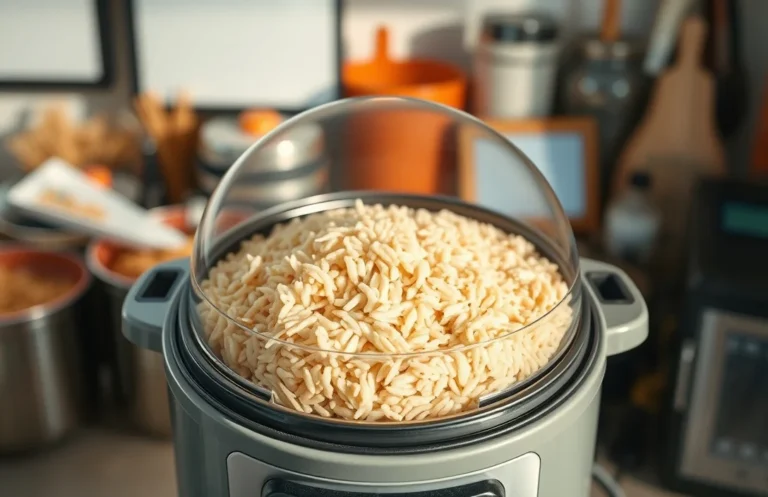
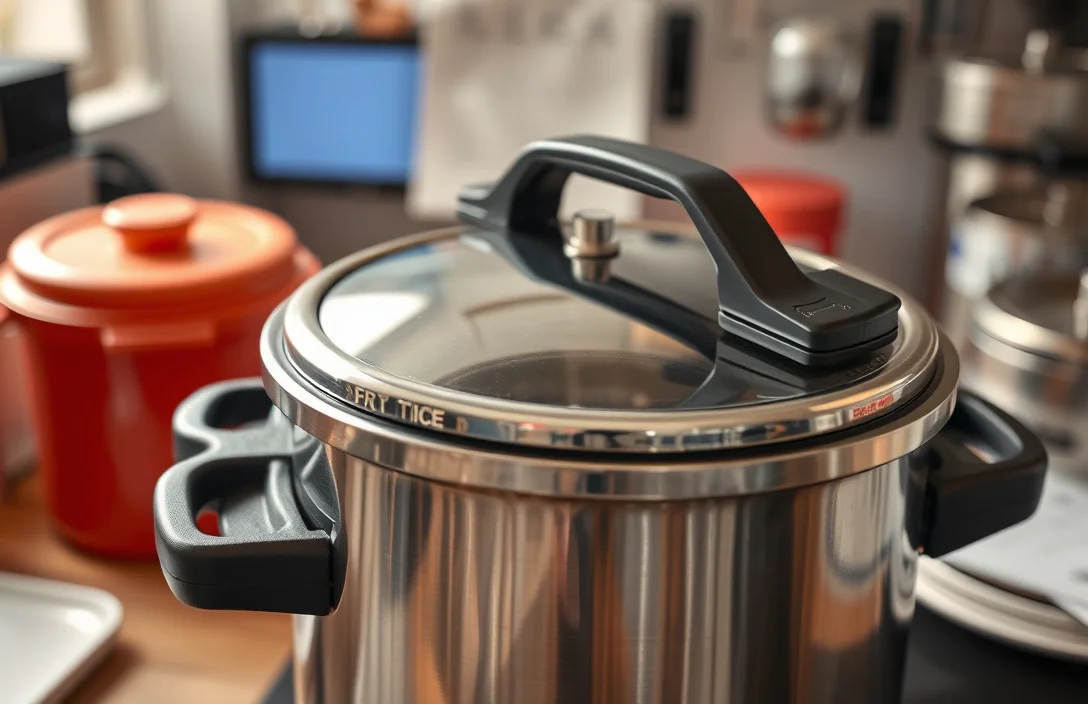
Parts Of The Pressure Cooker: How To Troubleshoot & Maintain
A pressure cooker is basically a sealed pot plus a safety system – so “parts of the pressure cooker” means the parts that lock the lid, control steam, and keep pressure handling safe. Once you know those components, you can fix common problems like wonky sealing, loose-lid behavior, or steam leaks. You can also choose the right accessories for how you cook.
Pressure cooker parts control four things: sealing, pressure regulation, temperature, and safety. A typical electric model includes a lid, sealing ring, vent/valve assembly, pressure regulator, float valve (or lid pressure indicator), and safety valves – plus an inner pot (for electric) and heating plate, and a locking mechanism. Getting the right parts in good condition prevents leaks and messy venting.
Key Takeaways
- Lid sealing matters most. A worn sealing ring is the #1 reason pressure cookers won’t build pressure.
- The vent valve controls pressure. If it’s clogged or mis-seated, you can get weak cooking or steam leaks.
- Float and indicators protect you. The float valve (or indicator) helps ensure the lid won’t open under pressure.
- Safety valves are last-resort. Never disable or replace them with improvised parts.
- Accessory choices change results. Rack, trivet, and pot-in-pot options affect heat contact and timing.
- Maintenance prevents failures. Clean valves after use and replace the sealing ring on a schedule you can track.
What parts of the pressure cooker actually do the work
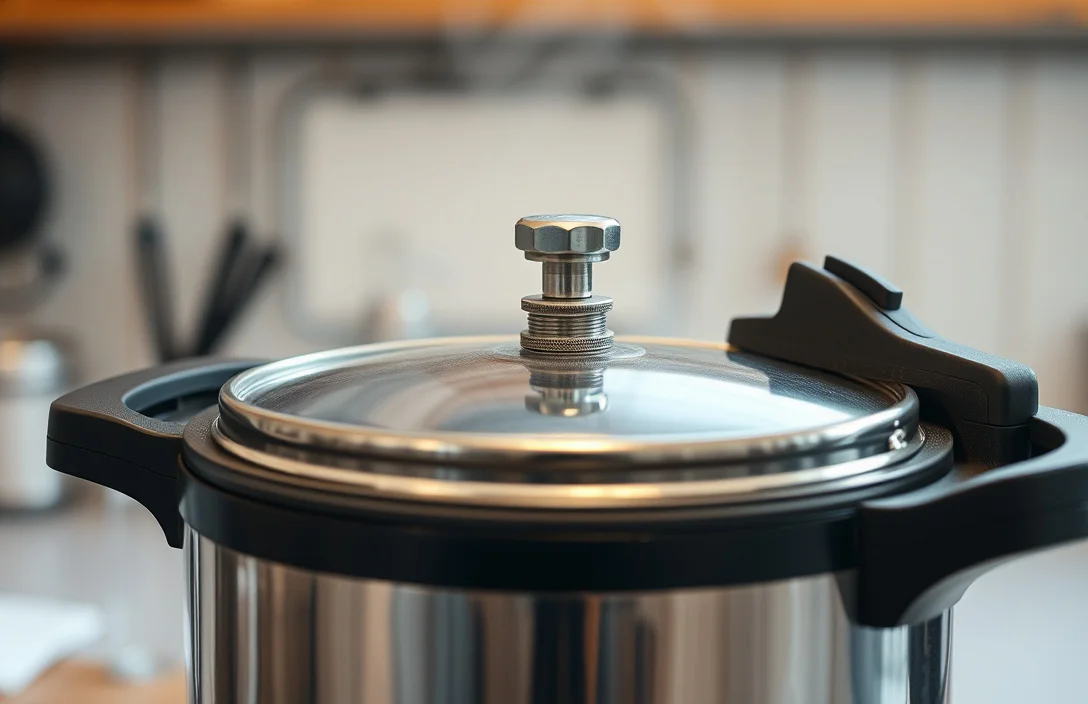
Pressure cooking is sealed cooking. The parts that matter most control steam flow (so pressure rises and holds) and prevent the lid from opening while the cooker is still pressurized.
Start with the lid system. Most pressure cookers have a lid with a gasket (often called a sealing ring), a locking mechanism, a vent/pressure-control assembly, and one or more pressure indicators (commonly a float valve on many electric models). These parts work as a set: the seal lets pressure build, the regulator holds it at the right level, and the indicator tells you when it’s safe to open.
Next comes the heating and pressure environment. Electric pressure cookers use an inner pot on a heating plate with a thermostat and control board that cycles heat to maintain pressure. Stovetop models rely on direct heat from your burner and the regulator valve to control pressure. Either way, the pot, lid seal, and pressure-control components create the cooking conditions for fast results.
Small parts cause big headaches. Valve stems, springs, silicone rings, and anti-blocking components create most day-to-day problems when they don’t seat correctly or move freely. Steam leaks, long time-to-pressure, or food that comes out overcooked usually trace back to one of these.
Use inspection points to stay consistent. Ask three questions every time: Does the gasket look intact? Do valves move and vent normally? Do safety mechanisms respond correctly when pressure is present? When the answers are “yes,” cooking becomes predictable.
Key pressure-cooker components and what to watch
Pressure cooker parts affect timing, pressure, and safety. When you connect symptoms to the right component, troubleshooting stops feeling like guesswork.
1) Seal and gasket behavior sets the baseline. A sealing ring that’s cracked, stretched, flat-spotted, or dirty with residue can release steam slowly. That can block pressure buildup or cause abnormal venting.
2) Pressure regulation determines cooking results. The vent valve or regulator valve keeps pressure from running too high or staying too low. Too low pressure undercooks. Too high pressure can overcook textures, cause sputtering, or increase steam release.
3) Indicators keep you from opening too early. The float valve and related indicators (or mechanical pressure indicators on stovetop units) stop the lid from opening while internal pressure is present. If an indicator sticks or doesn’t move, you lose both convenience and safety.
4) Safety valves are not optional. Most pressure cookers include a backup venting feature for abnormal conditions like extreme overpressure. If you suspect a safety valve problem, treat it as a service issue, not a DIY fix.
5) Accessories change heat transfer and texture. Trivets, steamer baskets, and pot-in-pot inserts change how food sits in relation to circulating steam and bottom heat. The same recipe can time differently once you switch from direct pot cooking to pot-in-pot.
The simple logic is this: pressure-control parts decide whether you hit the target pressure, safety parts protect you, and accessories decide how heat reaches the food.
Parts maintenance that prevents most pressure-cooker problems
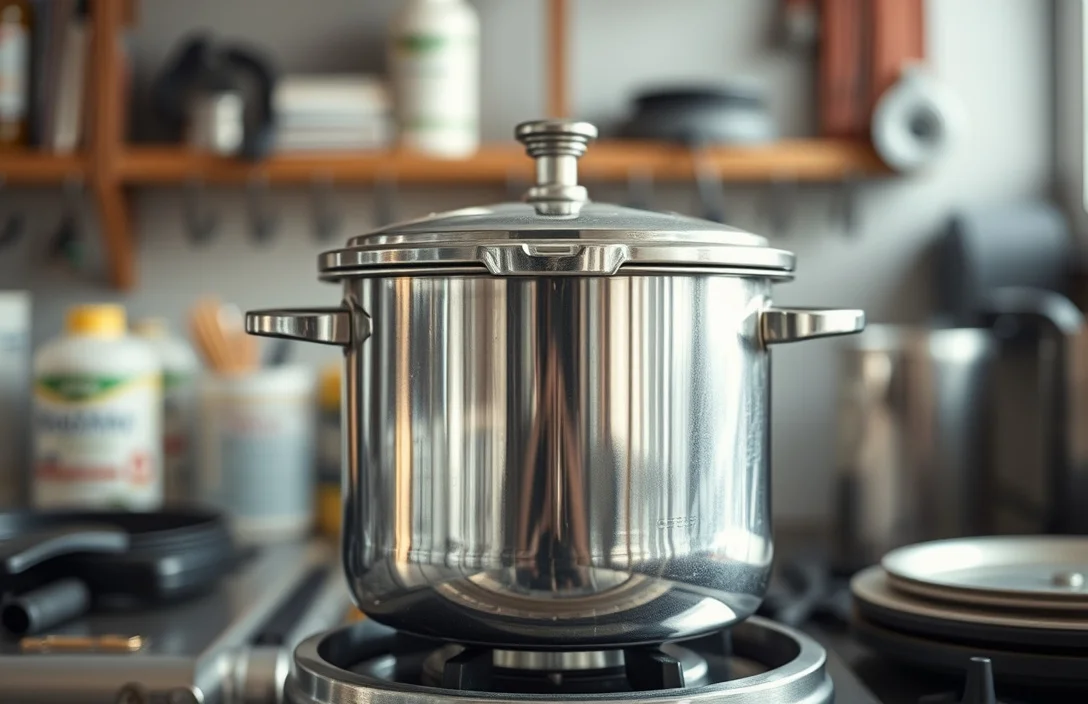
Reliable pressure cooking depends on parts that seal and move correctly. The best tips are inspection, cleaning, and replacing worn items before they cause failure.
First, clean valves consistently. Steam leaves starch and grease residue on valve surfaces. Wipe accessible parts and rinse areas you can remove safely. If the sealing ring or valve assembly is removable, wash those with warm water and mild soap, then dry fully.
Second, inspect the sealing ring like you’d check a tire. Look for cracks, tears, stretching, or a flattened section where it sits on the rim. Replace it if the ring won’t sit evenly or if an odor won’t wash out. Sealing-ring replacement is cheap compared to the frustration of “why won’t it come to pressure?”
Third, confirm valve seats during assembly. Detachable valve stems and regulators often leak when they aren’t seated correctly. If you see steam shooting from around the valve area instead of venting normally, stop and reseat the component.
Fourth, avoid thick residue that blocks venting. Thick purees, oatmeal, and foaming-prone foods can clog valves if you don’t use the right approach and liquid ratio. If your manual lists a minimum liquid amount or specific thick-food methods, follow them. Clogged valves often start with what you put in the pot.
Fifth, store the cooker with the lid open. Leaving the gasket compressed can wear it out early or distort it. When the sealing ring rests uncompressed, it keeps its shape and seals better next time.
Sixth, keep replacements on hand for the parts that wear. The sealing ring – and sometimes the vent/valve insert – are the most common replacements. If you cook regularly, a spare sealing ring makes troubleshooting fast.
One practical rule: if you see repeated error messages or repeated abnormal venting, don’t push through another full cook cycle. That pattern usually means a part or food-behavior issue needs attention now.
What you gain from keeping pressure-cooker parts in shape
Pressure cooker parts deliver benefits in safety, consistency, and easier troubleshooting. You’ll notice it as better results, fewer steam surprises, and less time spent debugging your machine.
The biggest safety benefit comes from layered protection. The locking mechanism, float valve (or indicator), and safety valves work together so the lid won’t open under pressure and abnormal overpressure can vent safely. That’s why you should never disable valves or “improve” them with aftermarket hacks.
Consistency comes from pressure regulation parts that maintain target pressure. When the vent valve and regulator are clean and seated correctly, the cooker cycles heat to hold pressure, so cooking times stay reliable. It’s the difference between “it works sometimes” and “it works the same way every batch.”
Convenience comes from indicators and accessible components. A clearly visible pressure indicator tells you when it’s safe to open. A removable sealing ring makes cleaning and replacement straightforward, reducing odor buildup and preventing sticky steam leaks.
Accessories help specific foods. A trivet or steamer basket lifts food so it doesn’t sit directly in liquid. That helps with reheating dumplings, steaming vegetables, or cooking delicate proteins without bottom browning. Pot-in-pot inserts also reduce flavor mixing because you cook in separate vessels.
You usually spot these benefits when something goes wrong. With intact parts, pressure builds faster, venting stays controlled, and the failures you do see become easy to diagnose: seal ring, valve, or liquid/food behavior.
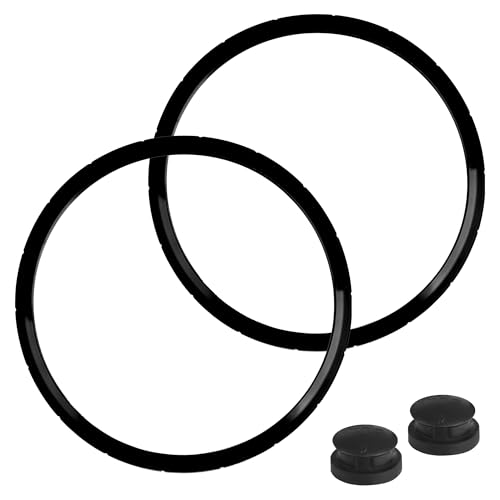
Helpful pick
09936 Pressure Cooker Sealing Ring, Overpressure Plugs Fit for Presto Pressure Cooker, (2 Packs) Model 4 Quart 6 Quart, Replace 0126002 0136102 0136403 0136304 0136001 0216001
Maintains the essential seal, boosting safety, reliability, and quicker troubleshooting by preventing leaks.
what to replace and what to match
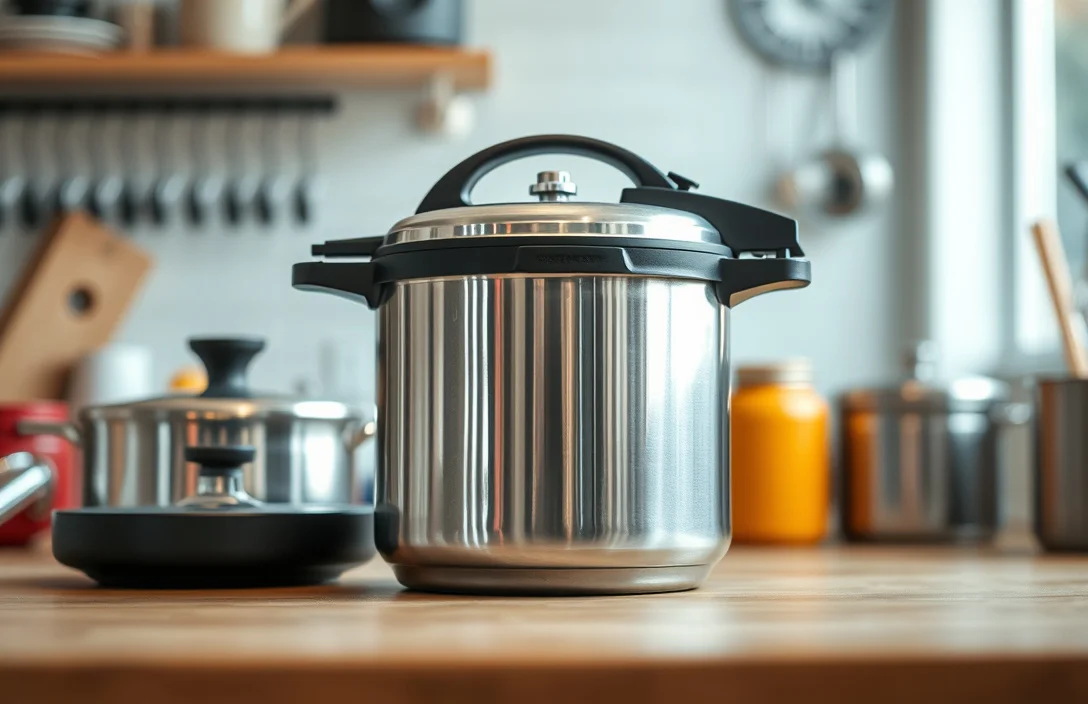
Pressure cooker parts fall into two categories: original-equipment replacement parts and compatible parts that fit the design. The safest option is matching what your specific cooker uses, because model-specific sealing-ring geometry and valve assemblies matter.
Start with the most common replacement: the sealing ring. Many cookers use a silicone ring designed to fit a specific groove and thickness. A compatible ring that doesn’t sit evenly can ruin pressure consistency. Choose by fit first, material second, and freshness always – avoid a permanently dried-out ring.
Next are valve assemblies. Some cookers treat the vent/pressure regulator as a service part, while others use small removable components like valve inserts or stems. Match the type and configuration if you’re replacing anything in this area, since different designs rely on specific venting behavior.
Then consider cleaning and maintenance accessories. Valve cleaning brushes, silicone-safe tools, and spare rings help keep performance steady. These aren’t upgrades – they reduce wear-related problems.
For cooking performance, use accessories that change results without replacing safety parts. Trivets, steamer baskets, and pot-in-pot inserts let you cook differently. Some people also add silicone liners for specific tasks, but anything you add must not interfere with venting clearance or block drainage.
If you’re shopping for parts, search by cooker model plus part name. Even within the same brand, designs can differ by generation, and “looks similar” gaskets are often why a cooker never reaches stable pressure.
| Pressure cooker part | What it controls | Replace if you see | Best option |
|---|---|---|---|
| Sealing ring (gasket) | Lid seal and pressure buildup | Cracks, stretching, distortion, odor that won’t wash | Match model-specific replacement ring |
| Vent/pressure regulator valve | Maintains cooking pressure | Steam blasting, weak pressure, noisy venting | Replace the full valve assembly if service part |
| Float valve / pressure indicator | Lid safety and status | Stuck movement, uneven float position | Service replacement, do not DIY |
| Safety valve(s) | Backup overpressure release | Repeated venting during normal cooking | Leave for manufacturer/service guidance |
| Inner pot / cooking insert | Heating contact and food placement | Warping, scratches affecting contact | Replace only if damaged or manufacturer-rated |
| Trivet / steamer basket | Heat and liquid separation | Warping or poor fit causing instability | Choose accessories rated for your cooker |

Helpful pick
2 Pcs Universal Replacement Floater Valve with 6 Pcs Silicone Gaskets Electric Pressure Cookers Parts for Pressure Pot Such as XL, YBD60-100, PPC770, PPC780, PPC790
Specifically listed model compatibility ensures the replacement fits your cooker’s design and sealing geometry.
Expert-level guidance on pressure-cooker parts (the practical kind)
Pressure-control parts behave like a system, not a collection of independent gadgets. Maintain them together, and you get repeatable cooking and fewer scary edge cases.
Prioritize the sealing ring and venting components. If you maintain only one area, maintain these. A clean, correctly seated sealing ring and a vent valve that moves freely control how quickly your cooker comes to pressure and how steadily it holds.
Don’t trust smell or “it seems fine.” Silicone can look intact while sealing poorly. If your cooker takes noticeably longer to come to pressure, if steam escapes from the lid area, or if venting looks abnormal, check the sealing ring and valve seating before blaming recipes or liquid ratios.
Respect safety mechanisms. Safety valves and pressure indicators are built for specific failure modes. If an indicator doesn’t move smoothly or a safety valve vents repeatedly, service or manufacturer guidance is the correct next step. Improvised fixes turn small issues into bigger ones.
Keep valve routes clear of food debris. Thick foods, foaming ingredients, and insufficient liquid increase residue and clogging risk. Follow your cooker’s guidance for minimum liquid and thick-food methods, and clean valves thoroughly after those cooks.
Use accessories as intended. A trivet placed too low or a pot-in-pot setup that reduces clearance can change steam circulation. That can shift pressure stability and cooking times. Accessories should sit the way the design expects.
Track patterns when troubleshooting. If the same issue happens every time you cook beans, focus on residue and vent maintenance or thick-food behavior. If it only happens when the pot is nearly full, look at liquid/foaming management and assembly technique.
Parts wear at predictable rates. When you watch the usual wear points – seal-ring condition, valve cleanliness, and smooth indicator movement – you stay ahead of failures.
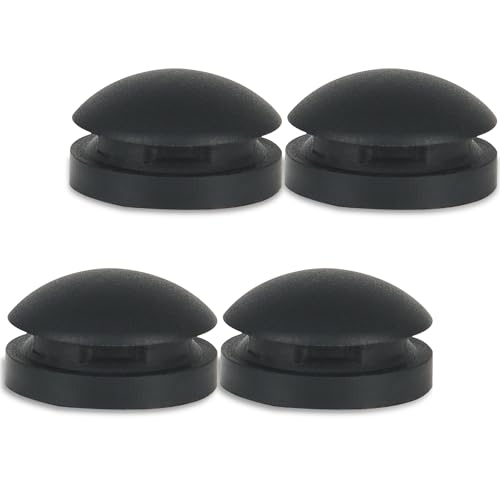
Helpful pick
Pressure Cooker Plug Rubber Safety Device That Automatically Vents Steam Fits (1930 – Overpressure Plug) Pressure Cookers/Canners Parts
Provides automatic venting to relieve excess pressure, reinforcing a safe, consistent pressure-sealing system in everyday use.
Real-world scenarios tied to specific pressure-cooker parts
A pressure-cooker symptom usually maps to one or two parts. Once you connect them, the fix gets obvious.
If the cooker never fully reaches pressure, the sealing ring is a first stop. Steam leaking around the lid perimeter or steady hiss during the build-up phase points to the seal. A cracked or misshapen ring can leak pressure even if the lid locks correctly.
If steam “shoots” from the vent area, the vent/pressure regulator is suspect. If venting is louder or more continuous than usual at pressure, remove and clean the valve/assembly if your model allows it, then confirm it seats properly. A clogged valve can prevent stable regulation and change cooking outcomes.
If the float valve sticks, lid opening can become confusing. If the lid won’t open after a cycle, don’t force it and don’t assume it’s just slow. Check whether the indicator moves freely and clean around it using your manual’s safe-cleaning guidance.
Accessory setups can change timing too. Cooking rice pot-in-pot instead of directly in the main pot changes where steam and heat contact the food. “Same recipe, same time” often fails unless you adjust for the setup.
Thick-food cooks can look like a parts problem because residue builds where it shouldn’t. Oatmeal, chili, and purées cooked without proper liquid ratios or without following thick-food guidance can accumulate residue that clogs valve paths. Venting becomes poor and pressure becomes unstable – even though the root cause is food behavior.
All these scenarios follow the same rule: when a symptom shows up, map it to the part that controls that behavior, then clean, reseat, or replace what’s truly worn.
FAQ
What parts of the pressure cooker can I replace myself?
Sealing rings are commonly user-replaceable, and some vent/valve inserts are designed for cleaning or swapping without tools. Safety valves and pressure indicators are where you should be more cautious, because wrong parts can change venting behavior. When you’re unsure whether a component is “serviceable by the owner,” follow your manual.
How often should I replace the sealing ring?
Replace it when it shows visible damage (cracks, tears, distortion) or when sealing performance drops (steam leaking around the lid, slow or inconsistent pressure). If you cook often, check it more closely after heavy steam sessions and thick-food cooks, since residue can accelerate wear. Use your model’s guidance and your own performance history to set a schedule.
Why is my pressure cooker venting more than usual?
Excess venting usually means the regulator/vent valve isn’t regulating normally, the sealing ring isn’t sealing well, or the cooker is dealing with too much foam or thick residue from the food. Clean the valve area and confirm proper seating of the valve assembly and sealing ring. If it repeats with the same recipe setup, check those parts before changing timings.
How do I clean pressure cooker parts safely?
Remove anything your model says is removable (often the sealing ring and certain valve components), then wash with warm water and mild soap. Use a soft brush for valve ports so you don’t damage rubber parts. Dry everything fully before reassembly. Don’t force components that feel stuck, and never block or “seal up” vents.
What’s a common mistake people make with pressure cooker parts?
Assuming the sealing ring is fine because the lid locks. A gasket can be slightly stretched or dirty while still looking intact, which leads to steam leaks and unstable pressure. Another common mistake is skipping valve cleaning after thick foods, which can lead to clogging and abnormal venting.

- 10 Best Slow Cooker With Cool Touch Handles 2026 (Tested And Reviewed) - October 22, 2026
- 10 Best Slow Cooker With Quality Construction 2026 (Tested And Reviewed) - October 22, 2026
- 10 Best Slow Cooker With Premium Construction 2026 (Tested And Reviewed) - October 22, 2026