Can Pumpkins Be Grown In Pots?
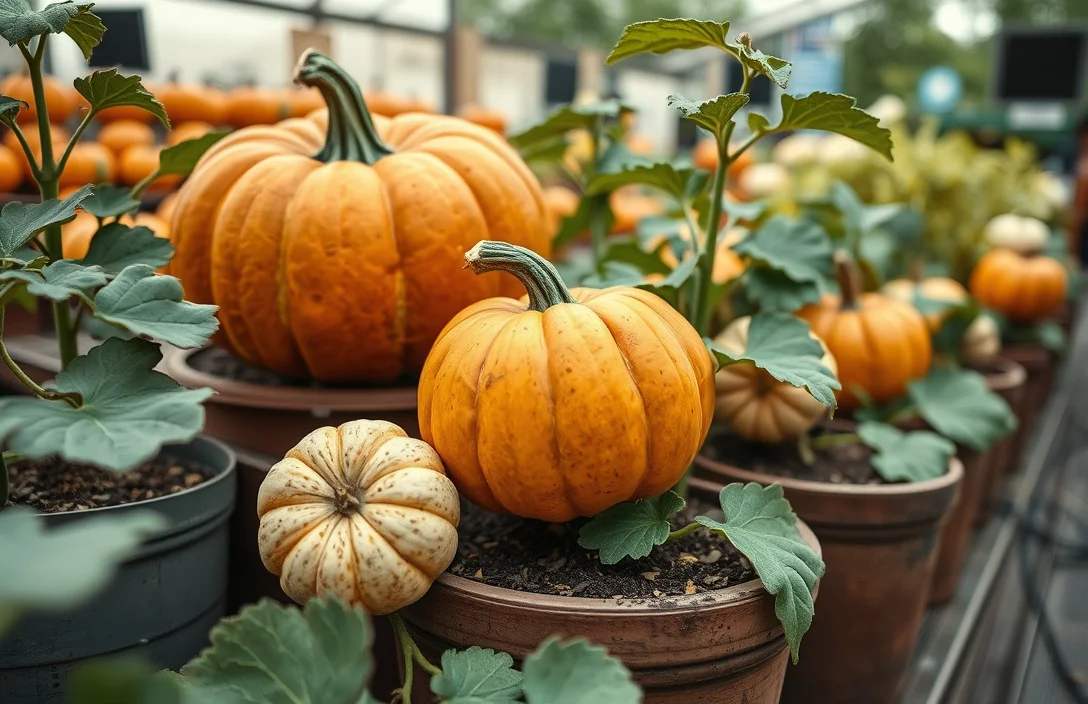
Yes, pumpkins can be grown in pots, but you have to match the variety to the container size and give the vines room to spread or be trained. In the U.S., this usually works best for smaller types like “pie” pumpkins or compact bush varieties, grown on a patio or in a sunny yard. This guide covers what to know, how to set up your pot, and what success looks like from planting to harvest.
Pumpkins can be grown in pots, but container choice and variety matter most. Pick a compact or bush pumpkin, use a container large enough to hold lots of soil moisture (commonly 5 to 10 gallons), and place it in full sun. Expect regular watering because potted plants dry out faster than in-ground beds.
Key Takeaways
- Yes, with the right variety. Compact or bush pumpkins are much more reliable in containers than giant field types.
- Choose a big enough pot. Aim for about 5 to 10 gallons of soil per plant so roots stay cool and hydrated.
- Expect daily checks in summer. Pots dry faster, so watering frequency usually increases during warm spells.
- Use quality potting mix. Avoid plain garden soil, and add nutrients to support heavy fruiting.
- Plan for vine management. Train vines upward or sideways to keep leaves off wet ground and reduce space problems.
- Pollination still matters. If you don’t see pollinators, hand-pollinate to set fruit.
What to Know About Growing Pumpkins in Pots
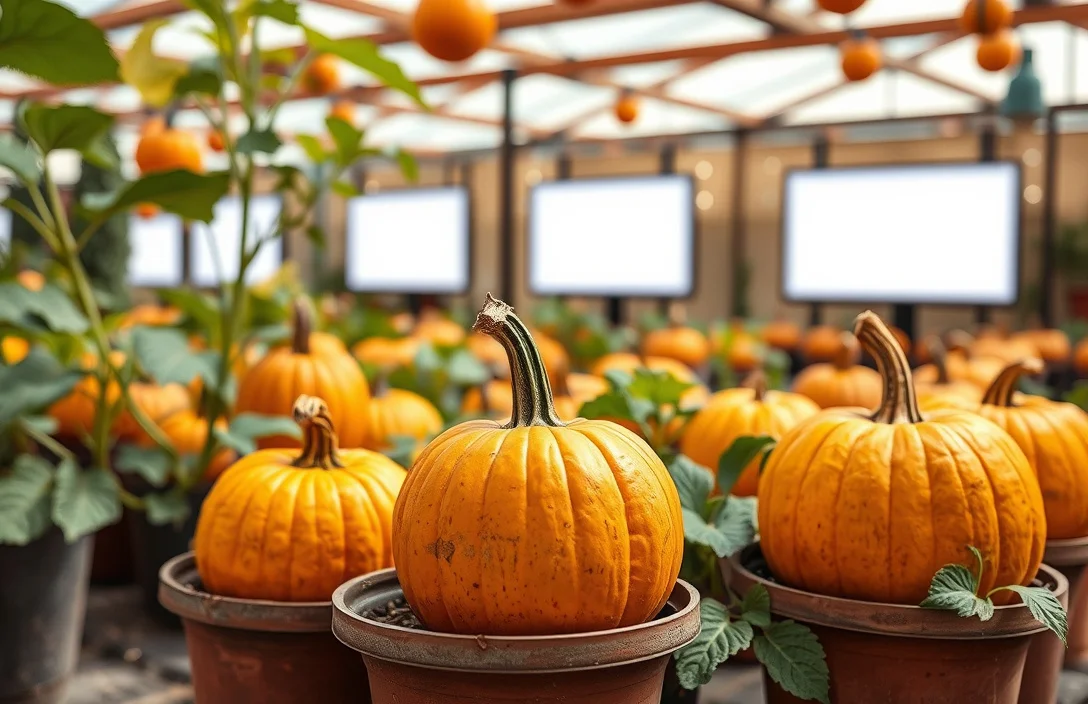
Pumpkins are vine plants, and in pots the main challenge is space plus moisture control. Many pumpkin varieties stay smaller, which makes them compatible with patio and balcony growing. A giant, sprawling type in a small container forces stress and leads to weak fruit set.
Pots also change how nutrients and water behave. Potted pumpkins can swing from too dry to too wet faster than in-ground beds, which can cause blossom drop, small fruit, or higher disease pressure. Treat container pumpkins like a crop that needs consistent care, not a set-and-forget decoration.
Things that matter most
Start with variety, because size drives everything else. Look for compact, bush, or “patio” pumpkin types, since shorter vines are easier to manage in a pot. If you want a classic carving pumpkin, check the mature size first and compare it to your planned pot and training approach.
Plan your container setup before planting. You need drainage holes, a sturdy pot (pumpkin vines get heavy when loaded with fruit), and potting mix designed for container growing. After that, most of the work comes down to watering, feeding, and monitoring for pests like squash bugs or powdery mildew as humidity rises.
Tips for Growing Pumpkins in Pots
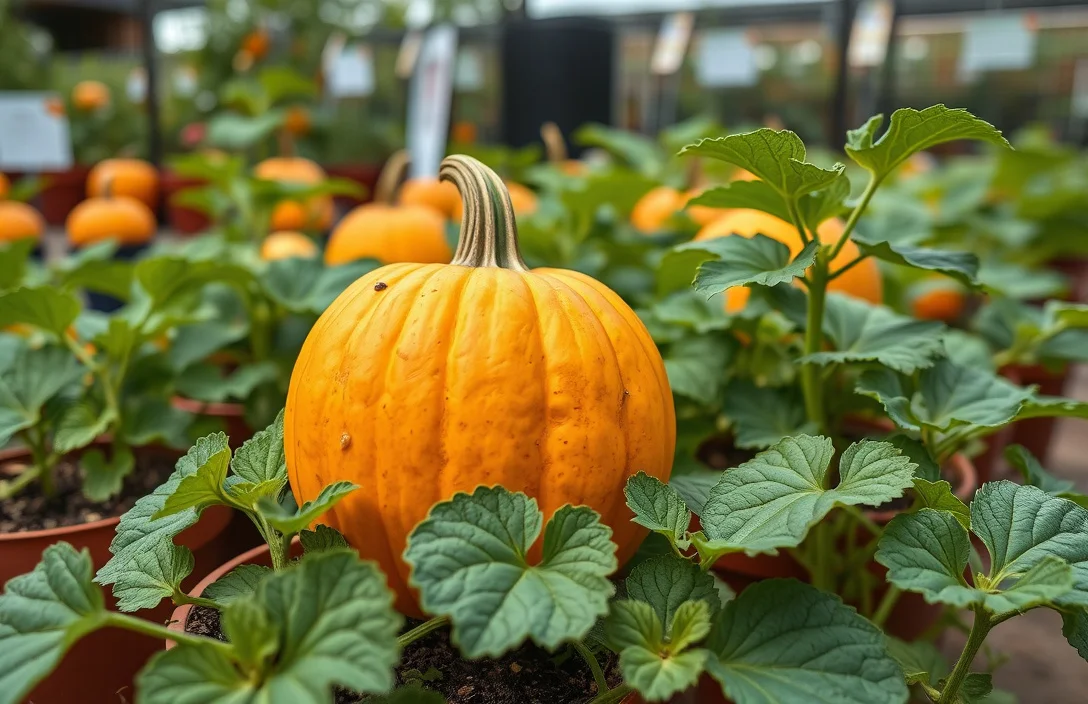
Use this setup and you avoid most beginner failures.
- Pick a compact pumpkin. Choose a variety described as bushy, compact, or suitable for containers, and verify expected size at maturity.
- Use a large pot. A container around 5 to 10 gallons per plant is a common starting point for good results in pots.
- Prioritize full sun. Put the pot where it gets strong direct sunlight for most of the day; pumpkins need energy to flower and fruit.
- Water deeply and consistently. Water until excess drains out, then re-check moisture daily during hot weather.
- Feed on a schedule. Start with nutrients from potting mix, then add fertilizer after flowering begins to support fruit growth.
- Train the vine. Guide vines along a trellis or toward open space, and tuck leaves away from soil contact to reduce fungal issues.
- Control fruiting load. If multiple fruits form, keep fewer for better size and faster maturity, especially late in the season.
Daily watering checks matter more than many people expect. A pot can look “slightly dry” on top and still be too wet below, or it can dry out quickly through drainage and wind. Aim for steady moisture, not soggy soil.
Also watch pollination. In-ground pumpkins usually get plenty of visits, but patio setups can reduce airflow and pollinator access. If blossoms appear and baby fruit doesn’t after about a week, hand-pollinate as a simple fix.
Benefits of Growing Pumpkins in Pots
Potted pumpkins let you grow where you otherwise cannot, including small yards, patios, driveways, and community-garden plots with limited bed space. You also control soil quality and drainage, which matters because pumpkins want consistent moisture without waterlogging.
Pots make management easier too. Move containers out of harsh rain, adjust placement for better sun as the season shifts, and keep the plant off wet ground to reduce some foliar disease pressure. For beginners, that control often means fewer confusing problems and easier troubleshooting.
Container growing can also stretch your options for seasonal timing. If your local weather allows, you can start earlier with sheltered conditions. You can also experiment with different varieties without committing a whole bed. The trade-off is more active care, especially watering and feeding.
Options for Growing Pumpkins in Pots
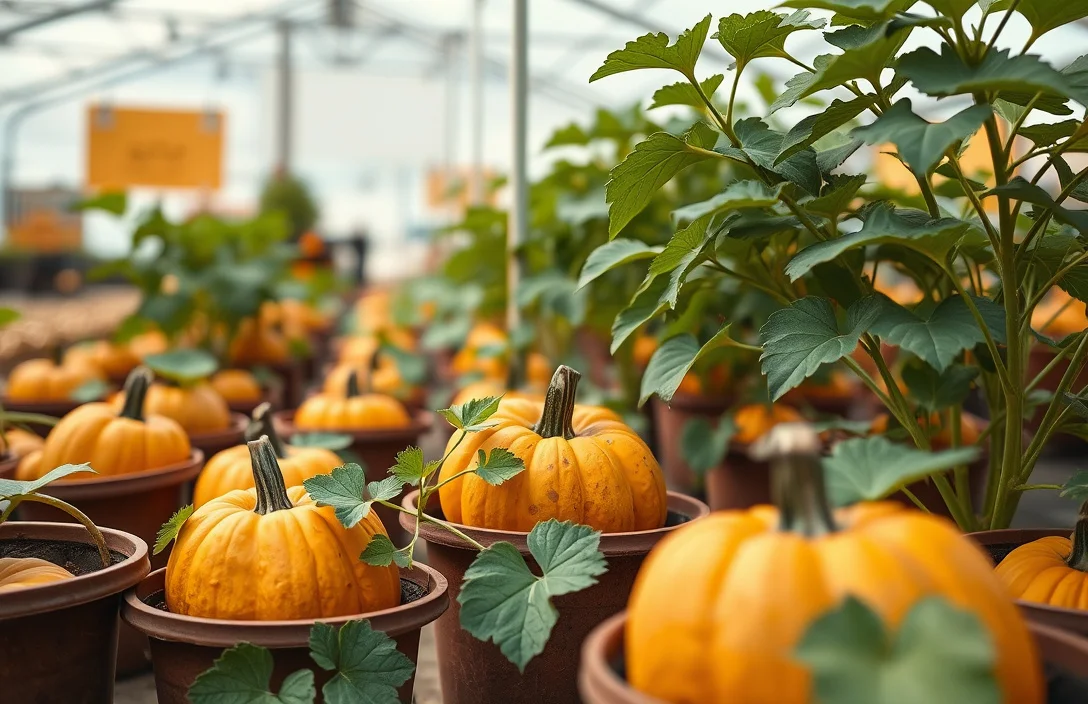
Two approaches work: one plant per pot, or one larger container where you train a single plant to fill the space. Either way, match container size to the variety and how aggressively you plan to train vines.
Practical container options by space:
- 5 to 7-gallon containers: best for smaller bush types where you can train vines and keep fruit count low.
- 8 to 10-gallon containers: better for most compact pumpkins, giving roots more stable moisture and room to grow.
- Wider planters (more surface area): often outperform narrow pots because roots get more even soil temperature.
Pot material also changes how fast the container dries. Terracotta breathes and dries faster, so watering is more frequent. Plastic or fabric grow bags hold moisture longer, which can help in hot climates, but you still need drainage and good airflow.
For the highest success rate, prioritize width and drainage over decorative style. A “pretty” pot that dries too quickly or drains poorly creates stress.
Expert Advice for Growing Pumpkins in Pots
The best “expert move” is to stop treating container pumpkins like herbs or flowers. Fruiting plants need steadier resources. Start with a nutrient-capable potting mix, then feed after flowering begins because the plant’s energy demand jumps once it starts setting fruit.
Build your routine around watering. In-ground gardeners can often rely on soil reserves and rainfall patterns. In containers, watering becomes part of the crop plan. When weather turns hot, expect watering to increase, and check moisture with your finger 1 to 2 inches down before deciding.
Manage vines early. Train or guide vines while they’re still flexible, then keep them consistent instead of letting them sprawl and tangle. This reduces stress, makes pests easier to spot, and helps keep leaves drier.
Finally, watch the season. Pumpkins need enough warm days to flower and mature fruit. In cooler regions, container growing can help by creating a warmer microclimate, but you still have to plant at the right time for your area.
Examples of Growing Pumpkins in Pots
If you want a straightforward patio result in a typical U.S. summer climate, choose a compact or bush pumpkin variety and plant it in a pot around 8 to 10 gallons. Put the pot in full sun, water when the top layer starts to dry, and feed once blossoms appear. If you see flowers and then no baby fruit, hand-pollinate and check again in a few days.
A smaller 5 to 7-gallon container can work too, but you’ll need more discipline. Keep fruit count low, train vines to reduce crowding, and stay on top of watering because the soil volume is smaller and dries quickly. It’s a good learning setup, but if your goal is larger pumpkins, size up the container.
Balcony growers often do well with a wide planter and a trellis system. The trellis doesn’t have to support the entire plant, but guiding vines upward keeps leaves and fruit off the floor and improves airflow. You still need to support fruit as it grows (support from below or netting), especially once weight pulls on the vine.
FAQ
Can I grow pumpkins in a small pot?
A small pot is the main reason potted pumpkins fail. Many compact varieties perform better in containers around 5 to 10 gallons per plant because the root zone stays moist and nutrient-rich. If your container is very small, choose the smallest bush type you can find and expect smaller fruit and tighter care.
How big does my pot need to be for a pumpkin plant?
Most practical container setups use about 5 to 10 gallons of soil per plant. If you want better stability and fewer watering problems, lean toward 8 to 10 gallons for most compact varieties. Confirm the pumpkin’s mature size and adjust container size and fruit count based on that.
What is the best soil for pumpkins in pots?
Use a high-quality potting mix made for containers, not plain garden soil. Container potting mix drains and aerates better, which helps prevent waterlogging while still holding moisture. If your mix drains too fast, adjust watering habits rather than switching to soil that compacts easily in pots.
Do potted pumpkins need hand pollination?
Potted pumpkins benefit from pollinator visits, but patio conditions can mean fewer insects. If you see plenty of blossoms and very few or no baby fruits after several days, hand-pollination helps. Use a small brush to transfer pollen from male flowers to female flowers while blossoms are open.
What’s the most common mistake when growing pumpkins in pots?
Underwatering or inconsistent watering is the most common issue. Pots dry faster, and smaller soil volume leaves less buffer during hot spells. Pumpkins also suffer when stress hits right during flowering and fruit set. Keep soil moisture steady, water deeply until drainage starts, and feed after flowering to support fruit growth.

- 10 Best Slow Cooker For Slow Cooking Legumes 2026 (Tested And Reviewed) - October 17, 2026
- 10 Best Slow Cooker For Slow Cooking Oxtail 2026 (Tested And Reviewed) - October 16, 2026
- 10 Best Slow Cooker For Slow Cooking Venison 2026 (Tested And Reviewed) - October 16, 2026