How To Grow Flowers In Pots?
Potted flowers succeed or fail mostly on one detail – watering that matches the plant and the pot. Get that right and you can grow reliable blooms on a porch or balcony anywhere in the United States. This tutorial covers what you need, the steps to follow, how to handle common problems quickly, and what to do next.
Flower pots and proper potting mix make the difference between “wilting all summer” and consistent flowering. Use a pot with drainage holes, fill it with quality potting mix, plant at the right depth, and water deeply when the top 1 inch feels dry. Feed with a balanced fertilizer every 2-4 weeks during active growth.
Key Takeaways
- Choose drainage-first pots. Containers with drainage holes keep roots from sitting in soggy soil.
- Use quality potting mix. Garden soil compacts in pots – use a potting mix made for containers.
- Match flowers to sun. Full-sun flowers need 6+ hours; many shade flowers do best with 3-6 hours.
- Water with the “top inch” rule. Water when the top 1 inch is dry, then water until you see runoff.
- Feed on a schedule. Most flowering annuals need fertilizer every 2-4 weeks.
- Fix problems early. Yellow leaves usually point to overwatering, underfeeding, or poor light – the pattern tells you which.
How to begin
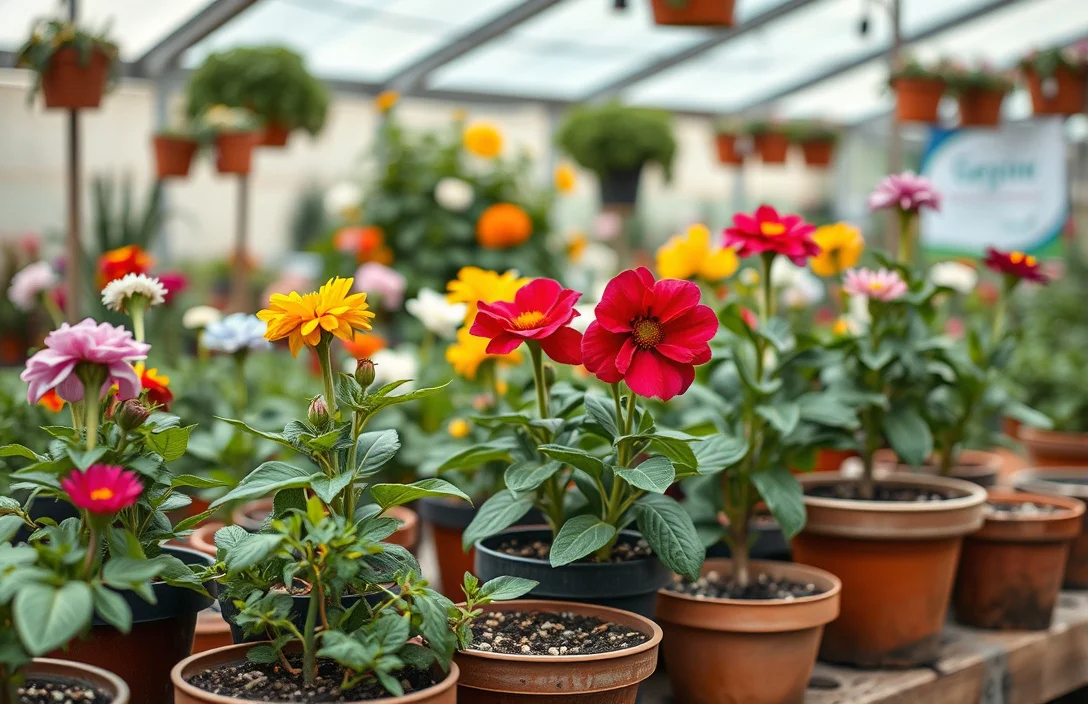
Start with the light you actually have. Most container failures come from mismatched sun – putting sun-loving flowers in deep shade guarantees weak growth and few blooms. Watch your chosen spot for at least a full day, then label it as full sun (6+ hours), partial sun, or mostly shade.
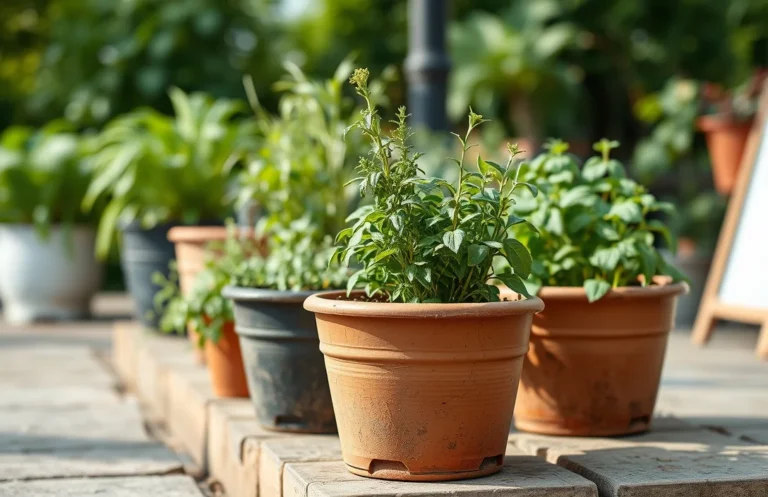
Then gather the non-negotiables: a pot with drainage holes, quality potting mix, and plants suited to your sun level. If you reuse old pots, wash them first to reduce lingering disease, and skip garden soil because it compacts and restricts root growth in containers.
Plan around one container reality: pots dry out faster than ground beds and nutrients wash out with drainage. That means more frequent watering during hot weather and regular fertilizer to keep blooms going.
Basics of how to grow flowers in pots?
Drainage determines whether your roots get enough oxygen. A pot with holes lets excess water escape, reducing root rot and the fungal problems that show up when soil stays wet too long.
Potting mix protects roots and stays workable. Use a container potting mix instead of outdoor dirt because it’s lighter, holds moisture more evenly, and drains better. If your mix is very dense, you can add perlite or vermiculite, but start with a mix labeled for containers.
Light and temperature control flowering performance. In the U.S., summer heat can scorch some flowers in afternoon sun, while cool-season annuals often stall when temperatures rise. When possible, buy plants labeled for the season you’re growing (spring, summer, fall).
how to grow flowers in pots?
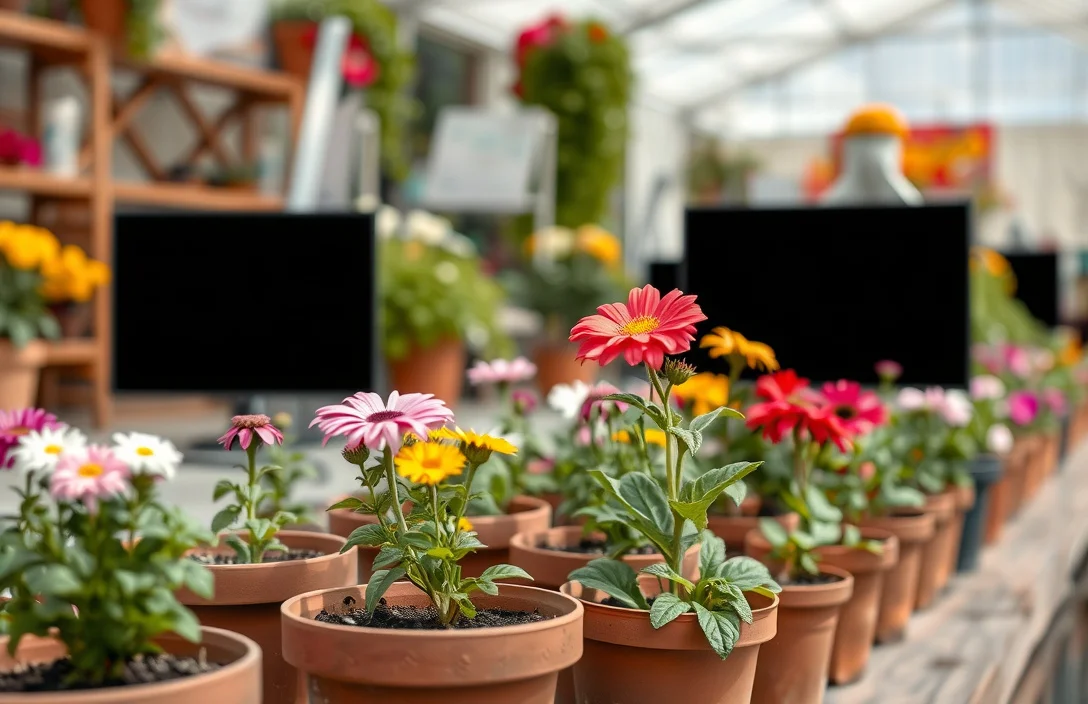
- Pick the right pot size. Match the container to the plant’s mature size. Don’t cram large bloomers into tiny pots.
- Use potting mix, not garden soil. Fill with container mix and leave a small gap at the top so water doesn’t overflow.
- Set the plant at the correct depth. Position the crown at the same level it sat in the nursery pot. Don’t bury stems.
- Water thoroughly after planting. Water until you see runoff, then let the pot drain completely before moving it to its final spot.
- Place the pot where the light matches the plant. Full-sun flowers want 6+ hours of direct sun. Partial-sun flowers need gentler light.
- Feed every 2-4 weeks during growth. Use a balanced fertilizer (or one labeled for flowering) and follow the label rate for container plants.
- Deadhead and tidy weekly. Remove spent flowers so many annuals keep blooming instead of putting energy into seed.
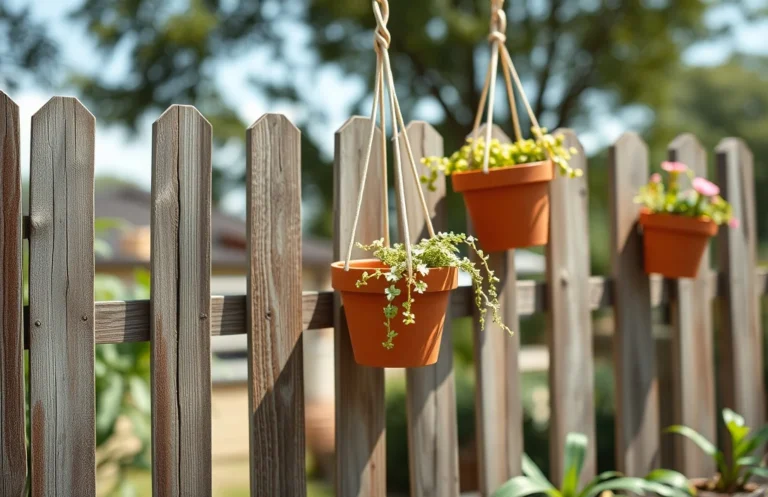
If you’re planting petunias or calibrachoa, a hanging basket or medium pot with enough soil volume matters – these plants drink more water than most people expect, so you’ll likely water daily during peak summer heat.
The easiest way to build momentum is to start with 1-2 beginner-friendly plant types that match your light level. Once you see how fast your pots dry and how plants respond to fertilizer, adding more varieties becomes straightforward.
Things that matter most
Use “deep water, then wait” instead of quick sips. The top inch rule is simple: stick a finger into the soil and water when that top inch feels dry. When you water, water thoroughly until runoff appears, then let the pot drain so roots don’t sit in water.
Group plants with similar needs. A drought-tolerant flower and a moisture-loving flower in the same pot forces a compromise – one of them will suffer. For mixed planters, match sun exposure first, then choose plants that tolerate the same watering rhythm.
Smooth out pot temperature and moisture swings. In hot climates, light-colored pots often stay cooler. A thin layer of mulch on top can reduce evaporation. In windy locations, you may need more frequent watering even if the pot isn’t in blazing sun.
Feed containers on purpose. Container flowers rely on you for nutrients because every watering sends some nutrients out through drainage. If you see lots of leaves but few blooms, increase feeding slightly or switch to a fertilizer formulation that supports flowering – still follow the label.
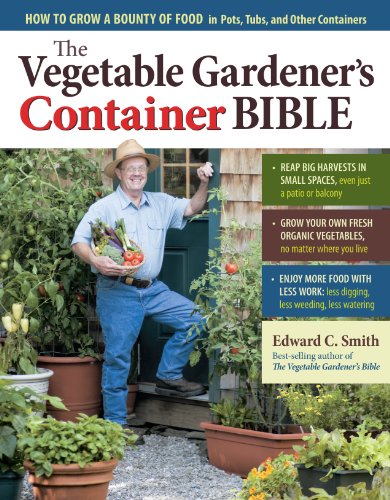
Helpful pick
The Vegetable Gardener’s Container Bible: How to Grow a Bounty of Food in Pots, Tubs, and Other Containers
Offers practical container-watering strategies and soil planning to optimize water management for potted flowers.
What works in practice
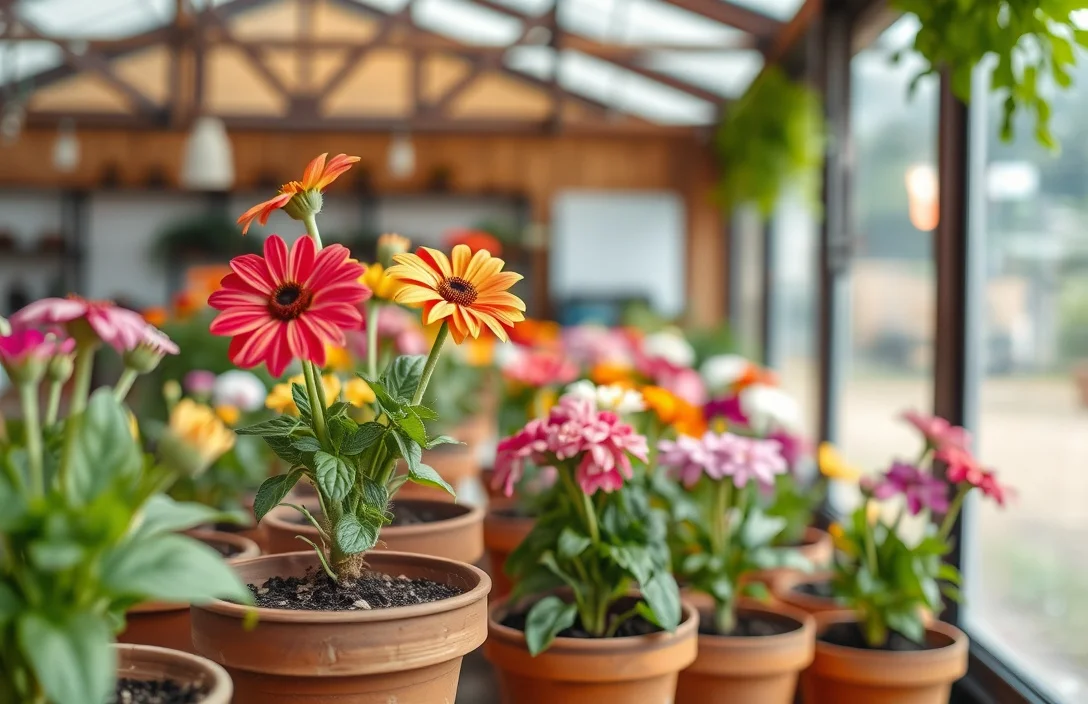
Keep the planting simple. One main plant per pot (or one “thriller” with small compatible fillers) usually beats a crowded mix where different plants compete for water and light.
Rotate for even growth. Many pots lean toward the light, especially on balconies. Give the pot a quarter-turn every week or two so stems don’t stretch unevenly.
Track soil moisture trends, not just how the surface looks. Pots can feel dry on top while staying wet deeper down. Check the top inch first. If leaves droop and the soil is wet, you’re likely overwatering, not underwatering.
Plan for seasonal light changes. A balcony that’s part sun in spring can become full sun in summer, and plants may scorch or drop blooms. Adjust pot placement or add shade cloth when temperatures climb.
Mistakes to Avoid with how to grow flowers in pots?
Overwatering kills more container flowers than anything else. When soil stays wet too long, roots lose oxygen, then foliage yellows and the plant declines – even if it looks like it needs water.
Ignore drainage holes and you invite root stress. Pots without holes, decorative liners that trap water, and saucers you keep filled all raise the risk of root problems. Empty saucers after watering if runoff collects.
Wrong pot size sabotages growth in both directions. Too-small pots dry out constantly and restrict root expansion, which leads to stunted plants and smaller flowers. Too-large pots stay wet longer than roots can handle, which can also damage plants.
Underfeeding is easy to miss because watering still keeps plants alive. Many people water regularly but skip fertilizer, then wonder why blooms fade mid-season. Heavy-blooming annuals need consistent feeding in containers.
Pro Tips for how to grow flowers in pots?
Use a moisture meter if you tend to over- or under-water. It confirms whether the top inch is truly dry and helps you lock in a watering rhythm.
Add slow-release fertilizer at planting. Controlled-release products can steady early growth, then you can follow up with liquid feeding later. Stay within label directions, especially in small pots where nutrient buildup happens faster.
Choose container-friendly plants. Some cultivars are bred to bloom continuously and handle container stress better than generic varieties. Look for labels like “container-friendly,” “spreading,” or “trailing” when matching your planter style.
Water early in the morning when you can. Morning watering gives plants time to absorb moisture before peak heat and lowers the chance of fungus from damp foliage later in the day.
If you’re growing summer annuals on a bright, windy patio, plan for two things: consistent watering and light, regular feeding. Deep watering prevents the soil from staying dry, while fertilizer replaces nutrients washed out by frequent watering.
FAQ
What size pot do I need for flowers in pots?
Choose based on the plant’s mature size, not the size you buy at the nursery. As a rough guideline, small annuals often do well in 6-8 inch pots, while larger bloomers may need 10-14 inch containers. When in doubt, go larger for less frequent drying, and always confirm there are drainage holes.
How often should I water flowers in pots?
Water when the top 1 inch of potting mix feels dry. Hot days can mean watering daily; cooler weather may stretch watering to every few days. Water thoroughly until runoff appears, then let excess drain away so roots stay moist, not waterlogged.
What’s the best soil for potted flowers in the United States?
Use a container potting mix made for flowers, not outdoor garden soil. Container mixes are lighter, drain better, and reduce compaction in pots. If your mix dries too fast, add a moisture-holding component like perlite according to product guidance.
How do I fix yellow leaves on potted flowers?
Yellow leaves usually mean too much water, too little light, or a nutrient deficiency. Check soil moisture first, then confirm the plant gets the sun it needs (many bloomers want 6+ hours). If drainage and light are correct, start feeding every 2-4 weeks and remove severely damaged leaves.
Can I grow flowers in pots without fertilizer?
You can, but blooms usually fade sooner in containers. Potting mix holds limited nutrients, and frequent watering washes nutrients out through drainage. If you skip fertilizer, expect more leaf growth than flowers and a shorter blooming season, especially with heavy-blooming annuals.
A solid next step is to match one flower type to one light level, then set up your containers with drainage holes and container potting mix. Use the top inch rule for watering, feed every 2-4 weeks, and adjust based on how quickly your pots dry in your specific weather.

- 10 Best Slow Cooker For Large Kitchens 2026 (Tested And Reviewed) - October 19, 2026
- 10 Best Slow Cooker For Small Kitchens 2026 (Tested And Reviewed) - October 18, 2026
- 10 Best Slow Cooker For Kitchen Countertop 2026 (Tested And Reviewed) - October 18, 2026