Good Flowers For Small Pots Explained Simply
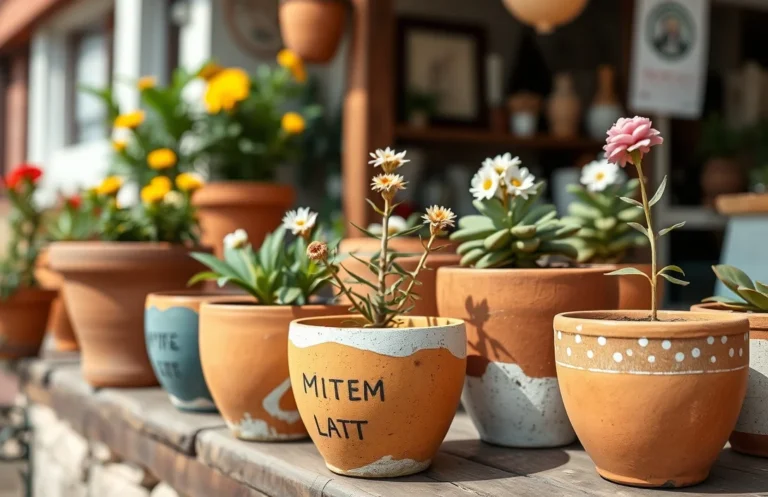
Small pots dry out fast and get crowded roots sooner than bigger planters, so “pretty” flowers can turn leggy and thirsty. Choose flowers that stay compact and handle tighter root space – especially in normal U.S. outdoor conditions. This guide pairs you with reliable options, then covers the decisions that keep them blooming: sun, watering, soil, and quick fixes.
Good flowers for small pots are compact, sun-loving plants that stay manageable in a tight root space, like petunias, calibrachoa, pansies/violas, dwarf marigolds, and many dwarf zinnias. Aim for at least 6 hours of sun for the best blooms, and use a pot that drains fast. If the pot stays wet or dries out completely between waterings, flower quality will drop.
Key Takeaways
- Pick compact growers. Choose plants labeled dwarf, patio, or compact to avoid root crowding and leggy stems.
- Aim for 6+ hours sun. Most flowering container plants bloom best with at least 6 hours of direct light.
- Use pots with drainage. One drainage hole is non-negotiable if you want fewer wilt and rot problems.
- Water by pot weight. Small pots often need daily checks in summer, especially on hot, windy patios.
- Feed for repeat blooms. Use a container fertilizer and refresh it through the growing season for consistent flowering.
- Pinch or deadhead early. Light pruning and frequent deadheading prevent lanky growth and keep flowers coming.
Good Flowers for Small Pots That Thrive
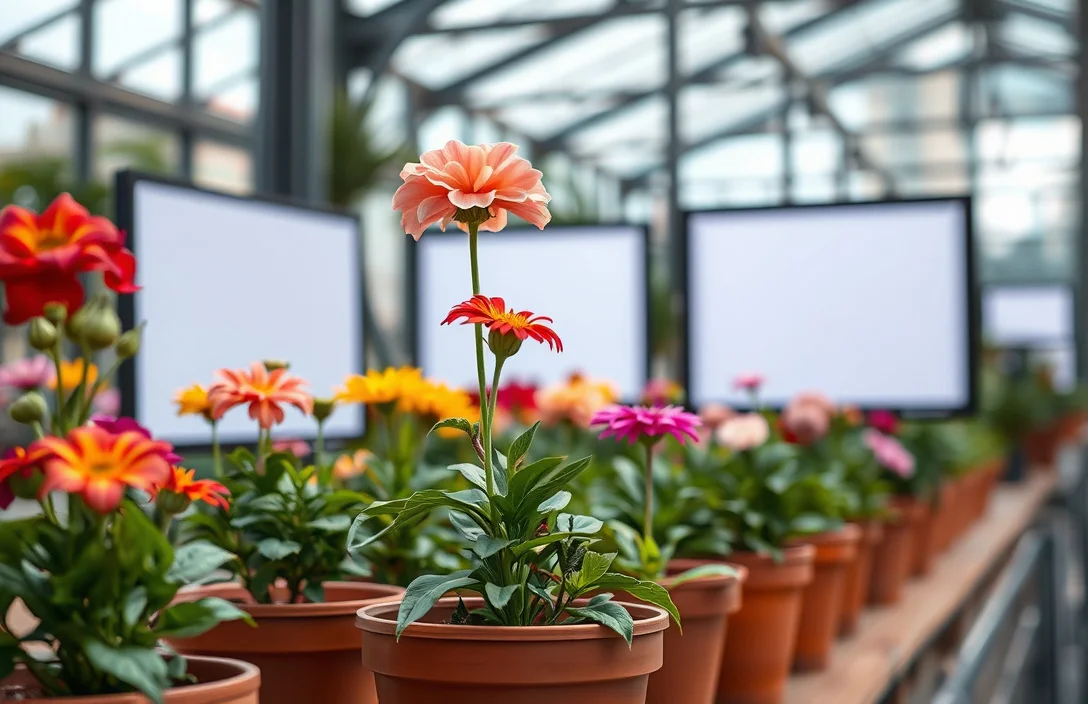
Small pots look best when the plant stays compact without constant rescue. That usually means varieties sold as dwarf, patio, compact, or trailing (fullness without height). The other half of “small” is light, because a compact plant still won’t bloom well if it can’t photosynthesize.
Use a simple checklist: roots need oxygen (so the pot drains), leaves need light (so taller plants aren’t shading it), and flowers need steady moisture and nutrients (so it doesn’t stall mid-season). When those basics are in place, small containers can stay lush for months.
Here are container-friendly options that tend to thrive in small pots across the U.S.
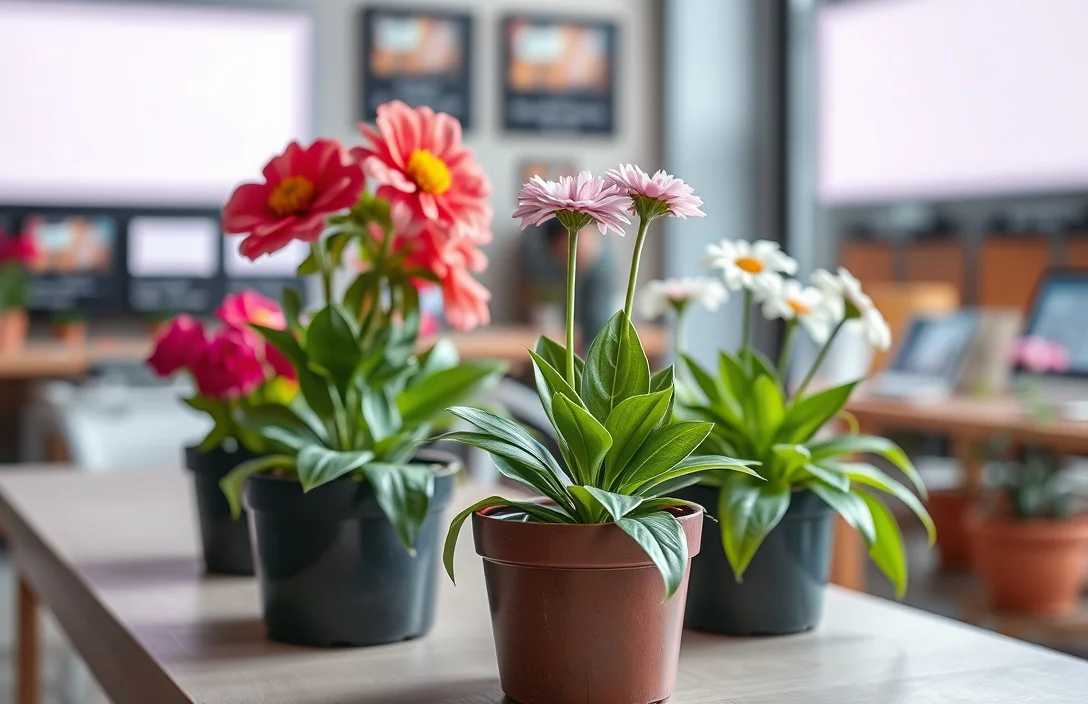
- Petunias (including wave and patio types). They fill space quickly, handle summer heat well, and respond nicely to regular deadheading.
- Calibrachoa (million bells). Petunia-like in vibe, often smaller and free-flowering, especially when you keep moisture even.
- Pansies and violas. Reliable small-space bloomers for cool weather and shoulder seasons, with tidy growth that fits shallow containers.
- Dwarf marigolds (French marigold types). Compact, easy, and they keep producing if you water consistently and remove spent blooms.
- Dwarf zinnias (space-friendly varieties). Great for sunny balconies and patios, with colorful blooms that hold up once established.
- Snapdragons (dwarf or patio selections). They can get tall in the wrong pot size, so pick smaller cultivars and support if needed.
In hot spots, the failure isn’t usually the flower. It’s the pot cycling from bone-dry to soaked – which triggers bud drop. If your summer routine can’t keep moisture steady, choose plants that don’t demand near-constant cool roots.
How Many Hours of Sun Do Small Pots Need
Most flowering container plants in small pots need at least 6 hours of direct sun to bloom reliably. Some will manage with 4 to 5 hours, but you usually trade that for fewer flowers and more stretching.
If you only have bright shade (like under a tree canopy), skip “full sun” expectations. Pick flowers that tolerate shade better instead of forcing a mismatch.
Sun also changes watering speed. More direct light means faster evaporation, which means more frequent watering and more consistent fertilizing. Two identical setups can behave wildly differently: one in full sun on a south-facing balcony, the other in partial sun on a north-facing patio.
Quick decision rule:
- 8+ hours sun: Petunias, calibrachoa, marigolds, and zinnias usually perform best.
- 6-8 hours sun: Many flowering containers work, but you’ll likely water more often.
- 4-6 hours sun: Choose shorter plants and lean on deadheading, since bloom density can drop.
- Under 4 hours: Expect fewer blooms. Focus on shade-tolerant picks and foliage-first containers.
Pay attention to morning sun vs afternoon sun. Afternoon light is stronger and can overheat small pots, especially black plastic or dark terracotta. A lighter pot, a bit of afternoon relief, or consistent watering prevents the “hot then dry” pattern that kills buds.
Best Flowers for Tiny Containers By Light
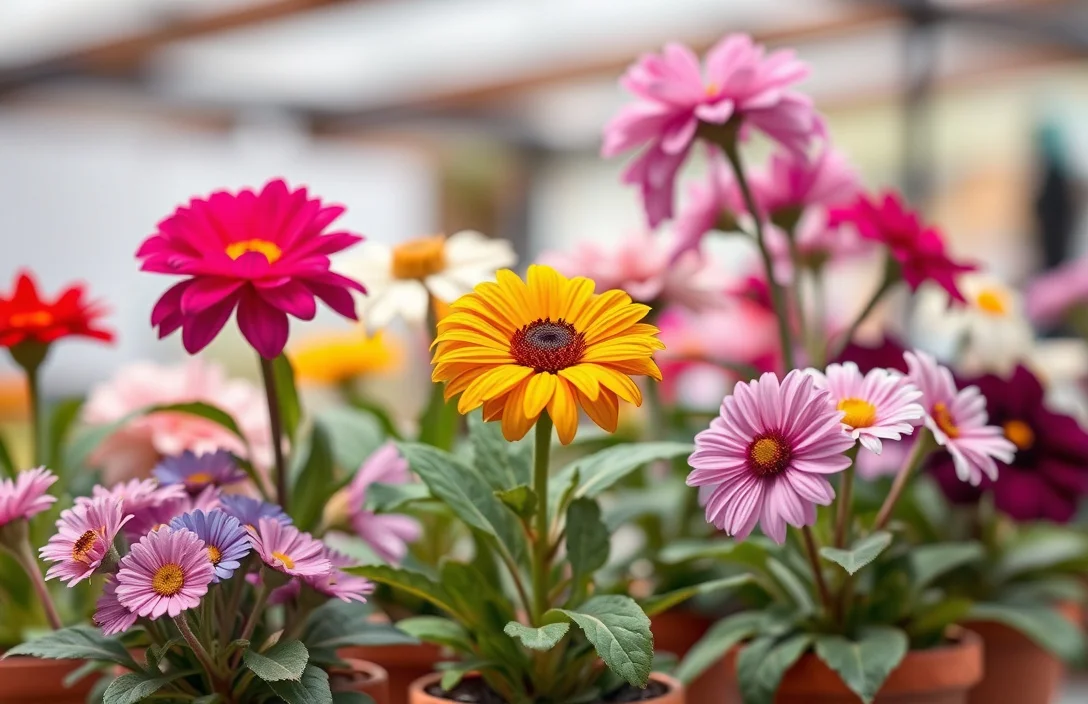
Tiny containers (about 4 to 6 inches wide) punish poor light more than most people expect. In bright light, small pots look amazing and stay full because the plant keeps producing energy for new blooms. In dimmer spots, the same pot encourages leggy growth because the plant stretches for light.
These picks match light levels, with one constant: tiny pots dry quickly either way.
Bright sun (about 8+ hours)
- Petunias (patio/dwarf types).
- Calibrachoa.
- Dwarf marigolds.
- Dwarf zinnias (best when started earlier or fed well).
Sun to partial sun (about 6-8 hours)
- Most patio petunias.
- Violas/pansies for cool-season bloom.
- Snapdragons (dwarf/patio) if you keep up with watering.
Partial shade (about 4-6 hours)
- Violas/pansies (cool seasons), and choose more compact varieties.
- Plants marketed as shade-tolerant (if you already have them, they can work, but blooms will be fewer than full sun).
Bright shade (less direct sun)
Bright shade rarely gives “maximum bloom” in tiny pots. You’ll still get a good look with compact plants and regular upkeep, but treat it like foliage with some blooms instead of an all-flower display.
Before committing, I recommend a quick test: place your first pot where you think it will get the most light, then check it after a week. Stretching stems or smaller, darker leaves are signals the light is too weak for heavy blooming.
Dwarf and Compact Flower Options for Pots
Compact flowers are the difference between a “cute container” and a plant that takes over your porch. If you buy a tall variety and try to control it with pruning alone, you often get stress, fewer blooms, and a container that needs constant attention.
When you shop, look for labels like dwarf, patio, compact, miniature, or low-growing. Those words mean the plant was bred or selected to stay shorter and branch more instead of shooting upward.
Great compact options for small pots include:
- Pansies and violas (naturally low and tidy).
- French marigolds in dwarf selections.
- Patio petunias and calibrachoa, which trail or spread instead of growing tall.
- Dwarf snapdragons for cool seasons.
- Dwarf zinnias if you get consistent sun and can keep up with feeding.
For a fuller look in a very small pot, favor plants that branch or trail. Trailing types spill over the rim and add volume without height, making the planter feel bigger than it is.
A practical shortcut: in tiny containers, one plant can look sparse. Pair a compact “center” plant (like a dwarf marigold or small snapdragon) with a trailing petunia or calibrachoa for a balanced shape that won’t need staking.

Helpful pick
200pcs Lisianthus Seeds Mix- Premium Cut Flower Seeds for Bouquets, Garden Borders & Containers, Long Blooming Elegant Flowers, Attracts Butterflies, Beginner-Friendly with Planting Guide
Gives container-friendly lisianthus seeds that stay compact in pots, reducing maintenance while boosting blooms.
Watering Rules for Small Pots and Flower Health
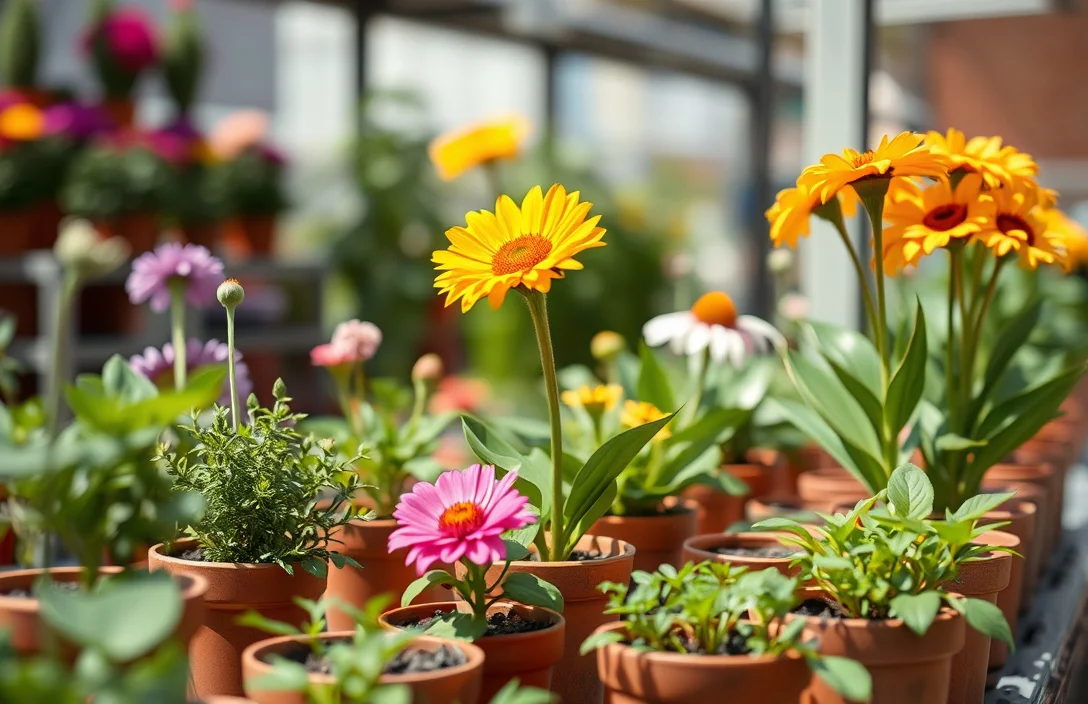
Small pots fail from two extremes: staying too wet or drying too fast. Wet soil stresses roots and increases rot risk. Dry soil causes bud drop and crispy edges. The goal is steady moisture – not constant standing water, and not full dry-outs.
Use a simple rule you can keep: water when the top 1 inch of potting mix feels dry. In warm months, that can mean daily checking, sometimes even twice a day on hot, windy patios. The plant doesn’t follow your calendar. It follows root moisture.
Watering method that works:
- Water deeply until you see runoff. That moisturizes the whole root ball, not just the surface.
- Empty saucers and trays. If the pot sits in runoff, roots lose oxygen.
- Water earlier in the day when possible. It reduces evaporation loss and helps leaves dry out faster if they get splashed.
Pot material matters. Terracotta dries faster because it breathes. Plastic holds moisture longer, so you’ll water less often. Same plant, different schedule.
For nonstop bloomers (petunias, calibrachoa), uneven watering is a common reason buds stop. If the plant dries out and then gets soaked, it may shift into survival mode instead of flowering mode. Consistency matters more than how much water you dump at once.

Helpful pick
Sabary 12 Pack Large Size 6.3 Inch Floral Foam Round Bowls for Flower Arrangements Round Floral Supplies Flower Foam with Bowl Kit with Floral Foam Blocks for Table Party Wedding Festival Flower
Floral foam keeps stems hydrated by absorbing and slowly releasing water, supporting steady moisture in small pots.
Soil Mix and Drainage Requirements for Blooming
Small pots need soil that holds enough moisture to avoid dry swings but drains fast enough for oxygen at the roots. Garden soil in containers often compacts and drains poorly, which leads to limp plants and stalled blooming.
A good container mix is usually:
- Light and airy (not heavy or muddy).
- Moisture-retentive without staying soggy.
- Drainage-friendly so you get runoff within a reasonable time after watering.
Potting mixes made for containers work better than “topsoil.” I avoid mixes that turn into a dense brick once they’re wet. If your mix is very fine and drains slowly, stir in a chunkier component (like perlite or coarse material) so water moves through instead of pooling.
Drainage is your safety net. Every small pot needs a drainage hole, and your setup should not trap water at the bottom. Use a decorative cachepot by keeping the nursery pot inside, watering it, draining completely, then returning the pot after excess water runs out.
Blooming depends on nutrients too. Even the best mix gets depleted in small volumes because roots use what’s available and watering leaches nutrients away. Fertilizer helps, but it only works when water can move through the mix and reach the roots consistently.

Helpful pick
Memorial Floral Vases, Cemetery Vase, Headstones Flower Holder, Grave Cone Vase, Flower Pots for Outdoor Plants, Decorative Plastic Containers (Set of 6, Gray)
Provides a small, practical pot option that accommodates proper drainage and airflow for healthy blooms.
How to Prevent Leggy Growth in Small Pots
Leggy growth usually means one thing: the plant isn’t getting enough light or it’s under stress. In small containers, the most common triggers are low sun and a watering/fertilizer routine that doesn’t support steady growth.
If your plant stretches toward light, fix the light first. Rotate the pot every few days, especially if you’re indoors near a window or outdoors where sun hits at an angle. Also keep taller plants from shading it, because shading is amplified in a tiny pot.
Then tighten up pruning and timing:
- Deadhead regularly so energy goes to new blooms, not seed or dying flowers.
- Pinch or trim early when stems start getting too long. Early pruning pushes branching and keeps the pot looking fuller.
- Don’t wait until it’s out of control. Once stems get very long, small plants rebound slower.
Nutrition gaps can also create legginess. If buds stall and leaves fade, you may be underfeeding. Container fertilizer helps because small pots run out of nutrients faster than in-ground beds.
I’d skip the “staked but lopsided” approach. You get better results by pairing a light fix (more sun or better placement) with a plant fix (pinch and deadhead).
If you’re unsure what’s causing it, check quickly: are there fewer flowers than expected, and are stems reaching toward one direction? That pattern usually points to light. Weak, uneven growth with pale leaves often points to watering or feeding issues.
FAQ
What are the easiest flowers for small pots in the U.S.?
The easiest choices are usually compact, sun-loving bloomers like patio petunias, calibrachoa (million bells), dwarf marigolds, and violas/pansies for cooler weather. Look for plants labeled dwarf or patio, use potting mix (not garden soil), and make sure the pot has a drainage hole. If you only fix one thing, do drainage plus consistent watering.
How often should I water small pots with flowers?
Check the top 1 inch of soil daily in warm weather. Water when that top layer feels dry, and water deeply until you see runoff, then drain any saucer. In summer, tiny pots can need watering once a day or more, while cooler seasons may drop to every few days.
Can I grow flowers in 4-inch pots?
Yes, but you need tighter control of light, watering, and feeding. 4-inch pots dry out quickly and nutrient levels drop fast, so choose compact plants like violas/pansies, dwarf marigolds, or small patio petunias. Expect more frequent maintenance. Make sure the pot drains well, or root problems become much more likely.
How do I stop flowers from getting leggy in small containers?
Increase light first, then manage shape with deadheading and early pinching. Leggy stems often mean the plant is stretching for sun, especially if it’s leaning toward one side. If it still stretches after changing placement, review watering consistency and use container fertilizer because small pots run out of nutrients quickly.
What’s the most common mistake with small-pot flowers?
Letting watering swing wildly is the biggest one. Overwatering without drainage can rot roots, while letting the pot fully dry out can trigger bud drop and weak growth. The best prevention is a pot with a drainage hole, watering based on the top 1 inch of mix, and removing any standing water from trays.
Small pots can absolutely look like “real flowers.” You just need the right match: compact plants for compact space, a fast-draining container mix, and daily soil checks for the first week. Once it thrives, add a second plant for a fuller display without turning your pot into a leggy mess.

- 10 Best Slow Cooker For Slow Cooking Oxtail 2026 (Tested And Reviewed) - October 16, 2026
- 10 Best Slow Cooker For Slow Cooking Venison 2026 (Tested And Reviewed) - October 16, 2026
- 10 Best Slow Cooker For Slow Cooking Turkey 2026 (Tested And Reviewed) - October 16, 2026