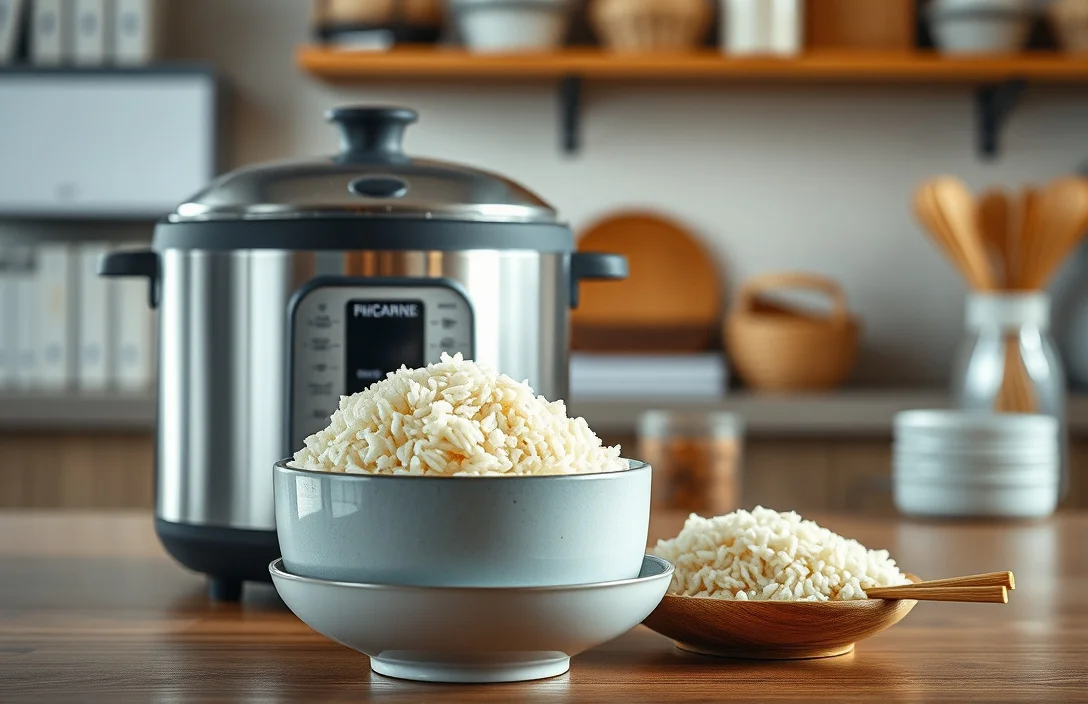
Rice Cooker And Brown Rice Compared
Brown rice is forgiving, but it takes longer to cook than white rice, and it’s easy to end up with chewy or dry grains. A rice cooker fixes the “stove babysitting” problem and makes brown rice turn out repeatably. This guide helps you pick the right setting, estimate cook time, and correct the most common texture issues.
Most rice cookers need about 50 to 60 minutes on a brown rice program, followed by a 5 to 10 minute rest before fluffing. Start with a 2:1 water-to-rice ratio (water:rice), then adjust slightly based on your cooker and the brand of brown rice.
Key Takeaways
- Use the right ratio. Start with 2:1 water-to-rice for brown rice, then fine-tune after one batch.
- Plan for longer time. Brown rice commonly takes 50 to 60 minutes in controlled methods and many cookers.
- Rest before fluffing. Let rice sit 5 to 10 minutes to firm up and improve texture.
- Rinse if you want less stick. Rinsing reduces surface starch for lighter, less clumpy grains.
- Choose by your habits. If you want hands-off consistency, a rice cooker is worth it.
- Expect minor tweaks. Different rice and cooker heat cycles mean small adjustments are normal.
What to Know About Rice Cooker and Brown Rice
Brown rice keeps the bran layer, so it absorbs water more slowly than white rice and needs steady, predictable heat. Rice cookers handle that automatically by holding temperature and timing without you constantly checking the pot.
The practical difference is simple: brown rice works better when you avoid interruption. On the stove, you open the lid, adjust heat, and sometimes add water late. In a cooker, the process is mostly water, steady heat, and controlled steam – you still need the right ratio and a rest, but you aren’t managing a burner minute by minute.
Brown rice comes down to three controls you actually have: your water-to-rice ratio, your cooker’s real heat cycle, and a short rest after cooking. Nail those, and brown rice becomes a dependable base for bowls, stir-fries, and meal prep instead of a side dish that’s “great when it works.”
Things that matter most
Your main choice is whether you want plug-in reliability or active texture management on the stove. A rice cooker gives repeatable brown rice with minimal effort, but you still need a sensible starting ratio and the right program.
For water planning, use the 2:1 water-to-rice ratio as your baseline. It’s a strong starting point because under-measuring water is the most common reason brown rice ends up crunchy in the center.
Timing matters next. Brown rice typically takes 50 to 60 minutes in controlled cooking instructions (like oven methods), and many rice cookers’ brown rice programs aim for similar real-world results. If your display shows less time, let the rest period do the final texture work instead of trusting the number alone.
Finally, don’t treat resting like an optional step. Let cooked rice rest 5 to 10 minutes before serving, then fluff with a fork. Resting helps moisture redistribute and gives grains a chance to finish hydrating, which reduces “dry top, wet bottom” batches.
Tips for Rice Cooker and Brown Rice
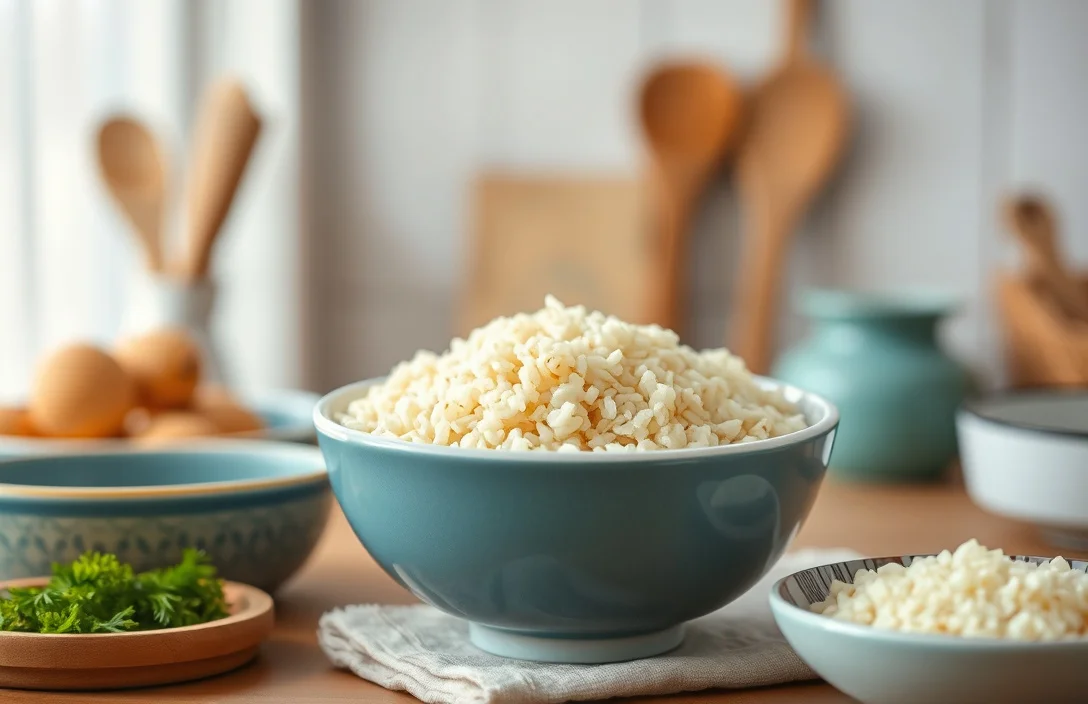
Treat your first cook like calibration. Measure your rice and water, choose the brown rice program if your cooker has one, and don’t open the lid during cooking. For the first batch, rinse only if you want less stickiness. Otherwise, skip it and accept a more cohesive texture.
Use the rest window as your texture lever. If brown rice is a little firm, let it stay on warm for a short period after cooking, and if it’s slightly undercooked, rest an extra 5 minutes before fluffing. If it’s done but a bit wet, fluff sooner after the rest since extra surface steam can make rice feel heavier and more clumpy.
These troubleshooting fixes work across brands:
- Fix crunchy centers. Add a small splash of hot water, cover, and let it sit 5 to 10 minutes (use the cooker’s keep-warm).
- Fix dry, separate grains. Keep the rest closer to 10 minutes, then fluff gently.
- Fix gummy clumps. Rinse brown rice, and reduce water slightly next time (for example, subtract 1 to 2 tablespoons per cup of dry rice).
- Fix uneven batches. Clean the inner pot and make sure it’s seated correctly, and don’t exceed your cooker’s max fill line.
- Fix bland rice. Cook in broth instead of water, or add salt to the cooking liquid (measure once and repeat).
Brown rice also varies by bag. Some include broken grains or have different aging, which changes absorption. The goal isn’t “perfect set-and-forget forever.” The goal is to learn your small adjustments, then repeat what works.
Benefits of Rice Cooker and Brown Rice
The biggest benefit is reliability with less attention. Brown rice takes longer than white rice, and that longer cook time makes stovetop timing harder without experience. A rice cooker keeps heat steady and helps prevent “burned on the bottom while the center is still underdone.”
Rice cookers also make meal planning easier. Brown rice holds warm heat better than most people expect, and the built-in rest period gives consistent texture for portions you’ll reheat later.
There’s a texture benefit you feel immediately: the rest time is built into the process. When you follow the 5 to 10 minute rest, grains finish hydrating and feel less crunchy, even if your water ratio is slightly off. That makes brown rice more forgiving and reduces the frustration cost of cooking whole grains.
Finally, a rice cooker reduces kitchen friction. Start the batch, handle the rest of your meal, and skip standing over a pot. If you cook rice more than a couple times a month, the time savings and repeatability add up quickly.

Helpful pick
Cosori Rice Cooker 10 Cup, 24h Keep Warm, Non-stick Ceramic Inner Pot, 18 Functions Fuzzy Logic Rice Maker with Stainless Steel Steamer Basket, Sauté, Slow Cooker, Black
Offers steady heat and programmable settings to reliably cook brown rice without constant supervision.
Options for Rice Cooker and Brown Rice
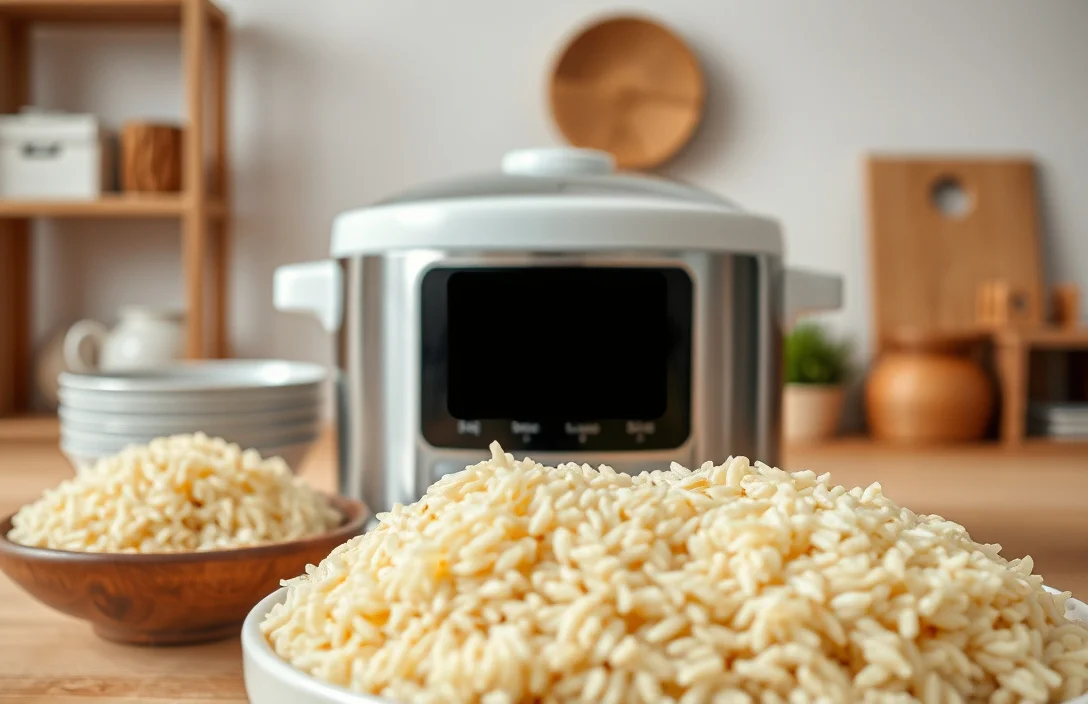
Three options guide your results: the cooker type, the rice type, and whether you use stove or cooker cooking. You can cook brown rice on the stove, but a rice cooker is the obvious upgrade when you want repeatability. If you want variety, oven methods can work with similar ratio and timing guidance, but the rice cooker remains the low-effort choice for everyday cooking.
When you shop or set up your cooker, look for programs that explicitly mention brown rice or “whole grain.” A keep-warm function is useful for the 5 to 10 minute rest and for small undercooking fixes. A delay timer helps for weekdays, but you still need to avoid letting dry rice sit in water too long before cooking starts.
Rice choice affects results more than most people expect. Different varieties and processing levels change how brown rice behaves. Even within “brown rice,” grain size and how quickly water penetrates the bran can vary. If you consistently use the same bag, your ratios become more dependable because your absorption pattern stays predictable.
| Option | Key Spec / Practical Detail | Best For |
|---|---|---|
| Basic rice cooker | Simple cook cycle + keep-warm | Most households making brown rice weekly |
| “Whole grain” / brown rice setting cooker | Dedicated program targets longer cook + rest | People who want repeatable texture with minimal tweaking |
| Multi-cooker (rice + slow cook/steam) | More modes, more knobs | Families cooking different grains and meals in one device |
| Stovetop method | Requires active monitoring and lid management | Budget-first cooking, cooking occasional batches |
| Oven method (controlled) | Uses ratio guidance like 2:1 and targets 50 to 60 minutes | When you want stove-free cooking without buying a cooker |
My verdict: if brown rice is becoming a regular habit, use a rice cooker with a brown rice or whole grain mode. If you already own a basic cooker, you can still get excellent results, but you’ll rely more on your ratio and rest timing.

Helpful pick
AROMA Digital Rice Cooker, 4-Cup (Uncooked) / 8-Cup (Cooked), Steamer, Grain Cooker, Multicooker, 2 Qt, Stainless Steel Exterior, ARC-914SBD
Digital controls and multiple modes support different rice types and cooking methods for brown rice.
Expert Advice on Rice Cooker and Brown Rice
Stop chasing the perfect “exact minute” and focus on texture. Cooker temperature behavior and rice absorption can shift results slightly, so tenderness matters more than the screen timer.
Use the 2:1 water-to-rice ratio as your baseline, and measure water the same way every time. Cup marks on the inner pot can be close, but real measuring cups reduce variability. Use the brown rice setting if you have it. If your cooker doesn’t, pick the closest longer-grain cycle you can find, then rely on the rest period to finish hydration.
Rest is part of cooking, not a finishing touch. Let the rice sit for 5 to 10 minutes before fluffing. Skipping it often leaves grains that feel underdone even when the cooker “finished.” Fluff too early and you trap steam, which can leave moisture uneven.
If your rice is consistently off, adjust one variable at a time. Add a little more water for crunchy centers, and reduce water for gummy results. If you rinse sometimes and don’t rinse other times, you make debugging harder, since rinsing changes texture.
Don’t store rice hot for too long. Cool quickly, store promptly, and reheat to a safe temperature. A rice cooker can make portioning easier, but it doesn’t replace food-safety habits.

Helpful pick
Aroma Housewares 8-Cup (Cooked) (4-Cup UNCOOKED) Digital Rice Cooker and Food Steamer (ARC-914D),White
Digital controls with a practical rice mode help dial texture, without chasing exact minutes.
Examples: Rice Cooker and Brown Rice
Example one: you want simple meal-prep rice for bowls. Measure dry brown rice, start with the 2:1 water-to-rice ratio, choose the brown rice program, and don’t open the lid. When cooking ends, let it rest 5 to 10 minutes, then fluff. Portion into containers for stir-fries, curry, or shawarma-style bowls that reheat well.
Example two: brown rice turned out chewy before. The most common causes are too little water and skipping the rest. Next time, keep water at the 2:1 baseline, increase rest toward the top of the range, and fluff. If the center is still firm, add a small splash of hot water, let it sit 5 to 10 minutes on keep-warm, then fluff again.
Example three: you want a faster dinner without thinking too hard. Some rice recipes can be ready in 10 to 20 minutes for cooked-rice applications, but that usually assumes the rice is already cooked. Cook brown rice earlier in the day, then build your bowl in under 20 minutes using the cooked grains. Separating “hard part” from “quick part” is what makes brown rice fit a weeknight schedule.
Example four: you want oven-free alternatives. If you skip the rice cooker for a batch, controlled oven guidance suggests 2:1 ratio plus 50 to 60 minutes at 350°F for brown rice, followed by fluffing once done. The point isn’t that oven beats a cooker. It’s that brown rice responds well to controlled heat and measured water either way.
FAQ
Can I use a rice cooker for brown rice without rinsing?
Yes. Many people rinse because it reduces surface starch and can make grains less clumpy, but brown rice cooks correctly without rinsing when you use a consistent 2:1 water-to-rice ratio and allow the 5 to 10 minute rest before fluffing. If it turns out gummy, rinse next time.
How long does brown rice take in a rice cooker?
Most brown rice needs roughly 50 to 60 minutes under controlled cooking guidance, and many rice cookers’ brown rice or whole grain programs target similar results. Your cooker’s time can vary, so judge by tenderness after the 5 to 10 minute rest, not the screen timer alone.
Is brown rice safe to keep warm in the rice cooker?
Yes, as long as you follow your cooker’s keep-warm limits and don’t let rice sit too long. Keep-warm supports the 5 to 10 minute rest and short holding time, but cool and store leftovers promptly if you’re cooking for later. When in doubt, cool quickly and refrigerate.
What water-to-rice ratio should I use?
Use 2:1 water-to-rice as your starting point for brown rice in most controlled methods. Measure rice dry, then measure water the same way each time. If your rice is consistently too firm, add a little more water next batch. If it’s consistently too soft or gummy, reduce slightly.
Why does my brown rice turn out mushy or gummy?
Mushiness usually comes from too much water or from rushing the rest/fluff step. Start near 2:1, then let the rice rest 5 to 10 minutes before fluffing. Also avoid leaving it on warm for a very long time after cooking ends, since continued steam can soften grains further.

- 10 Best Slow Cooker For Slow Cooking Legumes 2026 (Tested And Reviewed) - October 17, 2026
- 10 Best Slow Cooker For Slow Cooking Oxtail 2026 (Tested And Reviewed) - October 16, 2026
- 10 Best Slow Cooker For Slow Cooking Venison 2026 (Tested And Reviewed) - October 16, 2026