Steaming In A Rice Cooker Explained Simply
Yes. Steam cooking in a rice cooker works like a traditional steamer: boiling water becomes steam, and the food cooks as steam condenses on its surface. Keep food above the waterline in a basket or tray, don’t pack it tight, and expect most items to finish in about 10-20 minutes – with denser foods like chicken pieces closer to 20-30 minutes.
Steam quality depends on your setup. Start with hot water if you can, watch the water level so the cooker doesn’t switch into a lower-power mode, and use a loose cover or quick lid checks if condensation is dripping onto delicate foods.
Key Takeaways
- Use the steam basket. Food should sit above the water so steam cooks it without boiling in liquid.
- Start with hot water. Adding hot or filling to the marked level helps you reach steam faster.
- Don’t overcrowd. Leave spacing so steam circulates and timing stays consistent.
- Time by density. Leafy greens are fast, dumplings and fish are mid-range, meat takes longer.
- Watch water level. If water runs low, steam quality drops and food cooks unevenly.
- Vent for better texture. A loose lid and quick checks prevent condensation drips on delicate foods.
What to Know About Steaming in a Rice Cooker
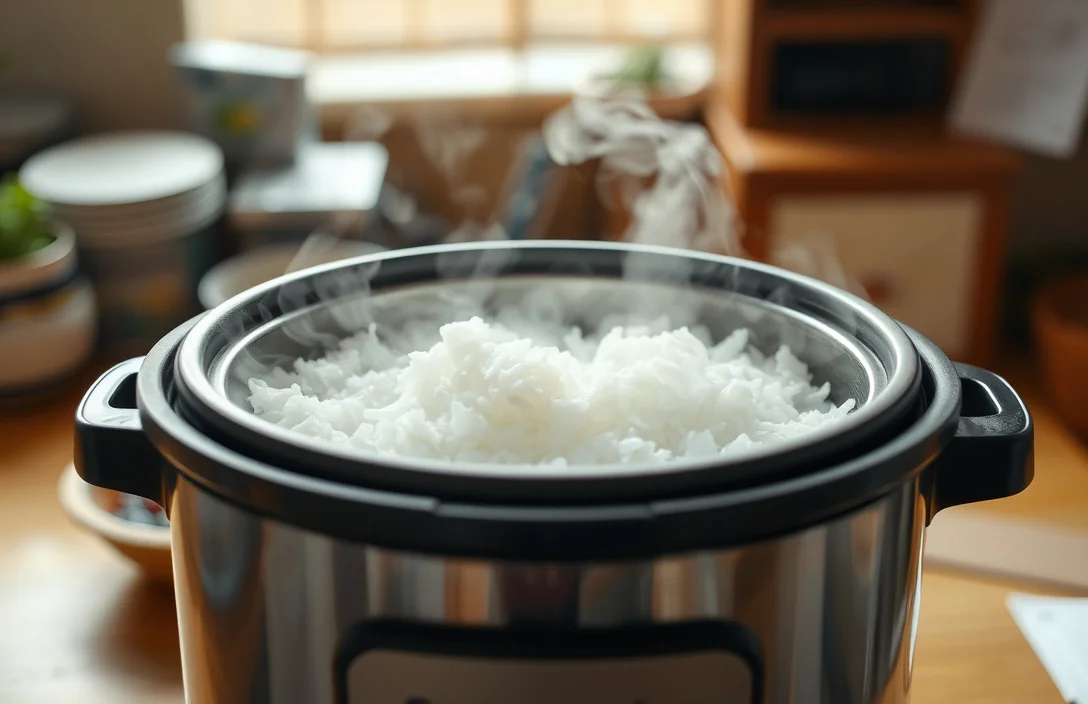
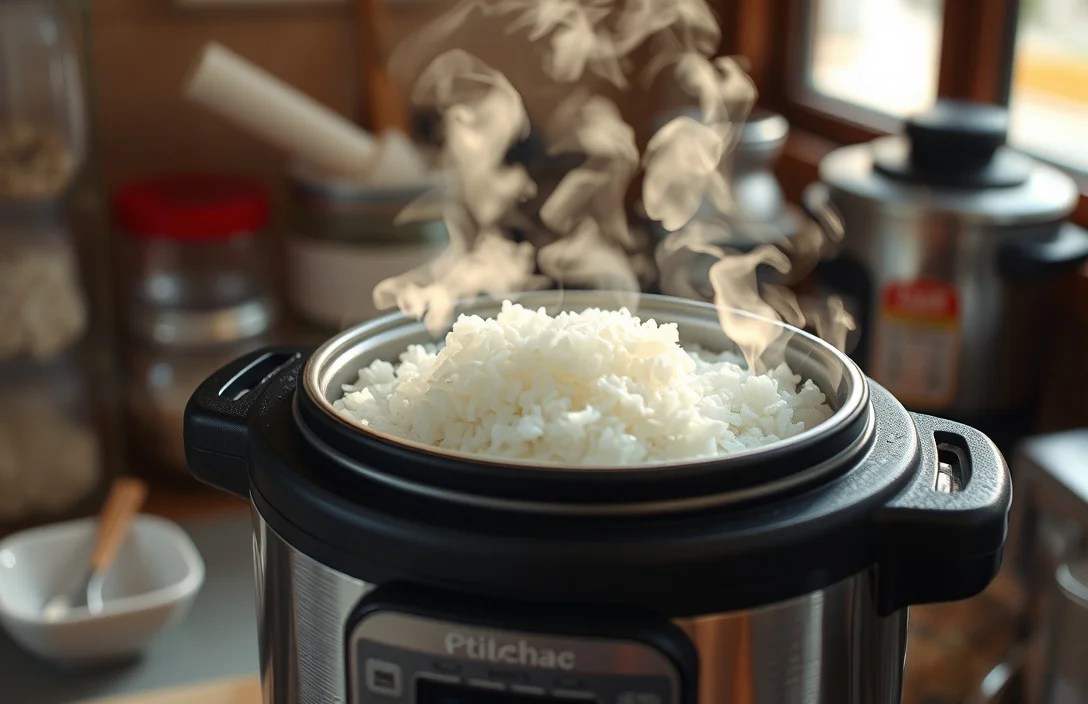
Steaming in a rice cooker works because steam transfers heat efficiently and keeps contact with food as it condenses. In this method, food heats from steam rather than submerging in boiling water, and the condensate drains away instead of pooling around it. That’s why steamed food usually comes out moist and tender instead of waterlogged.
The rice cooker part is what makes the process consistent. Most rice cookers heat a pot and then switch to a warmer mode when rice finishes, and that heat pattern can work for steaming as long as you have enough water and your food stays elevated. If your cooker has a “steam” function, use it – that mode usually holds power steadier than improvising with regular “cook.”
Think of it as a small steaming chamber: water at the bottom, steam rising, and a basket or rack holding food above the waterline. If the food touches the water, you’ve moved from steaming to poaching – and timing and texture will shift.
Things that matter most
Steam needs three things to stay consistent: elevation, water level, and spacing. Keep food on the steamer rack or the steaming tray so steam can circulate around it. If you stack or pack food too tightly, steam has a harder time moving through, and you’ll see uneven doneness.
Water level controls steam strength. Fill to the minimum line that keeps the unit safe, then add a little extra if you’re steaming longer than typical rice cooking cycles. When water runs low mid-steam, steam can get weaker or the cooker may drop into a lower-power mode, and the last third of your food will lag behind.
Doneness depends on how thick the food is, not how much you weighed it. Steaming cooks by surface contact and moisture retention, so heat still needs time to travel through thickness. Two batches of the same ingredient can finish at different times if one is thicker, starts colder, or sits layered instead of spread out.
Use this setup checklist every time:
- Use a rack or basket. Keep food above the waterline.
- Leave space between items. A single layer steams more evenly.
- Cover loosely if needed. A tight lid increases condensation; a loose cover reduces drips.
- Check partway through. Stir or rotate if you’re steaming multiple layers.
- Finish with resting. Give delicate foods 2-3 minutes before serving so heat evens out.
Tips for Steaming in a Rice Cooker
Most rice-cooker steaming issues come down to steam management, especially overcrowding. When you crowd the basket, steam circulation slows, and pieces that should finish together end up at different stages.
Condensation drips cause another common problem. Steam forms condensate on cooler surfaces, and those drops can land on foods like fish or thin vegetables. If condensation is falling onto the food, crack the lid slightly (if your cooker allows it) or use a small venting gap so drips don’t pool on delicate items.
Start with hot water when you can. It shortens the time to reach a true steaming boil, so your total cook time becomes more predictable. Frozen ingredients need extra time too, because the cooker reheats the mass before surface cooking really kicks in.

Helpful pick
Angoily Rice Cooker Steamer Basket, 3L 5L Plastic Steam Rack Insert for 8.85″ Cooker Pot, 2Pcs Round Food Tray, Round Steaming Accessories, Veggie Rack Cooking Utensils, Buns Dumplings Kitchen Gadgets
Separates foods and improves steam flow inside the rice cooker, reducing overcrowding and even cooking.
Use these timing anchors, then adjust based on your cooker and thickness:
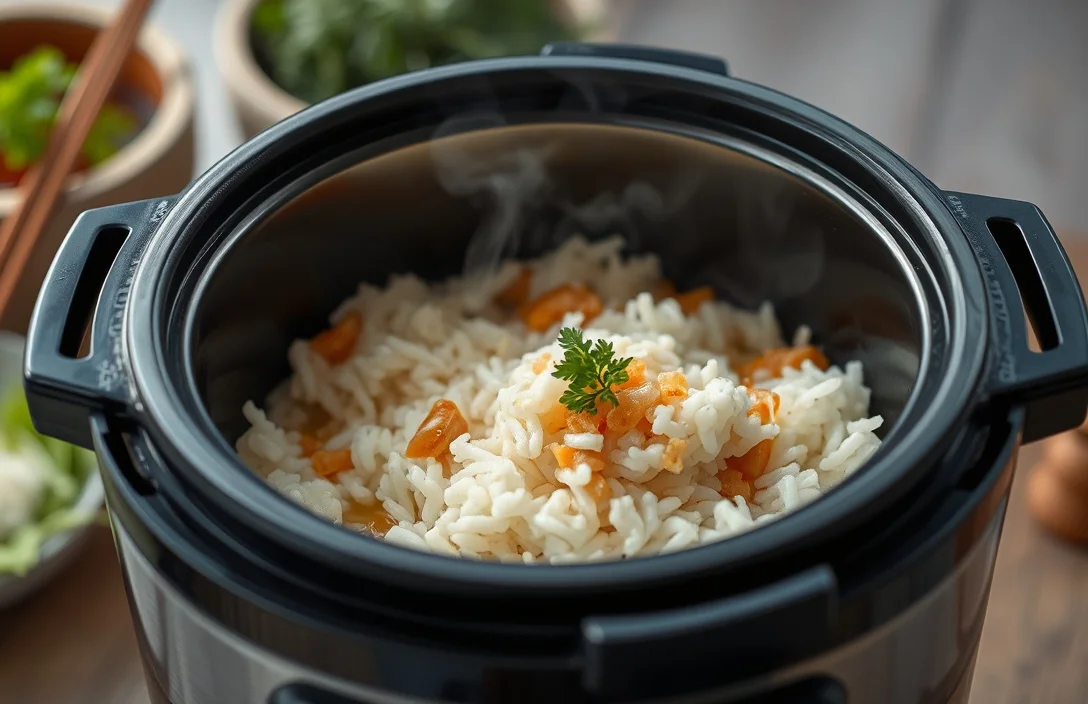
- Leafy greens (stems sliced thin). Often done in about 6-10 minutes.
- Fresh dumplings. Often done in about 10-15 minutes.
- Fish fillets (1-inch thick). Often done in about 12-18 minutes.
- Chicken pieces (bite-size). Often done in about 20-25 minutes.
- Carrots, broccoli florets, mixed veg. Often done in about 10-20 minutes depending on cut size.
Don’t guess on meat. Steaming is gentle, but you still need safe internal temperature. If you have a thermometer, use it. If you don’t, cut the thickest piece and check that it isn’t translucent and that the juices run clear.

Helpful pick
AROMA® CoreCoat Rice Cooker with Pop-Up Food Steaming Basket (4 Cups Cooked, 2 Cups Uncooked, 1 Qt)
Its built-in steam basket lets you time veggies, dumplings, and fish consistently inside a rice cooker.
Benefits of Steaming in a Rice Cooker
Steaming is less messy and more hands-off than boiling. It’s also gentler than many high-heat methods, so you typically get better moisture retention and a softer texture without the “water boiled away” effect.
It’s also flexible. A rice cooker can steam vegetables while warming rice, and you can steam dumplings while you finish a quick sauce. The workflow stays simple: set up the rack, load food, start steaming, then season when everything’s hot.
Steaming helps you control flavor too. Since food cooks without water contact, toppings and seasoning tend to stay where you put them rather than diluting into cooking water. For more aroma, add aromatics to the water (like ginger slices) so the steam carries scent through – then season at the end for brighter results.
Consistency is another advantage. Traditional steamers require careful water management and attention, while a rice cooker handles heat control automatically and keeps the pot lid in place to maintain steam.

Helpful pick
Aroma Housewares ARC-363-1NGB 3 Uncooked/6 Cups Cooked Rice Cooker, Steamer, Multicooker, 2-6 cups, Black
Integrates steaming directly with rice cooking, preserving moisture and texture while keeping cleanup minimal.
Options for Steaming in a Rice Cooker
Your setup determines how evenly food cooks. Most home cooks can choose among four “steam chamber” approaches, each with a different trade-off.
1) Dedicated steaming tray (best fit). Many rice cookers include a metal or plastic steaming tray. It’s the easiest option because it keeps food above the waterline and matches your cooker’s lid clearance.
2) Bamboo steamer or stackable steamer (best for large batches). If you already own bamboo steamers, use one as long as the bottom basket doesn’t dip into the water. Bamboo heats more slowly than metal, so add a few minutes to fully steam through.
3) Silicone steamer insert or mesh basket (best for small portions). Great for single servings and quick vegetables. Make sure the mesh doesn’t sag and touch the water as it heats.
4) Improvised steaming setup (use carefully). A small rack above the water can work, but it changes steam efficiency if the lid doesn’t seal well or if steam escapes around the edges.
| Option | Key Spec / Fit | Best For | Main Trade-off |
|---|---|---|---|
| Built-in steaming tray | Locks into rice cooker geometry | Weeknight veggies, dumplings, fish | Capacity may be limited |
| Bamboo steamer | Slower lid heat-up | Bigger batches, softer textures | Extra time needed to fully steam through |
| Mesh/silicone insert | Lightweight and flexible | Small portions, quick greens | Must prevent sagging into water |
| Improvised rack + foil | Adjustable, DIY | When you have nothing else | Steam leaks change timing and texture |
The safest starting point for most home cooks is the built-in tray because it keeps the steam chamber stable. Upgrade later when you need more capacity or a different shape.
Expert Advice on Steaming in a Rice Cooker
Steam cooking needs the right environment more than brute force. Steam traps the moisture and heat around food, so you want steady steaming instead of frequent lid openings. Check when you need to, but lift the lid quickly and only when necessary.
Cut thickness controls results. Heat has to move through the food, so thicker pieces take longer even if the ingredient is the same. If your timing feels inconsistent, change cut size first. Then fine-tune time.
Time the meaningful part of the process. The “getting to steam” phase can vary if you start from different water temperatures, especially if you use cold tap water. Hot water makes your outcomes more repeatable.
Rotate batches and don’t assume top and bottom heat exactly the same way. Even though steaming is more even than pan cooking, steam circulation can vary depending on your cooker design. Swap positions halfway through when you stack items.
Examples: Steaming in a Rice Cooker
Broccoli comes out great because it responds well to moist, gentle heat. Steam broccoli florets in a single layer, cover loosely to reduce condensation drips, and cook until they’re bright green and tender-crisp. Season after steaming so sauce doesn’t dilute into excess moisture.
Dumplings benefit from steaming because you get tender wrappers. Line dumplings so they don’t touch to prevent sticking and help steam reach the surface evenly. Steam in a single layer when possible, then rest them for 2 minutes before serving so the filling settles.
Fish steams clean and light when you add aromatics. Use ginger and scallions for a simple profile, keep the fish elevated, and check around the 12-minute mark for 1-inch thickness. When flakes shift from translucent to opaque, it’s close, and a short rest improves texture.
Steaming leftovers or meal-prep vegetables also works well. Steam adds moisture back without the waterlogged texture microwaving can cause. Keep portions spread out, cover to keep steam in contact, and season fresh at the end.
FAQ
Can you steam vegetables in a rice cooker without the basket?
Yes, as long as food stays above the waterline. Use a heat-safe rack, a metal trivet, or a silicone insert that doesn’t sag into the liquid. If food touches water, it poaches instead of steam-cooks, and vegetables can turn softer and more watery.
How long does steaming in a rice cooker take?
Most vegetables take about 6-20 minutes depending on cut size. Fish often takes around 12-18 minutes for roughly 1-inch thickness. Dense items like chicken pieces usually need about 20-30 minutes. Start checking early and adjust based on thickness and whether the food is frozen.
Is steaming in a rice cooker safe for meat and poultry?
Steaming is safe, but you still need the right internal temperature. Steam cooks gently, so thick chicken can look done on the outside while staying undercooked inside. Use a food thermometer and cook until the center is safe, then rest briefly before cutting.
What’s the most common mistake when steaming in a rice cooker?
Overcrowding the tray. Packed-tight food reduces steam circulation, so some pieces overcook while others remain underdone. Spread food into a single layer when possible, and rotate or stir halfway through for more even results.
Can you steam rice in a rice cooker at the same time?
Yes, but steam placement matters so the rice doesn’t block the steam path. Steam on the tray above and cook rice in the pot below, then adjust timing as needed. Start both at the same time only if your cooker holds steady steaming power without switching too early.

- 10 Best Slow Cooker For Mess Free Cooking 2026 (Tested And Reviewed) - October 24, 2026
- 10 Best Slow Cooker With Leak Resistant Lid 2026 (Tested And Reviewed) - October 24, 2026
- 10 Best Slow Cooker With Spill Proof Design 2026 (Tested And Reviewed) - October 24, 2026