Flower Plants For Small Pots Compared: Sun Vs Shade Picks
Small pots are completely workable for flowers – but the plant has to match the container. If you pick the wrong variety, the mix dries too fast, blooms drop off, and the whole pot starts to droop. This guide covers flower plants for small pots that reliably thrive, plus the soil, pot size, watering, and troubleshooting choices that matter most in the US.
Flower plants for small pots succeed when you use compact varieties, pots with drainage holes, and a potting mix that drains well. Aim for containers that dry at a manageable pace, then water when the top inch feels dry. For sunlight, choose petunias, geraniums, or calibrachoa in full sun. For shade, choose begonias or impatiens.
Key Takeaways
- Start with compact picks. Choose varieties labeled dwarf, compact, or patio because small pots dry fast.
- Drainage decides everything. Use pots with drainage holes and a light potting mix – not garden soil.
- Match sun to the plant. Full sun flowers and shade flowers behave differently in containers, especially when the soil dries.
- Feed on a schedule. Container blooms usually need regular fertilizing because watering leaches nutrients.
- Water by soil, not the clock. Check moisture at least every 1-3 days during hot weather.
- Troubleshoot quickly. Yellow leaves often mean overwatering or low nutrients. Bud drop often means inconsistent watering.
Flower Plants for Small Pots That Thrive
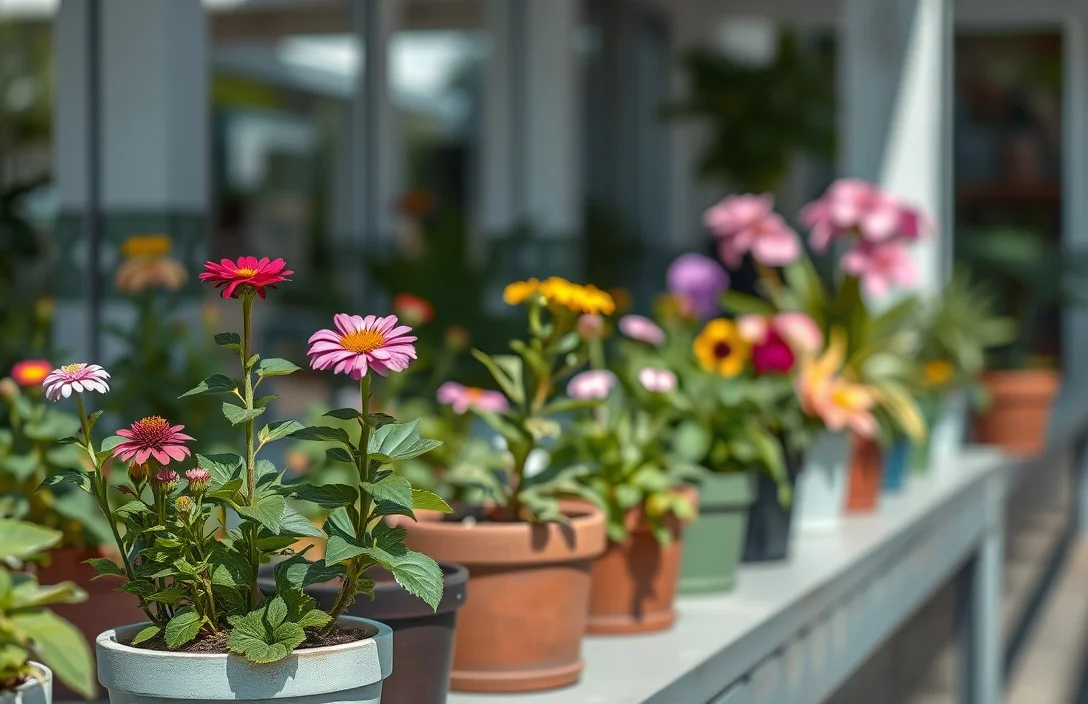
The simplest rule for flower plants for small pots is straightforward: match the plant to its sun needs and keep the soil moisture consistent. Small containers dry out faster and lose nutrients sooner than in-ground beds. The payoff is that many compact, repeat-blooming flowers stay neat and showy for weeks.
Most “thrive” picks for small pots fall into two buckets. Annuals and short-lived perennials give predictable seasonal color, and many bloom continuously when you deadhead and feed. Compact perennials work too, but they usually do best when their roots aren’t trapped in a tiny volume for too long.
I prioritize plants that are naturally compact, tolerate container conditions, and keep producing without constant fuss. That usually points to flowers marketed for patios, balconies, or window boxes, where breeding focuses on dense growth and reliable blooms.
Here are starter options that almost always do better in small pots than thirsty, sprawling types:
- Petunias and calibrachoa for nonstop color (especially in sun)
- Geraniums (zonal types) for dependable flowering (sun-friendly)
- Impatiens and begonias for lush shade color (where direct sun is limited)
- Dwarf snapdragons and alyssum for cool-season blooms that look tidy in compact planters
If you want a single planting strategy, use one main bloomer plus a spillover accent (like trailing bacopa or sweet alyssum). In tiny pots, that mix fills space with fewer plants and reduces the odds of a weird-looking layout.
Best Flowers for Small Pots in Sunlight
In full sun, the best container flowers handle heat and keep blooming even when watering gets more frequent. That’s why petunias, calibrachoa, and geraniums are common small-pot winners – they handle bright light well and respond to regular feeding.
Petunias are the classic choice because many varieties are bred for compact growth and heavy flowering in containers. Calibrachoa is similar in style but often looks tidier, with a trailing habit that makes small pots look fuller. Zonal geraniums bring a sturdier, upright look with large clusters of blooms that hold up well in sun.
For extra-sunny spots, try these:
- Petunia (compact/patio types) for continuous blooms
- Calibrachoa for trailing color that doesn’t look patchy
- Zonal geranium for upright, reliable flowers
- Dwarf marigolds for heat tolerance and quick seasonal color
- Dwarf snapdragons for cooler months when daytime heat is moderate
One practical reality: in small pots, sun flowers often need more water than you expect. If the top inch of potting mix dries out, many sun bloomers will still survive – but they’ll start dropping buds or wilting to protect themselves. Catching it early keeps the plant looking lush instead of stressed.
If your “sunny” spot is more like 4-6 hours of direct sun, you’ll usually do better with patio geraniums, some petunia types, or dwarf marigolds than with plants that assume full-day heat. Partial shade containers hold moisture longer, so watering stays more consistent and bud drop is less likely.
Best Flowers for Small Pots in Shade
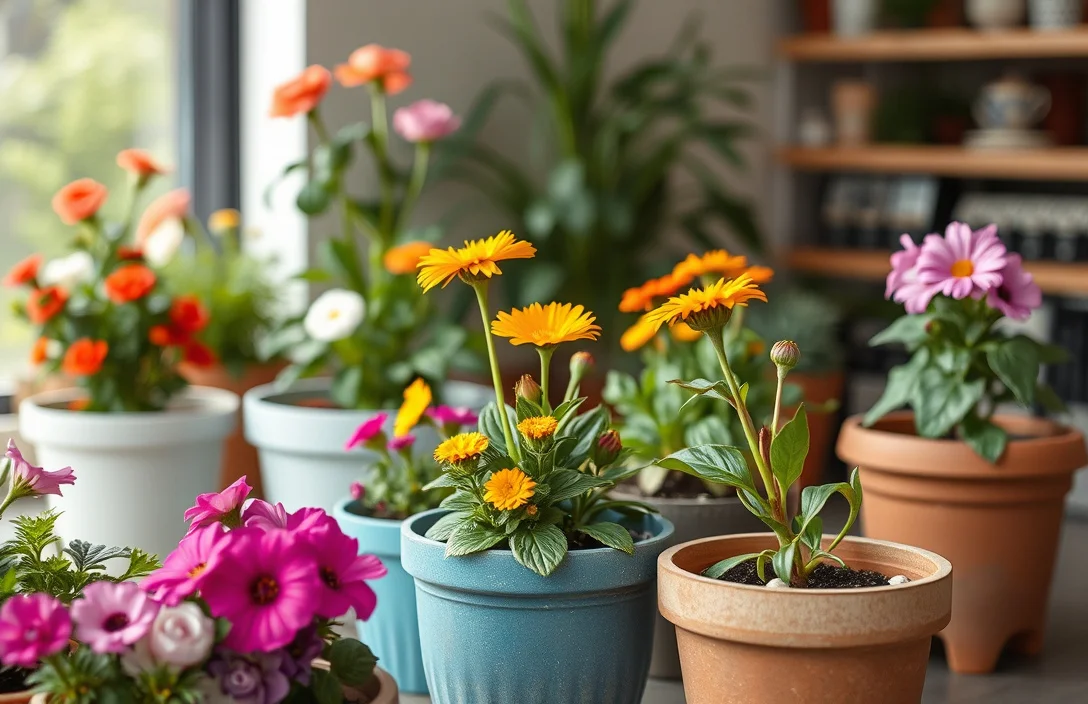
In shade, priorities shift from “heat tolerance” to “moisture balance” because shaded pots stay wetter longer and light levels limit how aggressively plants can flower. The best shade flowers for small pots are typically bred for indoor-outdoor patios, porches, and north-facing balconies.
Impatiens are a top choice because they grow fast, fill space well, and deliver abundant blooms. Begonias bring a different texture and can be just as floriferous in indirect light, especially when you control moisture. Fuchsia also works for shaded spots, particularly where it avoids harsh afternoon sun.
Good shade candidates for small pots:
- Impatiens for bright, continuous color in indirect light
- Begonia for shade blooms and attractive foliage
- Fuchsia for dramatic flowers in cooler, sheltered conditions
- Lobelia if your shade is bright enough to support steady growth
- Sweet alyssum if “shade” is really part sun, since it doesn’t like deep darkness
Overwatering causes the most shade-related problems. Evaporation is slower, so soil can stay soggy – leading to yellowing leaves, limp stems, and root stress. Don’t rely on a fixed watering schedule. Check moisture and water only when the potting mix starts to dry near the surface.
A simple target for shade bloomers is evenly moist soil – not wet, not bone-dry. A well-draining potting mix helps, but airflow and pot height matter too. Taller pots hold water longer than shallow bowls, so shallow planters need more careful watering and usually dry more evenly.
Dwarf and Compact Varieties for Tiny Containers
Tiny containers amplify two issues: limited root space and fast moisture swings. Compact and dwarf varieties solve that by flowering without needing a large soil volume to build energy.
Look for labels like dwarf, compact, patio, or mini, then match the plant’s mature size to your pot. If your pot is truly small, choose plants that stay dense and don’t sprawl into empty space. Many compact flowers also respond well to pruning and deadheading, which keeps them bushy instead of leggy.
Great categories for tiny pots:
- Dwarf snapdragon (cooler seasons, tidy vertical blooms)
- Sweet alyssum (small flowers, strong texture, common as a filler)
- Dwarf marigolds (sun-tolerant, fast, and sturdy)
- Compact cyclamen (where appropriate) for smaller indoor or porch displays
- Mini petunias and compact calibrachoa for long bloom cycles
Plan around “height and spill.” In very small pots, one upright plant plus one trailing or mounding companion usually looks fuller with less crowding. A trailing plant also hides the pot edges and makes the whole arrangement feel larger without stealing root space.
Deadheading helps in many tiny containers. If the plant can rebloom after spent flowers, skipping deadheading often reduces performance after the first flush – even for compact annuals.
If you’re unsure, buy smaller seedlings than you think you need. A small plant that fills in looks intentional, and it avoids planting something already rootbound.

Helpful pick
Utopia Home – Plant Pots Indoor with Drainage – 7/6.6/6/5.3/4.8 Inches Flower Pots for Indoor Planter – 5 Pack Plastic Planters – Ideal for Stocking Stuffers or Home Christmas Decorations – Black
Compact small pots with drainage support dwarf varieties in tiny containers effectively.
How to Choose Soil, Pot Size, and Drainage
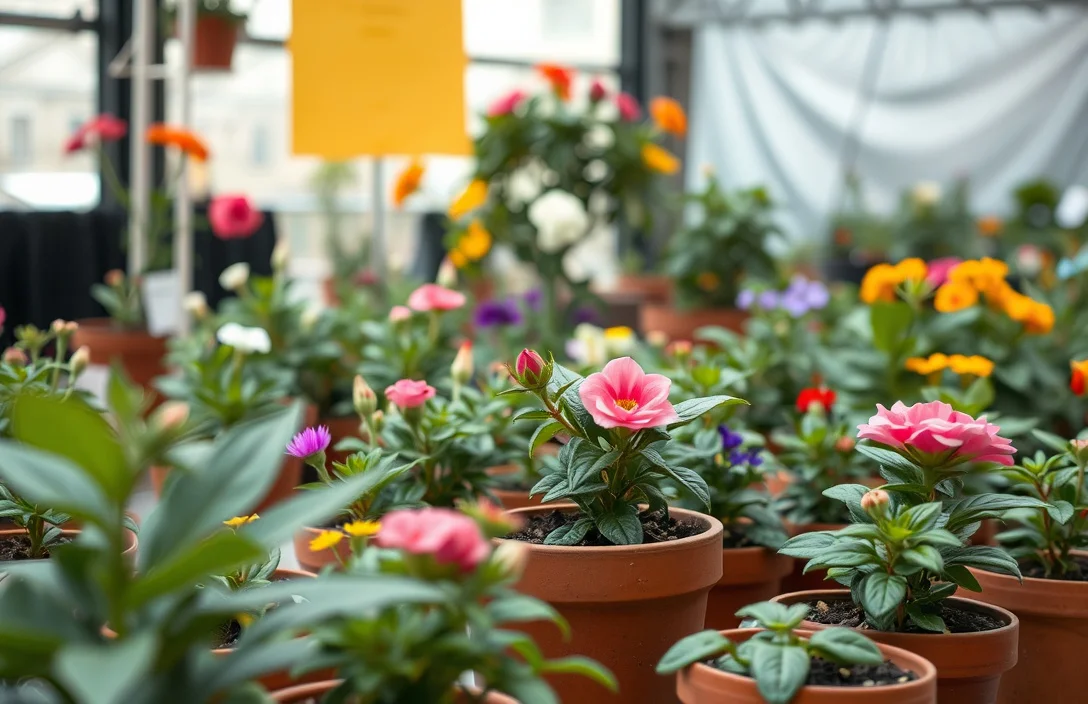
Good soil and drainage aren’t optional for flower plants in small pots – they’re the foundation. If water sits at the bottom, roots lose oxygen and the plant declines even when you chose a perfect variety.
Start with pot size by thinking about drying speed. In small pots, soil depth can’t buffer heat, so you need a potting mix that drains well while still holding enough moisture. For most containers, a quality potting mix beats garden soil. It’s lighter, drains more evenly, and is less likely to compact.
Drainage holes are non-negotiable. Without them, you increase root rot risk and you can create nutrient imbalance because oxygen levels fall. If you’re using a decorative pot without holes, place an inner nursery pot with holes inside it. Empty any drainage water from the outer cachepot.
A setup that works almost everywhere:
- Potting mix: light and moisture-manageable (not heavy garden soil)
- Container: drainage holes at the bottom
- Saucer behavior: stop water from pooling for long periods
For a simple success reference, choose pots that let you water thoroughly and then drain away excess quickly. Tiny containers punish mistakes. A missed watering day hits harder than “a little too much water,” so aim for consistency.
When repotting, don’t bury stems deeper just to add stability. Many flowering plants prefer the crown at soil level. Burying too much can encourage rot. Pack the mix firmly around the root ball, water thoroughly once, and let excess drain.

Helpful pick
Fielda 8/10/12 Inch Self Watering Pots for Indoor/Outdoor Plants – Large Plastic Planter with Drainage Holes, Water Level Indicator & Deep Reservoir, Modern Decorative Flower Pots (White)
A self-watering option with a deep reservoir and indicators helps manage drainage and size decisions.
Watering and Fertilizing for Container Flower Plants
Watering decides whether small pots thrive, and fertilizing keeps blooms coming after the first flush. Containers don’t have the same nutrient reservoir as garden beds, and repeated watering washes nutrients through the soil faster.
Water deeply until water runs out through the drainage holes, then stop. This prevents “surface-only” watering, where the top looks wet but roots never receive enough. In hot US summer conditions, small containers can need water more frequently – sometimes daily in the smallest pots.
Tie watering to moisture checks. Press a finger into the mix: if the top inch feels dry, water. If it still feels cool and damp, wait. This habit prevents the two extremes that stress plants – letting pots fully dry out or keeping them constantly wet.
Fertilizing is the other lever. Container flowers usually need nutrients more often than in-ground plants because watering leaches them out. A liquid fertilizer or a slow-release fertilizer can both work, but you’ll get better results from a consistent rhythm than from occasional, random feeding.
A practical fertilizing plan:
- Start feeding after new growth settles (often a couple of weeks after potting)
- Use a bloom-focused fertilizer or a balanced fertilizer at the label rate
- Adjust frequency based on watering speed (more frequent watering usually means more frequent feeding)
If you see lots of leaves and few flowers, you’re likely feeding too much nitrogen or not giving enough light. Containers can make leaf growth tempting, but flowers are the goal – so you may need to fine-tune light and fertilizer balance.
Also watch for salts buildup. If soil looks crusty or leaves develop brown edges, flush the container occasionally by running clean water through the potting mix, letting it drain fully, then return to your routine.

Helpful pick
Quarut 3 Pack 10 inch Plant Pots,Whiskey Barrel Planters with Drainage Holes & Saucer, Plastic Decoration Flower Pots Imitation Wine Barrel Design, for Indoor & Outdoor Garden Home Plants (Brown)
Self-watering design helps maintain steady moisture, reducing frequent watering while supporting nutrient retention.
Troubleshooting Yellow Leaves, Bud Drop, and Wilting
Yellow leaves, bud drop, and wilting are symptoms – not the root issue. In small pots, the usual causes are inconsistent watering, poor drainage, insufficient light, and nutrient imbalance.
Yellow leaves often point to one of two problems: roots staying too wet or nutrients running low. If the soil is consistently damp, improve drainage and let the mix dry slightly between waterings. If the soil dries fast and you’ve skipped fertilizer, feed more consistently and follow the label directions for flowering containers.
Bud drop usually comes from stress at the wrong time. The biggest trigger is an uneven watering cycle, where the pot swings between drying out and being soaked. Light changes also cause bud drop. Moving a flowering container from bright sun to shade (or the reverse) can stress the plant.
Wilting can mean “too dry” or “not enough oxygen at the roots.” Do the moisture check. If the mix is dry, water thoroughly. If the mix is wet and heavy, stop watering, confirm drainage holes work, and consider repotting into fresh, lighter mix if it’s been sitting soggy for a while.
Here’s a fast troubleshooting table you can use right away:
| Symptom | Most common cause in small pots | What to do today |
|---|---|---|
| Yellow leaves | Overwatering, low light, nutrient deficiency | Check soil moisture, adjust watering, feed if needed |
| Bud drop | Inconsistent watering, heat stress, light change | Water based on soil, avoid moving plants frequently |
| Wilting (dry soil) | Soil fully drying out | Water deeply until it drains, then recheck in 24 hours |
| Wilting (wet soil) | Poor drainage or compacted soil | Let it dry, verify drainage holes, repot if soggy persists |
| Mushy stems | Root rot risk | Remove from wet conditions, trim damaged parts, repot if severe |
If you want a quick “field fix” that often improves container plants fast, remove dead or failing leaves, then correct the watering rhythm and confirm drainage. Small plants bounce back quickly once the conditions improve, but new roots or buds can take time.
FAQ
What are the easiest flower plants for small pots?
The easiest options are petunias (compact types), zonal geraniums, impatiens, and begonias. These handle container life better than many sprawling plants and keep flowering when you water based on soil moisture. Choose full sun flowers for bright spots and shade flowers for indirect light, then use a potting mix and containers with drainage holes.
How often should I water small potted flowers in summer?
Water whenever the top inch of potting mix dries out. In peak US summer heat, that can be daily for tiny pots, especially in clay or windy spots. If the soil stays wet and heavy, wait longer and double-check drainage holes before watering again.
Do small pots need fertilizer to keep flowering?
Yes. Most container flower plants need regular feeding because watering leaches nutrients out of the potting mix. Use a liquid fertilizer or a slow-release container fertilizer and follow the label rate. When blooms slow down, consistent feeding often fixes it before you change anything else.
Why do my buds keep dropping off even though the plant looks okay?
Bud drop usually comes from stress, most often inconsistent watering (dry spells followed by watering) or a sudden light change. Check soil moisture before watering and avoid moving the pot once buds form. Heat swings can also trigger bud drop, so keep the container out of harsh, direct afternoon sun when possible.
What’s a common mistake people make with flowers in small pots?
The biggest mistake is using garden soil or a decorative pot without effective drainage. Garden soil compacts and holds too much water. Containers without drainage holes can suffocate roots. Use a quality potting mix and make sure excess water can drain freely.
Quick practical next
Pick one compact flower that matches your light (sun or shade), pot it in a drainage-first setup with fresh potting mix, and water based on the top inch of soil drying out. If it blooms for two weeks, keep the routine steady and add consistent feeding for ongoing color.

- 10 Best Slow Cooker For Slow Cooking Legumes 2026 (Tested And Reviewed) - October 17, 2026
- 10 Best Slow Cooker For Slow Cooking Oxtail 2026 (Tested And Reviewed) - October 16, 2026
- 10 Best Slow Cooker For Slow Cooking Venison 2026 (Tested And Reviewed) - October 16, 2026