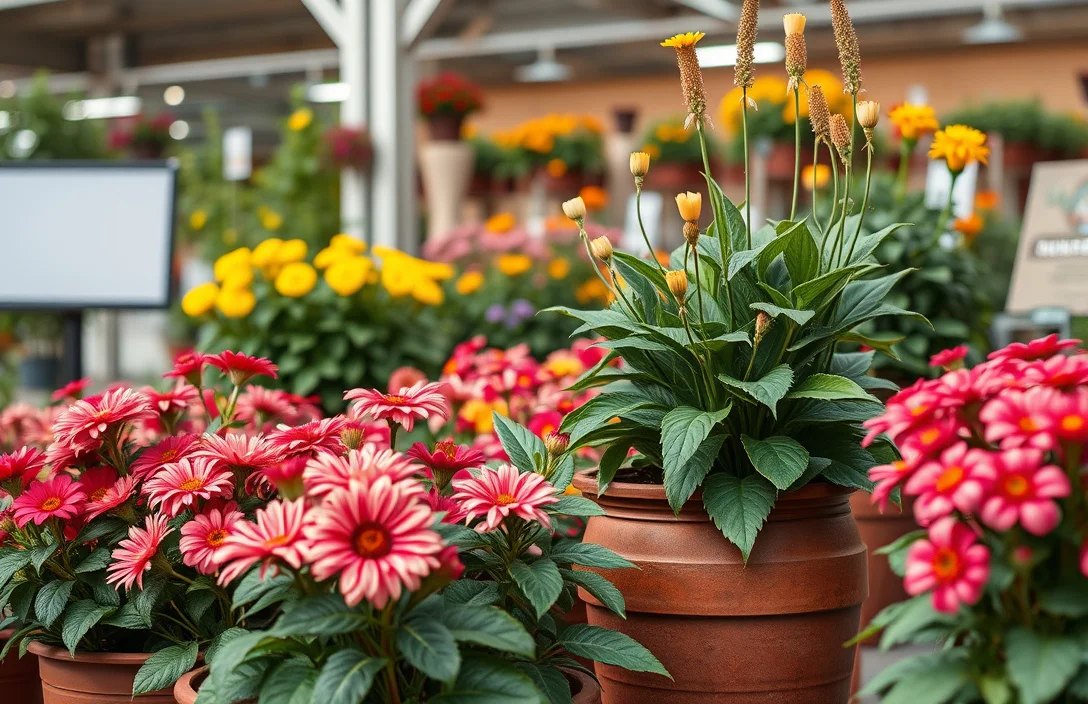
Deer Resistant Annuals For Pots: 3 Tips Worth Trying
Deer love easy, high-scent snacks, and potted annuals are basically a buffet with no place to hide. Deer-resistant annuals can reduce the damage, but they do not make containers “edible-proof.” This guide breaks down which annuals tend to taste and smell less appealing in pots, what “deer resistant” really means, and how to set your containers up so deer hesitate before they nibble.
Deer-resistant annuals for pots are plants deer usually avoid because they taste bitter, smell strong, or have fuzzy or tough leaves. Expect partial protection, not zero damage. In high-pressure areas, you still need smart placement and deterrents.
Key Takeaways
- Pick tougher textures. Fuzzy or leathery leaves get bypassed more often than tender, juicy foliage.
- Prioritize strong scent. Aromatic annuals deter browsing longer than bland green plants.
- Favor bitter flavor. Naturally bitter compounds hold up better when deer are hungry.
- Match the container look to the plant. Some deer-resistant choices look best in containers when you pair them with the right pot tones and companion colors.
- Place pots strategically. Deer learn layouts fast near paths, cover, and regular “food” routes.
- Plan for “eventually”. Even resistant annuals can get sampled when deer pressure is high or options run out.
Deer-Resistant Annuals for Pots That Actually Hold Up
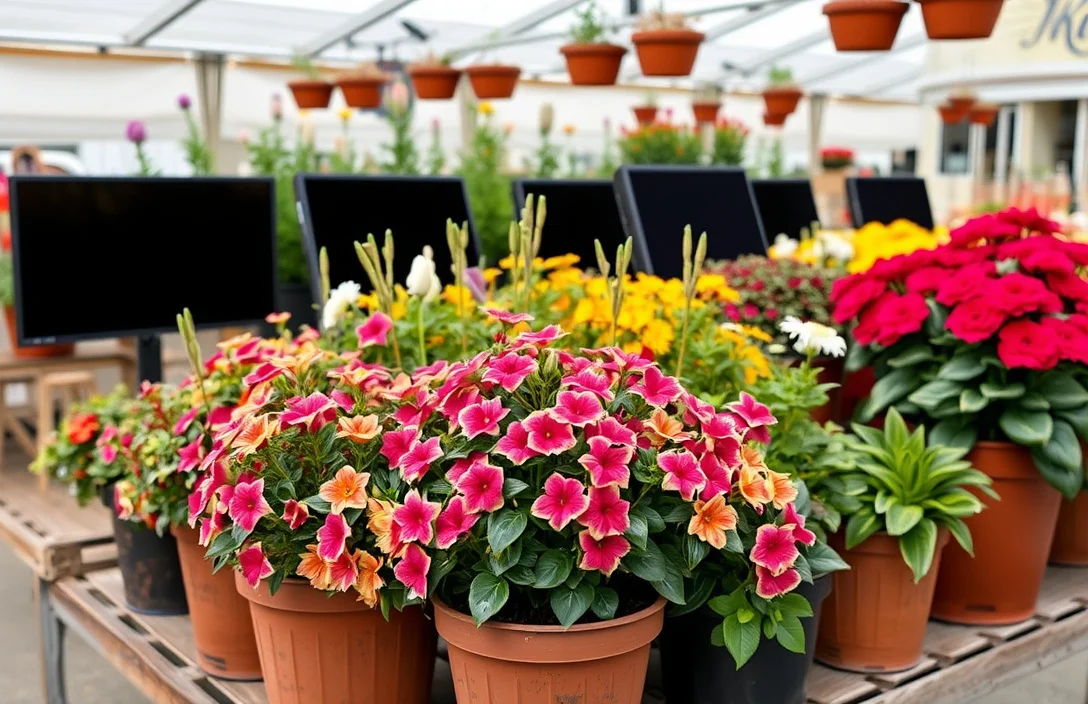
The best way to keep deer from bulldozing your containers is to choose annuals that are bitter, strongly scented, or hard for deer to chew. In practice, you are aiming for “less attractive,” not “uneatable,” because deer can and will test new plants. Deer are ruminant browsers, and their behavior shifts with season and local food availability, so results vary by neighborhood.
Your container setup changes the rules, too. A plant that deer avoid in the ground can still get sampled in a pot if it sits right by a gate, under a hedge, or within easy reach from cover. Best results come from combining plant choice with placement that increases the effort.
Deer also sample before they commit. When containers look like a stable pattern deer have to work through (with deterrents and distractions in place), you usually see fewer serious losses.
Scale matters more than people expect. Deer can weigh around 198 lbs to 800 lbs depending on species and individual, and they can move at up to 50 mph, so “they only come at night” is not a plan. Visual deterrents have to be active and maintained, not set once and forgotten.
What Makes Annuals Deer-Resistant?
“Deer resistant” is not a single superpower. It is a set of traits that make plants less rewarding to eat. The main drivers are taste, smell, and physical texture. Once deer learn something consistently isn’t worth the effort, the browsing drops.
- Taste is the most consistent factor. Many deer-resistant annuals contain bitter or pungent compounds that stay unpleasant even when deer are hungry.
- Smell helps, especially in potted layouts. Leaves release oils when brushed or bitten, and the scent carries through the air.
- Texture makes chewing harder. Fuzzy, thick, or tough leaves are more difficult to mouth and chew than soft, tender foliage.
Deer are not one uniform animal. The Cervidae family includes different species and browsing behaviors, and browsing intensity changes by season. That is why the same annual can look bulletproof in one yard and get nibbled in another.
Finally, container routine affects “learning.” If pots stay in the exact same spot week after week, deer pattern-match. Rotating plants, adjusting placement, and refreshing top growth helps interrupt that learning cycle.
Best Deer-Resistant Annuals for Container Color
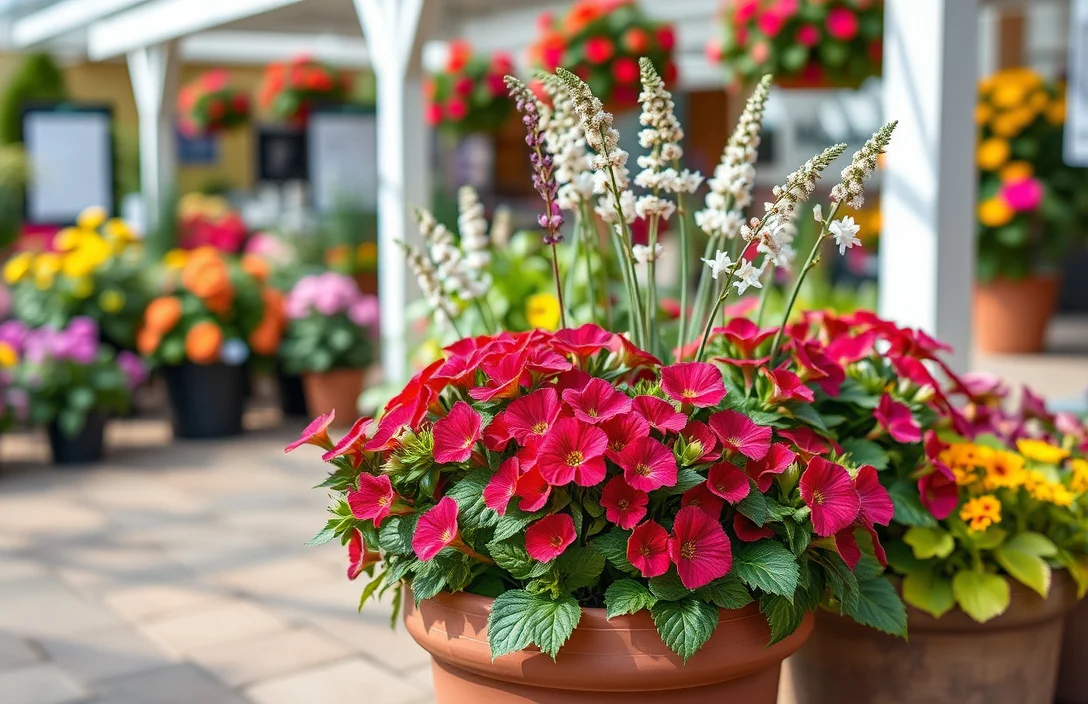
You get the best results when your choices match the color story of your patio or entry. Use this as a practical filter: deer often pass over plants that are strongly scented, bitter-feeling, or have fuzzy or tough leaves.
Container color picks (mix and match)
- Purple / Blue theme: go for globe-amaranth-type looks, ornamental sage tones, and other fragrant or tough-leaved options that read rich in pots.
- White / Cream theme: lean on aromatic herbs and more strongly scented flowers; deer often avoid pungent foliage.
- Red / Magenta theme: pick flowering annuals that hold color without relying on tender, juicy greens.
- Orange / Yellow theme: choose plants with waxy, thick, or aromatic leaves. Bright color alone does not stop browsing.
Color can mislead. Deer care about the plant, not the bloom shade. Treat color as your design filter, then verify your plant actually has deterrent traits like scent or tougher foliage.
A strategy I keep coming back to: build a container with one “anchor” deer-unfriendly plant (aromatic or bitter) and one filler that looks great but is not the most tender thing in the pot. If deer take a bite, the container still looks intentional.
Deer-resistant picks by look
| Annual (for containers) | What tends to repel deer | Best for container color | Best placement style |
|---|---|---|---|
| Fragrant herbs (annual-type basil, etc.) | Strong leaf oils and scent | White/green combos, mixed planters | Near entry lines where scent can “carry” |
| Salvias | Tough leaves + smell | Blue/purple colorways | Full sun pots, visible but not hidden |
| Lantana (annual behavior in many US zones) | Bitter-ish feel and strong scent | Yellow/red/orange blends | Large pots on open patios |
| Dusty-miller types (silver foliage annuals) | Fuzzy or tough texture | Silver accent with any bright flowers | Edge plants where deer have to reach |
How to Plant and Place Pots to Deter Deer
Placement is where deer resistance becomes real. Great plant choices can fail in the wrong location, and solid deterrent plants can last longer in the right one.
Start with distance and line-of-sight. Pots right next to doorways, on paths, or at the edge of dense cover get tested first. Deer can approach quietly and fast when cover is nearby. If possible, set containers where deer have to cross open ground to reach them, with better visibility and light for you.
Use barrier strategy. Deer do not want to feel trapped, but they also dislike jumping into tight, messy zones that make footing harder. Cluster pots so deer have to navigate around multiple obstacles instead of walking straight to a single easy bite point. Think “distraction geometry,” not “one lone pot in the corner.”
Anchor the pots so they stay put. Wobbly planters on loose saucers get nudged and tested. A stable pot with no easy access to lower stems reduces perfect-bite opportunities.
Keep growth patterns in mind. Regular pruning and deadheading reduce that tender, succulent-looking “first choice” effect. Deer often target young, soft shoots, so keep plants tidy and less succulent-looking.
Placement checklist that works
- Keep pots out of cover edges. Avoid placing them right beside shrubs, fences, or wood piles.
- Use open, well-lit spots. Deer test more cautiously where they are visible.
- Cluster for navigation difficulty. Multiple pots with spacing and obstacles beat a single target.
- Raise pot height when possible. Higher elevation can reduce nibbling at tender stems.
- Add a “scaffold” plant. Put the strongest scent or texture plant where deer will reach first.
When damage starts, it usually starts on the most accessible stems. Rearranging so the deer-unfriendly plant hits first can shift the “cost” of eating back in your favor.
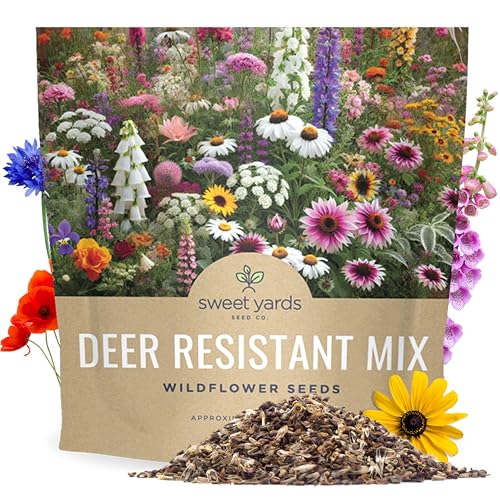
Helpful pick
Deer Resistant Wildflower Seed Mixture – Bulk 1 Ounce Packet – Over 15,000 Deer Tolerant Seeds – Open Pollinated and Non GMO
Deer-tolerant wildflower mixes offer reliable color in pots while supporting placement strategies that deter browsing.
Top Deer Deterrents for Potted Annuals
Plants do the heavy lifting, but deterrents help deer decide your yard is not worth the effort. The timing matters. Deer encounter deterrents at the exact moments they try to eat.
Use these categories:
- Sensory disruption: deer dislike strong smells and unpleasant tastes. Deterrent sprays can reduce early-season nibbling, but follow label timing because products wear off with rain and new plant growth. Deer also come back to test again.
- Movement and disruption: motion-based visual deterrents make deer hesitate, especially near entry paths. Plan on maintenance, because when a device stops working for even a week, deer return with confidence.
- Physical and behavioral barriers: fencing is the most reliable. For containers, temporary netting or protective cages during the highest pressure weeks can prevent the worst losses. Deer pressure spikes when natural foods are scarce, which is when resistant annuals get tested hardest.
My practical blend for pots is simple: use resistant plants plus one or two active deterrents, not a dozen passive ones. Passive deterrents get learned quickly. Active deterrents raise the “effort cost” each time.
Deterrents that fit potted annuals
- Scent barriers during first nibble attempts.
- Motion-based devices near container clusters in high-traffic areas at night.
- Spot-protection cages for the first 3-6 weeks after planting.
- Temporary netting during heavy browsing periods.
- Rotating pot positions to prevent a fixed-route pattern.
If you catch sampling once or twice and respond quickly, you often stop the “this is our spot” pattern. Waiting until entire stems are gone usually means deer already learned the routine.

Helpful pick
Eden Brothers Deer Resistant Wildflower Mixed Seeds for Planting, 1 lb, 480,000+ Seeds with Foxglove, Forget Me Not | Attracts Pollinators, Plant in Spring or Fall, Zones 3, 4, 5, 6, 7, 8, 9, 10
Deer-resistant wildflower seeds provide a built-in deterrent while thriving in pots, supporting vibrant container displays.
What to Do
Even the best deer-resistant annuals can get chewed when hunger is high, weather changes, or deer figure out your layout. When damage happens, your goal is to prevent a repeat cycle.
- Remove the easy targets. Cut away heavily browsed stems so you are not leaving deer with a “next bite” structure that is already softened and accessible.
- Re-evaluate placement right away. If bites happen on one side facing a path or cover, rotate the pot and change the approach angle. A few inches can matter when stems line up with the deer’s approach route.
- Reinforce with deterrents for a short window. When browsing repeats, temporarily add motion or a scent barrier and keep it in place until bites stop. Deer often take about a week to re-check a new setup, and that reset window is when deterrents help.
- Switch plants if the same species keeps losing. Repeated loss is not bad luck – it is information. Replace with a tougher-textured or more strongly scented annual that fits the same role in the pot.
A fast response plan
- Prune damaged growth to reduce tender targets.
- Rotate pots toward less accessible edges.
- Add a short-term deterrent on the first repeat bite.
- Adjust spacing or cluster layout to change approach paths.
- Replace only the repeat-offender plant, not the whole design.
Doing nothing teaches deer that your containers are reliable. Acting quickly and changing the “rules” teaches them your yard is variable and not worth repeat effort.
Helpful pick
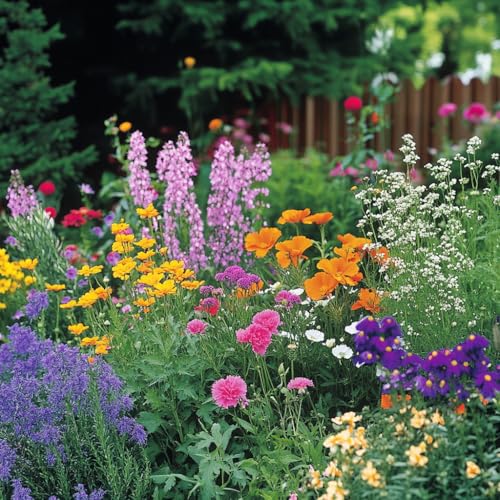
Ferry-Morse Wildflower Seeds Mix – Deer Resistant, Non-GMO, Outdoor, Wild Flowers – 1 lb
This deer-resistant wildflower seed mix provides colorful, pot-ready annuals to deter deer damage.
How Long Deer Resistance Lasts in Containers
“Deer-resistant” in containers usually means “how likely deer are to avoid eating,” and that can change as plants grow and as deer learn your setup. Early in the season, resistant annuals often hold up better because initial leaves and textures match deterrent traits. As plants push tender new growth, deer may increase sampling, especially when natural food is limited.
Duration also depends on freshness. Heat, drought, and pot-bound roots can stress plants into softer growth with less aroma. Stressed growth can become easier to chew, and deer notice.
Deer pressure is not constant either. Some yards see spikes, then quiet, then spikes again. If you have hunting pressure or seasonal shifts in food sources, browsing may drop temporarily or return quickly.
In many real yards, resistant plants look best for the early-to-mid portion of the container season. After that, you often need reinforcement if deer keep checking in. If deer are persistent, plan to manage instead of assuming the plant will stay untouched all summer.
Practical expectations by scenario
- Low deer pressure: resistant plants may look good most of the season with occasional nibbling.
- Medium pressure: nibbling can increase mid-season, and deterrent support often helps.
- High pressure: expect repeat checks, and plan for cages or fenced sections during peak browsing.
The simplest rule: treat deer resistance as the baseline, then treat deterrence as the multiplier. That mindset reduces frustration when deer test again after your first few weeks.
FAQ
What are the best deer resistant annuals for pots if I want the simplest setup?
Choose annuals with strong scent and/or tougher fuzzy leaves, then place them in stable, visible pots. In most yards, the easiest win is an aromatic anchor plant plus a color-matched filler that is not tender and juicy. If you do one thing, pick plants with strong natural odor, since deer rely heavily on smell when browsing.
Do deer resistant annuals work long-term in containers?
They work best early and mid-season, then resistance can fade as plants produce new tender growth and as deer learn the layout. Healthy container care matters because stressed plants can lose the firmness or leaf oils that help deter browsing. Reassess after several weeks and add short-term deterrents if browsing becomes repetitive.
Are there deer resistant annuals for pots that are safe for pets?
Many “deer resistant” choices are not automatically pet-safe, because deer resistance often overlaps with compounds that may upset animals if chewed. Use pet-safe verification from your plant labels or nursery guidance, and keep containers where pets cannot easily chew leaves. If you have cats or dogs that mouth plants, use fencing or raise containers.
What’s the fastest way to stop deer from eating potted annuals tonight?
Prune the most browsed stems, then add a temporary deterrent for the next several days. Motion-based devices and short-term protective cages/netting for the most targeted pot usually create the quickest shift. Check placement right away too – if the pot is near cover or a path, move it if you can.
What common mistake makes deer resistant annuals fail?
Treating “deer resistant” like a promise and planting tender favorites in the most accessible spot. Deer test the easiest stems first, and your pot design matters as much as the plant list. Another common mistake is doing nothing after the first nibble, which teaches deer that the reward is reliable.
Pick tough, scented annuals as anchors, arrange pots so deer have to work to approach, and respond quickly once nibbling starts. If you share your zone (or your state) and your container colors, you can narrow this into a tighter short list for your exact look.

- 10 Best Slow Cooker For Mess Free Cooking 2026 (Tested And Reviewed) - October 24, 2026
- 10 Best Slow Cooker With Leak Resistant Lid 2026 (Tested And Reviewed) - October 24, 2026
- 10 Best Slow Cooker With Spill Proof Design 2026 (Tested And Reviewed) - October 24, 2026