Growing Bitter Gourd In Pots: Best Varieties And Care
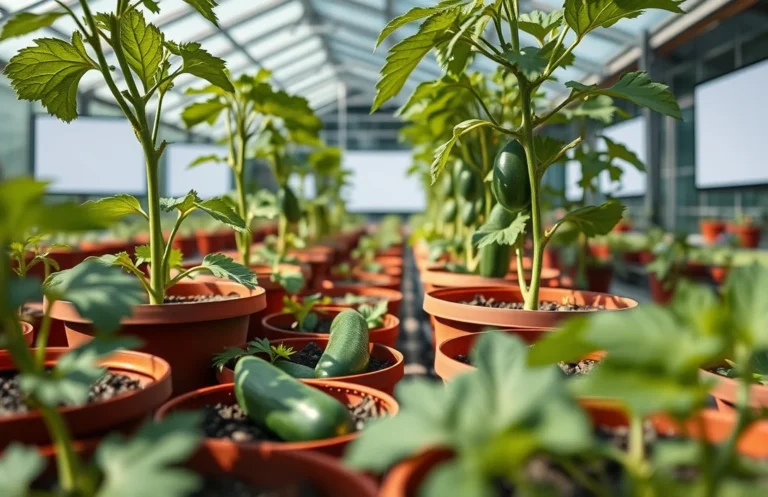
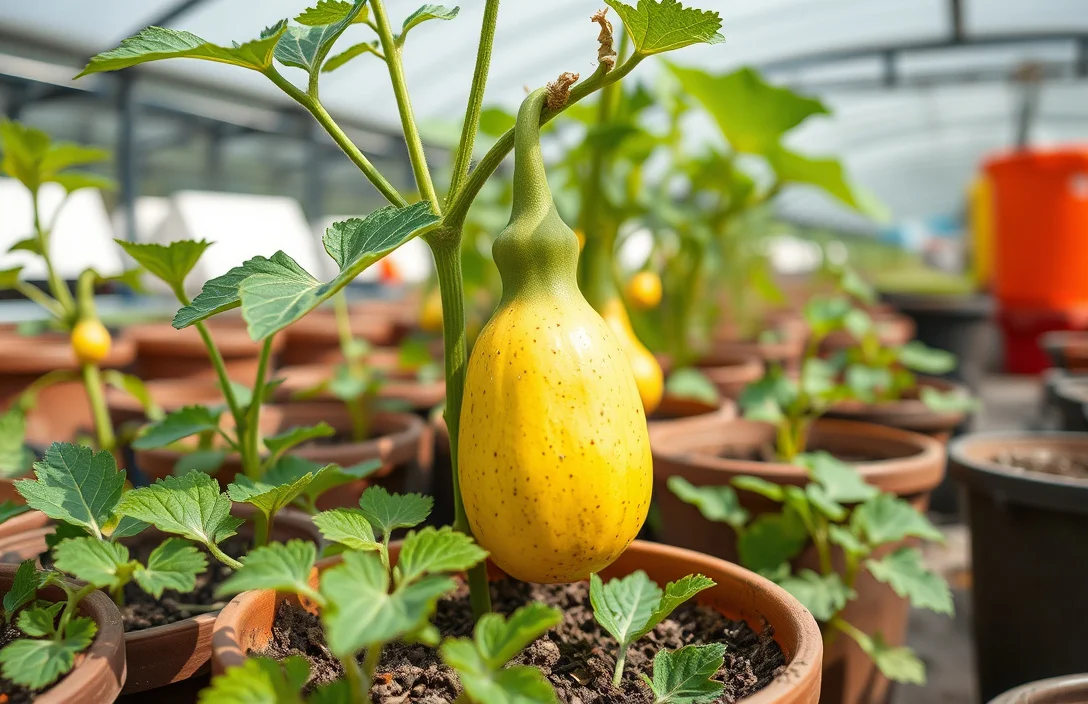
Growing bitter gourd in pots is totally doable in the United States, but it is not forgiving. The vines need a big container, consistent moisture, and a warm sunny spot, or they stall, drop flowers, and give you weak harvests. Use this guide to choose the right pot and soil, nail sun and watering, trellis the vines, feed lightly, help fruit set, and harvest when the fruit is still tender.
Bitter gourd in pots works best with a 5 to 7 gallon container, full sun (6 to 8 hours), and a trellis so vines can climb. Keep the soil evenly moist, then feed lightly after the plant establishes. Harvest early when fruit is still tender for less bitterness.
Key Takeaways
- Choose seed varieties that mature reliably in warm weather and match your growing season length.
- Use a 5 to 7 gallon pot with drainage, so the root ball stays stable as vines grow fast.
- Aim for 6 to 8 hours of sun and keep soil evenly moist to avoid flower drop.
- Train on a trellis early, so leaves get airflow and fruits hang without touching soil.
- Feed after establishment with compost and a balanced fertilizer, not heavy nitrogen.
- Pick tender, young fruit for better flavor and reduced bitterness.
Growing Bitter Gourd in Pots: Best Variety Choices
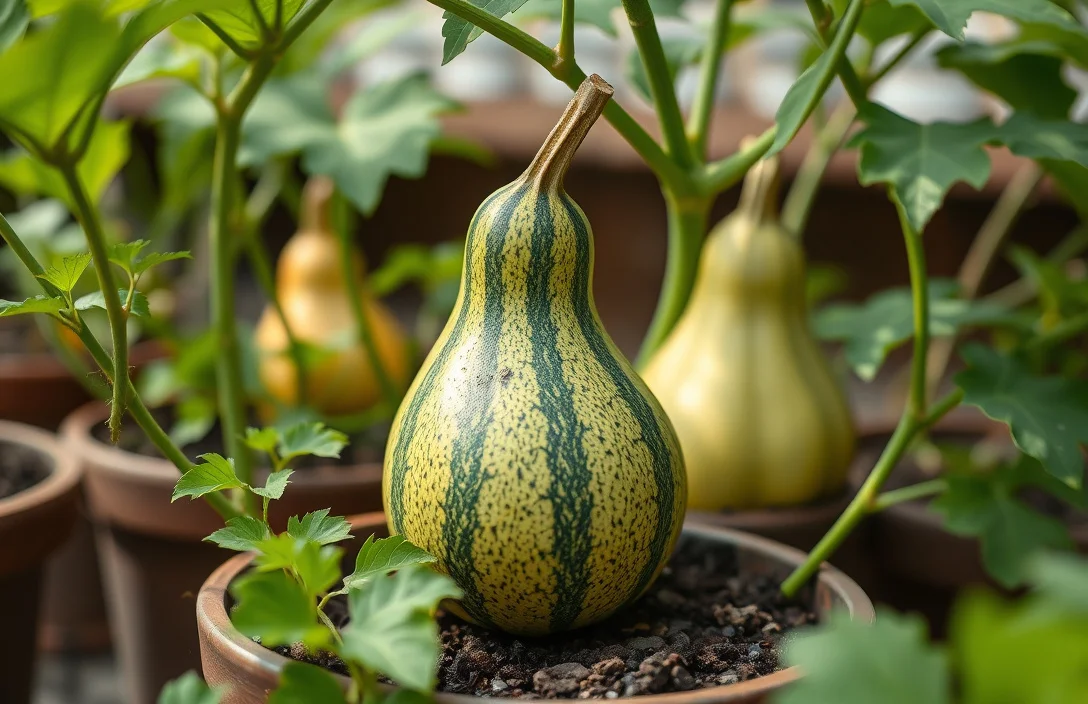
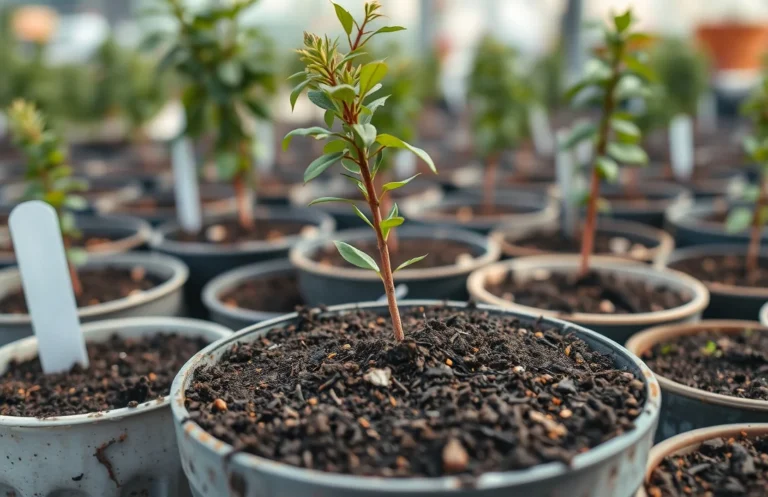
Pick varieties that mature within your warm season and won’t sulk through long, cool stretches. Bitter gourd (Momordica charantia) is a vine crop, and containers favor steady, predictable growth that reaches flowering and fruiting on schedule.
In the U.S., start with seed packets that list days to maturity (or at least a harvest window). Match that to your local start date. If you live in a cooler region, prioritize shorter-maturity varieties and start seeds indoors while nights are still too cool. In hotter areas, you can choose slightly longer-maturity types and still reach flowering and fruiting quickly.
Fruit size matters too. Many bitter gourds are long, but some lines produce slightly thicker or shorter fruits. In pots, moderately sized fruit can be easier to manage because the vine supports less weight before harvest.
Decide what you want visually. A potted bitter gourd can be productive, but it still needs room to run up a trellis. Choose a variety you’re willing to train. Some plants stay bushier and harder to control in a container than true vine types.
What Size Pot and Soil Mix Produce Vines Well
Pot size is the difference between “nice leaves” and actual fruit. For bitter gourd, a 5 to 7 gallon pot is the practical sweet spot for one plant because the vine is vigorous and keeps pulling water as it grows.
Go smaller only if you accept lower yields. A very small pot dries out quickly, and bitter gourd doesn’t tolerate drought stress well. Drought stress often leads to stunted vines, weak flowering, and uneven fruit development. If you’re investing in a trellis, invest in enough soil volume to keep growth steady.
Use a mix that drains well but holds moisture. A strong baseline is high-quality potting mix (not garden soil) plus compost. If your potting mix already includes compost or slow-release fertilizer, reduce extra amendments.
If your mix drains too fast (common in some bag mixes), smooth out moisture swings with a moisture-retaining ingredient like coco coir or fine compost.
A simple container-friendly mix:
- Start with potting mix as the base.
- Add compost at about 20-30% of the total volume.
- Use a pot with large bottom holes and elevate it on a rack so water can fully escape.
Bitter gourd roots expand through the pot and demand water more than you expect. If you use a fabric grow bag, plan on more frequent watering than you would in a hard plastic pot.
💡 Helps provide nutrients and moisture retention for vigorous container vines like bitter gourd. Miracle-Gro Organic Outdoor Potting Mix – Plant Soil for Outdoor Container Plants, Contains Quick-Release Natural Fertilizer, OMRI Listed, 16 qt..
How Much Sunlight and Water for Container Bitter Gourd
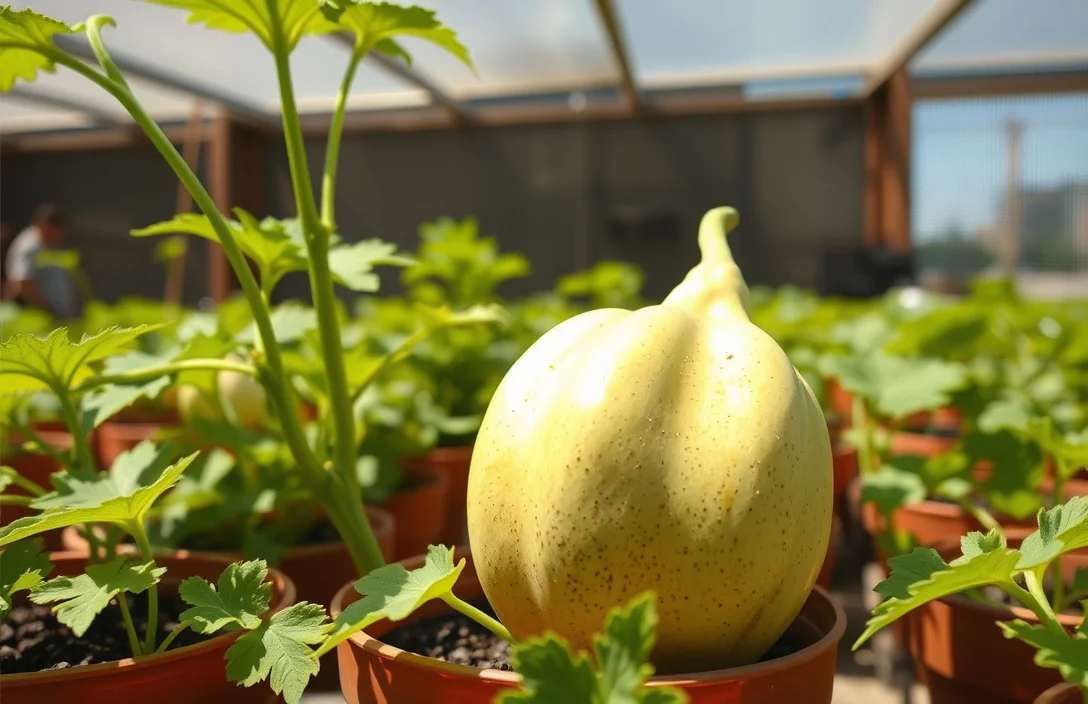
Full sun is non-negotiable for a reliable container harvest. Aim for 6 to 8 hours of direct sunlight per day. Partial shade may keep vines alive, but flower-to-fruit progress often becomes inconsistent when the plant stays in a slower, stressier growth mode.
Water consistency is everything. Water deeply when the top inch of soil starts to dry out, then let excess drain completely. Light, frequent watering can leave the top layer soggy while the deeper roots dry, which stresses the plant and encourages flower drop.
In warm weather, containers can shift fast. Check moisture in the morning and again later during hot spells. Even a medium pot can go from “just moist” to wilting within a day if it’s windy or very hot.
Watch for the signals:
- Wilting mid-day often points to under-watering or a pot that dries too quickly.
- Yellowing or pale leaves can mean nutrient deficiency, but it can also follow long water stress.
- Flower drop often follows inconsistent watering or sudden hot/cold swings.
If rain is frequent where you live, pots can still dry between showers. Hand watering works best with a stable routine, so the plant doesn’t have to “panic” from drought stress or waterlogging.
Trellising and Training Vines in Limited Space
Trellising improves airflow, keeps fruit cleaner, and protects flowers and stems from contact with damp ground. In a pot, letting vines sprawl usually increases mildew risk, tangles growth, and encourages fruits to sit on soil.
Put the trellis in early, ideally at planting time or soon after seedlings establish. Use a sturdy vertical trellis, obelisk, or panel attached to a frame that can handle wind and vine weight. Bitter gourd vines get heavy, and flimsy supports collapse later in the season.
Train the main vine upward first. Tie it loosely with soft plant ties, then let it wrap naturally around the support. When side shoots appear, choose whether you want one strong main vine or several climbing leaders. More leaders can increase fruiting, but they also crowd leaves. Keep space between areas of growth so inner foliage still gets light.
Keep fruits off the ground. If fruits start forming near the base and you don’t have solid upward training, use a simple sling (soft fabric strip) under developing fruits to reduce strain and prevent dirt contact.
For limited space, prioritize:
- Train upward from the start to avoid ground sprawl.
- Thin crowded growth if the plant turns into a dense mat.
- Tuck leaves and fruits away from wet spots and soil contact.
On a balcony or patio, place the trellis so it doesn’t block airflow completely. Stagnant, humid corners raise disease pressure. Good airflow helps keep bitter gourd productive in containers.
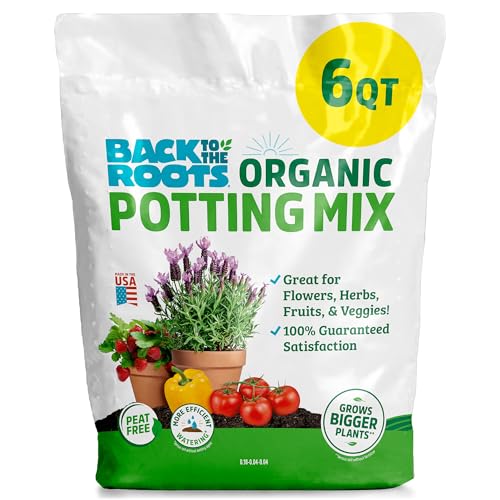
Helpful pick
Back to The Roots 100% Organic Potting Mix (6 Quart) Premium Blend Made in The USA
Promotes healthy container growth with balanced moisture and drainage, helping trellised vines stay tidy and productive.
When to Feed and What Fertilizer Works Best
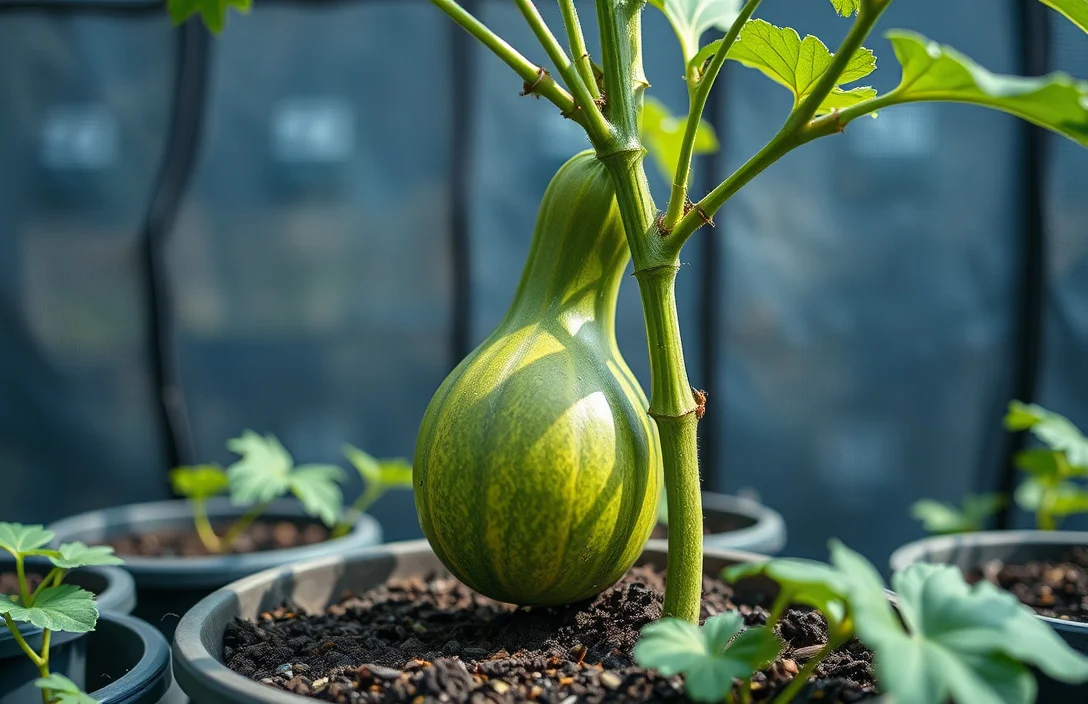
Feed bitter gourd with a light hand. Over-fertilizing in containers often produces lush vines and leaves with fewer flowers, especially when nitrogen is too high. Too little fertilizer can cause yellowing and weak fruit development. The goal is steady nutrition without pushing vegetative growth.
Start with nutrient-rich soil at planting (potting mix plus compost). After establishment, feed to keep growth consistent. Many gardeners feed every couple of weeks while the plant is actively growing, then ease off as fruiting accelerates.
Use a balanced fertilizer, not a heavy nitrogen formula. Look for roughly balanced numbers (for example, 10-10-10 or similar) or a gentle all-purpose vegetable fertilizer. Dilute according to the label and apply to moist soil, not dry roots.
Avoid common container mistakes:
- Heavy nitrogen early (lots of leaves, fewer flowers).
- Irregular feeding (plant swings between hunger and excess).
- Fertilizing dry soil (stresses roots and worsens fruit set).
If your pot already has compost, you may not need strong fertilizer right away. In practice, modest feeding plus close observation often works better than constant “boosting.” Adjust based on leaf color and how fast the plant is growing.
Potassium supports fruit development, but it’s not a reason to chase dramatic “booster” products. A balanced fertilizer with consistent timing usually performs better in pots.
Water after feeding. Moisture helps move nutrients into the root zone and reduces salt stress, which is common in container soil.

Helpful pick
Miracle-Gro Potting Mix, For Container Plants, Flowers, Vegetables, Shrubs, Annuals, Perennials, Feeds up to 6 Months, 16 qt.
Provides slow-release nutrients for container gardening, helping you feed light and avoid excessive nitrogen that suppresses flowers.
Why Flowers Drop and How to Improve Fruit Set
Flower drop usually happens when the plant is stressed at the exact time it should be putting energy into fruit. In containers, the usual causes are inconsistent watering, too little sun, poor trellising airflow, and temperature swings that slow normal flowering.
Check the basics first. Get 6 to 8 hours of sun. Keep soil evenly moist. If either is off, fix it before you chase fertilizer or “miracle” cures.
Bitter gourd also depends on pollination. Many vines produce both male and female flowers, and fruit set follows successful pollination. Outdoors, pollinators handle most of the work. On balconies and patios, insect activity can be low, and hand pollination can make a real difference.
Hand pollination is simple:
- Pick a male flower (it carries pollen).
- Dab or brush pollen onto the stigma of a female flower.
- Do it in the morning when flowers are fresh.
Don’t accidentally suppress flowering with nitrogen. Too much nitrogen pushes leafy growth and can reduce the plant’s shift into fruiting. If your plant has dark green leaves and lots of new vine growth but few fruits, scale back fertilizer and prioritize steady watering and sun.
Airflow through training also helps. When leaves are jammed together and humidity lingers, flowers and tender growth get more stress. Keep trellis training from turning into a closed canopy.

Helpful pick
Burpee, 9 Quarts | Premium Organic Potting Natural Soil Mix Food Ideal for Container Garden-Vegetable, Flower & Herb Use for Indoor Outdoor Plant
A premium container mix helps maintain consistent moisture and drainage, reducing flower drop and supporting fruit set.
How to Harvest Bitter Gourd and Avoid Bitterness
Harvest timing is the biggest lever for bitterness. Bitter gourd tastes best when picked while the fruit is still tender and not overly mature. If you leave fruit too long, it becomes more fibrous and intensely bitter, and the flavor you want for cooking turns harsher.
Judge readiness by size and texture. Young bitter gourds are smoother and more tender. As they mature, the skin toughens and the inside develops more fully. Harvest at the stage you like, but for less bitterness, pick earlier.
Harvest often. Removing a fruit encourages the plant to redirect energy toward new growth, so you keep cycling through younger, more tender harvest stages instead of letting fruits hang until full maturity.
If your fruits are already bitter, prep matters. Many people remove seeds and slice thin, then use salting (or blanching) depending on their recipe. The cleanest results start with tender fruit and careful post-harvest handling.
Harvest gently. Bitter gourd fruits grow on vines that can snap or tear if you pull. Use scissors or snip the stem so you don’t damage the vine. Damaged stems can slow future flowering and fruiting.
Store harvested bitter gourds like other fresh vegetables. Refrigerate promptly if you can’t use them right away. Waiting too long after picking hurts quality, and bitterness can feel harsher as texture changes.
FAQ
What size pot is best for growing bitter gourd in pots?
A 5 to 7 gallon container is the most reliable starting point for one bitter gourd plant. Bigger pots hold moisture longer and reduce stress, which helps flowering and fruit set. Use a pot with drainage holes and a potting mix that drains well but stays evenly moist.
How long does bitter gourd take to grow in a container?
Most bitter gourd varieties take weeks to a few months, depending on temperature and variety. Use the seed packet’s days to maturity as the most accurate guide because container growth can slow when nights are cool. Starting indoors can shorten time to first harvest once conditions warm up.
Does bitter gourd need full sun to fruit in pots?
Yes, full sun (about 6 to 8 hours) is the usual requirement for consistent fruiting. Partial shade often slows growth and makes flower-to-fruit progress less reliable. If you only have a few hours of sun, choose a brighter spot instead of trying to compensate with extra fertilizer.
How often should I water my potted bitter gourd?
Water when the top inch of soil starts to dry out, then water thoroughly until excess drains. In hot weather, that can mean checking daily, especially in smaller pots. The goal is evenly moist soil, not daily surface wetness.
Why do my bitter gourd flowers drop before fruit forms?
Flower drop usually comes from stress: inconsistent watering, too little sun, or temperature swings. A pollination issue can also be involved if you’re growing on a balcony or have fewer insects. Stabilize watering and sun first, then try hand pollination during flowering to improve fruit set.

- 10 Best Slow Cooker For Slow Cooking Oxtail 2026 (Tested And Reviewed) - October 16, 2026
- 10 Best Slow Cooker For Slow Cooking Venison 2026 (Tested And Reviewed) - October 16, 2026
- 10 Best Slow Cooker For Slow Cooking Turkey 2026 (Tested And Reviewed) - October 16, 2026