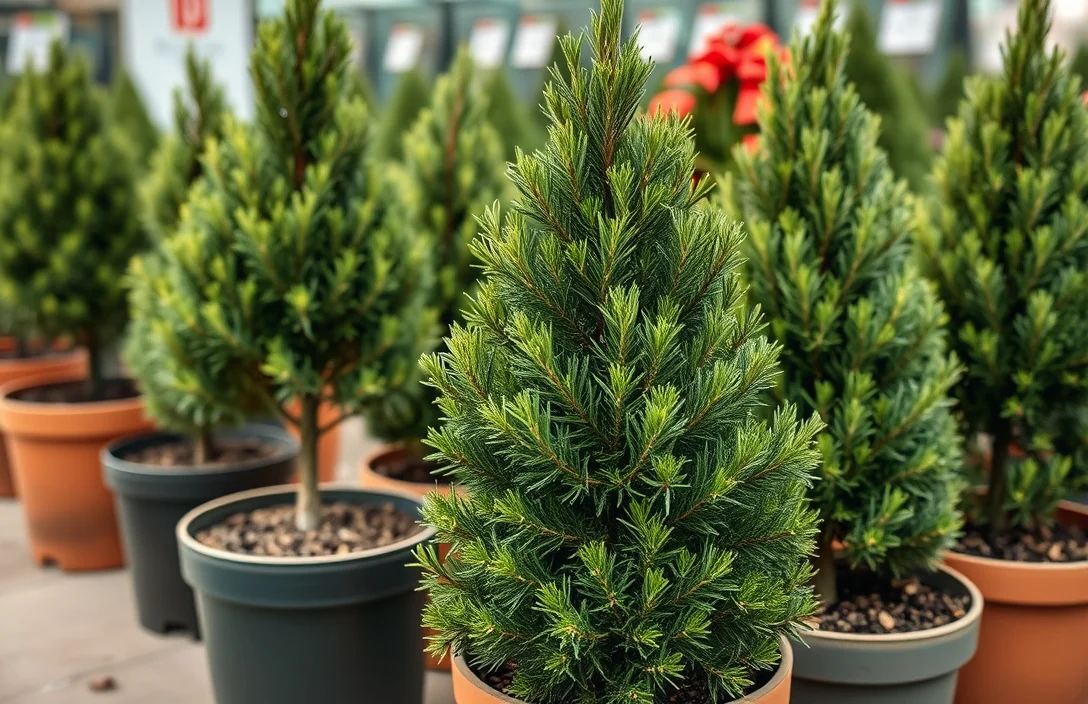
Dwarf Evergreen Trees For Pots: Best Species For Containers
Dwarf evergreen trees for pots work because many “dwarf” evergreens are genetically slower growers, so they stay compact enough to manage in containers for years. The trade-off is that potted evergreens dry out faster, and roots hate soggy soil. This guide covers practical picks, container sizing rules, and winter protection steps for growing container evergreens across the United States.
Dwarf evergreen trees for pots work best when you match the species to your climate, then give consistent sun, fast-draining soil, and container drainage that never stays wet. Plan for slow growth, and expect typical mature sizes of roughly 3 to 6 feet tall for many dwarf forms. Use a pot with drainage holes and avoid letting the root ball freeze solid.
Key Takeaways
- Choose based on sun. Pick full sun trees (like dwarf Alberta spruce) or partial shade picks (like dwarf Hinoki) for your exposure.
- Size the pot early. Most dwarf container evergreens do well starting around 10 to 20 gallons, then upsizing as roots fill in.
- Drainage beats fertilizer. Use an airy, fast-draining potting mix, and water only when the top inch dries.
- Prune lightly. Shape with selective snips, mostly in spring or early summer, and avoid hard cuts into old wood.
- Plan winter protection. Wrap the pot and insulate the root zone in freezing climates, especially in wind.
- Watch for root stress. Yellowing plus wet soil is a warning sign for poor drainage and root rot risk.
What to Grow
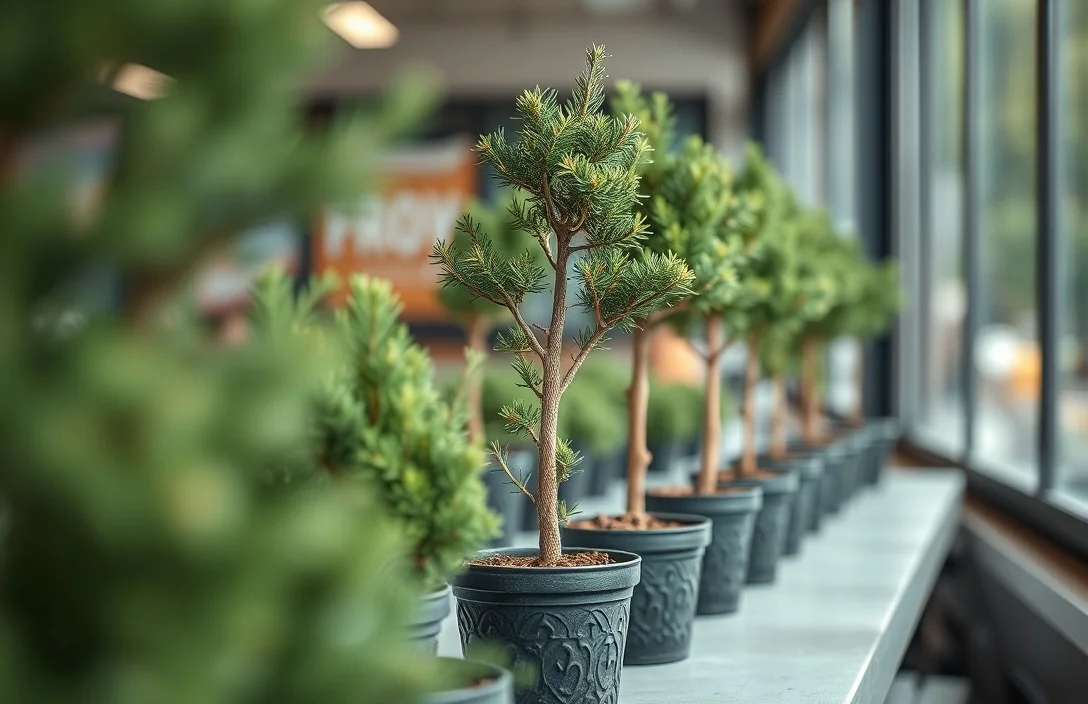
The fastest way to succeed is to grow “dwarf” evergreens that were selected to stay small, not regular trees you hope will behave in a pot. True dwarf forms grow slowly and keep a natural shape. Trying to force normal evergreens into miniature size usually leads to weak growth and root crowding.
Match the look and function to the species, then check climate hardiness. Do you want a tight, conical silhouette for a patio, a flat mounded look for a corner, or a feathery texture that spills over a container edge? Container growing also adds cold pressure, so pick a species that’s hardy where you live.
Good container “targets” to aim for
Potted evergreens usually fall into three practical categories. Conifers like spruces, firs, and pines keep their structure year-round. Dwarf cypresses and junipers tolerate shaping well and look sharp in mixed plantings. Dwarf broadleaf evergreens like some hollies (where hardy for your region) bring richer color and leaf texture than needle trees.
A reality check: “dwarf” is relative. A compact tree can outgrow a small patio pot if it lives there for a decade without soil refresh. Choose a dwarf size that fits your container lifespan, not just your current space.
Best Dwarf Species for Container Evergreens
For the safest container results in the U.S., start with dwarf conifers that are widely available, slow-growing, and compatible with container care. Then choose based on sun and how much shaping you’re willing to do.
| Dwarf evergreen (common name) | Key container trait | Best for |
|---|---|---|
| Dwarf Alberta spruce (Picea glauca ‘Conica’-type dwarfs) | Dense growth, classic cone shape | Full sun, formal patio planters |
| Dwarf Hinoki cypress (Chamaecyparis obtusa cultivars) | Fine texture, graceful mounding | Partial shade, refined look |
| Dwarf Japanese cedar (Cryptomeria japonica cultivars) | Soft foliage color, slower growth | Bright light without scorching heat |
| Dwarf mugo pine (Pinus mugo cultivars) | Rugged, keeps shape well | Wind-exposed patios, larger pots |
| Dwarf juniper (Juniperus squamata or procumbens-type dwarfs) | Tough, drought-tolerant once established | People who forget watering sometimes |
| Dwarf holly (Ilex glabra or suitable dwarf forms where hardy) | Broadleaf evergreen, seasonal interest | Mixed containers in milder regions |
Two placement details matter more than most people expect. Container evergreens need more sun than you think unless you’re in a cool coastal climate. In winter, protect them from drying winds, because exposed pot rims can desiccate foliage when the ground is frozen.
For many gardens, dwarf mugo pine and dwarf juniper are the most forgiving picks because they handle container quirks better than many spruces. Want the classic “Christmas tree” shape? Choose a dwarf spruce or dwarf cedar, then commit to close monitoring of soil moisture.
How Big Will Dwarf Evergreen Trees Get
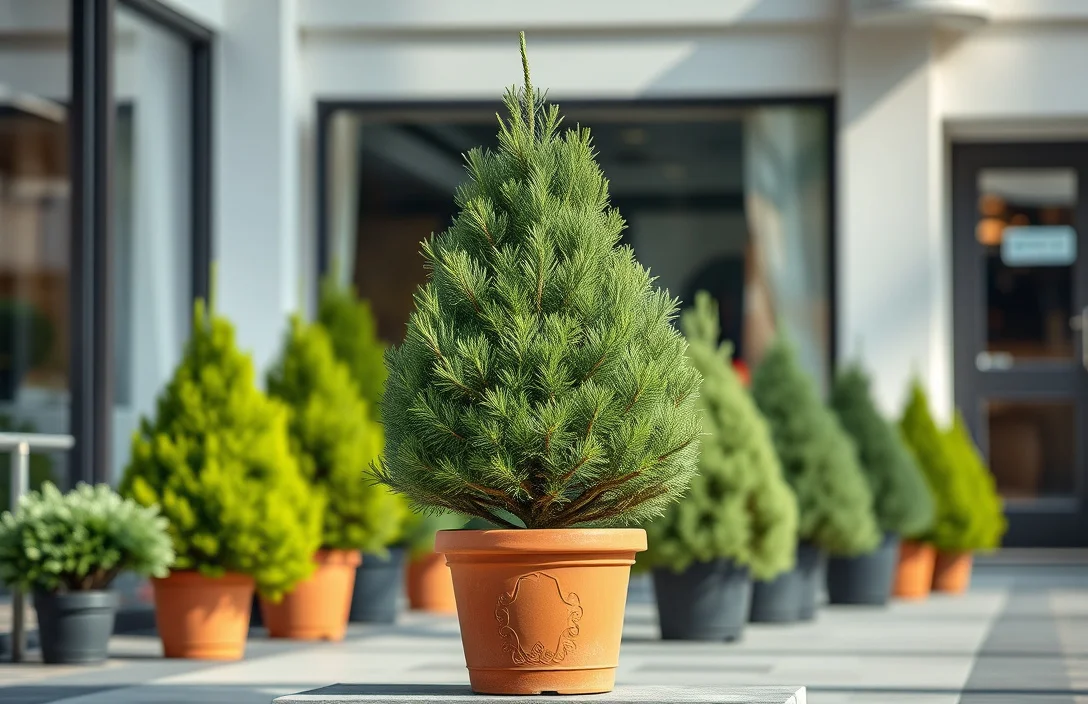
Dwarf evergreens in containers don’t stay dwarf forever. “Dwarf” usually means slow-growing and smaller, not permanently tiny. The real question is what height and width look like in 5 to 10 years when the pot limits root expansion.
Most dwarf conifers sold for pots end up several feet tall, and they spread too. Even if height seems modest, width matters because the root ball expands and the foliage canopy catches more wind and light.
The container size you choose sets the real upper limit
In practice, container-grown trees hit a “pot-limited” size. Roots press against the container boundary, growth slows, and the plant stays more compact than it would in the ground.
Pot limitation also increases stress. If you keep a tree too long in a container that’s too small, you’ll often see slower growth, fewer new tips, and more sensitivity to drought and freeze-thaw cycles. If you want predictable size, treat pot upsizing and partial soil refresh as maintenance, not an occasional “big upgrade.”
Typical growth patterns by type
Spruces usually keep a tight, conical outline, so height is the main size factor. Junipers often spread wider than you expect because many dwarf types form a broader base. Pines and cypresses may look compact at first, then widen gradually over time.
When shopping, use the mature height and width on the plant tag as your starting point. If the tag says “slow growth,” still confirm the mature dimensions, because “slow” can still become large over a decade.
Light, Water, and Soil for Potted Evergreens
Bright light is non-negotiable for container evergreens. Even shade-tolerant dwarfs generally want morning sun and protection from the hottest afternoon rays in full-sun regions. Indoors, most dwarf conifers struggle long-term unless you have a very bright window and realistic seasonal temperature changes.
Watering is where container care becomes different from in-ground care. Pots drain faster, so the top layer dries sooner. You can get drought stress even when the pot still feels heavy from earlier watering.
The practical watering rule that works
Water deeply until excess drains out the bottom, then wait until the top inch of mix dries before watering again. If water runs through without fully wetting the root ball, the mix may be too coarse for your watering method, or the mix may have dried into a hydrophobic block. In that case, submerging the pot briefly can help restart even wetting.
Avoid the common mistake: watering on a calendar no matter what. Container evergreens respond to weather. Heat waves increase evaporation, and cool humid spells slow it down.
Soil that prevents root rot
Use a high-quality potting mix made for containers, but prioritize structure over “richness.” The mix needs air so roots can breathe. Dense garden soil in a pot holds water too long and drives root rot risk.
A reliable approach is potting mix plus extra drainage amendments if your climate is very wet or your pots are heavy. The goal is simple: water moves through, then the mix re-wets evenly without staying soggy for days.

Helpful pick
Golden Fernleaf Hinoki False Cypress – Live Plant – (2.5 QT)
Well-suited for bright light in pots, this Hinoki supports the section’s sun-focused guidelines.
Pot Size, Drainage, and Root Health
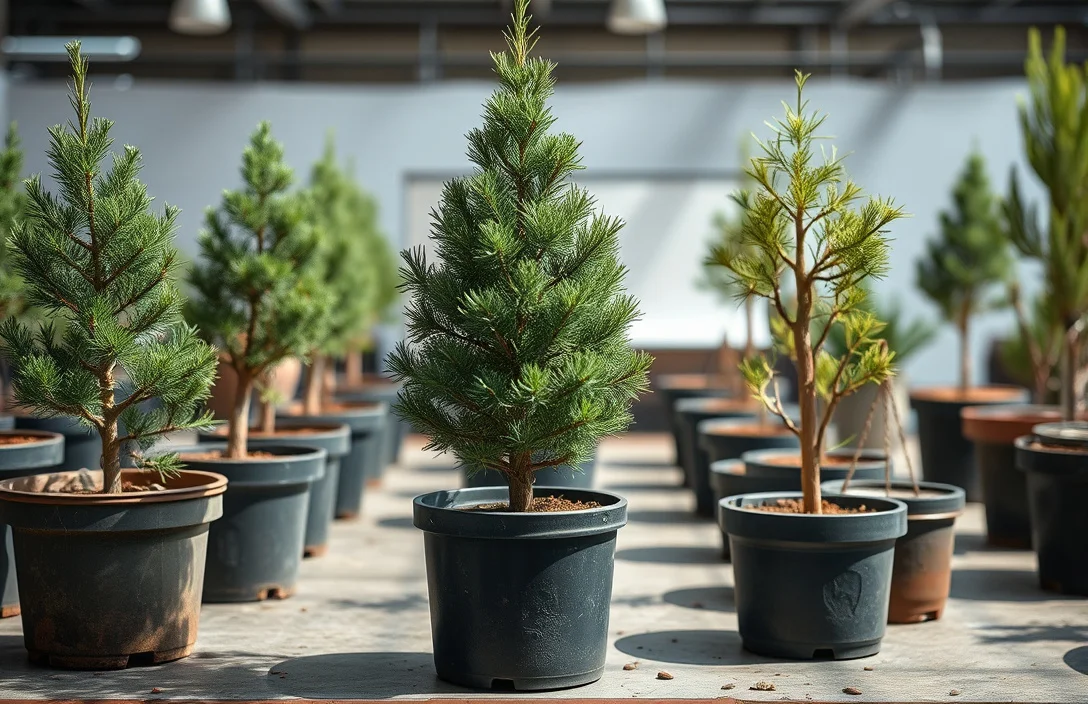
The right pot size keeps your evergreen alive through the two biggest container risks: overwatering and temperature extremes. Drainage is the other half of the equation. A pot can be the right size and still fail if water sits in the bottom.
Drainage holes are mandatory. Set the pot up so water can escape instead of pooling beneath it. Elevate the pot slightly so it doesn’t sit directly on a solid surface that traps runoff. If you use a saucer, empty it after watering.
Choose pot size based on the tree’s stage
For a small dwarf evergreen started in a nursery pot, move up gradually instead of jumping to a huge container right away. A too-large pot holds water for too long, and roots can suffocate before they grow into the new mix.
Many people keep established dwarf container evergreens around roughly 10 to 20 gallons as a sweet spot for stability, depending on species and how tightly you want to control size. Bigger pots buffer temperature swings and reduce watering frequency.
Refresh soil when roots fill in
Potting mix breaks down over time. Refresh the top few inches annually, and plan for repotting or partial root work when the root ball is circling or the mix dries extremely fast. Healthy roots stabilize water uptake, which usually means fewer yellow needles and less stress during seasonal changes.
Root health also affects winter survivability. A wet mix that freezes hard can damage roots and reduce spring regrowth. Improve airflow and drainage, then use winterizing insulation around the pot body.

Helpful pick
Dwarf Italian Cypress Tree – Live Mediterranean Evergreen for Landscaping, Low Maintenance, Air Purifying Outdoor Plant, Perfect for Garden Hedges and Privacy Screens (1gal Pot, 1-2ft)
Ideal for pots, this dwarf Italian Cypress supports root health with proper drainage and space.
Pruning and Shaping Dwarf Evergreens in Containers
Dwarf evergreens look tidy because they’re trained over time, not because you make one cut and walk away. Container conditions already stress the plant, so pruning should support growth, not remove too much foliage.
Prune when the plant can replace what you remove. For most dwarf conifers, late spring into early summer is a workable window because new growth is active, but you’re not pushing harsh regrowth late in the season.
How to prune without damaging the tree
Use selective pruning. Remove dead or weak tips first, then lightly shape the outer edge to maintain form. Avoid hard “haircuts” into bare old wood on many conifers because they often don’t produce new buds from older sections.
When you pinch new growth (common for dense dwarf spruces), shorten the tips to reduce length and encourage branching. Do it gently across the canopy so you don’t create lopsided growth.
Train the shape, don’t fight it
Conifers like dwarf spruce and dwarf mugo pine naturally want a conical shape or layered structure. Let that happen. Junipers and cypresses can handle shaping, but they still respond best when you correct the silhouette gradually rather than forcing it in one pass.
For a neat patio “specimen” look, rotate the container every couple of weeks during the growing season. That simple habit balances light exposure and reduces the need for aggressive pruning.

Helpful pick
4 Hollywood Juniper – Sculptural Twisted Evergreen Conifer Shrub for Hedges, Borders & Container Planting (Juniperus chinensis ‘Torulosa’) in 3.5″ Cubes, Live Plants
Perfect for pruning and shaping in containers, its sculptural form thrives with regular trimming.
How to Prevent Winter Damage in Pots
Winter damage in pots usually isn’t about cold alone. It’s about freeze-thaw cycles, wind exposure, and a container that dries out while the ground is frozen.
In-ground trees access deeper, steadier soil temperatures. Pots are more exposed, and the root zone can swing cold and dry, especially on patios, building corners, or rooftops where wind funnels.
Winter protection that actually helps
Insulate around the pot first, not just the tree. Wrap the container with an insulating blanket or burlap plus a layer of bubble wrap, then secure it so winter wind can’t rip it off. Keep the wrap away from tight contact with wet leaves to reduce mildew risk.
Place the pot where it’s sheltered from harsh wind and gets some sunlight during the coldest months. If you can move it, a garage or unheated porch with light is a good backup as long as temperatures don’t repeatedly drop below the tree’s hardiness.
Watering before freeze is important
Water thoroughly before the ground freezes, especially if fall has been dry. Don’t keep watering through winter unless you get a prolonged thaw and the mix dries out. Enter winter with a properly hydrated root zone to reduce desiccation.
Don’t pile heavy mulch directly against the trunk. With potted evergreens, you’re protecting the pot and root zone, not trapping moisture against the stem.
FAQ
What is the easiest dwarf evergreen tree for pots?
Dwarf juniper and dwarf mugo pine are often the easiest container evergreens because they’re tougher about drying and root stress. They also tend to keep their shape even if you miss a watering now and then. Still, you need drainage holes and fast, airy potting mix, because soggy roots are the real failure mode.
How often should I water dwarf evergreens in containers?
Water deeply until excess drains out, then wait until the top inch of the mix dries. Warm weather can mean every few days; cooler weather can stretch to once every 1 to 3 weeks. The calendar is unreliable. Check the top inch each time and adjust based on heat, rainfall, and local conditions.
Are dwarf evergreens in pots more vulnerable to winter damage?
Yes. A pot freezes faster than ground soil, and wind can dry foliage while roots struggle to take up water. Insulate the container and place it where it’s sheltered from wind. Water thoroughly before the first hard freeze, then reduce watering until conditions thaw.
Should I fertilize dwarf evergreens in containers?
Use a slow-release evergreen fertilizer in spring, and skip heavy feeding late in the season. Too much nitrogen can push soft growth that cold can damage. If your tree grows slowly but looks healthy, you may only need light feeding once a year plus fresh topdressing.
What’s the most common mistake with dwarf evergreens in pots?
Ignoring drainage and keeping the mix too wet causes the biggest problems. Yellowing needles plus consistently damp soil usually points to poor airflow and root stress, not “lack of fertilizer.” Use a pot with drainage holes, empty saucers after watering, and choose an airy container mix that re-wets evenly.
A practical next step: pick your spot first (how many hours of sun, how windy it is), then choose one dwarf species from the list that matches that exposure, and size your starting pot so you can maintain it for at least a season without drowning or drought stress.

- 10 Best Slow Cooker For Simple Cooking 2026 (Tested And Reviewed) - October 18, 2026
- 10 Best Slow Cooker For Convenient Cooking 2026 (Tested And Reviewed) - October 18, 2026
- 10 Best Slow Cooker For Quick Preparation 2026 (Tested And Reviewed) - October 18, 2026