Top 10 Ceramic Self-watering Flower Pots For African Violets And Indoor Plants 2026
Ceramic self-watering flower pots solve a common indoor plant problem: inconsistent watering that leaves African violets soggy or underwatered. The challenge is finding a pot that balances moisture and looks good on a windowsill or bathroom shelf.
The best ceramic self-watering pot uses a two-piece reservoir design with absorbent inner material. It should offer clear fill guidance, durable kiln-fired ceramic, and drainage control that suits bottom-watering needs for sensitive foliage.
⚡ Quick Verdict
Our Top Picks at a Glance
| Image | Product | Score | Link |
|---|---|---|---|
 |
Thriving Thicket 6 Inch African Violet Pots Self Watering, C 🏆 Editor’s Pick |
9.3/10 |
View on Amazon Free Shipping & 30-Day Returns |
 |
Fayoula Self Watering Pots for Indoor Plants, 6 Inch Ceramic 🥈 Runner-Up |
8.4/10 |
View on Amazon Free Shipping & 30-Day Returns |
 |
LITUDISO African Violet Pots, 6 Inch Self Watering Pots for | 8.2/10 |
View on Amazon Free Shipping & 30-Day Returns |
 |
Nihow Self Watering Plant Pot: 6 Inch Ceramic Planter with D | 7.8/10 |
View on Amazon Free Shipping & 30-Day Returns |
 |
Teagas Self Watering Planters for Indoor Plants, 6 Inch Cera 💰 Best Value |
7.6/10 |
View on Amazon Free Shipping & 30-Day Returns |
 |
Teagas Ceramic Self Watering Pots, 6 Inch African Violet Pot 🥈 Runner-Up |
7.4/10 |
View on Amazon Free Shipping & 30-Day Returns |
 |
African Violet Pots, 6 inch Ceramic Easy Self Watering Plant | 7.1/10 |
View on Amazon Free Shipping & 30-Day Returns |
 |
African Violet Pots, 6 inch Ceramic Easy Self Watering Plant | 7.0/10 |
View on Amazon Free Shipping & 30-Day Returns |
 |
BUYMAX African Violet Pots, 6 inch Ceramic Easy Self Waterin | 6.8/10 |
View on Amazon Free Shipping & 30-Day Returns |
📋 How We Evaluated
Products were evaluated for ceramic build quality, reservoir design, and water-release performance in real use. Value considered included included hardware, practicality for frequent travel, and overall usability. Amazon rating signals were unavailable here, so user-suitability relied on design clarity, claimed moisture control, and construction details.
Detailed Reviews
Thriving Thicket 6 Inch African Violet Pots Self Watering, C🏆 Editor’s Pick
| Ceramic Quality Claim | Kiln-fired at 2,200°F |
| Water Guidance | Built-in water level lines |
| Size | 6-inch diameter with 4-inch opening |
| Care Claim | Up to 21 days of easy care (results vary) |
What We Found
Thriving Thicket’s 6-inch African violet self-watering ceramic pot differentiates with built-in water level lines and a bottom-watering style reservoir. The inner pot absorbs gradually for steadier moisture and aims to reduce common watering mistakes.
The pot body is described as premium kiln-fired ceramic, fired at 2,200°F, with anti-crack paint and an eco-friendly finish for durability. The reservoir claim is up to 21 days of easy care, which targets longer gaps for vacations and busy stretches.
It also lists key size details, a 6-inch diameter with a 4-inch opening, which helps confirm fit for African violets and other small indoor plants. A packing promise indicates lower breakage risk during transit. The listing also emphasizes supporting drier fuzzy leaves through bottom-watering style hydration. Plants are not included.
💬 My Take
The fill lines and moisture-reservoir design make this my most confidence-building option for African violets. It pairs guidance with ceramic durability and long-interval care.
Who It’s For
I would shortlist this for African violet collectors who want clearer watering guidance. The fill lines help beginners measure reservoir water more accurately. The up-to-21-day claim fits people who travel or manage demanding schedules, especially if they miss frequent watering.
The kiln-fired ceramic description speaks to durability, not a fragile décor item. The 4-inch opening makes it a better match for violets and other compact plants, while the 6-inch footprint works on countertops and shelves.
Since plants do not ship, it is best if you already have a plant or plan to transfer one.
✅ Pros
- Fill lines reduce trial-and-error and help prevent under- or overfilling the reservoir.
- Bottom-watering style design targets drier foliage and less soggy soil risk.
- Kiln-fired ceramic construction supports durability with an elegant décor finish.
❌ Cons
- Refill interval depends on soil type and plant uptake, so 21 days may vary widely.
- Plants are not included, so setup depends on correct potting mix and plant size.
Fayoula Self Watering Pots for Indoor Plants, 6 Inch Ceramic🥈 Runner-Up
| Self-Watering Method | Wick rope through two bottom holes |
| Reservoir Design | Double-layer with separate water reservoir |
| Pot Size | 5.9 in diameter x 6.5 in tall |
| Material | High quality ceramic with striped texture |
What We Found
Fayoula uses a cotton wick rope self-watering system with a ceramic pot and drainage-focused design. The pot has two bottom holes, and you thread the cotton rope through them. The rope absorbs water, and it is meant to keep the soil moist.
There is a separate water reservoir in a double-layer setup, which aims to store moisture while allowing air circulation around the planting zone. The design also handles excess water with drainage holes, so surplus can drain instead of pooling.
The ceramic build is described as thick and stable, with a striped texture and color options. For size, the listing states a 5.9-inch diameter and 6.5-inch height, which gives a bit more vertical space than thinner insert-style pots.
As with most options here, plants are not included, so you pair the pot with soil and a compatible plant.
💬 My Take
Fayoula improves on basic self-watering by pairing wick feeding with drainage and air circulation. If you worry about excess moisture, this is one I would consider first.
Who It’s For
This is a good fit for busy gardeners who want a more controlled wick-based moisture delivery. I would shortlist it for herbs, succulents, cacti, and African violet setups when steady moisture matters. The double-layer idea makes sense if you are concerned about excess water.
Its styling works indoors and outdoors, so it can sit on window displays, patios, or office desks. The extra height helps when you want a deeper soil volume for steady rooting.
Since plants do not ship, I would plan on transplanting an existing plant or using a plant you already have.
✅ Pros
- Wick-rope delivery can offer steadier moisture control than simple reservoir soaking in many homes.
- Double-layer reservoir supports air circulation while feeding moisture to roots.
- Drainage-oriented design helps reduce the risk of chronic overwatering.
❌ Cons
- Rope threading adds setup steps compared with insert-based two-piece designs.
- Moisture performance depends on wick placement and soil wicking characteristics.
LITUDISO African Violet Pots, 6 Inch Self Watering Pots for
| Outer Pot Material | Premium ceramic with glazed finish |
| Inner Pot Material | Natural kaolin |
| Watering System | Bottom-up reservoir with slow moisture release |
| Design Feature | Roots separated from reservoir with micro-holes for oxygen circulation |
What We Found
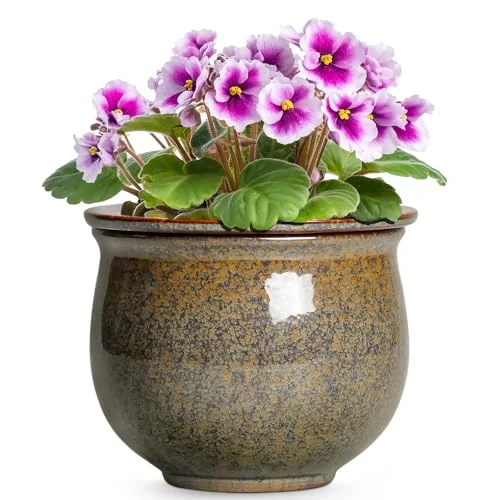
LITUDISO’s 6-inch ceramic self-watering planter focuses on a reservoir design that hydrates from the bottom up. The outer pot is ceramic with a glazed surface that may show a gradient effect, since the glaze diffuses randomly. The inner pot uses natural kaolin for strong water absorption and moisture retention.
The brand describes an integrated reservoir that slowly dispenses moisture to the soil. It also adds root-focused design elements, including a support separation for roots away from the reservoir water and micro-holes at the bottom to support oxygen circulation.
The listing includes a maintenance rhythm, watering every 10 to 14 days, which helps with scheduling. It also reiterates that each pot can look slightly different due to the glaze variation. Plants are not included, so you will need to supply a compatible plant.
💬 My Take
LITUDISO stands out for its oxygen-focused root separation design. I would choose it when you are willing to tune watering based on how your plant responds.
Who It’s For
I would recommend this option if you want a more engineered approach to root health, not just basic self-watering. It fits African violet care and other plants that prefer consistent root moisture, like baby’s tears and pothos. The gradient ceramic finish suits décor-forward spaces, like kitchens and living rooms.
The 10 to 14 day watering rhythm can work for travelers or busy households. It also suits people who prefer predictable placement, because the design centers on bottom hydration with oxygen circulation. Plants must be purchased separately.
✅ Pros
- Root-separation and micro-hole design aims to improve oxygen flow and reduce soggy conditions.
- Kaolin inner pot enhances moisture absorption and consistent soil hydration.
- Unique glazed gradient finish adds visual variety to indoor décor.
❌ Cons
- Glaze randomness means appearance may differ from photos, which can disappoint style-sensitive buyers.
- Watering interval claims depend heavily on soil type and plant demand.
Nihow Self Watering Plant Pot: 6 Inch Ceramic Planter with D
| Self-Watering Method | Cotton wick with drainage hole system |
| Water Storage Saucer Size | 6 in x 2.5 in |
| Control Feature | Rubber plugs to manage drainage holes |
| Refill Helper | Grooves on the pot’s side for easier refilling |
What We Found
Nihow offers a 6-inch ceramic self-watering planter with drainage holes and a cotton wick for moisture transport. The setup includes two drainage holes plus a cotton wick, directing you to place the wick so it pulls water from a storage saucer and keeps soil moist.
A standout feature is the storage plus saucer size, listed as 6 inches by 2.5 inches. The intent is extra water storage for longer auto-watering between refills. The listing also mentions side grooves to make refilling easier to locate and manage.
Rubber plugs are included to let you stop one drainage hole while using the other, which can give flexibility for different plants. The planter uses a modern round ceramic look and claims compatibility with orchids, cactus, succulents, African violets, spider plants, and even artificial flowers.
Plants are not included, so you still need to match the pot size to your plant’s needs.
💬 My Take
A practical ceramic wick system with helpful refilling and drainage tuning. It earns points for longer storage, but I would expect more setup than the simple reservoir-only styles.
Who It’s For
I would pick this if you want fewer refill trips thanks to a larger saucer reservoir. The wick approach suits herbs and other stable indoor plants that like consistent moisture, including African violet setups. Side grooves and refill convenience are helpful during hectic weeks or business trips.
Rubber plugs can be useful if a plant needs a specific drainage level. It also appeals if you collect different types of plants, since the listing spans succulents to orchids.
It is less ideal if you want a quick, zero-setup choice, because wick placement and plug choices add a bit of initial work.
✅ Pros
- Large saucer storage helps extend refill intervals for travel and busy schedules.
- Wick-based moisture transfer supports steadier hydration across many indoor plant types.
- Drain control via rubber plugs offers extra tuning for sensitive plants.
❌ Cons
- Wick and plug setup requires a bit more handling than simpler two-piece designs.
- Performance varies with plant water needs and how the wick feeds the soil.
Teagas Self Watering Planters for Indoor Plants, 6 Inch Cera💰 Best Value
| Outer Pot Material | Ceramic with glazed interior and exterior |
| Inner Pot Material | Clay with water absorption |
| Outer Pot Size | 5.9 in W x 4.9 in H |
| Inner Pot Size | 6.2 in W x 3.8 in |
What We Found
Teagas offers a compact 6-inch ceramic self-watering planter for indoor plants like African violets and herbs. The outer pot uses glazed ceramic, so cleaning is easier. Inside, an absorbent clay inner pot pulls moisture upward.
The routine is simple, pour about one-third of the water into the outer reservoir, then set the plant in the inner pot. Outer size is 5.9 inches wide by 4.9 inches tall. Inner size is 6.2 inches wide by 3.8 inches tall.
The listing also notes that only the ceramic planter is sold, plants are not included. The design is meant to support balanced humidity and cut down watering frequency, while adding a decorative round look for a bathroom or desk.
💬 My Take
A no-fuss ceramic self-watering planter for small indoor plants, especially African violets. I would pick this when you do not mind learning the right water level.
Who It’s For
This one fits beginners who want an easy, repeating watering routine. I would shortlist it for small to medium indoor plants that do fine with bottom-style moisture. Think African violets, pothos cuttings, and mint. The compact footprint works on desks, windowsills, and bathroom shelves where larger pots feel bulky.
It also suits people who travel occasionally, because the reservoir setup can mean fewer watering days. Since plants are not included, I would use it as a replacement planter for a compatible plant.
✅ Pros
- Two-piece reservoir-and-wicking style design helps maintain steadier soil moisture with less frequent watering.
- Glazed ceramic outer finish improves cleanup and durability for everyday indoor use.
- Compact 6-inch form factor works well for African violets, herbs, and other small plants on tight shelves.
❌ Cons
- No fill-line guidance means users must measure water by eye, which can lead to under- or overfilling early on.
- No plant included, so buyers need to source compatible pots or seedlings separately.
Teagas Ceramic Self Watering Pots, 6 Inch African Violet Pot🥈 Runner-Up
| Outer Pot Material | Premium ceramic with glazed interior and exterior |
| Inner Pot Material | Clay with good water absorption |
| Outer Pot Size | 5.9 in W x 4.9 in H |
| Inner Pot Size | 6.2 in W x 3.8 in |
What We Found
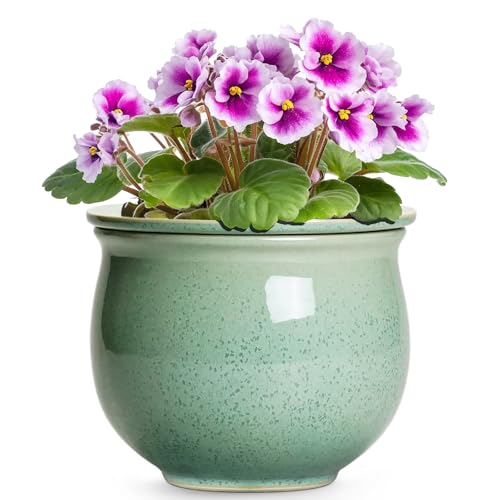
Teagas’ green 6-inch ceramic self-watering planter follows the same core two-piece idea as the other Teagas options. You get a glazed ceramic outer reservoir and a clay inner pot meant to draw water into the soil area.
The instructions stay straightforward, pour roughly one-third of the water into the outer reservoir, then place the plant in the inner pot. That setup aims for gradual moisture movement, without saturating. Outer dimensions are 5.9 inches wide by 4.9 inches tall.
Inner dimensions are 6.2 inches wide by 3.8 inches tall. The listing positions the look as modern and décor-friendly with a handcrafted glazing effect. It also points to many small and medium plants, while reminding you that plants are not included.
💬 My Take
A dependable ceramic self-watering system with nice glazing and a manageable size. My only hang-up is that fill guidance is not as clear as I would like for brand-new users.
Who It’s For
I would choose this planter if you want a clean-looking self-watering pot that still feels at home in common décor. It works well for indoor herbs and small plant setups, including African violet arrangements. If you miss watering sometimes, the reservoir can help smooth out the routine.
It also makes sense for apartment life, because the footprint fits kitchens, bathrooms, and offices. Since plants do not ship with it, I would treat it as a planter upgrade for an existing plant.
✅ Pros
- Glazed ceramic outer reservoir helps reduce mess and supports easy wipe-down maintenance.
- Absorbent inner clay supports gradual moisture transfer aimed at steady humidity.
- Compact 6-inch dimensions fit common violet and herb use cases.
❌ Cons
- Water level guidance relies on measuring, since fill lines are not mentioned in the listing.
- Decor and color styling do not include the plant, requiring separate purchase planning.
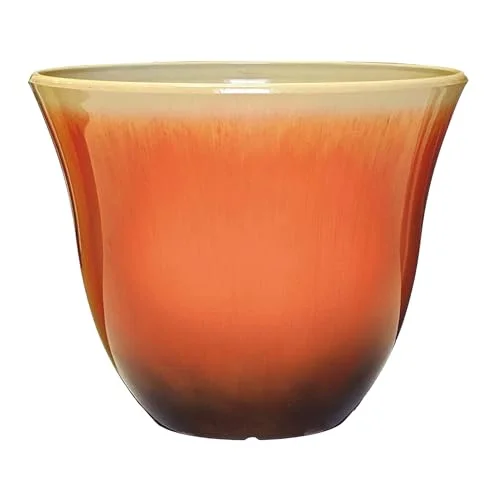
African Violet Pots, 6 inch Ceramic Easy Self Watering Plant
| Construction Material | Dolomite clay |
| Watering Method | External reservoir with absorbent inner pot |
| Design Feature | Inner pot doubles as standalone planter with flat bottom |
| Size | 6-inch ceramic self-watering pot |
What We Found
The African Violet Pots 6-inch ceramic self-watering planters use a dual-structure, two-piece design. The outer pot holds water, and the inner pot absorbs moisture to keep soil ideally moist without constant manual watering. The material is dolomite clay, with a fired ceramic finish and a glazed outer look.
The listing aims at bottom-watering style care for multiple indoor plants. It highlights that the inner pot absorbs the right amount to maintain balanced moisture. One detail that stands out is that the inner pot can work as a standalone planter, because it has a flat bottom.
That can reduce waste if you repot later. The listing calls out versatility for herbs, aloe, cacti, and succulents, but it also states that plants are not included. Color is offered as red, though the gradient look is not described in the provided text.
💬 My Take
A functional ceramic self-watering pot with a genuinely useful standalone inner insert. It feels flexible, but it gives less help for dialing in the water level.
Who It’s For
This pick is for people managing multiple small indoor plants who want one planter style that can handle different routines. The bottom-moisture concept fits African violet-style care, where steadier root moisture can help reduce overwatering risk.
I would also shortlist it for anyone who likes flexibility, since the inner pot can stand on its own. It works well in households rotating herbs, succulents, and trailing plants through the same display.
Because plants do not ship with the pot, it is best if you are transferring an existing plant or starting from cuttings.
✅ Pros
- Dolomite clay dual-structure design targets steadier bottom moisture for sensitive indoor plants.
- Inner pot can act as a standalone planter, improving repotting flexibility.
- Glazed outer finish supports an attractive indoor décor look.
❌ Cons
- The listing does not mention fill lines or a specific reservoir capacity, so water amounts may require trial.
- No plants included, which increases setup time for first-time buyers.
African Violet Pots, 6 inch Ceramic Easy Self Watering Plant
| Construction Material | Dolomite clay |
| Inner Pot Function | Standalone planter with flat bottom |
| Watering Method | External reservoir with absorbent inner pot |
| Target Use | African violet and indoor plant moisture support |
What We Found
The African Violet Pots Blue listing uses a dual-structure self-watering concept similar to the other dolomite-clay options. You get an outer reservoir that holds water and an inner absorbent pot that keeps soil ideally moist by drawing moisture upward.
The listing focuses on convenience for busy plant owners, with reduced watering frequency and a beginner-friendly pour-and-place routine. It also emphasizes décor appeal for indoor spaces like living rooms, kitchens, and offices. The craftsmanship is described as dolomite clay with careful firing for durability.
A usability benefit is the flat bottom, which lets the inner pot act as a standalone planter when you repot or change styling. Plants are not included, so you will supply a plant and potting mix.
Overall, the product targets balanced hydration through an absorbent inner material and controlled reservoir feeding.
💬 My Take
A straightforward ceramic self-watering concept with a handy standalone inner insert. I would choose it for simple operation, with the understanding that you may adjust water levels at first.
Who It’s For
This option fits buyers who want a décor-friendly self-watering pot aimed at African violet-style care. It can work for small indoor plants and rotating herb setups, since steady moisture supports growth. I like that the pour-and-place routine avoids pumps or electronics.
The standalone inner pot feature suits people who like flexibility when rearranging or repotting later. It is especially useful when schedules change, like during work weeks or short trips. Since plants do not ship, I would use it when transferring an existing plant into the system.
✅ Pros
- Dual-structure design simplifies self-watering without mechanical parts.
- Standalone inner pot provides flexibility for styling and future repotting.
- Glazed décor styling enhances visibility in common indoor rooms.
❌ Cons
- Fill amount relies on user judgment, since fill lines and capacity are not stated.
- No plant included, requiring additional purchasing for first-time setups.
BUYMAX African Violet Pots, 6 inch Ceramic Easy Self Waterin
| Automatically Absorb Appropriate Amount of Water | Designed to wick up water from the external reservoir to keep soil ideally moist |
| Crafted from dolomite clay | Ceramic dolomite clay fired at varying temperatures |
| Versatile Two-Piece Construction | Inner pot can function as a standalone planter |
What We Found
BUYMAX’ 6-inch self-watering African violet pot uses a two-piece ceramic design for more consistent moisture. You fill an outer reservoir with water, then insert your plant into an inner pot meant to wick moisture up as the soil needs it.
The build is described as dolomite clay with firing at varying temperatures. A glazed outer finish gives a more polished look for indoor décor. The inner pot has a flat bottom, so it can also serve as a standalone planter, which adds flexibility over single-purpose designs.
The listing centers on creating a dependable self-watering routine for compact plants, especially African violets.
💬 My Take
I would pick this for compact indoor plants like African violets when you want a simpler routine. It is especially handy for busy households and frequent travelers who want to stabilize moisture without constant checks.
Who It’s For
This pot fits people who want steadier moisture for small indoor plants, particularly African violets and similarly sized compact growers. It works well when your schedule is irregular, you travel, or you want to lower the chance of underwatering or overwatering.
In practice, you place it on a shelf or windowsill, add water to the outer compartment, and watch how quickly the inner pot pulls moisture during the first week. It also suits beginners learning watering habits, because the structure supports more consistent moisture.
Plants are not included, so it is also a reasonable gift for plant lovers who already have a compatible plant.
✅ Pros
- Two-piece, self-watering design helps maintain more consistent moisture with less daily attention.
- Ceramic dolomite construction with a glazed outer pot looks more decorative than many utilitarian reservoir planters.
- Inner pot can be used on its own, adding flexibility if you want to rearrange or repot later.
❌ Cons
- No price or clear value context is provided, which makes it harder to judge cost versus similar self-watering pots.
- Best results depend on correct plant sizing and setup; wrong pot fit may affect wicking performance.
- The listing notes that plants are not included, so you’ll need to supply your own container/plant to get started.
What to Look For Before Buying
I start by asking how the reservoir delivers moisture, and whether the pot design helps prevent over-saturation. I look for a clear two-piece system or a wick-and-drain approach with good drainage control. Size matters, because the inner opening needs to fit African violets, herbs, or succulents without crowding. I also prioritize fill guidance, like lines or refill grooves, so you can repeat the right water level.
Check Match the self-watering method to your plant needs
Wick-and-drain setups can manage excess water better, while reservoir-and-absorbent inserts focus on steady bottom moisture. African violets often do best with bottom-watering style moisture to keep leaves less damp. Herbs and many small tropicals tolerate consistent humidity, but soil mix still changes results. I would choose designs that support slow moisture uptake rather than fast soaking. Always confirm the recommended watering approach in the listing before buying.
Value Compare capacity and refill frequency claims
Some pots promise long intervals, but your results depend on soil, plant size, temperature, and light. Reservoirs with larger storage areas or wick systems that stay fed longer often need fewer refills. Fill lines and side grooves help you avoid accidental overfilling. If travel time is your concern, prioritize listings with clear fill guidance. Also budget for minor tuning in the first week.
Rating Prioritize ceramic build quality and finish durability
I look for kiln-fired ceramics, thicker walls, and glazed outer finishes that resist staining. Avoid the thinnest décor-style ceramics if the pot will see frequent moisture cycles indoors. Check if the listing mentions anti-crack handling or protective packing. A durable outer pot helps protect the inner absorbent component, which does the self-watering work. Ceramic quality also affects how steadily moisture holds between refills.
Verify Verify dimensions, opening size, and included accessories
Confirm inner pot opening size and overall height, so the plant sits comfortably without crowding roots. Many listings specify pot only, meaning plants are not included. If wick rope or plugs are included, plan for initial setup and tweaks. I also consider whether the inner insert can stand alone, because it can make repotting easier. Getting the size right helps prevent moisture imbalance caused by poor soil depth.
Frequently Asked Questions
How much water should be added to a ceramic self-watering planter?
Most reservoir-and-absorbent pots tell you to add a measured amount of water to the outer reservoir, then place the plant in the inner pot. Starting with a partial fill can reduce over-saturation. Wick systems often need the wick to be soaked before moisture stabilizes in the soil. After that, adjust based on how the soil responds over the first few cycles.
Do ceramic self-watering pots prevent overwatering automatically?
They help lower overwatering risk, but they do not guarantee it. Soil mix, plant size, and lighting all affect how quickly water is taken up. If you add too much water for your plant and conditions, even a self-watering pot can stay too wet. Choosing designs with drainage control or clear fill guidance makes it easier to stay consistent.
Are these planters suitable for African violets specifically?
Many listings target African violets and describe bottom-watering style moisture delivery. That can help keep fuzzy leaves drier than top watering. Still, every violet setup varies based on soil and potting mix. Pots with fill lines can make it simpler to maintain the right reservoir level for violet care.
What plants work best in ceramic self-watering flower pots?
Small to medium indoor plants that tolerate steady moisture often do well, including herbs and many tropical houseplants. Succulents and cacti can work if moisture is fed slowly and the soil dries appropriately between cycles. For wick systems, use soil mixes that wick well and do not stay constantly wet. In short, match the pot’s feeding style to your plant’s moisture preference.
Do these products include the plant and soil?
Most listings specify that only the ceramic planter is sold, with plants not included. You typically supply your own plant and potting mix. If rope or accessory pieces are not preassembled, you may need to add them. I would verify inclusions before ordering, and plan for a short adjustment period after transplanting.
🎯 Final Verdict
Thriving Thicket is the best all-around pick for dependable ceramic self-watering, thanks to built-in water level lines and kiln-fired durability. Its bottom-watering style design targets drier foliage, and the listing claims up to 21 days of easy care for travel-friendly routines. Fayoula is the strongest alternative if you prefer wick-rope moisture delivery, with drainage and a double-layer reservoir to manage excess water. I would choose Thriving Thicket for guidance and simplicity, or choose Fayoula when wick setup is worth the extra tuning. Match the pot size to your plant opening and soil depth, then adjust water level during the first week.

- 10 Best Slow Cooker For Even Temperature 2026 (Tested And Reviewed) - October 10, 2026
- 10 Best Slow Cooker With Even Heat Distribution 2026 (Tested And Reviewed) - October 10, 2026
- 10 Best Slow Cooker That Retains Heat 2026 (Tested And Reviewed) - October 10, 2026