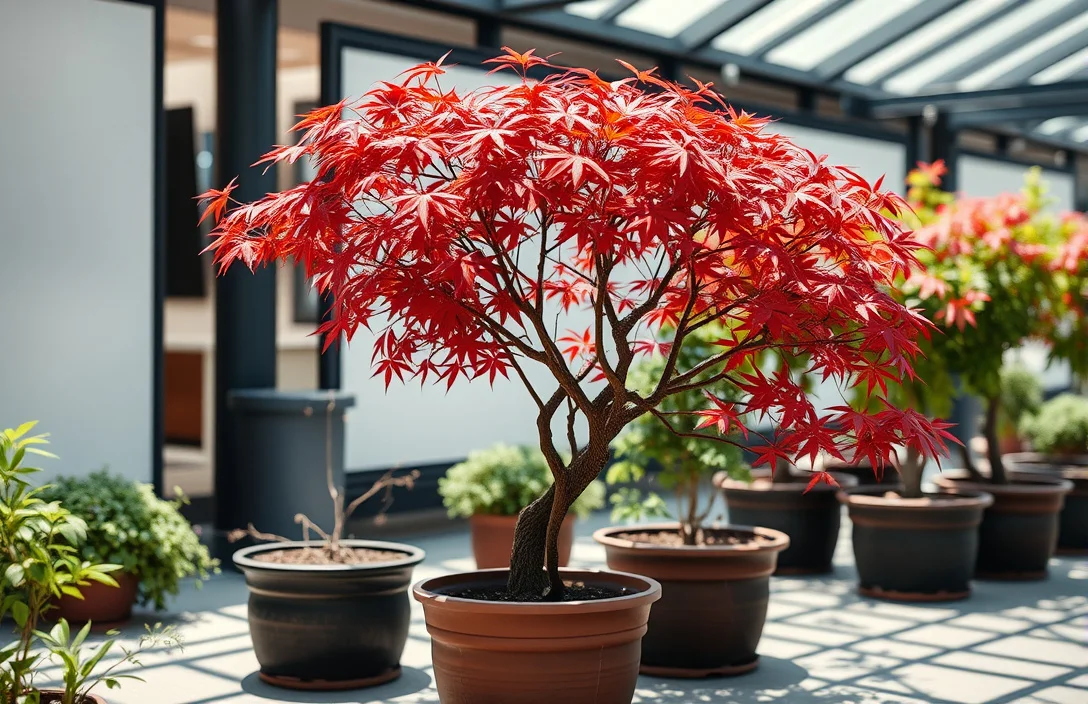
Japanese Maple Tree In Pots: 6 Essential Care Tips
Japanese maple tree in pots is one of those “easy until it isn’t” projects. The tree can look perfect for weeks, then drop leaves after heat, wind, or inconsistent moisture. The good news: container care is repeatable, and you can dial it in with the right pot, soil, watering routine, and winter protection. This guide gives you practical steps you can use in the US climate.
Japanese maple trees in pots need bright light, well-draining soil, and consistent watering. In warm weather, check moisture daily and water when the top 1 inch feels dry, because container soil dries faster than in-ground soil. Use a pot with drainage holes, and plan winter protection because pots freeze through more easily than garden beds.
Key Takeaways
- Use drainage-first pots. Every container needs drainage holes so roots do not sit in stagnant water.
- Aim for steady moisture. Water when the top 1 inch of container soil dries out, especially in summer heat.
- Pick the right pot size. Larger pots hold moisture longer, but they must still drain well to avoid soggy soil.
- Fertilize lightly. Use a gentle, labeled fertilizer on a schedule, and stop feeding in late fall.
- Prune for structure. Do shaping mostly in late winter or early spring to reduce stress during summer growth.
- Protect containers in winter. Insulate the pot and shelter it from harsh wind so the root ball does not freeze-thaw repeatedly.
Japanese Maple Tree In Pots Care Guide
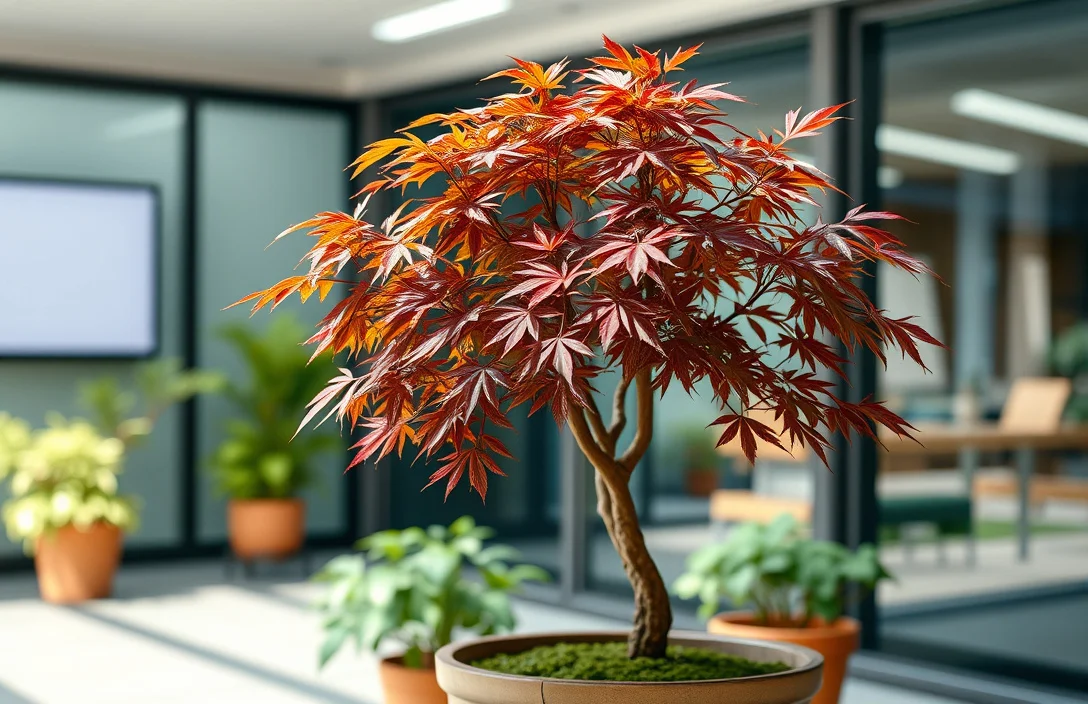
A Japanese maple in a container is the same plant you’d grow in the ground, but the container changes the rules. The root system is confined, so soil dries out faster, temperature swings are harsher, and nutrients leach out more quickly after watering. Your job is to keep conditions stable: consistent moisture, reliable drainage, and protection during extremes.
Treat the container like a controlled microclimate. Put the pot in a bright spot with some afternoon shade (especially in hot months), and build your routine around checking soil moisture. When the basics are right, most cultivars settle in and grow steadily.
What “success” looks like
You want new leaf growth in spring, steady leaf color through the season, and no dramatic leaf drop. Some drop after transplanting is normal, especially if light or watering changes right away. The bigger problem is the “fast failure” pattern: soil that swings between bone-dry and waterlogged.
Where To Place A Potted Japanese Maple
Placement matters more in containers because the pot heats and cools quickly. In the US, most people do best with morning sun and afternoon shade, or bright shade most of the day. Full afternoon sun can scorch delicate leaves, and harsh wind dries the canopy fast.
If you can, place the pot near a wall or fence for wind buffering. Skip spots where reflected heat builds up, like next to a south-facing driveway or stone patio. Avoid low areas where runoff collects, and avoid any place where the pot sits in standing water after rain.
Light levels by season
Spring: more sun helps as the plant wakes up and temperatures rise gradually.
Summer: limit late-day sun exposure to reduce stress.
Fall: keep light bright enough to support late-season growth and color without overheating the container.
Heat and wind checks
After a sunny day, feel the side of the pot in the evening. If it’s extremely hot to the touch, the root ball is overheating too. Move it to a shadier spot or insulate the pot to moderate temperature swings.
Soil Mix And Pot Size For Japanese Maples
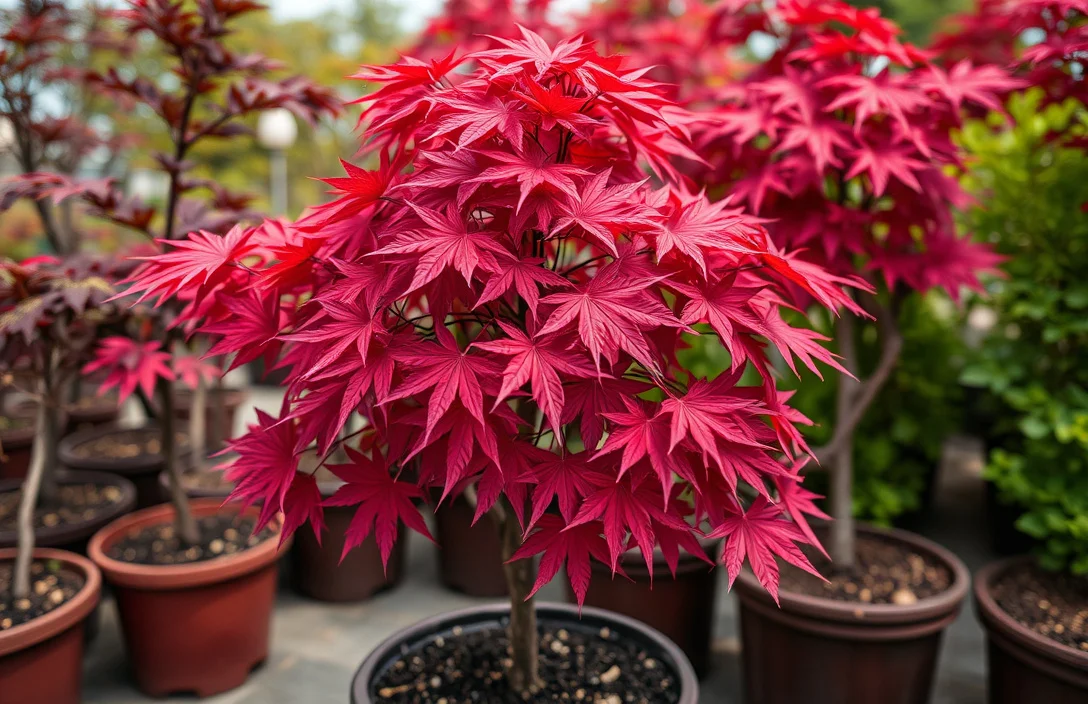
Use a loose, well-draining soil mix that still holds enough moisture to avoid rapid dry-outs. Standard potting mixes often work, but many need improvement so the mix stays consistently moist and airy around the roots. If your mix compacts or stays wet for days after watering, it’s not a good fit.
A container mix usually pairs quality potting soil with components that keep air spaces in the blend. The principle is simple: drainage plus moisture retention. The mix also needs to stay from breaking down into a dense sludge over time.
How big should the pot be?
Pot size is a trade-off. A larger pot holds moisture longer and buffers temperature swings, which reduces leaf drop from drying out. A pot that’s too large can stay wet too long, especially in cool weather, which increases root stress.
If you’re choosing between “just big enough” and “comfortably larger,” lean slightly larger for more outdoor container stability. Keep drainage holes and use the right soil so excess water escapes quickly.
Drainage requirements you cannot skip
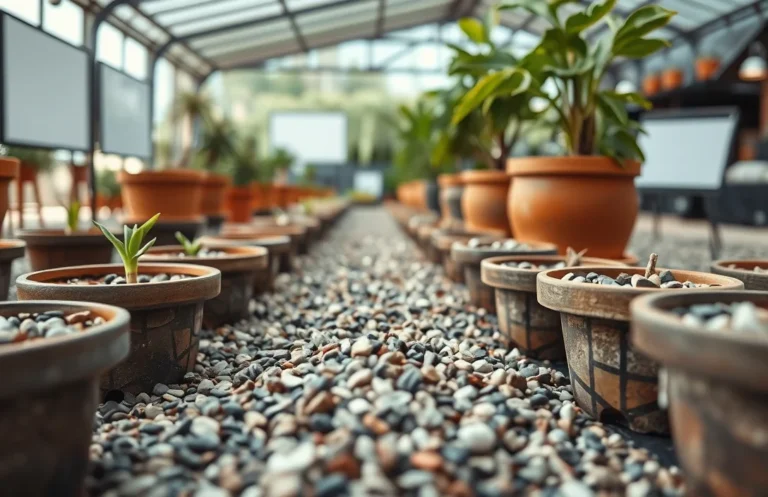
Drainage holes are non-negotiable. If you use a decorative cachepot, keep the nursery pot inside it and make sure water can drain freely out of the inner pot. Empty saucers after watering so roots do not sit in water.
Use this checklist when buying or assembling containers:
- Use multiple drainage holes for even water movement.
- Pick vertical drainage, not a design that traps water in a deep reservoir.
- Avoid heavy saucers that prevent evaporation if water pools underneath.
- Dead or broken branches: remove immediately.
- Crossing branches: remove one to prevent rubbing and weak structure.
- Spindly growth: thin to improve airflow.
- Pale, weak growth: nutrients may be depleted or the soil has compacted.
- Burned leaf edges: the fertilizer may be too strong or applied incorrectly.
- Soft growth late in the season: the tree may have been fed too late or too heavily.
| Use fresh mix at potting time, not old mix that has compacted. | Decision | Practical target | Why it matters |
|---|---|---|---|
| Pot material | Consider insulation and weight | Clay cools faster, plastic swings less in sun (both can work) | |
| Drainage | Several holes, no pooled water | Roots need oxygen, containers trap moisture | |
| Soil texture | Loose and airy | Compaction causes slow drainage and stress | |
| Pot diameter | Slightly larger than root mass | Holds moisture longer, stabilizes temperature | |
| Repot timing | Plan every few years | Refreshing mix restores drainage and nutrients |

Helpful pick
Xiaan Jiaju 7.7″ Large Green Plant Pots, Flower Pots w/Drainage, French Country Farmhouse Pots for Plants, Tree Pot for Olive & Money Tree, Garden & Home Decor, Gifts for Women,Indoor/Outdoor Planter
This pot’s drainage holes support even water movement and prevent pooling underneath.
How Often Should You Water Japanese Maple In Containers
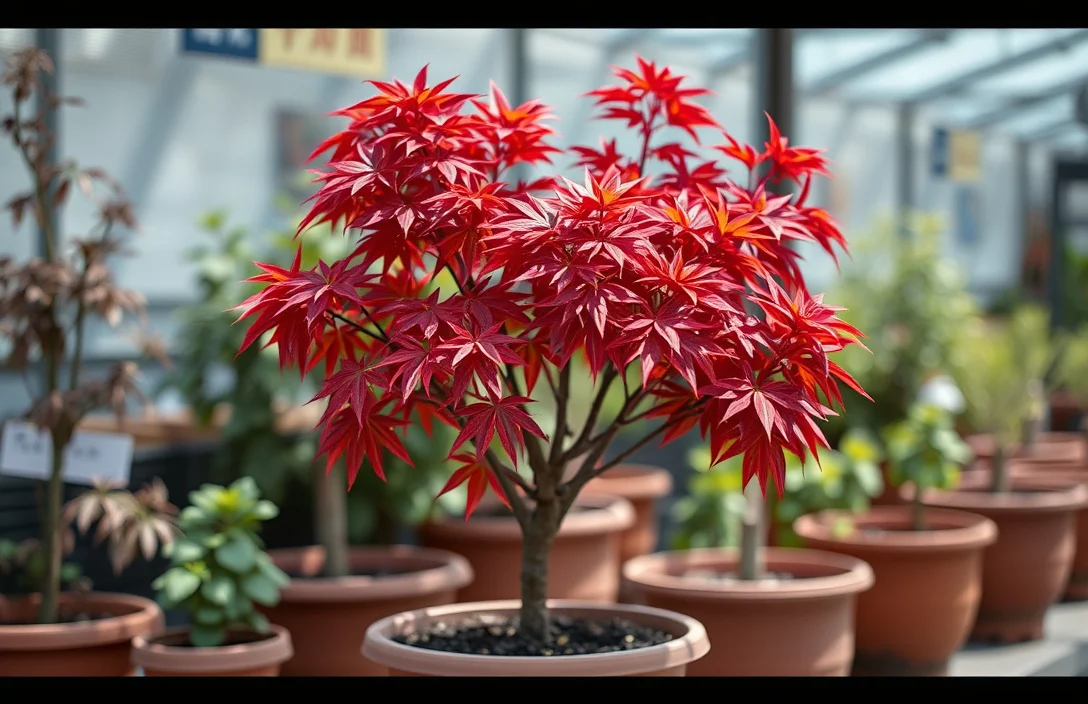
Watering frequency is not a calendar number. Containers dry out faster than garden beds, and the rate changes with temperature, sun, wind, and pot size. Check the moisture where roots actually live instead of guessing from yesterday’s weather.
Check the top 1 inch of soil. If it feels dry at that depth, water thoroughly until excess drains out the bottom. If it’s still moist, wait. This avoids both underwatering (leaf drop and stress) and overwatering (root oxygen problems).
Watering technique that prevents problems
Water slowly so moisture reaches the full root ball. Pouring too quickly can send water out channels without wetting the deeper mix. After draining, put the pot back in its normal spot. Then re-check the next day, because summer heat can dry the surface quickly even when deeper soil stays slightly damp.
What changes the schedule
Water more often during hot, windy periods and less during cool, cloudy stretches. After repotting, check more frequently too, because fresh mixes can drain differently and new roots may not yet fill the entire pot. If you moved the tree to a sunnier location, re-check moisture for the first 1-2 weeks.

Helpful pick
Kamagata Dwarf Japanese Maple – Live Plant – (2.5 QT)
A compact potted maple demonstrates moisture needs and watering checks tailored to containers.
Pruning And Shaping A Potted Japanese Maple
Pruning is about structure, not constant trimming. Over-pruning containers adds stress because the tree has less root volume to support quick recovery. Remove dead, damaged, or crossing branches, then shape the canopy for balance.
Timing matters. Prune in late winter or early spring before major growth starts. If you wait until summer heat is fully underway, wounds can stress the plant and leaves can drop more readily.
What to prune (and what to avoid)
Focus on obvious issues:
Avoid heavy “cut it back hard” pruning in peak summer. Containers already amplify stress from temperature swings, so big cuts usually make the problem worse.
Shaping for containers
Container shaping often means canopy thinning plus selective removal to keep an airy silhouette. You can also gently guide the structure by removing competing shoots. If you’re aiming for a specific form, step back often and make small pruning decisions instead of one big session.

Helpful pick
Orangeola Weeping Laceleaf Japanese Maple – Live Plant – Trade Gallon Pot
An ideal, manageable potted maple for practicing pruning and shaping to achieve balanced, graceful growth.
Fertilizing Schedule For Container Japanese Maples
Fertilizer in containers is a controlled input because nutrients leach out every time you water. Too little leads to slow growth and dull leaf color, but too much can push tender growth that struggles when temperatures swing.
Use a fertilizer labeled for trees or ornamentals, and follow the label rate for container use. If you don’t have a label option you trust, use the low end instead of trying to force growth.
When to feed (simple container timing)
Most US growers do best with a light feeding in spring once growth starts, and possibly a second light feeding later as temperatures stabilize. Stop fertilizing as fall approaches so the tree can harden off for winter.
If you still see active new shoots and warm days, light feeding can help. When the tree starts transitioning and growth slows, stop.
Signs you should adjust
Winter Protection For Japanese Maple In Pots
Winter is where container maples fail more often than people expect. In-ground trees are insulated by surrounding soil, but a pot freezes through more easily, which stresses or damages roots. Repeated freeze-thaw cycles are especially hard on confined root systems.
Your goal is moderation, not “keep it warm at all costs.” In many US regions, insulating the pot and sheltering it from drying wind prevents major root stress. Wind strips moisture from foliage, and freezing can harm thin feeder roots.
Concrete winter protection
Wrap the pot or insulate it so the root ball cools more slowly. Insulation around the sides plus protection from direct wind reduces stress significantly. When possible, move the pot to a more sheltered spot near a building wall.
If temperatures in your area drop sharply, use an insulating wrap and elevate the pot slightly so water does not pool and refreeze at the base. Water lightly before deep freeze, but don’t keep the mix constantly wet.
Don’t do this in winter
Avoid heavy pruning late in fall. Avoid fertilizing late in the season. And avoid leaving the pot in a spot where rain and meltwater keep collecting and then freezing into an icy block.
FAQ
How much sun does a Japanese maple in a pot need?
Most container Japanese maples do best with morning sun and afternoon shade, or bright shade most of the day. Full afternoon sun can scorch leaves during hot US summers. In winter, prioritize shelter from harsh wind. Don’t worry about “sun” the way you do in summer since growth is minimal.
What pot size is best for Japanese maple trees in containers?
A common mistake is putting a tree into a pot that is far too large or far too small. Slightly larger than the root mass is usually safer because it buffers drying. Whatever size you choose, use multiple drainage holes and a loose, well-draining soil mix so the pot does not stay soggy.
How often should I water my potted Japanese maple in summer?
Check the soil daily during hot weather and water when the top 1 inch is dry. Water thoroughly until excess drains out the bottom. If it still feels moist at 1 inch, wait, because overwatering during cool spells can be just as damaging as underwatering.
Should I fertilize my Japanese maple in a container year-round?
No. Feed lightly during the active growing season and stop before fall. Use a label-directed container rate for the safest approach. Fertilizing late can push tender growth that struggles when temperatures drop.
What’s the most common mistake with Japanese maple in pots?
The most common mistake is inconsistent watering, especially letting the soil swing between bone-dry and waterlogged. Containers dry faster and also trap excess moisture if drainage is poor. Use a drainage-holed pot, check moisture at the top 1 inch, and water thoroughly only when that layer is dry.
A healthy Japanese maple in pots comes down to stability: bright light without scorch, loose draining soil, watering based on the top 1 inch of soil, and winter insulation for the pot. If you want the fastest win, set up your watering routine this week (daily checks, thorough watering when dry) and confirm your pot drains freely through the bottom.

- 10 Best Slow Cooker For Slow Cooking Legumes 2026 (Tested And Reviewed) - October 17, 2026
- 10 Best Slow Cooker For Slow Cooking Oxtail 2026 (Tested And Reviewed) - October 16, 2026
- 10 Best Slow Cooker For Slow Cooking Venison 2026 (Tested And Reviewed) - October 16, 2026