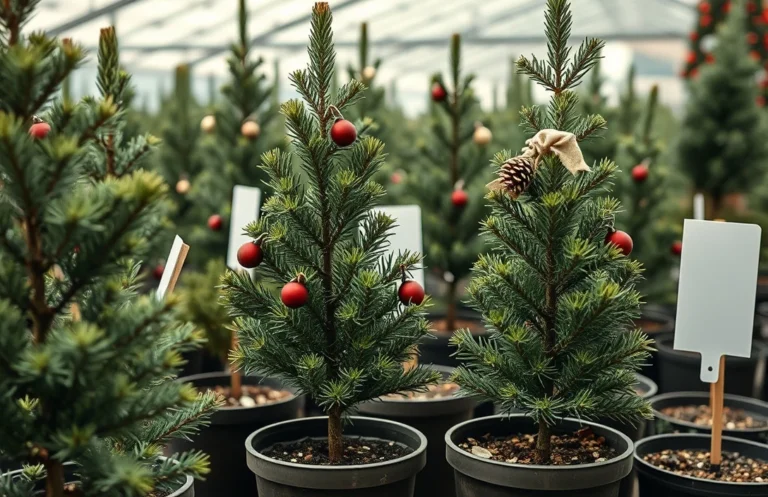
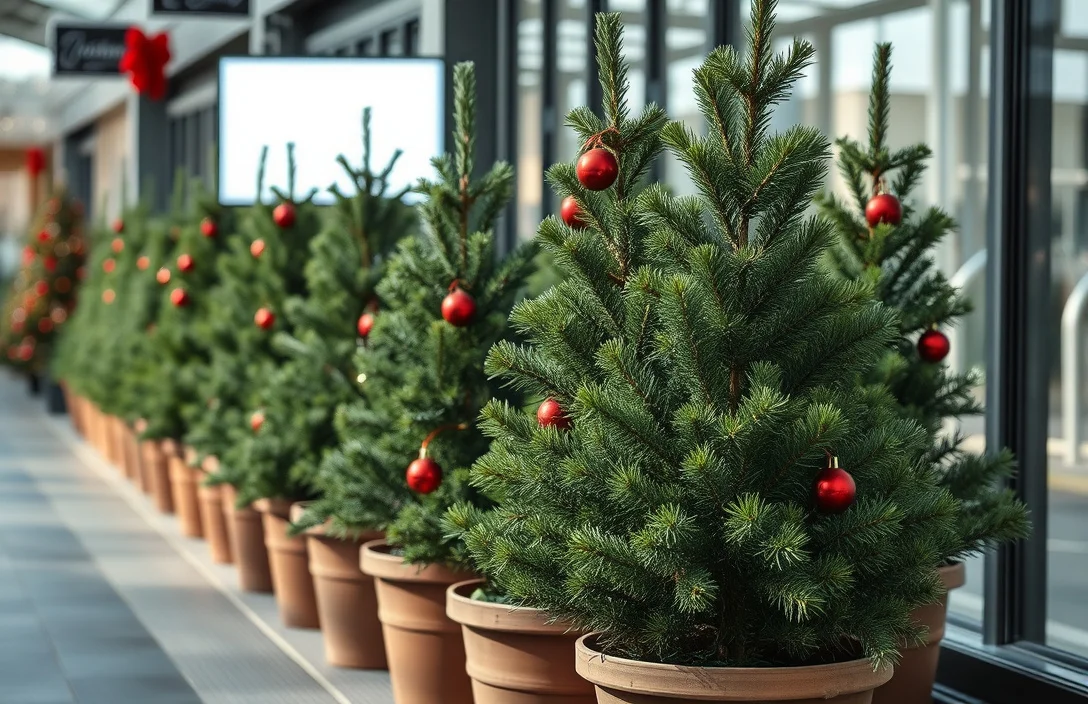
Live Christmas Trees In Pots: 3 Tips Worth Trying
A live Christmas tree in a pot is only “low effort” if you buy the right tree size, pot setup, and root condition for your timeline. If you rush the purchase, bring it indoors too warm, or keep it in the same pot without repotting, the tree’s needle drop usually starts fast. This guide helps you pick a potted live tree, keep it looking good indoors, and plan what happens after Christmas, from pot-to-outdoors.
Live Christmas trees in pots can stay green for about 3-7 weeks indoors if you buy a healthy tree, water consistently, and avoid heat. The biggest drivers are root health, indoor temperature, and water management. Never let the pot dry out, and you will remove most of the biggest causes of early needle loss.
Key Takeaways
- Buy the healthiest tree you can find by checking needles, root condition, and whether the pot is already dry.
- Expect needle loss if your home is warm, the pot dries out between waterings, or the tree arrives stressed.
- Match pot size to the root ball – root-bound trees decline faster indoors.
- Water on schedule using a saucer so the roots do not dry out between checks.
- Plan to move outside soon after Christmas – potted trees need outdoor light to recover.
- Replant or up-pot before long recovery if roots are circling or the tree is stuck in a small container.
What to Buy
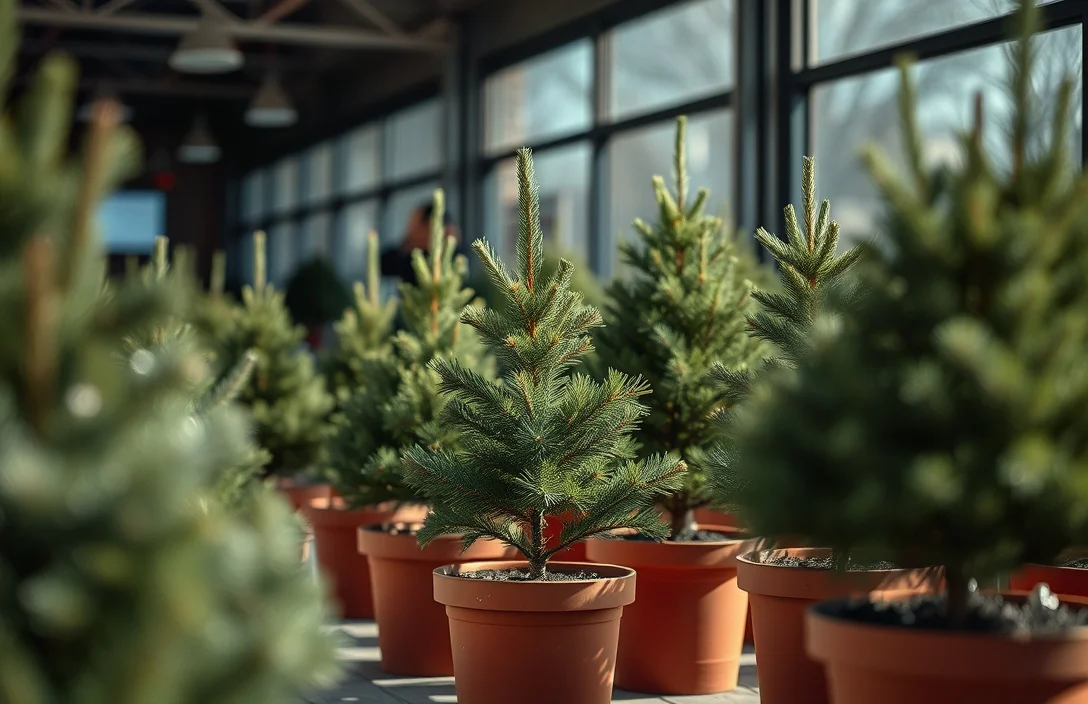
Buy a live potted Christmas tree that still looks fully green today, has flexible (not brittle) branches, and sits in soil that is evenly moist. Needle retention starts with how the tree was dug, handled, and stored before you ever get it.
Start with the needles and branches. Look for dense foliage (or a uniform foliage layer), minimal browning at the tips, and branches you can gently bend without snapping. Skip trees that shed heavily when you lightly shake a branch, because that usually means the tree is already stressed and will decline indoors even if you do everything else right.
Then inspect the pot and root ball. If the pot feels very light, the soil looks cracked, or you see roots visibly circling at the top, keep walking. A healthy potted tree has soil that holds together when you lightly squeeze it, and it should not look like it was just shoved into a decorative container that hides a poor root setup.
Here’s how I’d narrow choices fast in the store or nursery:
- Check needles for freshness: no widespread browning, no “dusty” shed.
- Check soil moisture: damp below the top layer, not dry and crumbly.
- Check drainage setup: the pot should drain, not sit in a puddle.
- Check the stem and shape: straight leader, balanced branching for your space.
- Confirm it’s sold for keeping alive: “real” trees in pots should be actively grown in containers or recently transplanted with realistic root health.
How Long Will a Potted Tree Stay Green
A potted live Christmas tree usually stays reasonably green for about 3-7 weeks indoors if you keep it cool, water correctly, and start with a healthy root system. Warmer homes shorten the window because heat drives water loss faster than most people can keep up.
Needle drop often starts after the tree acclimates to indoor conditions. If it went from cold outside into a warm room, it needs time to adjust, and the root system still has to supply water through drier indoor air. Even if it looks fine at first, dry soil or hot airflow can tip it into decline.
Your indoor setup controls how long you get. Place the tree away from a vent, fireplace, or sunny window that bakes the pot. Keep it in a cool room and water before the soil dries, and you can stretch the green period toward the upper end of that 3-7 week range.
Use this timing rule for planning: if your goal is still-green through New Year’s, buying close to the holidays is a risk multiplier. The tree has less recovery time after indoor stress. Buying earlier usually gives you a stronger starting point.
Pot Size and Root Health for Potted Trees
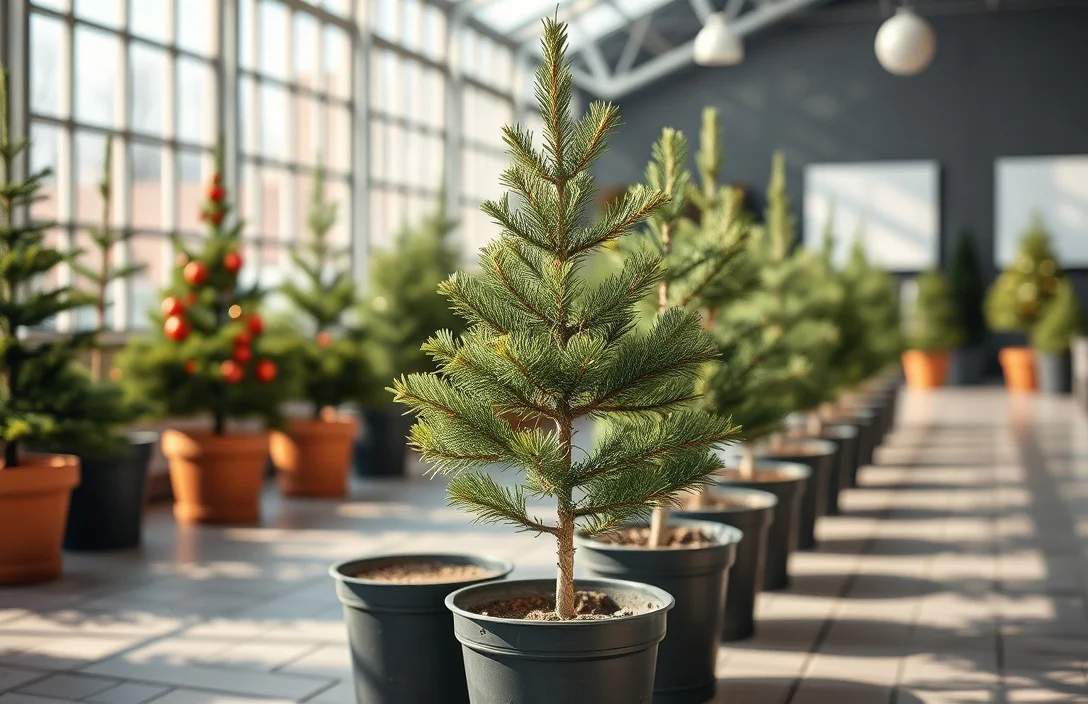
Pot size matters because root restriction is a common reason potted trees struggle indoors. A tree that is already pot-bound or has roots circling hard absorbs water less efficiently, and needle retention becomes unpredictable.
Evaluate pot size by the relationship between pot volume and the root ball, not by the decorative container you see. Many people buy a tree in a smaller grow pot and slide it into a larger decorative sleeve. The sleeve looks bigger, but it does not fix root restriction. If the grow pot is small and roots are tightly wrapped, the tree will still decline faster indoors even if the outer container looks roomy.
You do not need to dig to spot trouble. Look for roots at drain holes or roots growing along the surface. Check whether the soil pulls away from the sides like it dried out and compacted. If the tree shifts in the pot when you gently press the trunk, that can indicate poor root-soil contact.
If you plan to keep the tree longer or want better chances, choose a container that feels appropriately heavy for the tree size. More soil mass buffers the root ball against short dry spells and reduces temperature swings that push needle drop.
Light, Water, and Temperature Setup Indoors
Keep the tree cool, bright, and consistently watered, because those three variables decide whether needles stay attached. Heat and inconsistent watering cause early shedding even when the tree started healthy.
Temperature: put the tree in the coolest room you can manage, away from vents and fireplaces. A spot that holds steady, cooler indoor temperatures beats a cozy living room near warm drafts. You are not trying to freeze the tree – you are trying to prevent rapid water loss.
Light: choose the brightest available spot indoors, ideally near a window with steady daylight. Avoid situations where the pot becomes hot to the touch during the day. When the pot warms significantly, the roots dry faster and needle drop accelerates.
Watering: this is where most people run into trouble. The soil should stay slightly moist, not swampy, and not dry enough to pull away from the pot edges. Use a saucer or tray for thorough watering and clean overflow – the goal is drainage after watering, not leaving the roots sitting in water for days.
A simple routine that works:
- Water thoroughly until you see drainage from the bottom.
- Let runoff finish, then empty excess from the saucer.
- Check soil moisture daily by pressing a finger into the top 1-2 inches.
- Water again when the top layer starts to feel dry, not when the whole pot is bone dry.
When to Transition Outdoors After Christmas
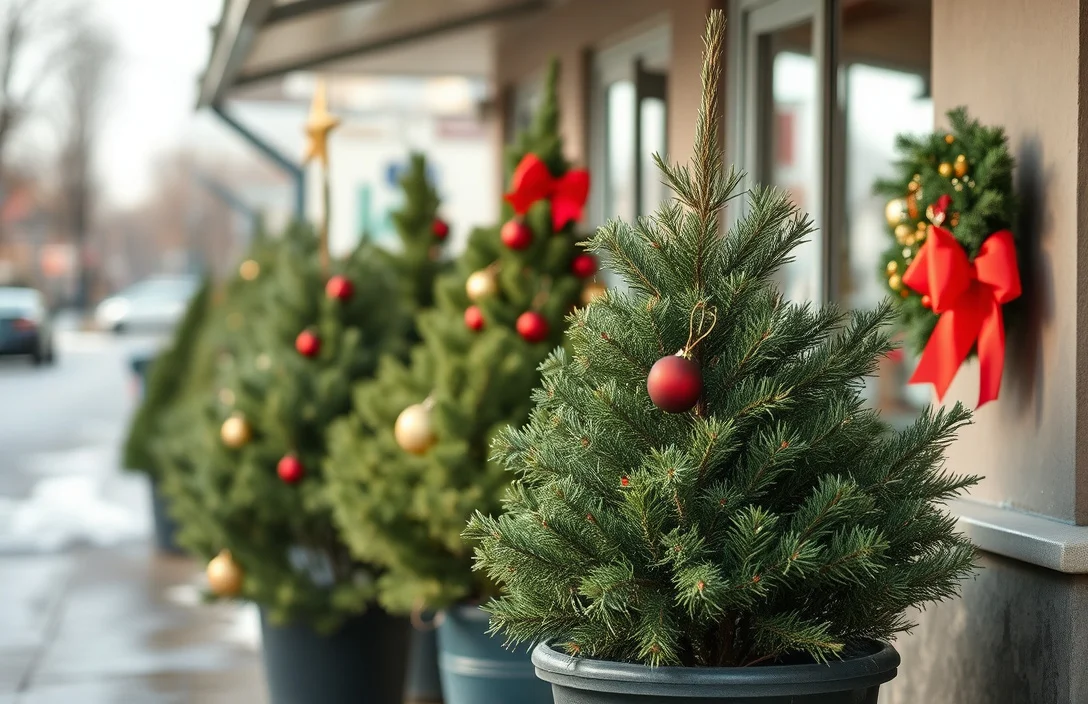
Move the tree outdoors as soon as practical after Christmas, ideally within a few days. Potted trees need outdoor light and a gradual return to colder conditions. If you keep the tree indoors into the new year without a plan, needle drop often continues and root stress increases.
Outdoor transition is not “set it outside and forget it.” Acclimate the tree first. Place it in a sheltered outdoor spot, protect it from harsh winds if possible, then gradually increase the amount of direct light over a short period.
Timing depends on local weather and tree condition. If it still has decent foliage, your goal is recovery. If it’s shedding heavily, your goal shifts to stabilizing the root ball and preventing further decline – recovery can still happen, but it gets harder when the tree is too depleted.
Also factor in the pot. If the tree is in a small pot or tightly root-bound, the outdoor months are often when you need to repot (or at least up-pot). Waiting weeks can make roots too stressed to rebound well.
If you can do only one thing right after Christmas: move the pot outdoors in shade first, then brighten the light while you keep watering steady and avoid waterlogging.
How to Replant Your Potted Tree Successfully
Replant successfully by preventing root damage, using soil with the right structure, and handling the transition in stages. The biggest mistake is repotting in a way that breaks the root ball apart when the tree is already stressed from indoor life.
Decide between:
- Repot into a larger container
- Plant directly into the ground
If the tree has a realistic root ball and you have an appropriate planting spot, planting into the ground often supports the best long-term health. If not, up-potting into a larger container with good drainage works as a practical fallback.
Choose a container size or planting hole that matches the root ball without crushing it. Roots need room to expand, but you do not want a huge empty volume that holds too much water for too long. Drainage is non-negotiable because waterlogged soil quickly leads to root problems.
Soil matters because root oxygen depends on how water moves through the mix. Use a blend that drains well while holding enough moisture that roots do not dry out completely. Avoid heavy, compacting mixes that stay wet for days.
Handle roots gently:
- Keep the root ball intact as much as possible.
- If roots are circling at the surface, lightly tease or trim only when necessary and only if you’re comfortable doing it.
- Do not bury the trunk deeper than it was in its original container.
Watering after replanting is critical. Water thoroughly to settle soil around roots, then keep moisture consistent while the tree adjusts. For the first couple of weeks outdoors, protect from extremes like strong wind and intense sun if the tree looks stressed.
Common Issues With Live Potted Christmas Trees
Most problems are predictable. Needle drop, dry pot soil, and root stress are the three most common failure modes.
Needle drop usually comes from two directions: the roots cannot keep up with water demand, or the tree was already stressed when you bought it. If browning starts near the tips quickly after you bring it home, suspect warm placement, too much sun heating the pot, or soil that is drying between waterings.
Dry soil is the stealth killer. Pots often look “fine” on top while deeper soil dries out, especially with indoor heat. If you water based only on the surface, the root zone may already be struggling.
Root-bound trees shed earlier because water uptake becomes less efficient. If roots are circling or the pot is too small for the trunk size, indoor conditions can push the tree past its tolerance. That’s why heavier, more soil-filled pots often perform better than lightweight ones.
Mismatched containers can trap water. Decorative sleeves without drainage can leave roots sitting in runoff, which limits oxygen around roots. Always make sure water can drain through the bottom and empty excess water from trays.
Here’s a quick troubleshooting map:
- Lots of needle drop within 1-2 weeks. Move to a cooler room, check soil daily, and confirm the pot is not near a vent.
- Soil dries fast even with watering efforts. The pot is likely too small or the tree is root-bound – plan to up-pot outdoors sooner.
- Mushy or sour-smelling soil. The container likely holds water – improve drainage and avoid leaving water in saucers.
- Browning starts at edges and spreads. Temperature swings plus dry air are likely – relocate away from windows that overheat the pot.
- Tree looks fine, then suddenly drops. Often you missed a dry period – check deeper moisture and fix your watering schedule.

Helpful pick
Puleo International 4.5ft Pre-Lit Potted Flocked Arctic Fir Christmas Tree with 70 Clear Lights, 419 Realistic Dense Snow Flocked Branch Tips, Easy Setup Artificial Trees with Sturdy Stand
This artificial, potted option avoids needle drop, dry soil, and root stress, serving as a helpful contrast.
FAQ
How much do live Christmas trees in pots cost in the United States?
Live potted trees usually cost more than cut trees because you’re paying for growing and potting, not just harvesting. Prices vary a lot by tree size, species, and whether it is container-grown versus newly transplanted. If you want a practical benchmark, compare the total price to the pot size you actually receive and ask whether the tree stays in the same grow pot or gets transplanted again after purchase.
How long will a live Christmas tree in a pot stay green indoors?
Most potted live Christmas trees stay green roughly 3-7 weeks indoors with good care. Cool, bright placement and consistent watering separate “still looks great” from “needle drop starting mid-month.” Warm rooms, vents, and sunny overheating of the pot shorten the window quickly.
Is it safe to keep a potted tree indoors for the whole holiday season?
Yes, it’s safe in the sense that it’s not a fire or toxin hazard by itself. The real risk is the tree’s health, because heat and inconsistent watering push it into decline. If you have pets, still keep water cleanup under control to avoid slips, and keep the stand stable.
What’s the fastest way to keep a potted tree alive after Christmas?
Move it outdoors promptly and acclimate it gradually to outdoor light and temperatures. Before that, finish strong watering while it’s indoors so the root ball is not already dry. Once outside, keep moisture consistent and shelter it from wind for the first stretch while it recovers.
What’s the most common mistake people make with live potted Christmas trees?
People buy a tree, put it in a warm room, then water based on the surface of the pot. The deeper root zone often dries out between checks, and the tree sheds needles even if it looks “mostly okay” at first. Check 1-2 inches into the soil daily and water thoroughly until it drains.

- 10 Best Slow Cooker For Slow Cooking Legumes 2026 (Tested And Reviewed) - October 17, 2026
- 10 Best Slow Cooker For Slow Cooking Oxtail 2026 (Tested And Reviewed) - October 16, 2026
- 10 Best Slow Cooker For Slow Cooking Venison 2026 (Tested And Reviewed) - October 16, 2026