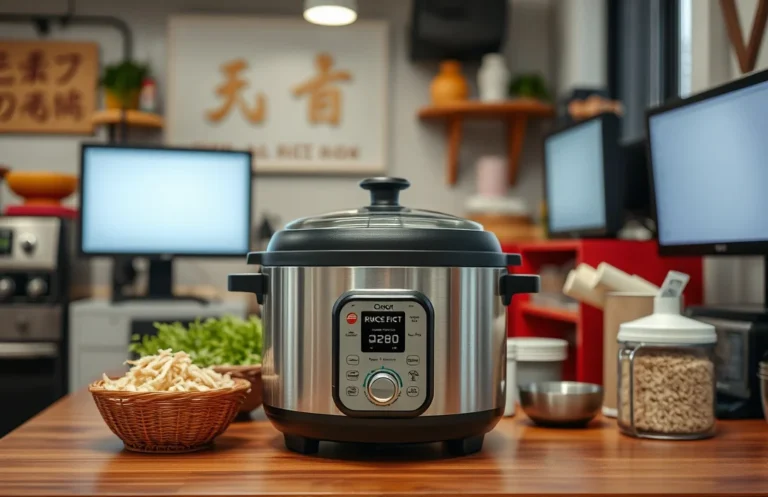
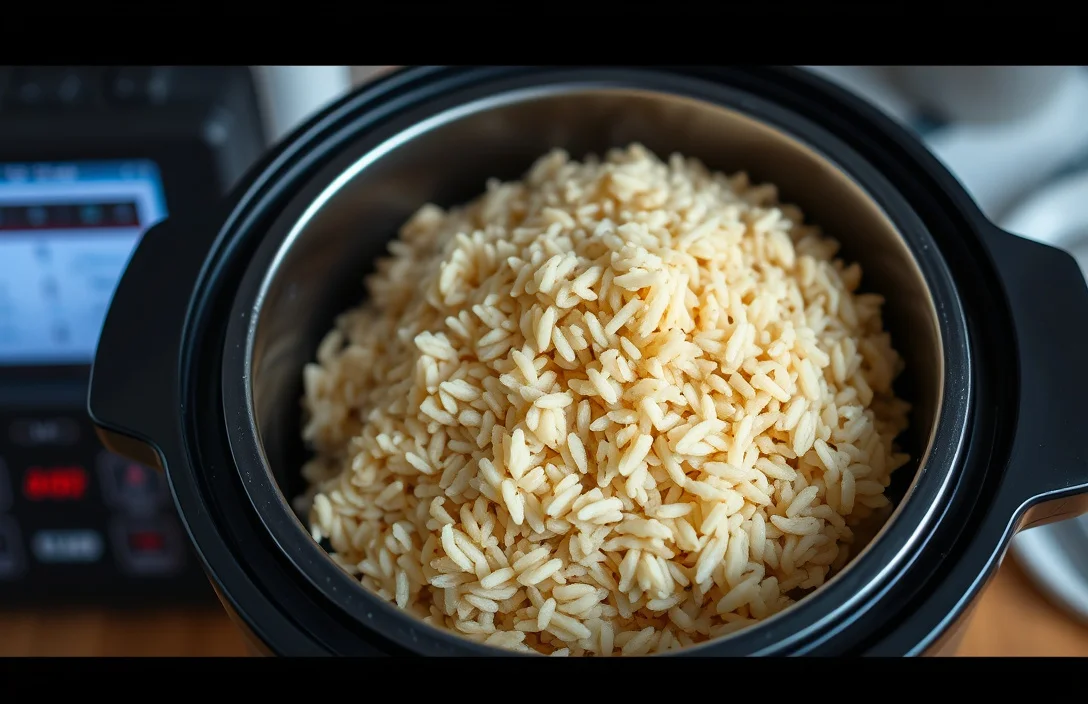
Short Grain Brown Rice In Rice Cooker: 1.5:1 Water Start
Short grain brown rice cooks a little slower and stays firmer than white rice in a rice cooker, and that’s the difference you’ll feel in every bite. You can still get reliably fluffy rice, but you need to dial in water amount and use the right timing (especially if your cooker has a “brown rice” mode). Use this guide to land the texture you want, with practical ratios and fixes for common problems.
Short grain brown rice in a rice cooker usually needs about 1 1/2 to 2 cups water per 1 cup rice, plus a brown-rice cycle or longer cook time. If the rice is undercooked, add 1/4 cup water and steam it 5 to 10 minutes. If it’s mushy, reduce water next time or shorten the cook.
Key Takeaways
- Use brown-rice mode if your cooker has one. It’s built for longer cooking and better texture.
- Start with 1.5:1 water (water to rice) for tender-not-mushy results, then adjust after your first batch.
- Rest 10 minutes before fluffing so carryover heat finishes the texture.
- Rinse or don’t based on your goal: rinse for less surface starch, skip for slightly creamier grains.
- Fix undercooked rice fast with a measured splash of water and 5-10 minutes of steaming.
- Check the manual for max fill and minimum water guidance, since some cookers need a certain minimum to cook brown rice properly.
What to Know About short grain brown rice in rice
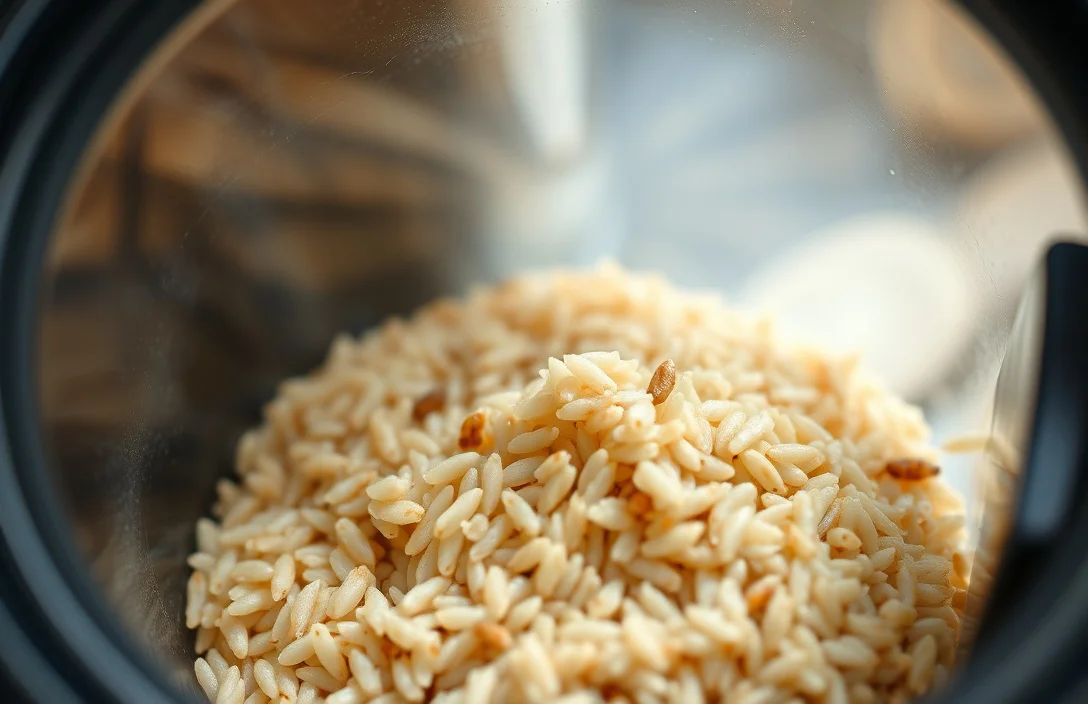
Short grain brown rice keeps the bran and germ on. That outer layer absorbs water and slows cooking compared with white rice, so you generally need more water and more time than you’d guess.
In a rice cooker, texture mostly depends on water amount and whether your cooker’s brown rice cycle actually runs long enough for your model. Short grain also clumps more than long grain, so small changes can push a batch from “tender and cohesive” to “too sticky.”
Rice cookers are designed around typical starch behavior. Brown rice releases starch differently and usually benefits from a rest after the cycle ends. If you open the lid immediately and start stirring, the grains often finish unevenly.
“Short grain” can also mean different varieties sold under the same label. Some are more absorbent than others, which is why your first batch is really a calibration run.
Things that matter most
Water ratio drives texture. Start at 1.5 cups water per 1 cup rice for tender grains that don’t turn mushy. If you like it softer or your cooker tends to run dry, start closer to 2 cups water per 1 cup rice.
Rinsing changes how the grains behave. Rinsing removes some starch that can make rice clingier, but it can also reduce that slightly creamy feel. If you like a sushi-style, cohesive bite, rinsing often makes the rice less cohesive – so you might skip it and adjust water instead.
Keep the lid closed during cooking. Rice cookers build steam inside, and lifting the lid drops heat and slows the cook. If you need to troubleshoot, let the cycle finish first, then do a controlled “steam rescue” instead of poking around mid-cycle.
Minimum water matters. Some cookers can scorch or undercook when the water level is too low, especially with brown rice. If you’ve ever seen crispy bottom rice with other grains, you probably need more than the bare minimum.
Tips for short grain brown rice in rice
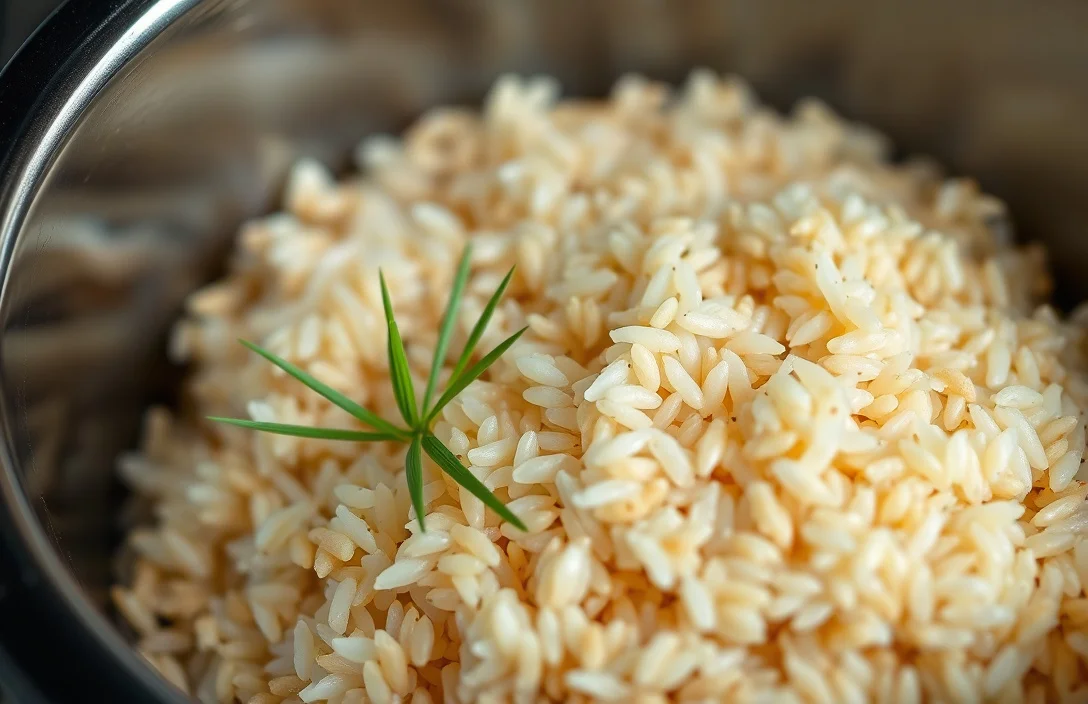
Treat your first cook as a calibration run. Start with 1 1/2 cups water per 1 cup rice, cook on brown rice mode (or the longest setting), then rest 10 minutes before fluffing. If it’s too firm after resting, add water next time by about 1/4 cup per 1 cup rice, not a huge jump.
If the rice is undercooked right after the cycle, fix it without starting over. Add a small splash of hot water (start with 1-2 tablespoons per cup of dry rice), close the lid, and steam for 5-10 minutes. Rest another 5 minutes before fluffing.
If it’s mushy, correct the next batch instead. Reduce water in small steps, about 2-4 tablespoons less water per cup of dry rice. Also shorten the cook only if your cooker gives you a real option, since the brown rice mode exists for a reason.
Fluffing is fine, but don’t over-stir. Aggressive stirring breaks grains and can make rice feel gummy. Use a gentle fold with a rice paddle, and keep the rice covered while it rests.
If you want a specific texture, change one variable at a time. Adjust rinse behavior or water ratio, not both, so you can tell exactly what moved your results.
Benefits of short grain brown rice in rice
Short grain brown rice gives you whole-grain texture without forcing a brand-new cooking routine. Because it’s short grain, it naturally clumps more than long grain, which works well for bowls, stir-fries, and sides where you want bites to hold together.
The bran helps the grain keep more of its structure during cooking. That usually means better chew compared with white rice, especially when you cook until the center is tender and then rest properly.
Brown rice also holds up better for repeat meals. Cooked brown rice reheats with less of that “dry and brittle” feeling many people get from white rice leftovers, especially when you reheat with a splash of water and keep it covered.
When you nail the water ratio and rest time, brown rice becomes predictable. That predictability cuts down on the “why did this batch turn out different?” frustration.

Helpful pick
Elite Gourmet ERC-003X Electric Rice Cooker with Automatic Keep Warm Makes Soups, Stews, Grains, Hot Cereals, 6 Cups Cooked (3 Cups Uncooked), White
This rice cooker delivers reliable, even heating for short grain brown rice, preserving texture without extra setup.
Options for short grain brown rice in rice
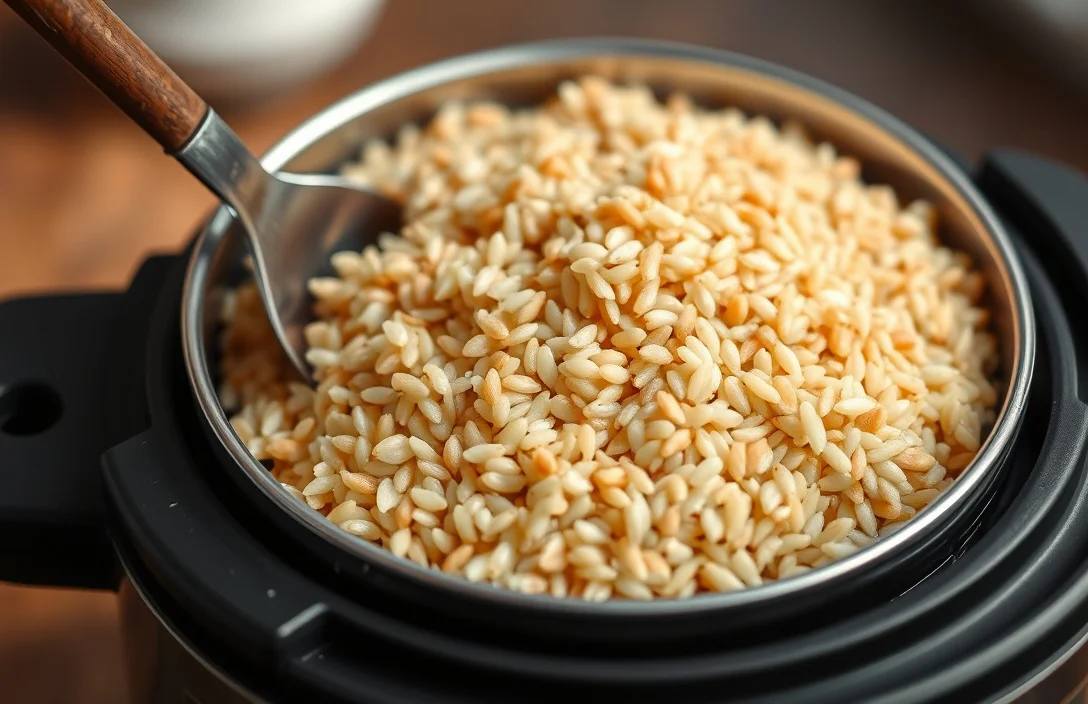
Three approaches work in most rice cookers: use the built-in settings, extend time manually, or adapt based on batch size and rinse method. Pick the one that matches your cooker’s consistency and whether it has a dedicated brown rice program.
If your cooker has a brown rice or whole grain mode, use it first. Those settings typically include extra soaking and longer cooking to account for the bran. You can still fine-tune with water ratio, but you’ll start from a better baseline than “white rice” mode.
If your cooker only has standard “cook” and “keep warm,” expect to extend the process. Run the normal cook cycle, then use a steam rescue step if needed (add measured water and steam 5-10 minutes). Don’t leave it on keep-warm too long – keep-warm can keep softening brown grains.
Batch size affects outcomes. Cooking too little in a cooker that needs a minimum fill can dry the rice or cause uneven cooking. Follow your manual’s minimum water or minimum volume guidance, and if you’re consistently missing texture, scale up slightly.
Rinse is another controllable variable. Rinsed rice tends to be less sticky; unrinsed rice often turns out more cohesive. Choose the texture you want, then adjust water slightly.
| Amount (dry rice) | Water to start with | Mode to choose | Texture goal |
|---|---|---|---|
| 1 cup | 1.5 cups | Brown rice (or longest) | Tender, not mushy |
| 1 cup | 1.75 cups | Brown rice | Softer, more cohesive |
| 1 cup | 2.0 cups | Brown rice | Very soft, higher moisture |
| 2 cups | 3.0 cups | Brown rice | Consistent batch texture |
| 2 cups | 3.5-4.0 cups | Brown rice | Extra tender if your cooker runs dry |

Helpful pick
Elite Gourmet ERC006SS 6-Cup Electric Rice Cooker with Stainless Steel Inner Pot, Makes Soups, Stews, Porridges, Grains and Cereals, 6 cup (3 cups uncooked), Black
Offers versatile grain settings to tailor short-grain brown rice texture and cooking time in one pot.
Expert Advice on short grain brown rice in rice
Adjust one variable at a time. Inconsistent results usually come from changing water ratio, rinse method, and cook mode all in one batch. Pick either rinsed or un-rinsed, then adjust only water in small increments.
The rest time is part of the cooking process. When the cycle ends, don’t treat it as “done.” Leave the rice 10 minutes with the lid on. That short rest helps inner grains finish absorbing moisture, which matters for brown rice because the bran slows water penetration.
Don’t assume a “quick cook” or “white rice” mode works close enough. Brown rice needs longer heat exposure, and short grain can hide undercooking until you eat it. If you use a non-brown mode, plan to finish with a steam rescue step.
Use the pot size correctly. Lower fill levels can change heating patterns and steam distribution. For tiny batches, follow your manual’s minimum fill line to avoid uneven cooking.
Taste before you label the batch “wrong.” Short grain brown rice should be tender through the center, not crunchy and not falling apart. If it’s almost there, a 5-10 minute steam rescue is safer than pouring in extra water and risking mush.

Helpful pick
Elite Gourmet ERC003BX Electric Rice Cooker with Automatic Keep Warm Makes Soups, Stews, Grains, Hot Cereals, 6 Cups Cooked (3 Cups Uncooked), Black
Features a grains setting ideal for brown rice, aligning with the advice to adjust variables gradually.
Examples: short grain brown rice in rice
For a weeknight bowl, cook 1 cup short grain brown rice with 1.5 cups water on brown rice mode, then rest 10 minutes. This usually gives tender grains that hold up for toppings like sautéed mushrooms, tofu, or chicken. If it’s a bit firm in the center, increase water next time by 1/4 cup per cup of dry rice.
For meal prep, aim slightly softer so it reheats well. Cook 1 cup with 1.75 to 2 cups water on brown rice mode. After cooking and resting, spread the rice in the pot to cool a bit faster, then portion into containers. Reheat with a teaspoon or two of water per serving and cover so the grains don’t dry out.
For a “sticky-style” rice bowl, skip rinsing and use a gentle water ratio. Try 1 cup rice with about 1.75 cups water, brown rice mode, rest 10 minutes. You’ll get more cohesive bites that work with sauces and stir-fries without turning into paste if you don’t overdo the water.
For undercooked rice, check the center after the cycle ends. Add 1-2 tablespoons of hot water per cup of dry rice, close the lid, and steam 5-10 minutes. Rest again for 5 minutes, then fluff gently. This avoids the gummy texture that can happen when too much water is added all at once.
For “too mushy,” adjust next time based on taste. If the rice feels soft and loses structure, reduce water by 2-4 tablespoons per cup and keep the same brown rice mode. Avoid leaving it on keep-warm for a long stretch after it’s done, since that can keep softening brown grains.
FAQ
What water ratio should I use for short grain brown rice in a rice cooker?
Start at 1.5 cups water per 1 cup dry rice for tender grains that aren’t mushy. If you want it softer or your cooker runs dry, use 2 cups water per 1 cup. Rest 10 minutes after cooking, because it affects the final texture.
How long does it take to cook short grain brown rice in a rice cooker?
Brown rice programs are typically longer than white rice programs, often taking about 40-60 minutes depending on the model and batch size. If the cycle ends but the center is still firm, add a small splash of hot water and steam 5-10 minutes with the lid closed.
Can I rinse short grain brown rice before cooking it?
Yes. Rinsing changes texture by removing some surface starch, which can make rice less sticky. If you want more cohesion for rice bowls, skip rinsing. After you pick one approach, adjust water slightly rather than switching rinse behavior every batch.
Why is my short grain brown rice gummy in the rice cooker?
Gummy rice usually comes from too much water, over-stirring, or leaving rice on keep-warm too long. Next time, reduce water a small amount (a few tablespoons per cup), fluff gently after a 10-minute rest, and avoid extended keep-warm.
What’s a good alternative if my rice cooker struggles with brown rice?
If there’s no dedicated brown rice or whole grain mode, use the standard cook cycle and then finish with a controlled steam rescue step. Cook as usual, then add measured hot water and steam 5-10 minutes if needed to match the outcome you’d expect from a brown rice mode.

- 10 Best Slow Cooker For Simple Cooking 2026 (Tested And Reviewed) - October 18, 2026
- 10 Best Slow Cooker For Convenient Cooking 2026 (Tested And Reviewed) - October 18, 2026
- 10 Best Slow Cooker For Quick Preparation 2026 (Tested And Reviewed) - October 18, 2026