Does Bamboo Grow In Pots In 5 Easy Steps
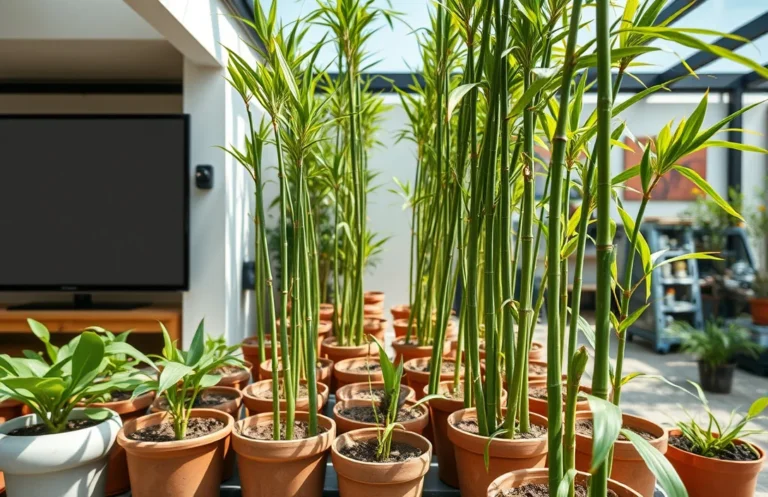
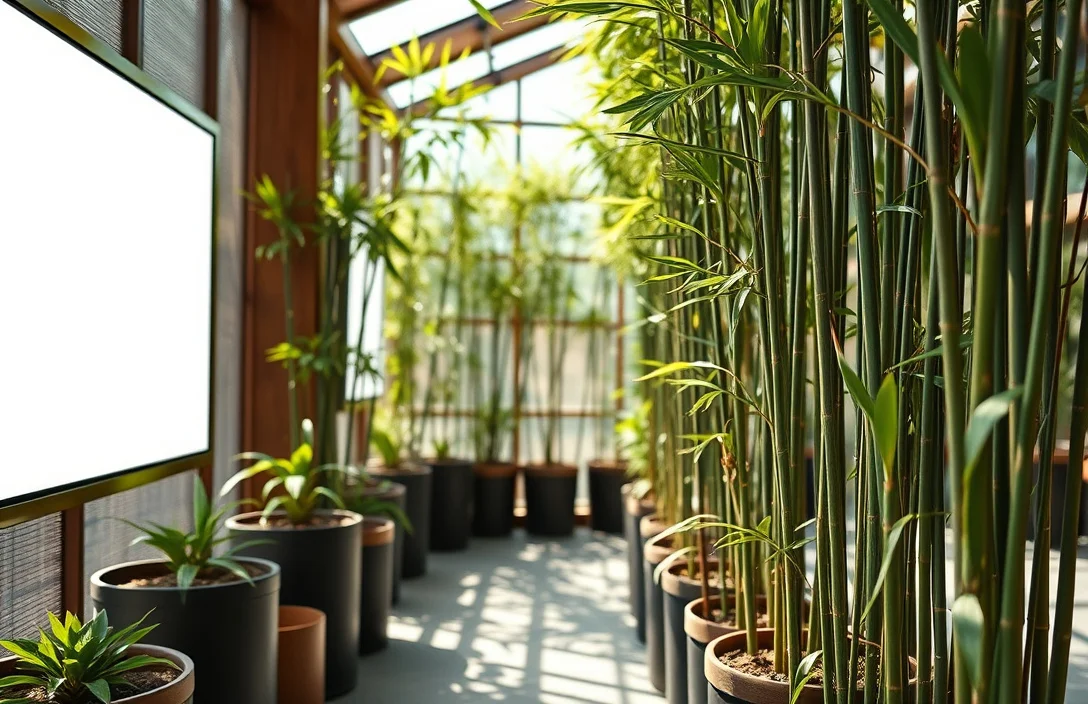
Bamboo grows in pots, but success depends on how you manage roots, water, and containment. If you’re thinking about container bamboo for a patio or small yard, the biggest surprise is that some types spread aggressively if you get sloppy with the root barrier. Container bamboo also runs on your schedule. You can control the conditions that matter.
Bamboo can absolutely grow in pots, but you have to pick the right type and give roots enough room. For most container setups, use a pot with drainage and either install a bamboo root barrier or choose a clumping bamboo. Water when the top 1 to 2 inches of soil dry out, then repot every 2 to 3 years as the roots fill the container.
Key Takeaways
- Yes, bamboo can. Bamboo grows in containers when you provide root space, water, and drainage.
- Choose clumping types. Clumping bamboo stays more contained; running bamboo needs strict root control.
- Use the right pot. Start large (often 15 to 25 gallons). Small pots dry out faster and can stunt growth.
- Water by soil depth. Water when the top 1 to 2 inches are dry, then soak until excess drains.
- Drainage is non-negotiable. Potted bamboo needs drainage holes to prevent root rot.
- Refresh and repot. Repot about every 2 to 3 years to restore nutrients and avoid root binding.
Does Bamboo Grow in Pots? Yes?
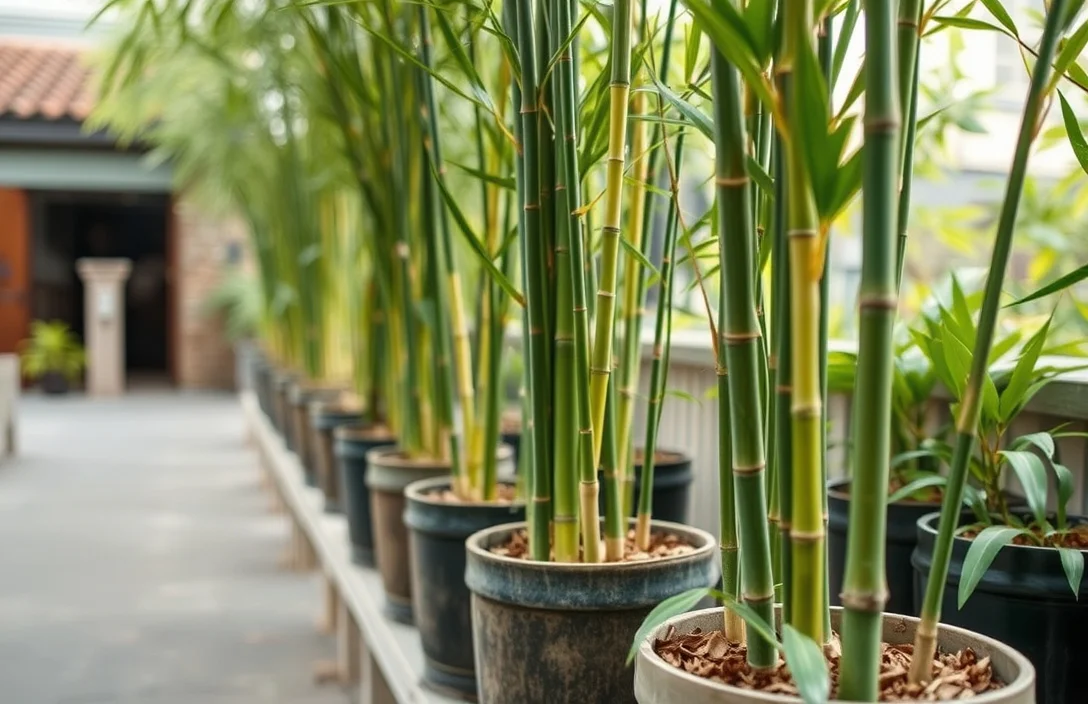
Yes, bamboo grows in pots, and it can look fantastic with the right setup. The trade-off is that potted bamboo depends on your care. In-ground plants pull from a much larger soil volume, but container roots run out of room and dry out faster.
That dependency forces one key choice: clumping versus running. Clumping bamboo forms a tighter root mass, so it’s usually the low-stress option for containers. Running bamboo spreads through rhizomes, so it can be grown in pots, but the pot boundaries and root barrier have to do real work when roots try to escape.
What Size Pot Lets Bamboo Thrive
Bigger pots hold moisture longer, which reduces how often you have to water. Bamboo has a fast-growing, grass-like metabolism, and small containers swing temperature and moisture quickly. If you want container bamboo to look lush instead of stressed, pot size is your first lever.
For most home setups in the United States, start with at least a 15-gallon pot for young plants and step up as the clump grows. Mature container bamboo often does best in the 20 to 30 gallon range, especially in hot or sunny conditions. Going smaller usually means more frequent watering, which also increases the risk of overwatering if you’re estimating.
A practical way to pick a size is to plan for “root room for the next 12 to 24 months.” Bamboo fills space, and tight roots can stall growth. If the plant roots are already circling in its nursery container, move up at least one pot size right away.
Pot size and growth expectations (practical ranges)
| Pot size (approx.) | Typical use | What to expect |
|---|---|---|
| 5 to 10 gallons | Small starts, temporary display | More frequent watering, slower long-term growth |
| 15 gallons | Common starting point | Better stability, fewer dry-down issues |
| 20 to 30 gallons | Larger clumps, established containers | Growth steadier through summer |
| 30+ gallons | Big specimens | Less frequent watering, slower stress cycles |
Which Bamboo Varieties Work Best in Containers
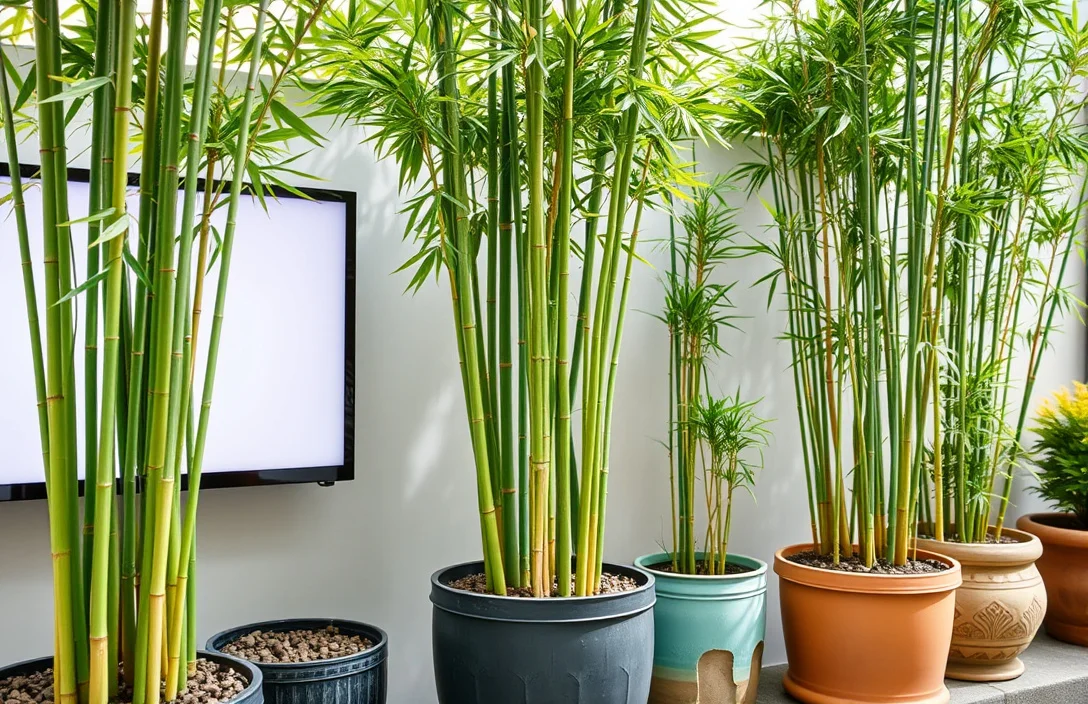
Clumping bamboo is the best match for most people growing bamboo in pots because it stays in a tight root mass. Running bamboo can be container-grown, but it’s easier to create escape routes when you’re relying on a pot to contain rhizomes. If your goal is “nice-looking bamboo without drama,” start with clumping.
Look for bamboo sold as “clumping” and often grouped around genera like Bambusa or Fargesia (availability varies by garden center). Dwarf or compact varieties are also easier to manage in patio and deck containers where light and airflow shift day to day. If the label doesn’t clearly say clumping versus running, treat it as a starting clue and confirm with the seller before you commit to a permanent container.
For running bamboo, the survival question is secondary. The real issue is rhizomes escaping and popping up where you don’t want them. With a properly installed root barrier and a container designed to limit rhizome gaps, it’s more manageable. Still, if you’re starting out, clumping is the clean win.
Container-friendly bamboo traits to prioritize
- Clumping habit – reduces escape risk and keeps growth centered.
- Compact growth form – fits patio containers without constant pruning.
- Cold and sun tolerance – matches your local climate and light level.
- Strong rhizome containment – matters even in containers for any “running” types.
- Healthy nursery stock – settles faster after potting up.
How Often Should You Water Potted Bamboo
Potted bamboo usually needs more water than people expect, but you don’t need a rigid schedule. Use a simple soil rule: water when the top 1 to 2 inches of soil are dry. This keeps moisture available to the roots while avoiding the waterlogged conditions that lead to root rot.
In hot sun, container bamboo can need watering every few days during peak summer. In milder weather or partial shade, the interval stretches. Windy patios dry containers quickly, and terracotta can dry faster than plastic or glazed planters because it breathes.
When you water, soak thoroughly. Bamboo roots want deep moisture, not a quick surface splash, so water until you see excess drain from the bottom. After that, let the container drain completely before you move it back to a spot where it can’t drip onto the floor.
A simple watering routine that works
- Check soil depth – push a finger 1 to 2 inches down.
- Water when dry – if that depth is dry, water now.
- Soak slowly – water evenly until runoff appears.
- Empty saucers – don’t let the pot sit in standing water.
- Adjust for weather – hot, windy, or sunny setups need more.

Helpful pick
Doter Premium Lucky Bamboo Soil Mix 1qt, Indoor Plants Potting Mix for All Potted Luncky Bamboo, Promote Healthy Growth and Longevity
This bamboo-specific soil mix supports healthy growth and helps keep soil moisture balanced for the watering rule.
Do You Need Drainage Holes for Potted Bamboo?
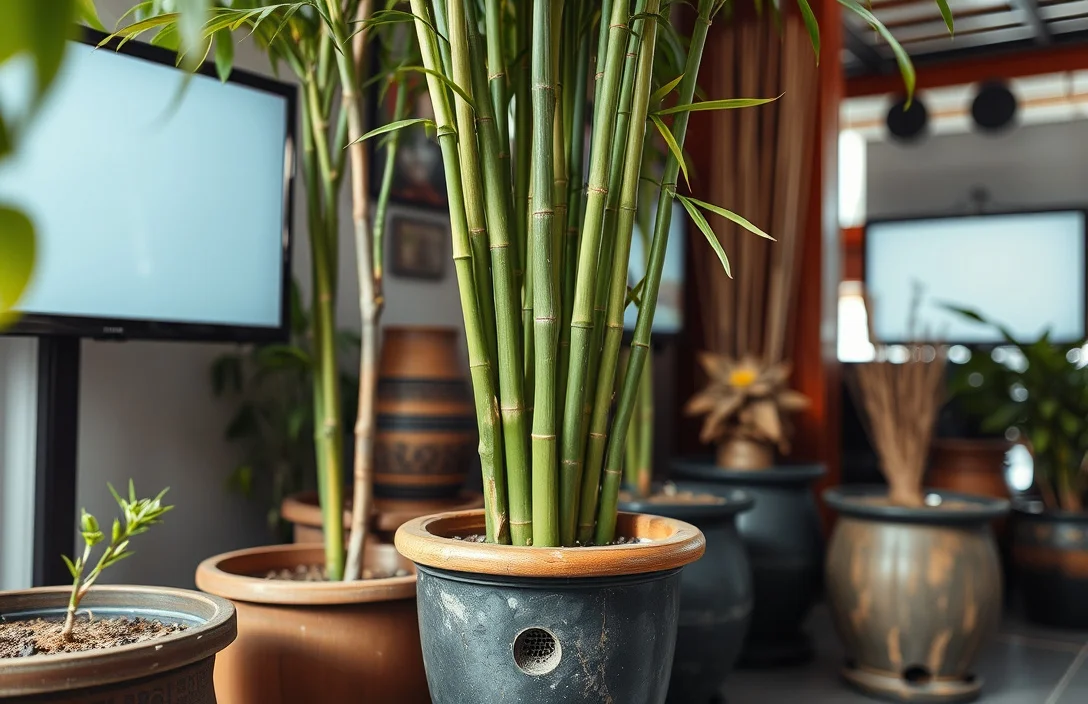
Drainage holes are required for potted bamboo if you want healthy roots. Without them, water collects at the bottom, oxygen drops, and bamboo roots can rot. Even if your watering timing is right, a non-draining pot can keep the root zone too wet.
The goal is a container that holds moisture through the day but drains excess after each watering. A common mistake is using a decorative outer pot without drainage and placing the plant inside a liner pot, or leaving it in a saucer. If soil stays wet for days, the drainage setup isn’t working.
Use potting mix meant for containers, not garden soil. Container mixes drain more reliably, and bamboo generally does better in a blend that balances moisture retention with airflow around the roots.
Drainage checklist you can verify today
- Bottom holes present. Your planter must drain from the lowest point.
- No standing water. Empty saucers after watering.
- Fast runoff test. Water the pot and confirm it drains within a reasonable time.
- Container-appropriate mix. Use a quality potting mix, not heavy yard soil.
- Avoid compacting. Don’t pack the soil tight around the roots.

Helpful pick
Corten Steel Planter Box-32″x15″x15″-Large Rectangular Planters For Outdoor Plants, Heavy Duty Rustic Tall Planter With Raised Support Feet For Patio, Deck, Garden, Yard, Drain Holes, Easy Assembly
This planter includes drainage holes, promoting airflow and preventing waterlogged bamboo roots in pots.
How to Control Spread in Container Bamboo
Clumping bamboo is easier to manage in containers. Spread control mostly means giving the clump enough room so it doesn’t get cramped, then handling growth through periodic division, pruning, and pot refreshes rather than invasive containment.
For running bamboo, spread control is about rhizome containment. A container can help, but rhizomes can exploit gaps, cracks, or a root barrier that wasn’t installed tightly. A properly installed root barrier is the simplest way to keep running bamboo truly controlled, and it needs to be durable enough to resist punctures as the plant expands.
Root pruning also matters in containers. When roots fill the pot, growth can slow and the plant can get top-heavy. Root pruning during repotting keeps the plant stable and reduces the stress from repeated emergency fixes.
Containment tactics that actually work
- Choose clumping for easier control. It stays compact without barrier gymnastics.
- Use a root barrier for running types. Prevent rhizomes from escaping gaps.
- Inspect the pot regularly. Cracks and lifted edges become escape routes.
- Root-prune at repot time. Refreshing roots maintains growth and reduces crowding.
- Keep consistent care. Stress makes management harder, not easier.
Helpful pick
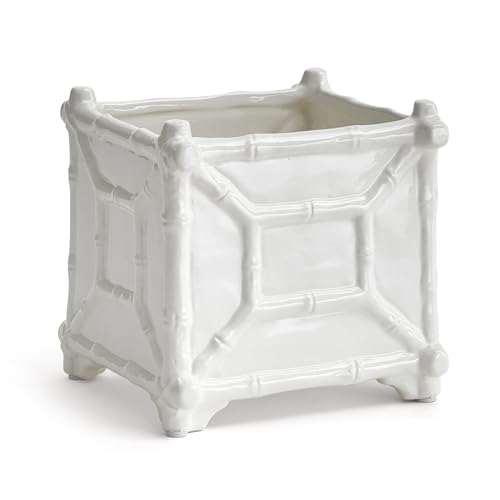
Large Chinoiserie Cachepot
A cachepot supports container management by enabling pot refreshes and respacing the clump to curb spread.
When to Repot and Refresh Container Soil
Repotting timing depends on how quickly roots fill the pot and how the soil behaves. Once bamboo becomes root-bound, water can run straight through without soaking evenly, and the plant can stall even when you’re watering. Those are the cues to move up a pot size or refresh the root zone.
For most container bamboo, repotting every 2 to 3 years is a realistic expectation. Faster clumping types, more sun, or hot surfaces can shorten that interval. Slower growth or very large containers can push it toward the upper end.
Soil refresh matters because potting mix breaks down over time. Even good mix compacts, loses structure, and runs low on nutrients. When you repot, trim some roots if needed, replace part of the soil, and consider a slow-release fertilizer made for container plants if your conditions call for it.
A repotting checklist you can follow
- Look for circling roots. Roots visible at drainage holes often mean root binding.
- Check water behavior. If water runs off immediately, soil structure has degraded.
- Remove and assess the clump. Healthy roots are firm, not mushy or foul-smelling.
- Refresh soil mix. Replace depleted mix. Don’t reuse all of it.
- Size up or root-prune. Choose based on how big you want the bamboo to stay.
FAQ
Can bamboo grow in pots indoors?
Yes, but the setup has to fit the plant. Bamboo needs strong light to keep foliage healthy, and indoor air often dries out faster than people expect. Use a container with drainage holes, keep soil consistently moist (top 1 to 2 inches not drying out), and avoid dark corners or spots with drafts.
What size pot is best for bamboo in containers?
A common starting point is often a 15-gallon pot for young container bamboo, then moving up as roots fill the space. Mature plants usually do better in 20 to 30 gallon containers because the larger soil volume holds moisture more steadily. If you go much smaller, you’ll water more often and the plant will feel stress sooner.
How often should I water potted bamboo in summer?
Water potted bamboo when the top 1 to 2 inches of soil are dry. In summer, that can mean every few days, especially with full sun, wind, or hot patios. Always water deeply until excess drains, and empty saucers so roots never sit in standing water.
Do container bamboo plants need drainage holes?
Yes. Bamboo roots need oxygen, and drainage holes prevent water from pooling at the bottom. If you use a decorative outer pot, keep the bamboo in a drained inner pot and make sure excess water can exit. Without drainage, root rot risk rises quickly.
What’s the biggest mistake when growing bamboo in pots?
The biggest mistake is assuming “contained in a pot” also means “rhizomes can’t escape.” Running bamboo can exploit cracks, gaps, or a poorly installed barrier, so clumping types are the easier choice. For running varieties, use proper root barriers and inspect the container for damage regularly.
A practical next step: pick a clumping bamboo variety and a pot with drainage holes sized at least 15 gallons, then water based on the top 1 to 2 inches of soil drying out. If you do that, container bamboo usually feels noticeably easier to manage within a few weeks.

- 10 Best Slow Cooker With Leak Resistant Lid 2026 (Tested And Reviewed) - October 24, 2026
- 10 Best Slow Cooker With Spill Proof Design 2026 (Tested And Reviewed) - October 24, 2026
- 10 Best Slow Cooker With Locking System 2026 (Tested And Reviewed) - October 24, 2026