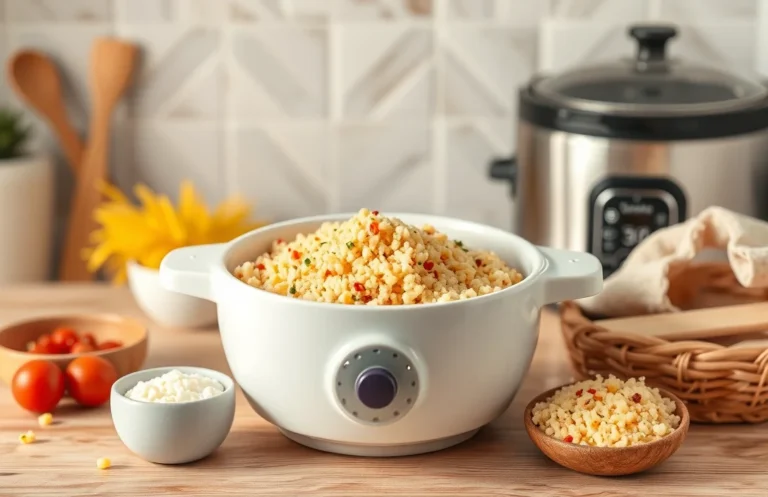
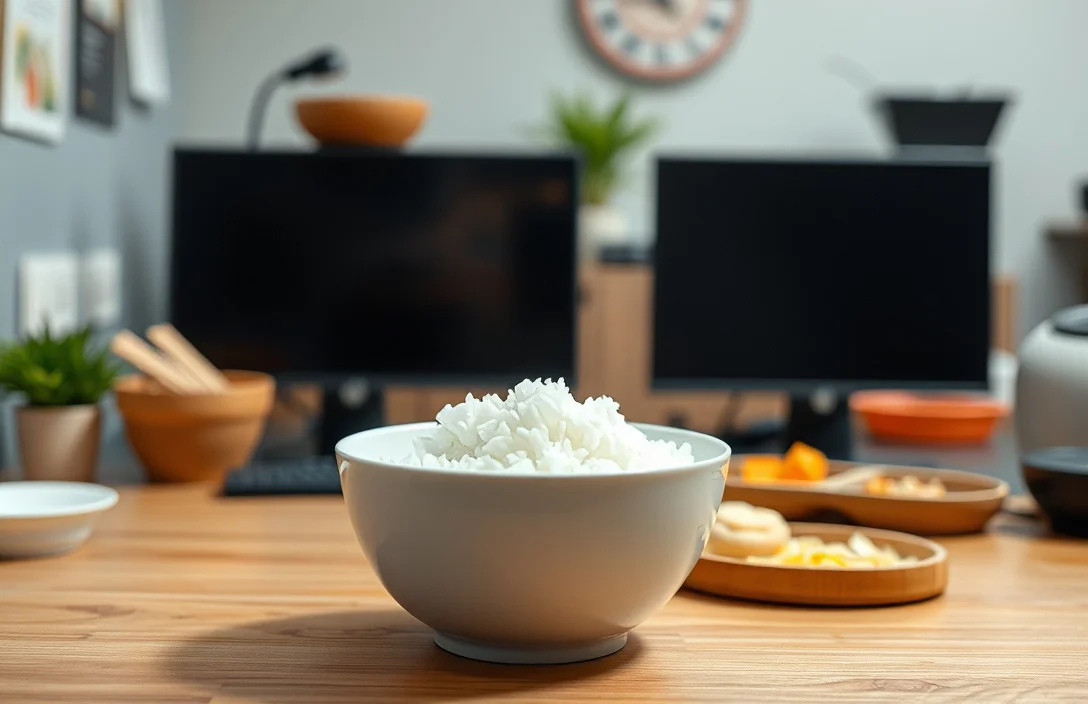
Replacement Bowl For Rice Cooker Explained Simply
A replacement bowl for rice cooker is one of the most common fixes when the inner pot cracks, peels, or loses its nonstick coating. The tricky part is matching the bowl to your exact cooker model, since size, shape, and even the thermal surface matter. This guide helps you pick the right inner pot, avoid expensive mismatches, and install it with confidence.
Replacement bowl for rice cooker depends on model number and capacity, because inner pots are shaped and heated to match a specific cooker base. Measure the inner rim diameter (and note capacity like “6-cup” or “10-cup”), then buy an exact replacement for your model, or a compatible aftermarket pot. Plan for a swap plus a careful soak and dry before first use.
Key Takeaways
- Match your rice cooker. Use your model number, since identical-looking bowls can still be wrong for the base.
- Check capacity label. Inner pots for 5-cup, 8-cup, and 10-cup cookers are sized differently.
- Confirm coating type. Nonstick, ceramic, and stainless wear differently and affect sticking and cleaning.
- Inspect the heating surface. Warped rims or damaged bottoms can lead to uneven cooking.
- Verify compatibility claims. “Fits most” listings are risky – use model-specific listings when possible.
- Plan a safe reinstall. Keep the heater plate clean and dry so the sensor reads correctly.
What to know about replacement bowl for rice cook
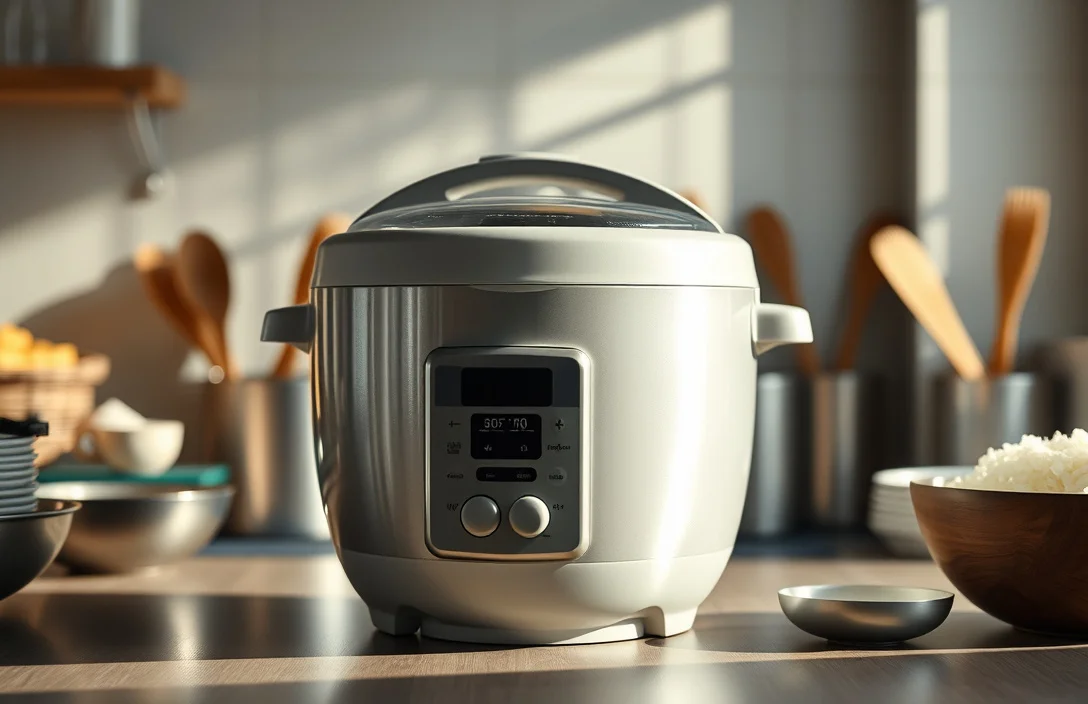
The replacement bowl is the actual cooking vessel, and it has to sit correctly in the heater base every time. Small differences in diameter, bottom thickness, or rim shape can change how the cooker measures temperature and distributes heat.
Identify whether your cooker uses a removable “inner pot” with a nonstick coating, ceramic coating, or stainless cooking surface. Many rice cookers depend on the inner pot sitting in close contact with the heating plate, so a loose fit is a red flag. If your current bowl is cracked, heavily warped, or the bottom coating is flaking, replace it instead of trying to patch the problem.
Treat the model number as non-negotiable. Manufacturers often build multiple versions that look similar, but they still differ in inner pot shape and sensor location. You can usually find the model number on a sticker on the back or bottom of the unit.
You only need to nail three “dimensions” for a good match: capacity (like 5-cup, 6-cup, 8-cup, 10-cup), physical fit, and the condition of the bottom heating surface. Get the first two right, then keep the last one clean, and most replacements perform normally.
Things that matter most
Buy for fit and function, not just size. A correct replacement bowl should match your cooker model and have the right capacity rating so the cooker’s heater and temperature control behave normally.
Start with the inner pot label or the listing that spells out compatibility by model number. If the seller lists your exact model, you’re already making a strong choice. If the listing only says “works with many brands,” expect returns or trial-and-error.
Coating and maintenance expectations matter too. Nonstick bowls are convenient, but they wear with utensils, abrasives, and high-heat patterns. Ceramic-coated bowls can be more scratch resistant, but they still have limits, especially with metal tools. Stainless inner pots often last longer and tolerate scratches better, and rice may brown more depending on your cooker and technique.
Inspect the bottom and sides before you order. A warped inner pot causes uneven heating and can create gaps that affect temperature sensing. Even a “correct size” bowl can underperform if it’s damaged.
Tips for replacement bowl for rice cook
Pull the old bowl out and inspect it like you’re diagnosing the part. Look for cracks around the rim, peeling nonstick, scratches that expose bare base material, and any warping you can feel with your fingers.
Measure only if the model-number match isn’t clear. Confirm the inner pot’s opening diameter (top rim), height, and approximate bottom diameter using a tape measure or ruler. Write the numbers down and compare them to any listing photos and dimensions. If the listing provides no measurements, model-number matching becomes even more important.
Use photos to sanity-check the shape. Check how the bowl’s handles sit (if it has them), how the lid-gap area looks, and how the bottom transitions into the sides. Sellers with only one generic image can be misleading.
Before the first cook with a new bowl, do the basic steps that prevent problems: wash with warm soapy water, rinse well, and dry completely. Wipe the heating plate and any sensor areas in the base so oils or debris don’t interfere with temperature readings.
If you’re replacing because the coating failed, avoid repeating the same failure. Use rice paddles that are non-metal (wood, silicone, or plastic), and skip abrasive scrubbers that shorten coating life. That one change can delay the next replacement.
Benefits of replacement bowl for rice cook
A correct replacement bowl restores heat transfer and brings back consistent texture. Rice that used to come out undercooked in one spot or too dry at the edges often improves when the bowl fits tightly and sits flat on the heater.
Replacing the damaged inner pot also protects the appliance. When an inner pot is warped or degraded, it can create hot spots and add stress to the heater system and temperature control. Swapping the bowl removes the underlying performance problem instead of compensating with extra water or longer cook cycles.
The practical advantage is cost control. Replacing just the inner pot is usually cheaper than replacing the whole rice cooker when the base is still working fine. You also keep your existing features, including fuzzy logic timing, keep-warm behavior, and your preferred rice settings.
You’ll also get a cleaner, safer kitchen routine. Flaking nonstick or damaged coatings can increase sticking and leave coating particles in the cooked rice. A fresh, matching inner pot reduces those issues and makes cleaning easier.
The real win is predictability. With the right bowl installed, you can use your normal water-to-rice ratios and cooking routine again instead of compensating for a failing pot.

Helpful pick
316 Stainless Steel Inner Pot 3L Replacement | Premium Rice Cooker Bowl Compatible with Zojirushi NP-HCC10 | Uncoated One-Piece Design for Even Heating & Daily Cooking
Uncoated stainless steel inner pot promotes even heat and consistent texture for reliable rice results.
Options for replacement bowl for rice cook
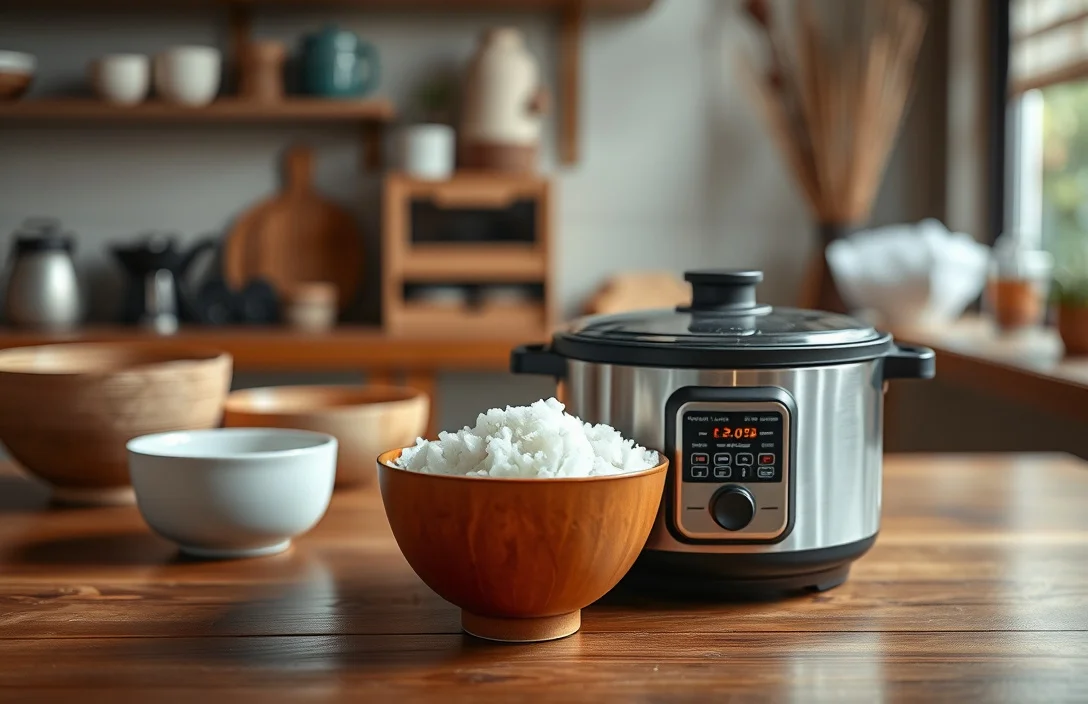
You have three paths: OEM (original equipment manufacturer) parts, aftermarket compatible parts, or specialty alternatives like stainless or different coating types.
OEM replacements are the safest bet for fit because they match your exact model. They’re built for the correct shape and heating-contact profile. If you want the fewest headaches and the lowest return risk, start with OEM.
Aftermarket options can be cheaper, but be strict about compatibility. Look for listings that name your rice cooker model. If the listing only says “for rice cooker inner pot,” treat the odds as lower unless the photos and dimensions clearly match.
Specialty alternatives change bowl material or coating type. Some brands offer different inner pot coatings for the same model lineup, and some aftermarket sellers provide stainless or ceramic variants. That can change how rice browns, sticks, and cleans, so treat it like a performance swap, not an exact equivalency.
| Option type | Key spec/price driver | Best for |
|---|---|---|
| OEM inner pot | Exact model match, correct fit | Lowest risk, consistent results |
| Aftermarket compatible | Model number in listing, dimension match | Budget replacement with controlled verification |
| Alternative coating/material | Stainless vs ceramic vs nonstick | People willing to adjust cooking and cleaning |
If your cooker is older and OEM stock is limited, compatibility-focused aftermarket shopping plus careful inspection of dimensions and photos is usually the next-best strategy.
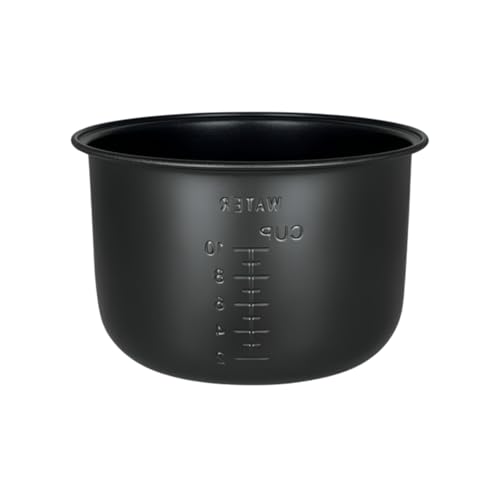
Helpful pick
Ingpro Original Rice Cooker Inner Pot Non-Stick Inner Pot for Rice Cooker Replacement Pot, Original Manufacture Part (10 Cup)
OEM Original Manufacture Part ensures exact fit and safe compatibility, preserving your rice cooker performance.
Advice for replacement bowl for rice cook
Treat compatibility as the main technical requirement, not the coating name. The heater base and temperature sensor logic are designed around the inner pot’s shape, and your replacement needs to replicate that geometry.

Helpful pick
Rice Cooker 10 Cup Inner Pot Compatible with Tiger JBV-A18U Only
This model-specific inner pot ensures exact geometry alignment with the heater base and sensor, prioritizing compatibility.
When you compare listings, prioritize:
- Model-number compatibility over “fits most” wording.
- Bottom surface condition (flat and undamaged) in the product photos.
- Capacity rating matching your cooker, because capacity changes how much water/food you cook each cycle.
- Coating type based on your cleaning habits, if you want to reduce replacement risk later.
Don’t ignore return and warranty details. You can get everything right and still end up with a bowl that’s off by a few millimeters. A retailer with a clear return policy makes that risk manageable.
If you’re buying from a marketplace or parts site, look for repair-parts style listings that include diagrams or model-specific guidance instead of generic “similar part” results. Those pages help confirm you’ve chosen the correct part for your model.
Installation affects results too. Keep the heater plate clean and dry, center the bowl, and avoid leaving water droplets on the base. If your cooker uses any temperature sensor, debris or moisture can affect readings and lead to uneven cooking.
Examples: replacement bowl for rice cook
If your cooker is a 6-cup model and your inner pot coating is peeling, buy a replacement bowl that explicitly lists “6-cup” and your exact model number. The goal is restoring your old water-to-rice ratio without changing cook settings.
If rice near the bottom is overcooked but the top is dry, a warped pot is often the reason. A replacement bowl that sits flat and seats properly typically fixes that uneven pattern because heat transfer becomes uniform again.
If you use a nonstick inner pot and you consistently use metal utensils or scrub pads, nonstick usually fails first. In that case, a ceramic-coated or stainless inner pot can be a durability upgrade, but expect rice texture and cleaning behavior to change slightly.
Stainless can reduce coating-related wear, but rice may stick more than with nonstick depending on your water ratio and technique. Switching materials usually takes a few test runs to dial in.
If your replacement search stalls because you can’t find the exact model match, measure the top rim diameter and bottom area, then compare to aftermarket listing photos and dimensions. This is a last-mile check that works best when the seller provides clear measurements. If they don’t, model-number matching is still your safest route.
FAQ
What is the fastest way to find a replacement bowl for rice cooker?
Use your rice cooker model number first. Look for a listing that names that model, not one that says “compatible with many.” If you can’t find the exact listing, write down the capacity and measure the top rim diameter, then compare to photos and any provided dimensions.
How much does a replacement bowl for a rice cooker usually cost?
Price varies by brand, whether it’s OEM or aftermarket, and the coating type (nonstick, ceramic, or stainless). Compare OEM and aftermarket options for your exact model, since model-number listings usually show the clearest price differences.
Are replacement bowls safe to use if they are aftermarket?
Aftermarket bowls can be safe if they match your model and fit correctly on the heater base. Skip listings that don’t specify compatibility or dimensions, since a poor fit can affect heating and sensor readings. A clear return policy from the seller reduces your risk.
How do I replace the inner pot in my rice cooker?
Unplug the cooker and let it cool completely. Remove the old inner pot, wipe the heater plate and any sensor areas clean and dry, then seat the new bowl centered. Add rice and water, run a normal cook cycle, and watch for unusual behavior like uneven heating or lingering moisture.
What is the most common mistake when buying a replacement bowl for a rice cooker?
Buying by capacity only, without confirming the model match. Two cookers can both be “6-cup,” but the inner pot shape and heating-contact details can still differ. Verify the model number in the listing and inspect the bowl bottom for flatness.

- 10 Best Slow Cooker With Leak Resistant Lid 2026 (Tested And Reviewed) - October 24, 2026
- 10 Best Slow Cooker With Spill Proof Design 2026 (Tested And Reviewed) - October 24, 2026
- 10 Best Slow Cooker With Locking System 2026 (Tested And Reviewed) - October 24, 2026