Do Pots Need Drainage Holes For Healthy Roots
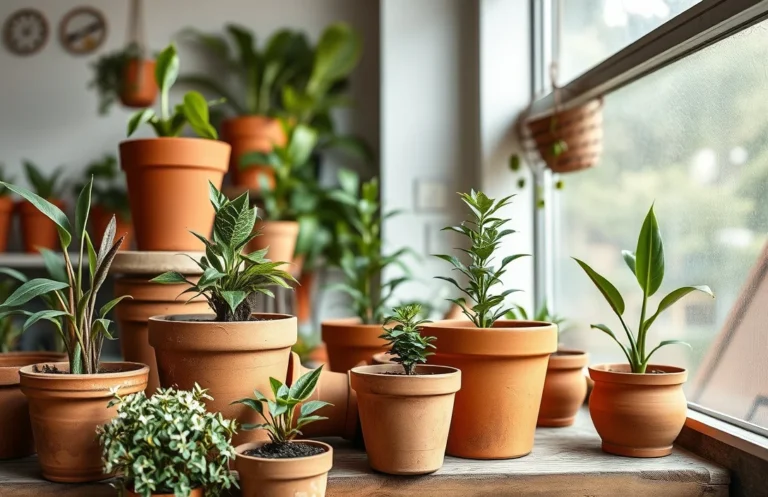
Yes. For most houseplants and garden container plants, drainage holes are what keep roots from sitting in water. Without them, potting mix stays wet longer, oxygen levels drop, and rot becomes a predictable problem.
Drainage holes let excess water escape so the soil can drain and re-oxygenate between waterings. That’s the cycle most plants need to stay healthy. If you’re using pots without holes, you can still grow successfully, but you have to control how much water you give and where runoff goes.
Key Takeaways
- Most pots should drain. Use pots with at least one drainage hole for oxygen-rich roots.
- Standing water damages roots. No holes keeps soil saturated longer and cuts oxygen around roots.
- Some setups require drainage. Outdoor containers, larger planters, and plants prone to wilting when wet do best with holes.
- No-drain pots can work. Use a liner, water carefully, and stick to a “less water than you think” routine.
- Fix it fast. Drill holes, switch to nursery pots, or use saucers designed to manage runoff.
- Watering method matters. Water thoroughly once, let it drain fully, and never leave roots in sitting runoff.
Do Pots Need Drainage Holes For Healthy Roots?
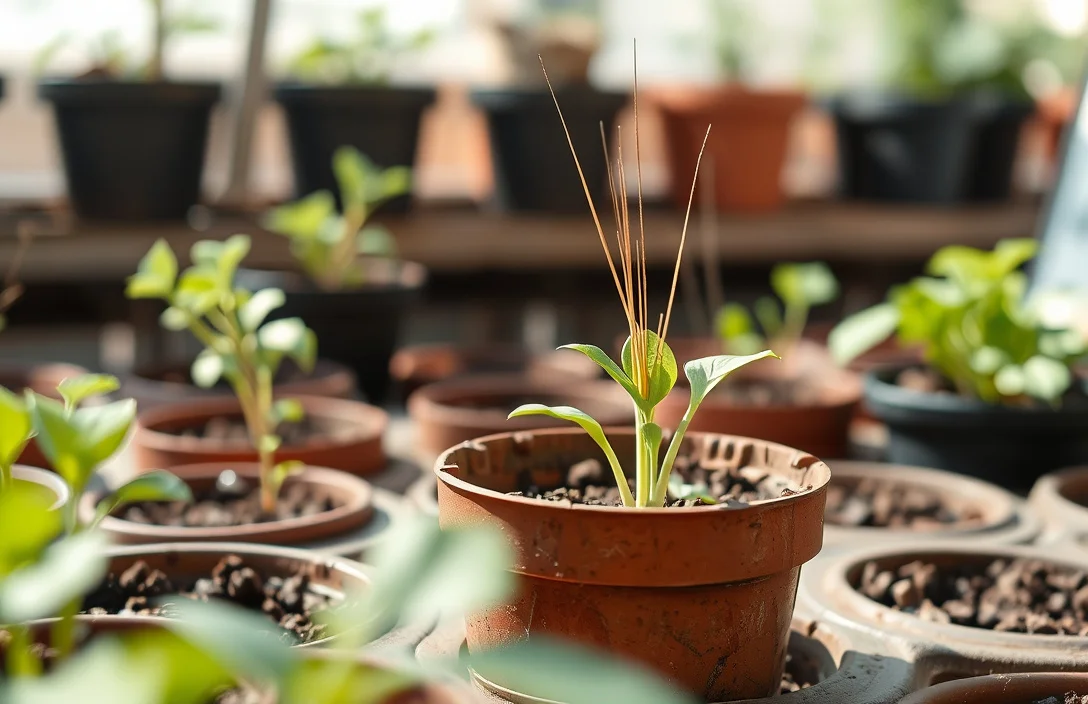
Roots need oxygen. In pots with drainage holes, water can drain out after you water, leaving pockets of air in the mix so roots can respire between waterings. That drain-then-rest pattern is what most plants rely on, even indoors.
Drainage holes also reduce the risk of persistently soggy soil. Even plants that tolerate dryness can struggle if the root zone stays wet. Mushy roots, yellowing leaves, and slowed growth often trace back to chronic overwatering, and holes help limit how long excess moisture lingers.
My rule is simple: if you want normal watering to stay normal, choose a pot that drains. If you want a decorative container with no holes, you can use it, but you’ll manage water more tightly.
What Happens Without Drainage Holes
Without drainage holes, water has nowhere to go, so the potting mix stays wet longer than roots can handle. The plant usually doesn’t crash instantly. Instead, the roots spend more time in low-oxygen conditions, and damage builds quietly.
Over time, consistently saturated soil can cause root rot and trigger fungal problems. You may see yellow leaves, limp stems, or a plant that wilts even though the soil feels wet. That “wilting while wet” look is a classic sign the roots can’t take up water properly.
No-drain pots also punish mistakes harder. With holes, a heavy watering still drains out, giving the plant a chance to recover. Without holes, that same mistake becomes a long soak, and there’s less recovery time.
When Drainage Holes Are Mandatory
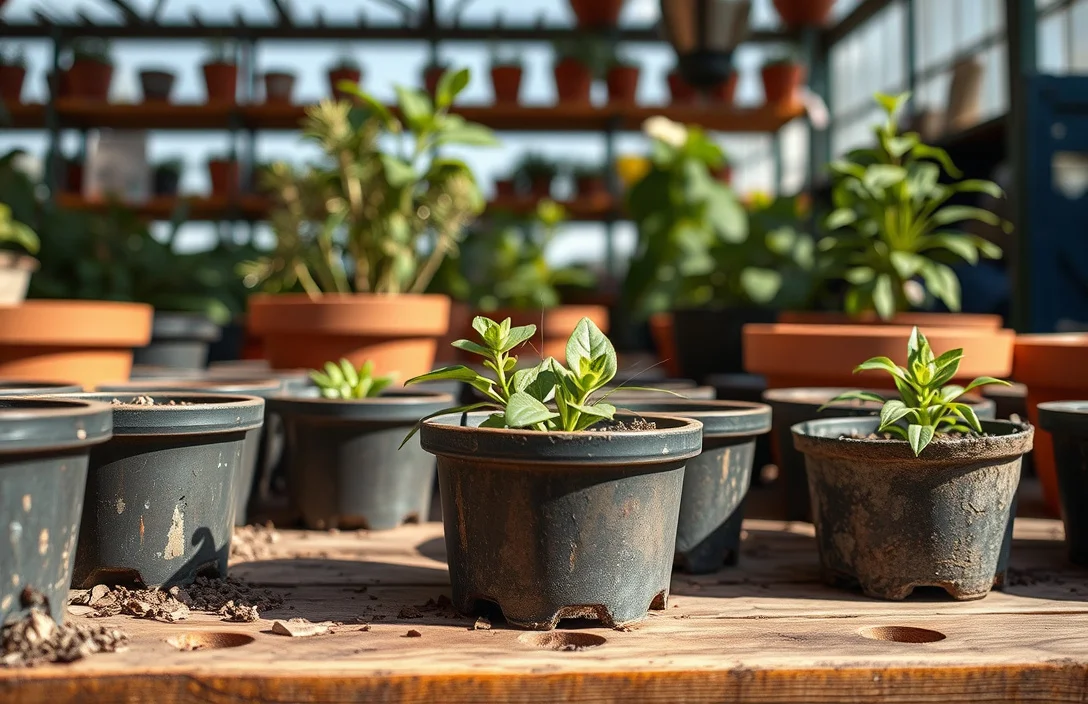
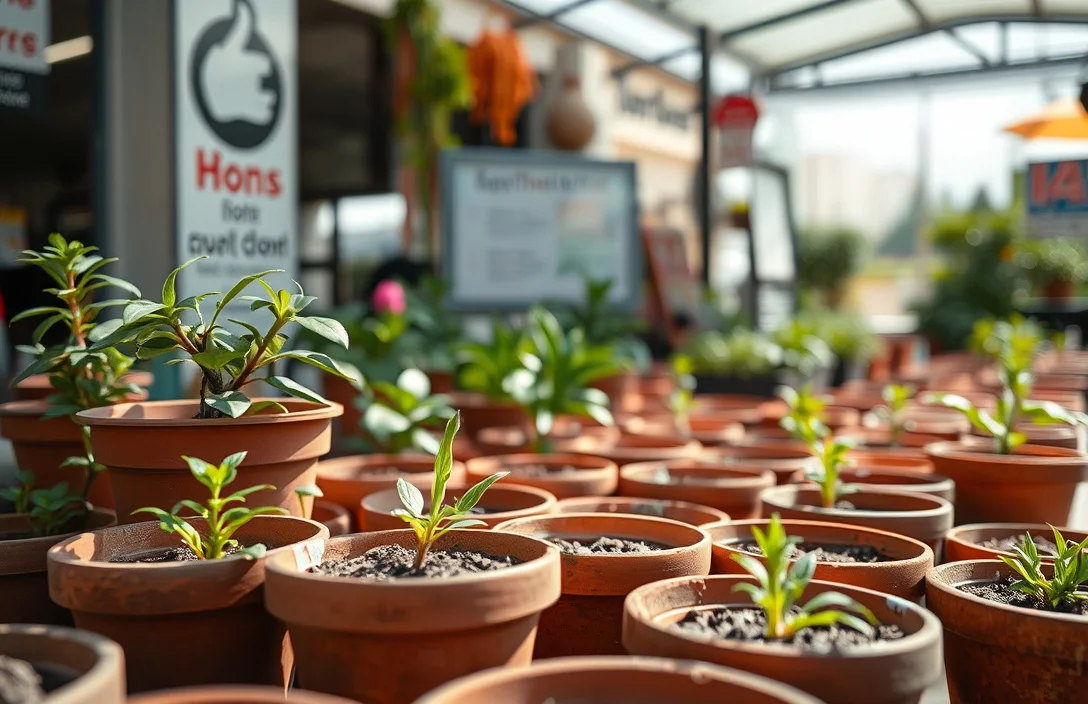
Drainage holes are nonnegotiable when a plant is sensitive to wet roots or when your container stays outdoors. In the US, containers often get soaked by heavy rains, then heated by sun. The top dries fast while the deeper mix stays wet, and without drainage holes that saturation can linger.
Drainage holes also matter for succulents and most cacti. These plants can handle dry periods, but they don’t handle prolonged wet soil well. A no-hole pot turns “wait until it’s dry” into “it’s never truly drying,” and root health suffers.
Dense soil makes the issue worse. Garden soil in a decorative container holds water longer than container potting mix, so a no-drain setup can keep roots saturated for a long time. With a heavier mix, drainage becomes the critical safety feature.
Can You Use Pots Without Holes Safely?
You can use pots without drainage holes, but only if you prevent roots from sitting in runoff.
The safest system is a double-pot setup: an inner draining pot (often a nursery pot) sits inside a decorative outer pot. Water drains out of the inner pot, and the outer container just holds the look. The outer pot should not catch water underneath the inner pot for long. If the inner pot bottoms sit in a puddle, the roots are still soaked and you lose the main benefit of drainage.
If you insist on a single solid container, watering has to be stricter. That means less frequent watering, a very well-aerated mix, and closer monitoring of soil moisture. This approach works best for plants that tolerate drier conditions and for people who check moisture often.

Helpful pick
FUIJOL 4/5/6/7 Inch Clear Nursery Pots for Plants with Sacuers 20 Pack, Plastic Flower Pots with Drainage Holes, Variety Pack Seedlings Garden Pot for Indoor Outdoor (4+5+6+7 inch)
Clear nursery pots with saucers help trap drainage and support a safe double-pot setup.
Best Workarounds For No-Drain Pots
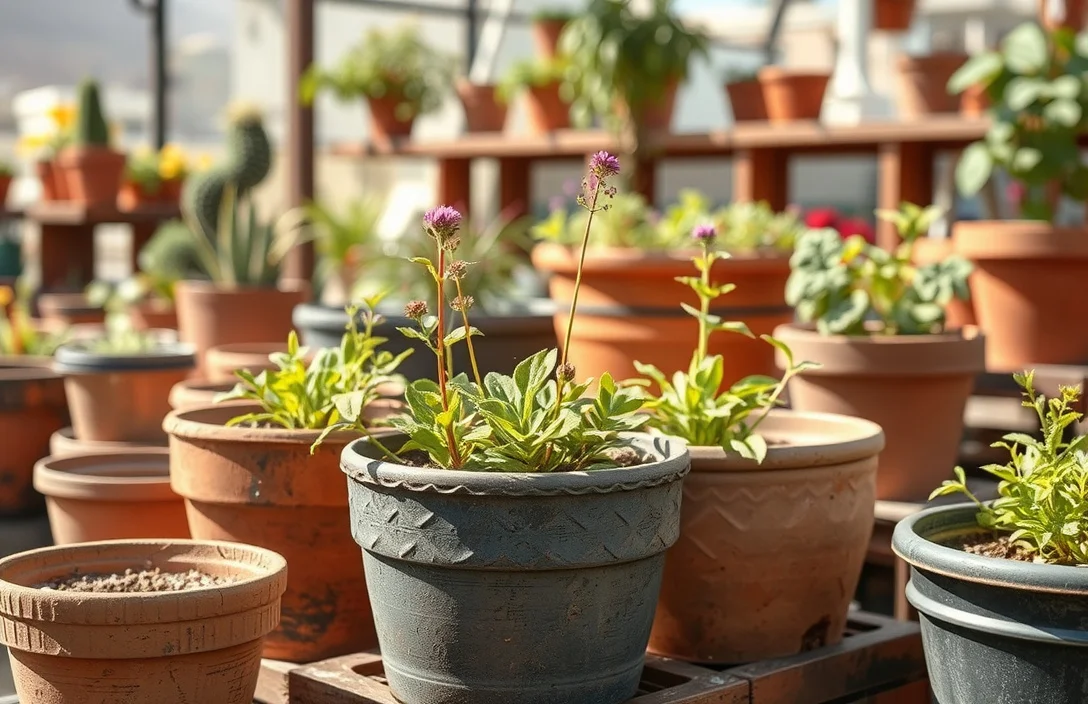
Switching to an inner pot with drainage is the best workaround. You keep the decorative outer pot, but you restore the one thing the plant needs – water escape. For most indoor plants, a nursery pot inside a decorative cachepot is the lowest-stress option.
If you can’t do an inner pot, drilling drainage holes is the next-best choice. Many plastic and drill-friendly ceramic pots can be drilled with the right bit and care. It also beats “gravel at the bottom” logic, because gravel doesn’t stop the root zone from staying saturated.
If drilling isn’t practical, use a moisture-monitoring routine and a lighter, container-ready mix. Water thoroughly only when the mix is actually ready, then empty any standing water immediately.
| Workaround | Best For | What You Must Watch |
|---|---|---|
| Inner nursery pot + outer decorative cachepot | Most houseplants in decorative planters | Never let the inner pot sit in a puddle |
| Drill holes into the existing pot | Plastic or drill-friendly ceramic pots | Clean edges, stable placement, and proper tray use |
| Use a self-watering setup (with reservoir control) | Busy schedules, consistent indoor light | Follow the design’s fill level, avoid stagnant water |
| Keep the plant in a draining liner pot | Large planters where you want easy swaps | Ensure liner drains freely into a collection space |
| Water less with a very airy mix | Drought-tolerant plants | Soil moisture checks, avoid “top looks dry” traps |
The simplest win for most people: keep the plant in a plastic nursery pot with drainage and place it inside the decorative pot. It’s easier, and it’s more forgiving if you overdo watering slightly.

Helpful pick
RAOOKIF 100 Pack Nursery Pots, 4 5 6 Inch Nursery Pot for Plants, Plastic Plant Pots with Drainage Holes, Garden Flower Pots for Transplanting, Succulents, Cuttings, Seedlings(4inch,100pcs)
Provides a ready-to-use inner nursery pot with drainage, letting you keep a decorative outer pot while ensuring water escape.
How To Water Containers With Drainage Holes
Watering a container with drainage holes is about doing two things: watering deeply enough to saturate the root zone, and then letting excess drain out fully. If you only wet the top layer, the deeper soil stays dry and roots grow unevenly, which can make the plant less stable.
Use a “thorough then drain” approach. Water until you see runoff coming out of the holes, then stop. Let it drain completely, often by moving the pot to a sink or placing it on a tray you empty right away.
After draining, wait to water again based on the mix, not the calendar. Containers dry at different speeds depending on light and indoor conditions. A fixed schedule can overwater in slower-drying seasons or under-check when conditions change.
Make it reliable with two quick checks before you water:
- Finger test: Stick a finger 1 to 2 inches into the soil. If it is still cool and damp, wait.
- Weight test: Lift the pot. Dry pots feel noticeably lighter, wet pots feel heavy and dense.
Smaller pots make this even more important because the window between “ready” and “too wet” is shorter.

Helpful pick
Quarut 3 Pack 10 inch Plant Pots,Whiskey Barrel Planters with Drainage Holes & Saucer, Plastic Decoration Flower Pots Imitation Wine Barrel Design, for Indoor & Outdoor Garden Home Plants (Brown)
Offers drainage holes and a saucer to prevent overwatering and guide proper runoff.
FAQ
Do all plant pots need drainage holes?
Most do. Healthy roots usually require at least one drainage hole so excess water can escape and the soil can re-oxygenate. The main exceptions are cachepot setups where runoff is removed, or an inner pot system that drains properly. If your pot has no holes, you have to control water carefully to prevent constant soggy soil.
What happens if my pot has no drainage holes?
Water stays in the soil longer, reducing oxygen around the roots. That can lead to root rot and fungal problems, plus yellowing leaves or wilting even when the soil feels wet. Over time, damaged roots can’t take up water well, so the plant declines gradually instead of instantly.
Are drainage holes required for outdoor container plants in the US?
Outdoor containers still benefit from drainage holes because rain can soak the mix, and hot conditions can dry only the surface while deeper soil remains wet. If your container collects water from storms, holes reduce the risk of long saturation. If you must use a decorative no-drain planter outside, use an inner draining pot and keep runoff away from the roots.
How often should I water a pot with drainage holes?
Water based on soil moisture, not a fixed schedule. Do a finger test 1 to 2 inches deep, and water thoroughly only when that depth is starting to dry. Always allow full drainage after watering, and empty any tray so the pot does not sit in runoff.
What’s the most common mistake with no-drain pots?
Relying on “gravel at the bottom” to create drainage. Gravel doesn’t keep the root zone from staying saturated. The safer approach is an inner draining pot or drilling holes, then watering with a thorough-then-drain method.

- 10 Best Slow Cooker For Mess Free Cooking 2026 (Tested And Reviewed) - October 24, 2026
- 10 Best Slow Cooker With Leak Resistant Lid 2026 (Tested And Reviewed) - October 24, 2026
- 10 Best Slow Cooker With Spill Proof Design 2026 (Tested And Reviewed) - October 24, 2026