Good Plants For Shallow Pots: Drought-tolerant & Compact
Shallow pots dry out faster, and plants fail most often because roots overheat or suffocate in soggy soil. The fix is simple – match the pot depth and watering rhythm to the species. Use drainage, light, root depth, and your tolerance for maintenance to choose well, and you will walk away with plant picks that actually fit.
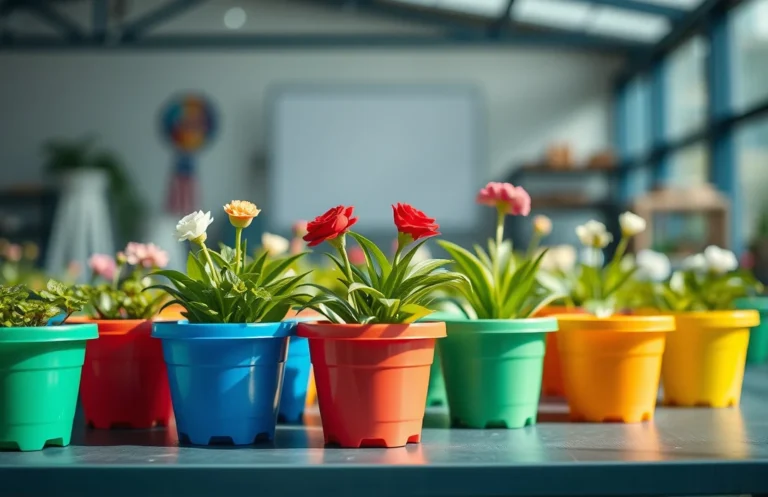
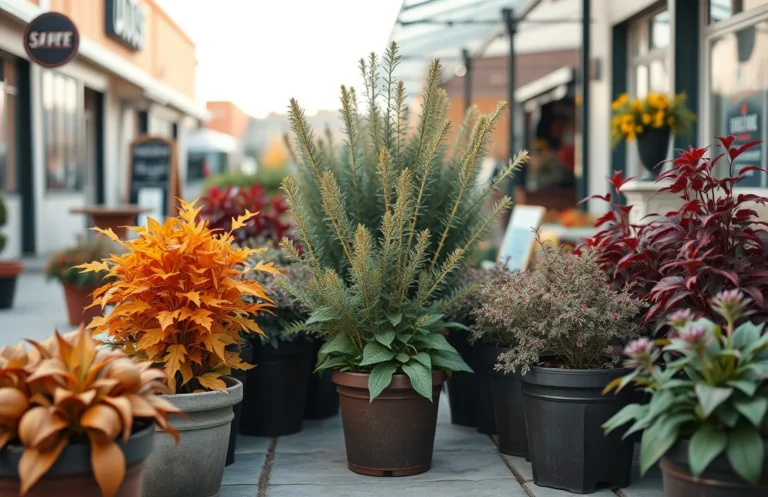
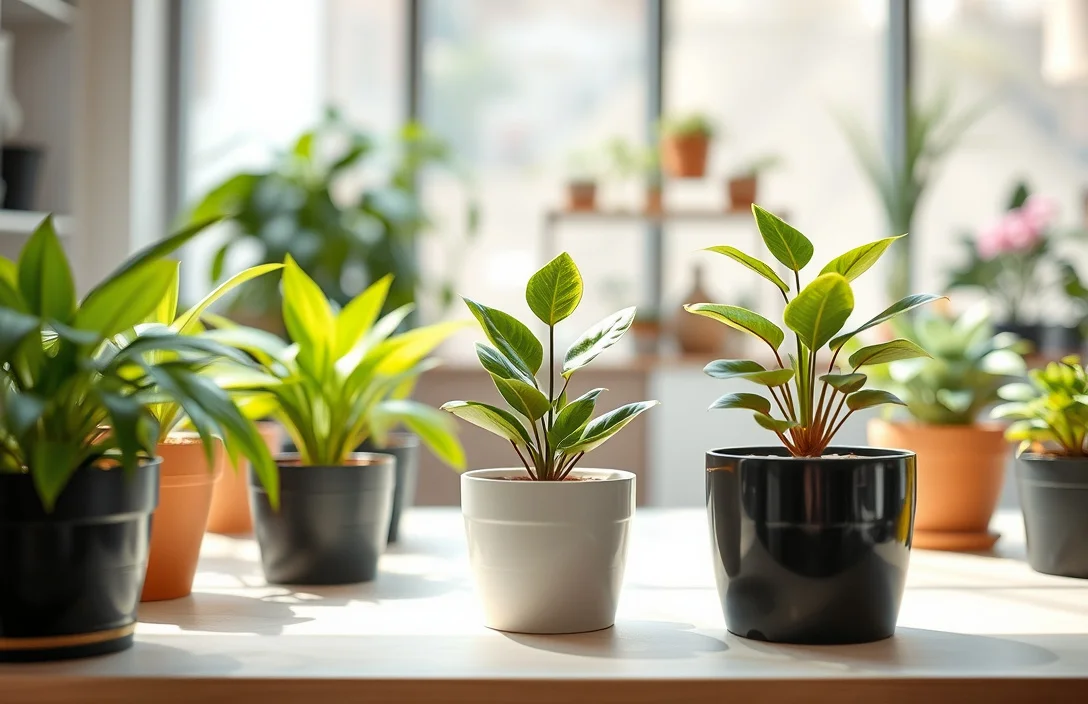
Good plants for shallow pots have compact root systems, tolerate drying between waterings, and do not demand deep, constantly moist soil. Start with containers that include drainage holes. Then pick species that naturally handle dry spells – succulents, many Mediterranean herbs (like thyme), and several small perennials (including creeping jenny). In shallow planters, drainage matters more than pot size.
Key Takeaways
- Use drainage first. Shallow pots fail most often from waterlogging, so always choose planters with drainage holes.
- Match light to plant. Bright sun tolerates drier soil; shade lovers need steadier moisture and a richer potting mix.
- Pick compact rooters. Choose shallow-rooted plants like creeping thyme, some sedums, and small groundcovers.
- Skip moisture-hogs. Plants that want constantly wet soil decline fast in shallow containers.
- Plan for watering frequency. Expect faster dry-down in shallow pots, especially outdoors in wind and sun.
- Choose based on maintenance. Slow growers stay attractive longer, which means less pruning and fewer repots.
Good Plants for Shallow Pots With Drainage
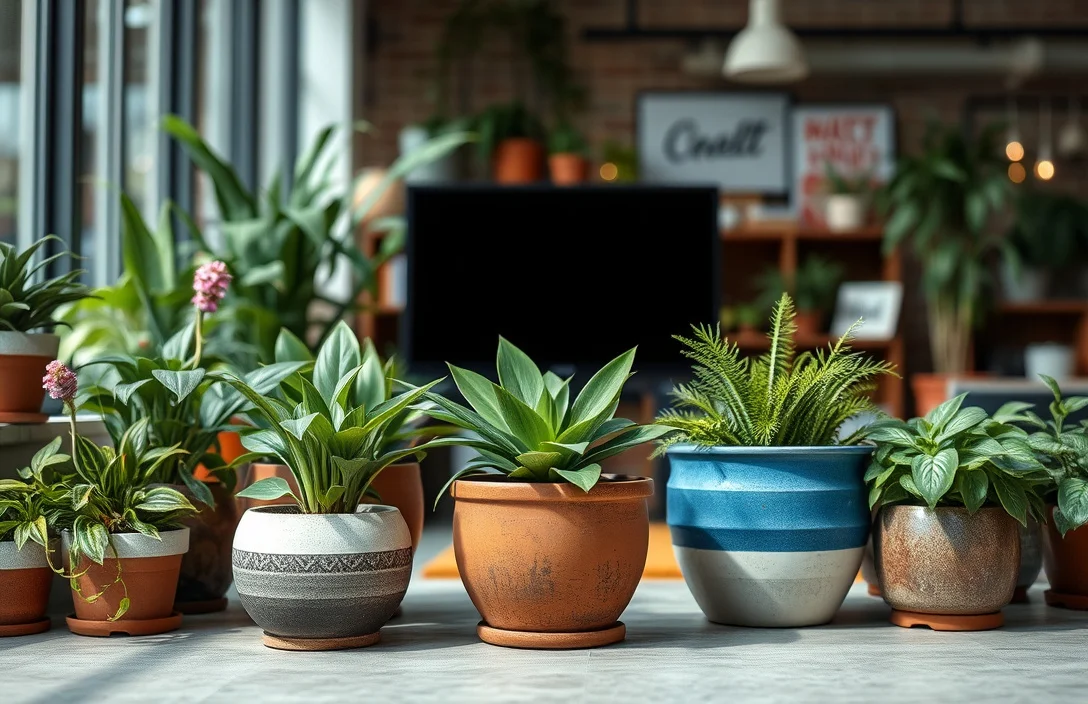
Drainage determines whether shallow containers succeed. Roots have less depth to buffer heat and drought, so waterlogging shows up quickly. With at least one drainage hole and a quality potting mix (not garden soil), you can grow plants that would struggle in big, soggy beds.
The most reliable “starter” group is plants that naturally grow where water drains quickly. Mediterranean herbs and other drought-tolerant ornamentals handle these conditions well because the soil can breathe and watering mistakes do less damage.
Great picks when your pot drains well:
- Thyme (Thymus spp.) – Creeping and culinary types do best when the soil dries somewhat between waterings.
- Sedum (stonecrop) – Many varieties tolerate heat and dry spells and stay compact in shallow dishes.
- Sempervivum (houseleeks) – Compact rosettes love fast-draining mix and still look good even when growth is modest.
- Oregano (Origanum vulgare and relatives) – Often stays tidy in containers, especially with light trimming.
- Dwarf creeping jenny (Lysimachia nummularia cultivars) – Tolerates moderate moisture well, as long as you do not keep the container constantly wet.
- Many dwarf grasses – Choose clumping types (not runners) so they stay controlled in shallow planters.
For a “designed” look without constant fuss, use one main plant plus a spiller. A sedum or thyme center with trailing thyme or a low groundcover at the edge creates an instant waterfall effect without needing deep soil.
Quick checklist before you plant
- Confirm at least one drainage hole (more is usually better).
- Use a potting mix that drains fast and skip dense blends that stay wet.
- Water thoroughly until water runs out, then wait until the surface starts to dry before watering again.
Best Plant Types for Shallow Containers
Shallow containers run on a smaller root zone, so the best plants store water, grow slowly, or naturally spread near the soil surface. That makes them less likely to wilt “for no reason” when the soil stays too wet, because the plant’s growth habit fits the container.
I sort shallow-pot wins into five buckets: drought-tolerant ornamentals, compact herbs, surface-spreading groundcovers, tight rosette plants, and certain dwarf perennials that form neat clumps. Once you pick the bucket, choosing species becomes straightforward.
Plant types that consistently fit shallow containers:
- Succulents and rosette plants – Sedum, Sempervivum, and similar types prefer fast drainage and do not mind drying.
- Mediterranean herbs – Thyme, oregano, and many culinary herbs do best with a drier cycle.
- Low groundcovers – Creeping types fill the rim and still look full without deep planting depth.
- Compact clumping perennials – Some smaller hostas and dwarf varieties can work, but only in the right light and moisture conditions.
- Annuals with tidy roots – Many annuals succeed as long as the soil is not staying wet.
Two trade-offs to plan for:
- Heavy moisture-loving choices mean more frequent watering and higher odds of root stress.
- Heavy drought-tolerant choices require discipline in heat and wind, since shallow pots dry out quickly.
For most outdoor shallow planters, a good “best fit” combo is one drought-tolerant structure plant plus one soft filler. Thyme with a creeping sedum habit looks great and stays manageable even when watering timing varies.
Good Plants for Shallow Pots That Prefer Dry Feet
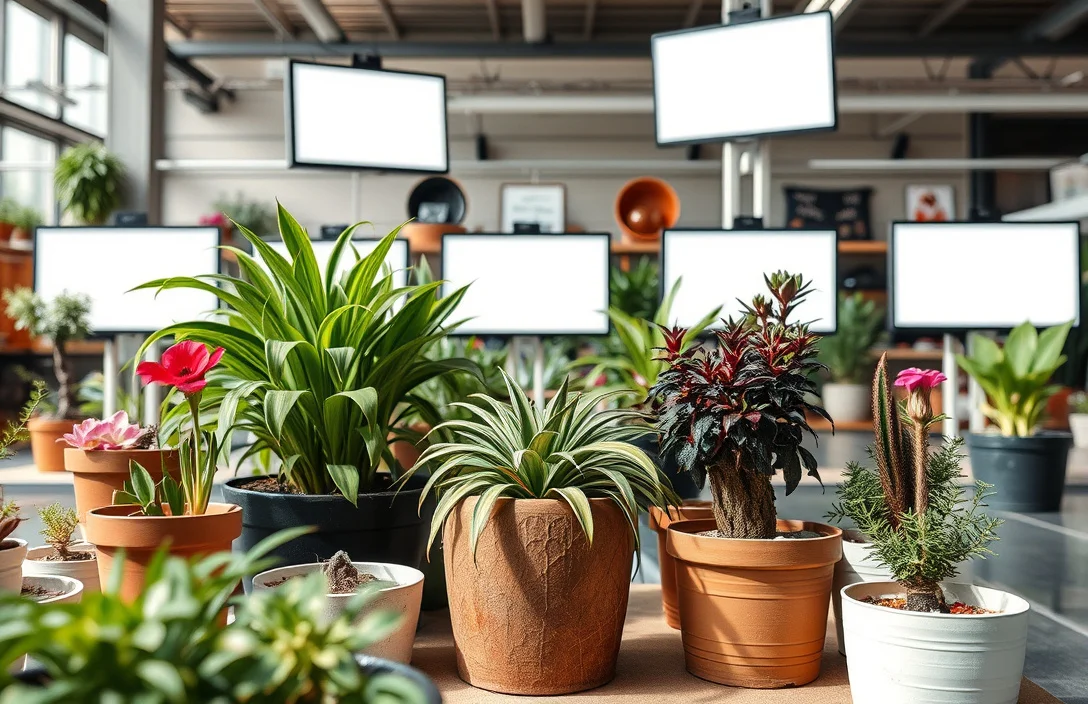
“Dry feet” plants want the soil to dry between waterings and do not tolerate wet, oxygen-poor conditions. In shallow pots, that matters even more because water reaches the roots quickly – and so does drying.
Succulents and many Mediterranean herbs match this pattern: a thorough soak, then a drying period. Pair that habit with a fast-draining potting mix and you get a setup that forgives real life.
Dry-feet options that work well:
- Sedum (stonecrop) – Thick leaves store moisture, and many types handle full sun.
- Houseleek (Sempervivum) – Rosettes tolerate neglect better than most ornamentals.
- Thyme – Creeping thyme forms a low mat and prefers drying out.
- Oregano – Handles drier soil well once established.
- Rosemary (container dwarf types) – Works with strong sun and mix dry-down, but do not keep it consistently wet.
- Lantana (in warm months, outdoors) – Tolerates dry periods well in a draining container.
“Dry feet” does not mean “never water.” It means water with a rhythm. In summer, shallow outdoor pots can need watering more often than you expect, even for plants built for drought.
Use your hand, not the calendar. When the top inch feels dry (or nearly dry), water thoroughly until it drains. If you never let the mix approach dry, even dry-feet plants can decline.
Good Plants for Shallow Pots in Bright Light
Bright light helps shallow pots because plants in sun use water faster and the soil does not stay wet for long. With good drainage, that combination reduces root stress.
For bright light setups, stick to “compact, sun-tolerant, and not too moisture-demanding.” Herbs and drought-tolerant ornamentals belong here, and they usually look better in sun with sturdier growth and stronger color.
Great shallow-pot plants for bright light:
- Thyme – Low spread and aromatic foliage for sun-facing windowsills.
- Sedum varieties – Often deepen in color under strong light.
- Geranium (dwarf or zonal types) – Many do well in bright conditions if you let the mix dry slightly.
- Portulaca (moss rose) – Handles heat and sun and stays compact.
- Aloe (small types) – Works indoors with very bright light and fast drainage.
- Dwarf lantana (outdoor, warm climates) – Often flowers well in bright sun.
Indoors, the common mistake is “bright but indirect” light plus houseplant-style watering. Bright light means active growth, which means faster dry-down. Adjust watering or sun will not do its job.
Outdoors, bright light often comes with wind. Wind increases evaporation, so dry-feet plants may need watering a bit more often than a sheltered spot. Still use the “feel the mix” method, then fine-tune your schedule once you see how quickly your planter dries in your exact location.

Helpful pick
Newtay 5 Sets Plant Pots 13 Inches Jumbo Plastic Flowers Garden Bowl Planter with Plant Saucers Large Black Wide Shallow Plant Pots with Drainage Holes Planter Bowl for Indoor Outdoor Flowers Herbs
A wide, shallow pot with drainage holes supports sun-loving herbs and flowers by preventing soggy soils.
Good Plants for Shallow Pots With Small Root Systems
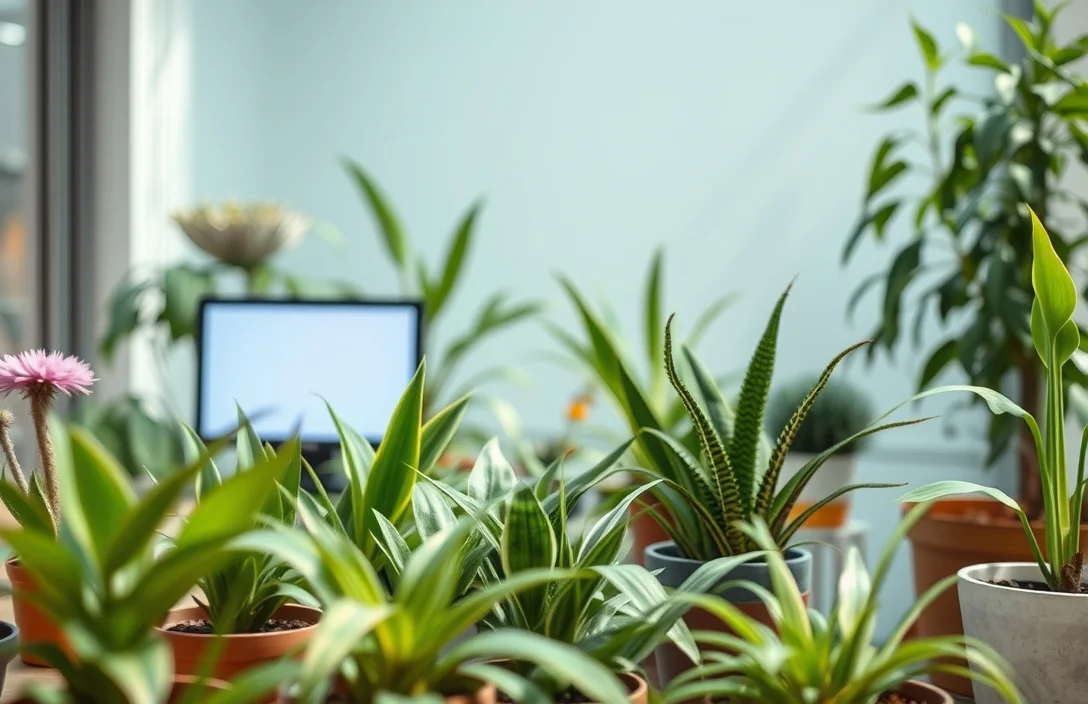
Shallow pots limit root space, so plants with naturally shallow or compact root systems stay balanced. That reduces problems like top growth collapsing while the soil stays wet.
Choose plants bred to stay compact or that naturally spread near the surface. They do not need deep roots to do well.
Good shallow-root candidates:
- Creeping thyme – Spreads over the surface and roots into the top layer.
- Sedum (most low-growing types) – Compact root systems keep plants manageable.
- Dwarf grasses – Many clump slowly and do not demand deep soil.
- Small begonias (some types) – Work indoors or in partial shade, but only if you do not keep them constantly wet.
- Creeping jenny (Lysimachia nummularia cultivars) – Can act as a thin-rooted filler if moisture stays moderate.
- Some dwarf perennials – Pick smaller cultivars. Even within the same species, root behavior can vary.
Planting matters. Set the root ball at the right depth and avoid burying crowns too deeply, especially for rosette and herb types. Leave a small gap at the top so you can water without spilling soil over the rim.
If you want a fast, good-looking formula, pair one small upright plant (like a dwarf grass or a thyme clump) with one surface-spreading plant. You get vertical structure and edge coverage without needing extra planting depth.

Helpful pick
Arcadia Garden Products PSW TA25TC Plastic/Stone/Wood Composite Bulb Pan – No Drainage Hole (Drillable), Planter Bowl for Succulents, Bonsai, Fairy Gardens, Herbs,10-Inch, Terra Cotta Color
A shallow, drillable pan keeps succulents, bonsai, and herbs balanced in restricted root space.
Good Plants for Shallow Pots That Grow Slowly
Slow growers are a cheat code for shallow containers because you spend less time managing them. They also hold their shape better as shallow soil levels shift over time.
The trade-off is that slow plants can look sparse at first. If you accept that “fill time,” you get long-term stability and fewer chores.
Slow-growth picks that work well in shallow pots:
- Sempervivum (houseleeks) – Expand steadily without aggressive stretching.
- Many sedums – Some stay compact and tidy.
- Creeping thyme (once established) – Fills gradually and stays low.
- Small clumping dwarf perennials – Choose compact cultivars instead of fast spreaders.
- Some dwarf grasses – Clumps bulk up slowly and remain controlled.
In a shallow planter, slow growth also reduces uneven drying. Fast growers can drink quickly and exhaust the available soil depth, especially outdoors.
If you want low maintenance, schedule watering around soil moisture, not growth rate. Slow growers still need periodic water, and shallow pots can dry out before you notice. A quick soil check in the top inch prevents almost all the most common slow-grow failures.

Helpful pick
The HC Companies 6 Inch Round Plastic Succulent Capri Bowl 6″x6″x2.25″ in Faux Concrete Color
Perfect for slow-growing succulents in shallow pots, this compact bowl keeps roots tidy and presentation neat.
Good Plant Options for Outdoor Shallow Planters
Outdoor shallow planters deal with more stress than indoor pots. Expect sun swings, wind, temperature changes, and heavier evaporation. Winners outdoors are usually heat-tolerant, drainage-friendly, and not dependent on constantly moist soil.
Many US homes give outdoor shallow planters at least part of the day in full sun. That makes drought-tolerant herbs and succulents the easiest starting point, especially when the planter dries fast.
Great outdoor options:
- Thyme and other culinary herbs – Handle outdoor sun well and add fragrance.
- Sedum – Heat and drought tolerance gives you a big advantage in shallow planters.
- Portulaca (moss rose) – A reliable summer performer in sun.
- Small lantana (in warm months) – Tolerates dryness better than many flowering bedding plants.
- Dwarf ornamental grasses – Add texture without needing deep soil.
- Geranium types (sun-friendly cultivars) – Often do well when you avoid wet feet.
For fewer problems outdoors, water deeply but less often. Shallow pots can stay unevenly wet if you sprinkle a little each day. That encourages shallow roots that dry out quickly again. Water thoroughly until runoff, then let the soil dry partway before repeating.
Cold matters too. Many succulents and Mediterranean plants are not reliably cold-hardy for every region when they sit in shallow pots – the pot exposes roots to freezing. If you get hard freezes, move containers under cover or insulate the sides.
FAQ
What are the easiest good plants for shallow pots outdoors?
Choose sun-tolerant, drainage-friendly plants like thyme, sedum, and portulaca. They handle heat and drying cycles better than moisture-dependent plants. Use a shallow planter with drainage holes, then water thoroughly when the top inch of potting mix is dry and wait again. In hot, windy spots, you may need more frequent watering even for drought-tolerant plants.
How deep should soil be in a shallow pot for plants?
Shallow pots work best with plants that naturally stay compact or have shallow root systems. For most success, prioritize potting mix depth and container stability over “exact centimeters,” because rootball shape varies. If the pot is very shallow and the plant is not naturally compact, roots crowd quickly and growth stalls. If you want a larger-root plant, use a deeper container instead.
Can I use a shallow pot for houseplants that love moisture?
Yes, but you must match light and watering carefully and avoid soggy soil. Moisture-loving houseplants often need more consistent moisture, and shallow containers either dry too fast or stay wet if drainage is poor. If you try it, use a well-draining mix and water based on the top layer drying, not a fixed schedule. For easy results, stick to dry-feet and bright-light options.
What’s the most common mistake with shallow containers?
Overwatering, especially with potting setups that hold too much water. Shallow pots have less soil volume, so waterlogged conditions hit roots faster and there is less oxygen in the mix. Always use a planter with drainage holes and a potting mix made for containers. If the plant looks wilted while the soil is wet, check drainage and cut back immediately.
What’s a good alternative if I can’t keep up with watering?
Use plants that tolerate drying cycles (sedum, thyme, houseleeks) or add a self-watering base only if you control moisture and still keep roots oxygenated. Another option is switching to a slightly deeper pot while keeping the same plants, since extra depth buffers drying and watering swings. You can also place shallow outdoor planters in less windy shade to slow evaporation. If watering is unpredictable, choose drought-tolerant species first.

- 10 Best Slow Cooker For Slow Cooking Legumes 2026 (Tested And Reviewed) - October 17, 2026
- 10 Best Slow Cooker For Slow Cooking Oxtail 2026 (Tested And Reviewed) - October 16, 2026
- 10 Best Slow Cooker For Slow Cooking Venison 2026 (Tested And Reviewed) - October 16, 2026