Can You Use Crock Pot As Rice Cooker?
Yes, you can use a crock pot as a rice cooker in a pinch, and it works best for “set it and forget it” white rice. The payoff comes from nailing the water ratio, keeping the lid on to trap steam, and resisting the urge to stir.
Crock pot rice cooking works when you treat it like low, steady steaming, not boiling. Use a tight lid, start with about 1:1.75 to 1:2 rice-to-water for most stovetop-style white rice, and plan for roughly 2 to 3 hours on Low (then rest 5 to 10 minutes). Brown rice usually needs longer – around 3 to 5 hours.
Key Takeaways
- Yes, it works. Crock pots can steam rice evenly, especially on Low with the lid on.
- Water ratio matters. Start around 1:1.75 to 1:2 (rice:water) for white rice.
- Cooking time is longer. Expect about 2 to 3 hours on Low for typical white rice.
- Stir less. Frequent stirring releases steam and can turn rice gummy.
- Use a rest step. A 5 to 10 minute rest fixes texture by finishing absorption.
- Real rice cookers differ. They handle temperature control more precisely, so texture is more consistent.
What to Know About Using a Crock Pot as a Rice Cooker
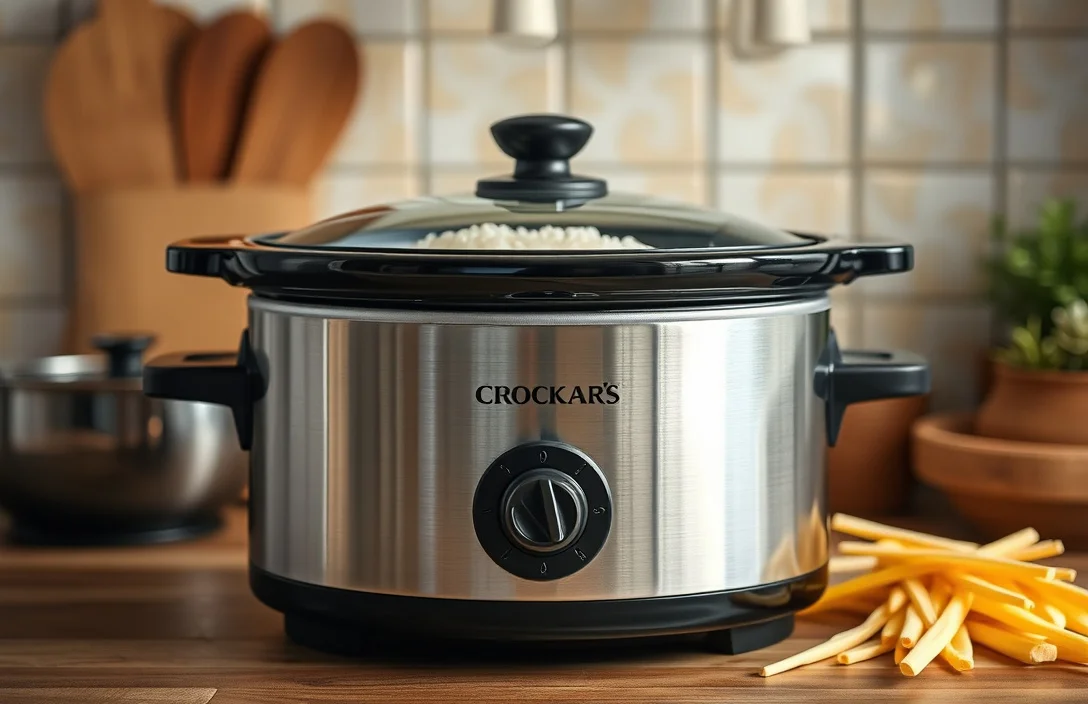
A crock pot cooks rice because the slow heat and covered pot create a steady steaming environment. You’re not trying to “boil rice” – you’re letting the grains absorb water at a controlled temperature until tender.
Texture is the main make-or-break. Too much water or an open lid leads to mushy, gummy rice because the steam cycle never stabilizes.
Things that matter most
Match water ratio first, then match time to the rice type. Most white rice is designed around stovetop cooking, and a crock pot can overcook fast if you extend the timeline too far.
Use these rules:
- Keep the lid on. Lifting it repeatedly drops heat and steam – exactly what you need for consistent steaming.
- Stir minimally (or not at all). Stirring breaks up surface starch and can make rice clump.
- Rest before serving. Even if it looks done, rice often needs 5 to 10 minutes off-heat with the lid on to finish absorbing.
Crock pot settings that actually work
Low is the best default. High can work for very short windows, but it’s easier to overshoot and end up with soft rice outside and undercooked rice in the center.
Tips for Cooking Rice in a Crock Pot
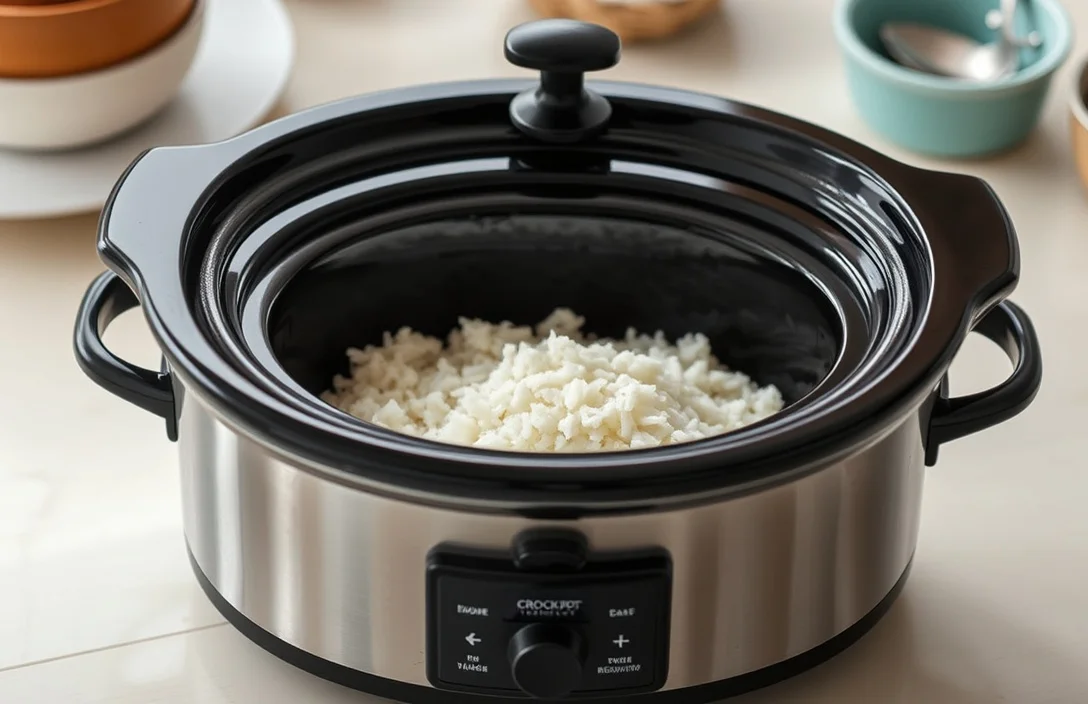
Treat crock pot rice like steaming. For your first attempt, measure rice and water carefully and write down your exact ratio and time so you can repeat success.
Try these tips:
- Pre-rinse if you want less stick. Rinsing removes extra surface starch that can contribute to clumping.
- Use enough water to steam, not flood. If you’re unsure, start slightly lighter on water for white rice.
- Don’t cook too long. If you miss the window, rice can keep getting wetter as it continues absorbing moisture.
- Brown rice needs more patience. Expect longer cooks and more water than you’d use for white rice.
A simple texture
When rice is ready, the grains should be tender and the pot should show little to no standing water. If you still see pools, cook 15 to 30 minutes longer on Low. If it feels wet and sticky, rest with the lid on first before adding anything.
Benefits of Using a Crock Pot for Rice
A crock pot is convenient when you’re cooking other food and don’t want your stovetop tied up. It also scales well for serving a crowd without watching a rolling boil.
A “Warm” setting can help you hold rice for a bit – within reason. Many people use Warm after cooking to keep rice serveable while they finish dinner instead of timing everything perfectly.
It’s also solid for meal prep. Cook a batch, portion it, then reheat with a splash of water to bring it back to a steamed texture.
Options for Using a Crock Pot as a Rice Cooker
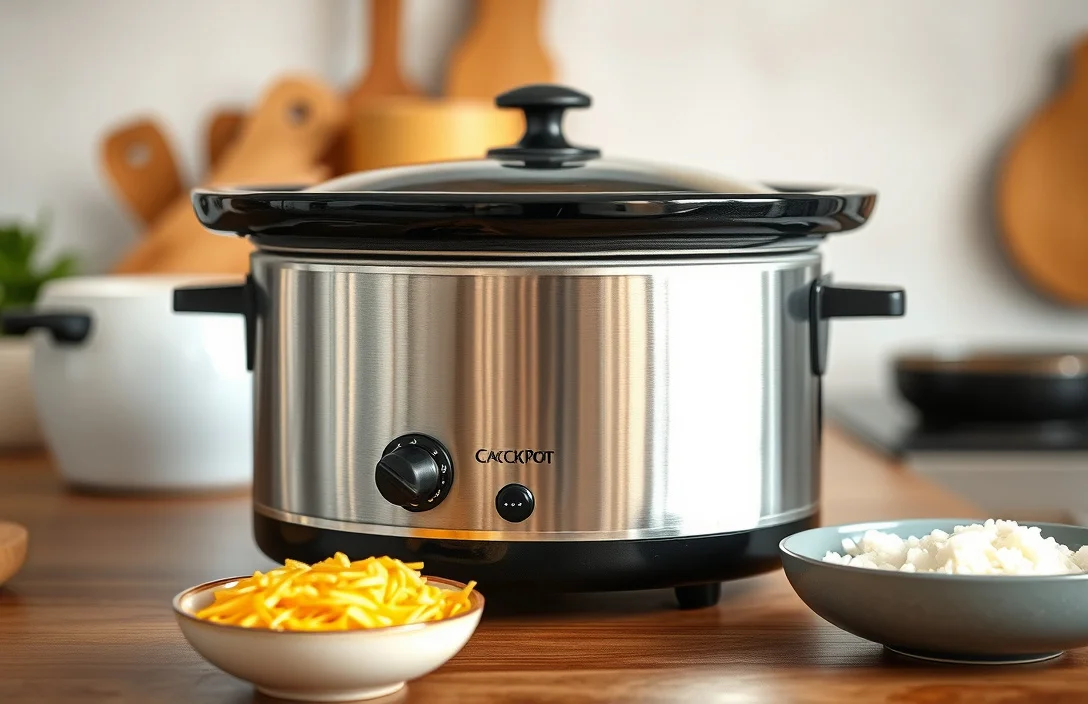
You can do it a few ways depending on your crock pot model and how consistent you want results.
| Method | Best for | What to expect |
|---|---|---|
| Direct cook in the crock pot | Simple setup, large batches | Easy, but texture varies more with water ratio |
| Foil packet or slow-cooker liner bowl | Less mess, more even rice | Sometimes more consistent, but watch water access |
| Cook on Low, then rest + warm | Serving later | Better texture control, less risk of drying out |
| Use a “rice mold” approach | Neater presentation | Fun for events, more steps and cleanup |
Pick based on what bothers you
If you struggle most with guessing water and timing, direct cooking is easiest to refine. Adjust the ratio next time and you’ll dial it in quickly. If cleanup is the pain point, liners or a dedicated insert can make the process feel closer to a true rice cooker.
Practical Guidance for Reliable Crock Pot Rice
Control one variable at a time: the rice-to-water ratio. Most “crock pot rice failures” come from using a stovetop water mindset and then cooking longer in a sealed environment.
Also, don’t assume “High” simply cooks faster. In many crock pots, High can push temperatures beyond what rice needs, and rice can shift from firm to mush faster than you expect.
Here’s a method for reliable rice without babysitting:
- Measure rice and water exactly.
- Cook on Low with the lid on.
- Stop at the first likely finish point, then rest 5 to 10 minutes.
- If it needs more time, add time in short 15 to 30 minute increments.
Safety note people skip
Keep the lid closed during cooking and avoid leaving rinsed raw rice sitting too long before turning the crock pot on. Rice can sit at unsafe temperatures if you leave it out after rinsing and before cooking, especially in warm kitchens.
Examples of Crock Pot Rice Results
For white rice, start close to the stovetop guidance but slightly conservative on water. For example, if your package says 1 cup rice to about 2 cups water, try 1 cup rice to 1.75 to 2 cups water in the crock pot, cook on Low about 2 to 3 hours, then rest 5 to 10 minutes.
Jasmine and basmati rice often do best with a slightly lower water ratio because they’re lighter and can go soft if you overdo moisture. If you like rice that stays firm, reduce water by a few tablespoons per cup of dry rice and keep the rest time.
For brown rice, the crock pot still works, but timing and water need more room. Plan for roughly 3 to 5 hours on Low depending on the brand and how long ago the rice was milled. Check earlier than you think you need to so the grains don’t end up overly wet.
FAQ
1) Can you use a crock pot as a rice cooker without messing up texture?
Yes, if you use the right water ratio and cook on Low with the lid on. Start around 1:1.75 to 1:2 rice-to-water for white rice, cook about 2 to 3 hours on Low, then rest 5 to 10 minutes.
2) How long does crock pot rice take?
White rice typically takes about 2 to 3 hours on Low. Brown rice often takes longer, commonly around 3 to 5 hours on Low, depending on the brand and whether the rice is pre-rinsed or old.
3) Is crock pot rice safe to leave on “Warm”?
Rice can be held on “Warm” for serving, but avoid long delays at room temperature. Turn it on promptly after starting, and if you’re holding rice for a long time, keep it on the warm setting rather than turning it off and letting it sit.
4) What’s the best water ratio for crock pot white rice?
A reliable starting point is about 1:1.75 to 1:2 (rice:water) for most white rice. If it comes out too wet, reduce water slightly next time; if it’s undercooked, add a small amount and extend cook time.
5) What’s the most common mistake when using a crock pot for rice?
Lifting the lid repeatedly or using too much water. That releases steam and keeps adding moisture than the grains can properly absorb, leading to gummy or mushy rice.

- 10 Best Slow Cooker For Slow Cooking Oxtail 2026 (Tested And Reviewed) - October 16, 2026
- 10 Best Slow Cooker For Slow Cooking Venison 2026 (Tested And Reviewed) - October 16, 2026
- 10 Best Slow Cooker For Slow Cooking Turkey 2026 (Tested And Reviewed) - October 16, 2026