Is Hard Anodized Aluminum Cookware Safe?
Hard anodized aluminum cookware is generally safe for food use because it has a thick, hardened aluminum oxide layer that resists corrosion. Safety still depends on whether the coating stays intact – how the pan is made, how you use it, and whether the surface chips or wears through.
Hard anodized aluminum cookware is considered food-safe when the pan has an intact, unchipped hard anodized surface. The hard coating is aluminum oxide, which is far more corrosion-resistant than plain aluminum. If the surface is scratched through to bare metal, replace the pan. Exposed aluminum reacts more easily with acidic foods and can increase the chance of off-tastes or discoloration.
Key Takeaways
- Hard anodizing matters. The safety comes from the thick aluminum oxide coating, not from aluminum alone.
- Surface damage changes risk. Stop using the pan if you see bare metal.
- Acid use is usually fine. Normal cooking with tomatoes, vinegar, or citrus is typically safe when the surface is intact.
- Avoid metal utensils. Use silicone, wood, or nylon to reduce scratches and coating wear.
- Heat still matters. Don’t heat an empty pan on high until smoking; coating life shortens faster that way.
- Rinse and clean promptly. Letting food residues and oils bake on can accelerate wear, especially on any nonstick top layer.
what actually makes it safe
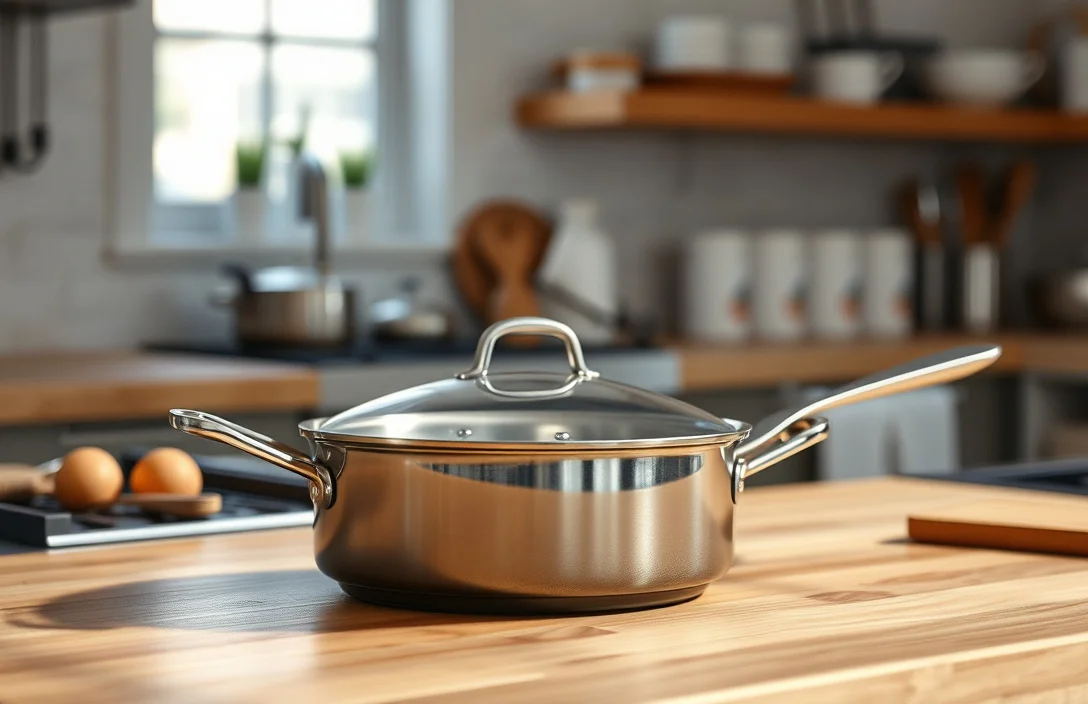
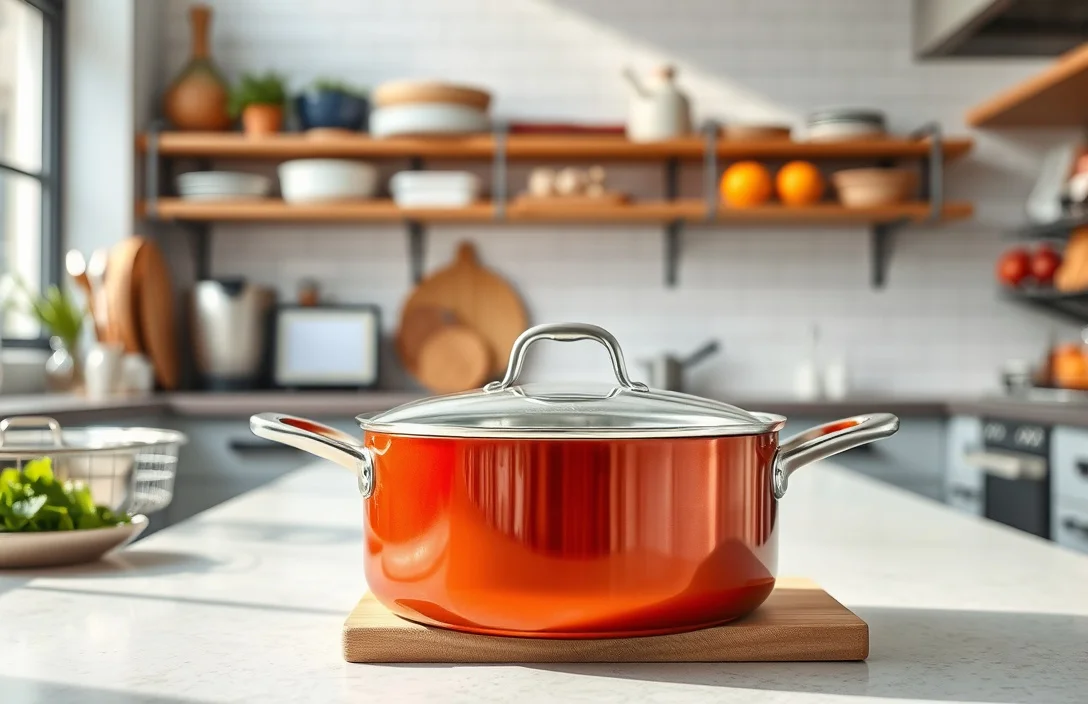
Hard anodized aluminum is safe when you keep a ceramic-like aluminum oxide layer between food and the metal. Aluminum oxide resists corrosion and limits direct contact with aluminum. As long as that coating stays intact, the risk is low in everyday cooking.
The real “gotcha” is wear. Chips, pits, and scuffed-through areas expose underlying aluminum. Once bare aluminum is exposed, the situation changes – aluminum is more reactive than aluminum oxide, especially with acidic foods like tomato sauce, lemon juice, and vinegar.
“Hard anodized” also doesn’t automatically mean “nonstick.” Some hard anodized pans have an extra nonstick coating on top. In that case, safety depends on two layers: the hard anodized body and the condition of any secondary nonstick film.
Labels can be confusing, too. Some pans are fully hard anodized on the cooking surface; others are hard anodized with an added nonstick coating. If your pan has a nonstick film, the nonstick coating’s integrity is often the limiting factor for safety and performance.
The key factors behind safe hard anodized aluminum use
Safe use comes down to the integrity of the coating, your cooking habits, and how you clean the pan. If the surface looks uniform and you don’t see shiny bare metal, you’re usually in the safe zone. If it turns patchy, shows scuffed-through spots, or develops corrosion-like marks, treat the pan as worn out.
Acidic cooking is where people get nervous, but the risk usually tracks surface condition. With an intact hard anodized layer, most everyday acidic recipes are not a problem. With exposed aluminum, acidic foods increase the chance of more aluminum contact and changes like metallic taste or discoloration.
Heat discipline affects coating life. Very high heat – especially with an empty pan – stresses coatings over time. You don’t need to baby the pan, but running it at max temperature until it smokes accelerates coating wear.
Cleaning is the other major decision point. Avoid abrasive pads that can grind away the coating, and avoid soaking for long periods in harsh cleaners. For routine cleaning, mild dish soap, warm water, and a soft sponge are the safest approach for preserving hard anodized aluminum.
Habits that keep hard anodized aluminum safer longer
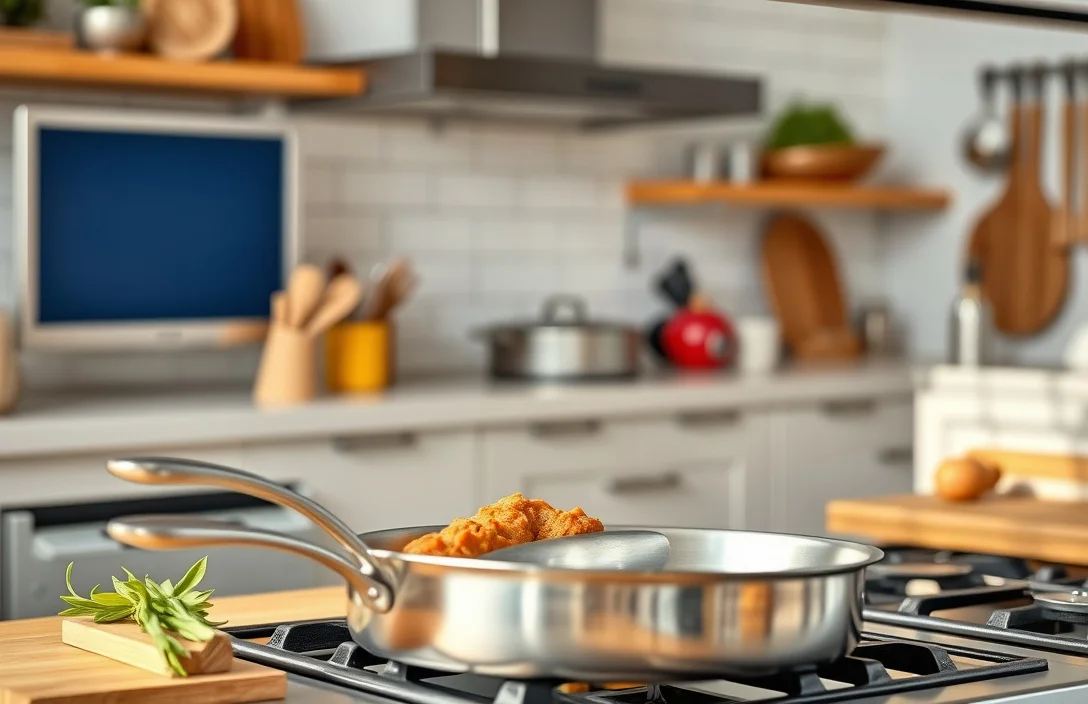
These routines help the coating stay intact and prevent the common “the pan got unsafe” scenario, which is usually “the pan got damaged.”
- Use non-metal tools. Silicone, nylon, or wood reduce scratches that can wear through the hard layer.
- Cook at medium to medium-high. High heat is fine for quick preheats, but avoid long stretches on the highest setting.
- Deglaze gently, don’t scrape aggressively. If food sticks, add a bit of water and let it loosen before scrubbing.
- Don’t use abrasive cleaners. Skip scouring powders and steel wool unless the manufacturer explicitly allows them.
- Inspect the surface. Dull gray wear, pitting, or shiny spots where the coating seems gone are signs to stop cooking in that area and consider replacing the pan.
Hard anodized pans are durable, but they’re not invincible. If you frequently cook acidic sauces and you regularly use metal scrapers, those two habits together speed up coating loss.
When you deal with burnt-on residue, don’t power through with abrasives. Add warm water, simmer for a few minutes, then use a soft sponge. That approach removes stuck food while protecting the hard anodized surface.
Why people choose hard anodized aluminum cookware
Hard anodized aluminum cookware is popular because it offers good cooking performance with strong corrosion resistance. The oxide surface resists pitting and corrosion better than plain aluminum, which helps the pan stay stable and usable over time. That’s why it works for both occasional cooks and frequent users who want consistent results.
It also heats efficiently. Aluminum conducts heat well, so you get more even cooking and fewer hot spots than with slower-heating materials. Many hard anodized pans are thick enough to hold heat for searing and browning.
Cleaning is often easier than cast iron when it comes to seasoning management. You still need to wash it and store it properly, but you usually don’t manage a seasoning layer the same way.
Finally, hard anodized aluminum is lightweight compared with many stainless steel or cast iron options. That makes everyday tasks – lifting, pouring, and handling larger pans – less tiring.
The trade-off is real: hard anodized aluminum isn’t as scratch-proof as people assume. If your routine involves metal utensils, aggressive scrubbing, and frequent high-heat abuse, other cookware types may hold up longer or better preserve any nonstick performance.
Picking the right hard anodized pan for your priorities
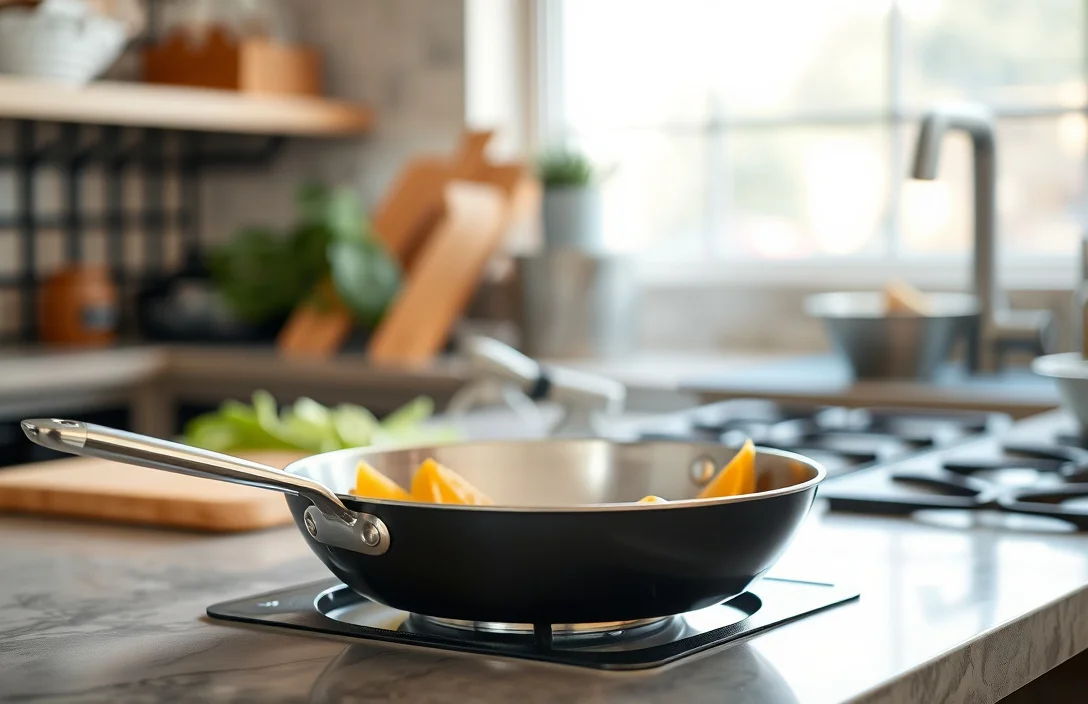
Three choices drive most decisions: surface longevity, stick performance, and how much you want to limit aluminum contact.
- Hard anodized without nonstick. These rely on the hard anodized surface for corrosion resistance. They often behave like a durable cooking surface where seasoning-like layers can build over time. They fit well for searing and frequent deglazing without worrying about a separate nonstick film.
- Hard anodized with a nonstick layer. This targets easy cleanup and low-fat cooking. The nonstick coating is the part most likely to wear, so keeping it scratch-free and avoiding overheating matters most for both performance and safety.
- Shiny bare spots that look like raw metal
- Deep scratches you can feel with your finger
- Pitting, bubbling, or flaking on the cooking surface
- Nonstick peeling if your pan has an added nonstick layer
| Alternatives if you want to minimize aluminum contact. Clad stainless steel or enameled cast iron use different contact surfaces with food. They can be a better match if you’re very sensitive about aluminum contact or you want durability through rougher cleaning. | Cookware option | Key spec/price factor | Best for |
|---|---|---|---|
| Hard anodized aluminum (no nonstick) | Coated aluminum oxide base | High-heat cooking, searing, deglazing | |
| Hard anodized aluminum (nonstick) | Nonstick film lifespan | Eggs, fish, low-oil everyday cooking | |
| Clad stainless steel | Bonded layers, usually thicker | Acidic sauces and rougher utensil habits | |
| Enameled cast iron | Vitreous enamel surface | Long simmering, abrasion resistance, even browning |
If sticking is your main problem, hard anodized with a nonstick layer can be a great tool – as long as you keep the coating intact. If durability is your priority, hard anodized without nonstick often fits better.
When to stop using hard anodized aluminum
Hard anodized cookware works like a coating system. The oxide layer is the protection, and once the surface fails, the whole point of “hard anodized” weakens.
Watch for these warning signs:
If you see any of those, replace the pan. A worn pan isn’t guaranteed to become dangerous overnight, but it loses the protective barrier you bought the cookware for.
Also, avoid abusive heat cycles. An empty pan screaming hot for minutes will wear coatings faster than a preheated pan used soon after food goes in. When in doubt, use a lower setting and give food time to make contact with the surface.
Clean the pan in a way that preserves the coating. Mild soap, soft sponges, and prompt cleaning help. If you need to remove stuck food, soak or simmer water first, then scrub lightly.
Real-world cooking situations that change the risk
Tomato sauce pasta simmering for 20 to 30 minutes is exactly the kind of cooking hard anodized aluminum is built to handle – as long as the pan’s surface is in good shape. If the pan is heavily scratched and you can see exposed aluminum, you may notice faster discoloration and a more metallic taste, and it’s time to retire the pan.
Breakfast eggs are where nonstick pans get tested. Hard anodized nonstick pans are popular for eggs because they release easily. If you use a metal spatula and the pan develops gouges, those marks can expose the coating underneath. Eggs will start sticking more, which pushes you toward harsher scrubbing and speeds up coating wear. Switching to silicone tools and gentle cleaning helps the nonstick layer last longer.
A lot of coating damage comes from cleaning habits, not cooking. Using steel wool to remove burnt-on residue can make the cooking surface look mottled and uneven over time. At that point, it usually isn’t worth trying to “restore” the pan – the real goal is protecting the barrier layer, not patching over its loss.
High-heat searing habits also shorten coating life. Hard anodized aluminum can sear well, but if you routinely max the burner, leave the pan empty to preheat too long, and blast it repeatedly, you accelerate wear. Medium to medium-high settings usually deliver the browning you want without beating up the surface.
FAQ
Is hard anodized aluminum cookware safe for everyday cooking?
Hard anodized aluminum cookware is generally safe for everyday cooking when the hard anodized surface is intact. The advantage comes from the aluminum oxide layer, which resists corrosion and reduces direct contact between food and aluminum metal. If you see bare aluminum, deep scratches, pitting, or flaking, stop using that pan because the protective layer may be compromised.
Does cooking acidic foods (tomatoes, vinegar) make hard anodized aluminum unsafe?
Cooking acidic foods is usually fine when the pan’s hard anodized surface is unbroken and uniform. Acid becomes a bigger concern when the protective coating is worn through to raw aluminum. If the pan shows shiny exposed metal or severe coating damage, acidic recipes can increase the chance of metal contact and off-tastes.
How can I tell if my hard anodized pan is wearing out?
Look for visible coating failure such as shiny bare patches, pitting, flaking, or deep scratches you can feel with your fingertip. For nonstick hard anodized pans, peeling or bubbling of the nonstick layer is also a stop-using sign. When you spot these issues, replacing the pan is safer than trying to “fix” the surface.
What’s the safest way to clean hard anodized aluminum cookware?
Wash with mild dish soap and warm water using a soft sponge. If food is stuck, add water and simmer or soak before scrubbing gently. Avoid abrasive pads, scouring powders, and steel wool, since they can grind down the hard anodized layer and expose the underlying metal.
Are there safer alternatives to hard anodized aluminum cookware?
Yes. If you want a different contact surface, consider clad stainless steel (often more tolerant of metal utensils and tough cleaning) or enameled cast iron (a glassy enamel barrier). These options can reduce reliance on a coating layer staying perfect, though they come with their own heating differences and maintenance needs.

- 10 Best Slow Cooker For Mess Free Cooking 2026 (Tested And Reviewed) - October 24, 2026
- 10 Best Slow Cooker With Leak Resistant Lid 2026 (Tested And Reviewed) - October 24, 2026
- 10 Best Slow Cooker With Spill Proof Design 2026 (Tested And Reviewed) - October 24, 2026