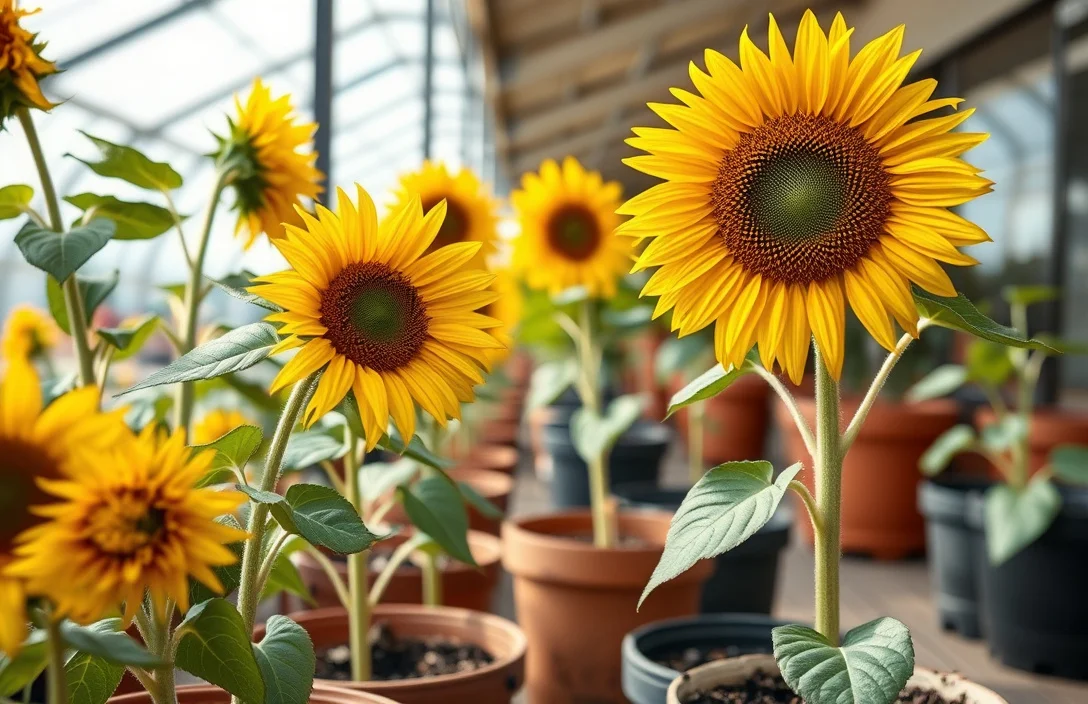
Can You Plant Sunflowers In Pots?
Sunflowers grow fast and tall, so the real question is whether a pot can hold enough space, soil volume, and light to keep them strong. You can grow sunflowers in containers in the US, but success depends on choosing the right variety and giving them enough room. This guide answers the “can you plant sunflowers in pots?” question, then lays out the choices that decide whether you get sturdy stems and real blooms instead of a leggy plant.
Sunflowers can be grown in pots, but you need a container with real depth and a lot of light. For most potted sunflowers, use at least a 10-12 inch (25-30 cm) pot diameter for dwarf types and plan on 6-8 hours of direct sun daily. Water consistently, and feed lightly once the plant starts actively growing.
- Yes, container growth works. Sunflowers do grow in pots if the variety stays compact and the pot has enough volume.
- Choose the right pot size. Small dwarf types do best in 10-12 inch pots, and larger types need bigger containers.
- Give them strong sun. Aim for 6-8 hours of direct light daily to avoid stretching.
- Use a fast-draining mix. Regular potting mix is fine, but poor drainage stresses roots and can lead to yellow leaves.
- Water on a schedule. Keep soil evenly moist, then let the top inch dry slightly between deep waterings.
- Support taller plants. Even container sunflowers may need a stake once they start flowering.
Can You Plant Sunflowers in Pots in the US?
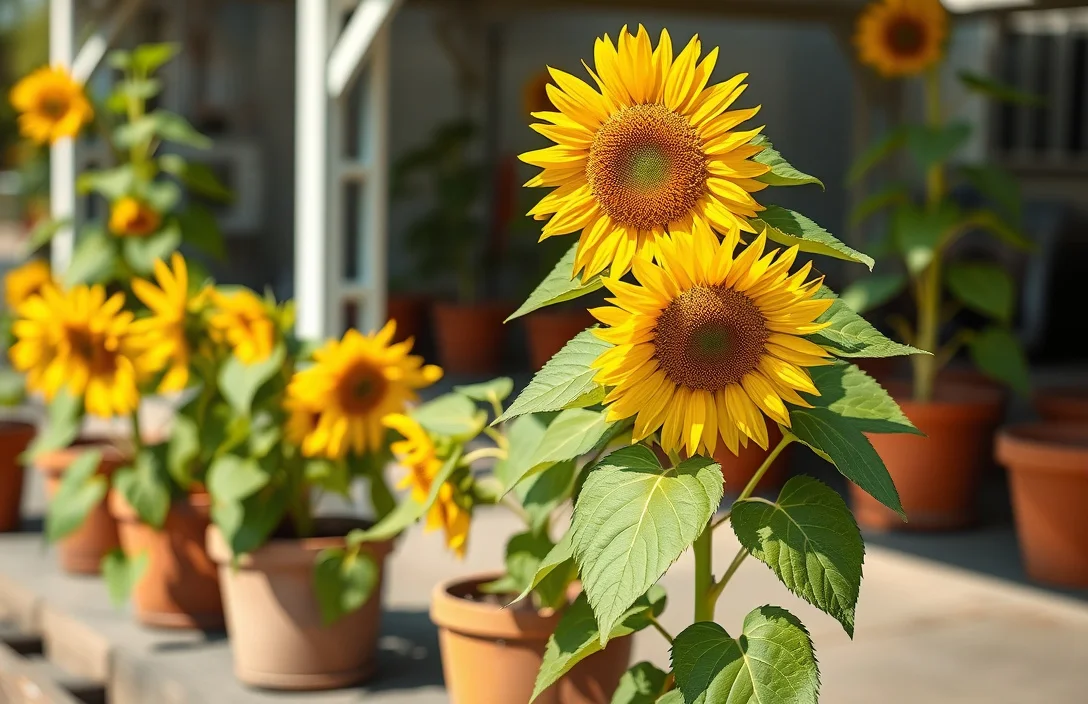
Yes, you can plant sunflowers in pots – you’re just going against their natural instinct to grow tall and spread roots widely. Container growing works best when you treat sunflowers like a high-light crop that needs room to build a sturdy stem and healthy root system. Choose a towering variety in a small pot, and you’ll often get thin stems, fewer blooms, or a plant that tips over once the head gets heavy.
The biggest “gotcha” is moisture. Potting soil dries faster than garden beds, and sunflowers do not like bouncing between drought and saturation. If your container drains poorly, roots stay wet too long, which can cause yellowing leaves and slow growth. If the pot dries out completely, the plant can stall right when it would normally set buds.
Key Pot and Variety Choices for Sunflowers in Containers
Start with mature size, because container suitability depends mostly on height at full growth. Dwarf and branching sunflower types are the easiest wins for pots, while giant “single-stem” types typically want outdoor space. If you want flowers you can enjoy up close, pick a shorter sunflower that stays compact.
Then lock in light and watering, since those shape growth and bloom timing. In containers, sunflowers stretch when they get less than about 6 hours of sun, especially in summer shade or near buildings. For watering, do deep, thorough soaks, then let the top portion of the soil dry slightly so roots can breathe.
Practical Tips for Growing Sunflowers in Pots
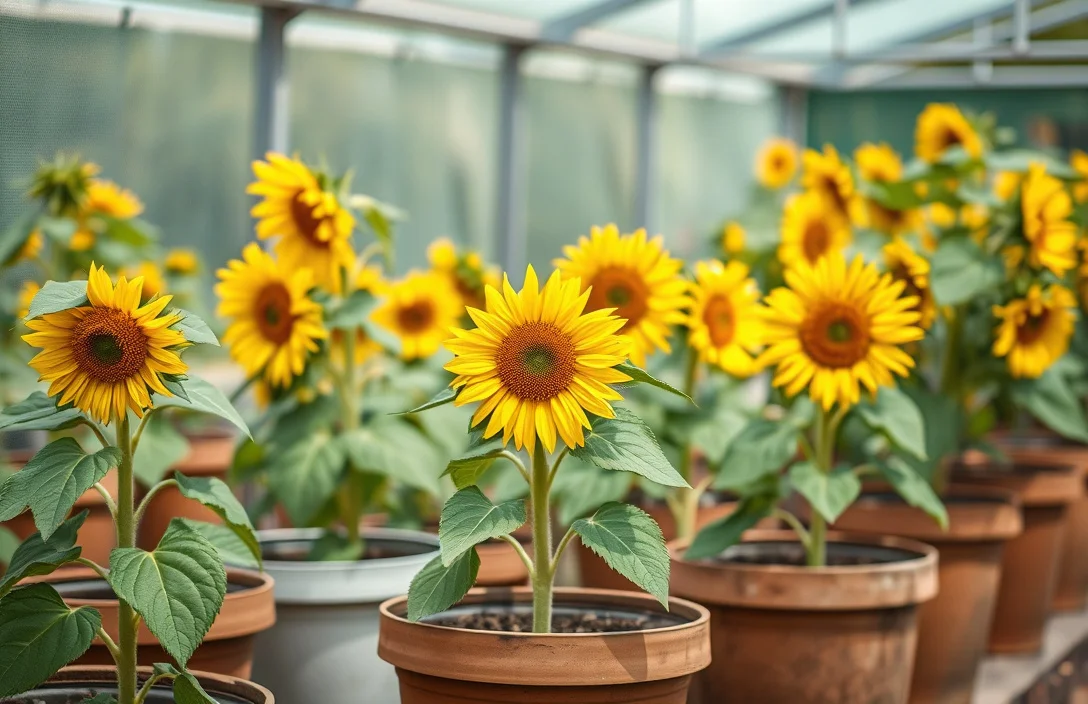
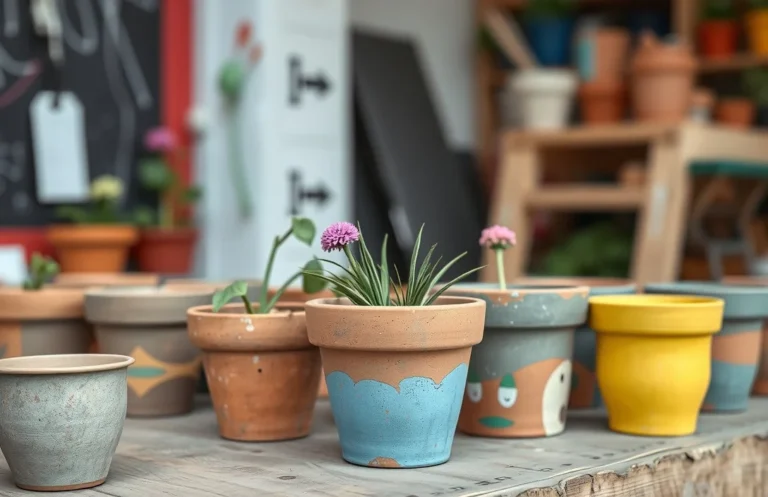
Pick a pot that drains well and holds enough soil for the variety you’re growing. For dwarf sunflowers, start with a 10-12 inch (25-30 cm) diameter pot, and size up for larger compact varieties. Confirm there are drainage holes and skip decorative cachepots that trap water.
Use a fast-draining potting mix and keep it consistent. A quality all-purpose potting mix works, and you can add perlite if your mix stays heavy after watering. Plant seeds 1-2 inches deep, water in, and keep the surface evenly moist until seedlings emerge.
Support matters early. If the plant is likely to get tall, add a stake at planting time so you don’t damage roots later. This also helps prevent tipping when the flower head gains weight. If wind is a problem on a porch or balcony, rotate the pot every few days so the stem doesn’t lean hard in one direction.
Feeding should stay simple. Mix in a balanced slow-release fertilizer when you pot up (or use a mild liquid feed), then avoid heavy nitrogen after flowering starts. Too much leaf growth can delay blooms. If leaves turn overly dark and lush with fewer buds, ease off fertilizer and return to steady light.
Why Grow Sunflowers in Pots? Real Benefits
Potted sunflowers give you control, which is the main advantage over planting directly in the ground. You can move the pot to chase sun, protect seedlings from harsh weather, and keep pests from reaching the whole bed. That control is useful on patios, driveways, and small yards where you can’t dedicate a section to a tall crop.
Container growing also gives fast feedback. If your sunflower is stretching, you can increase sun exposure quickly. If the soil stays wet, you can adjust drainage or change the mix without reworking an entire garden area.
Compact container sunflowers also let you enjoy pollinator-friendly blooms without taking over your space. Even smaller varieties attract beneficial insects when they flower, and you can deadhead or manage blooms more easily.
Container Options: Pick the Best Sunflower Type
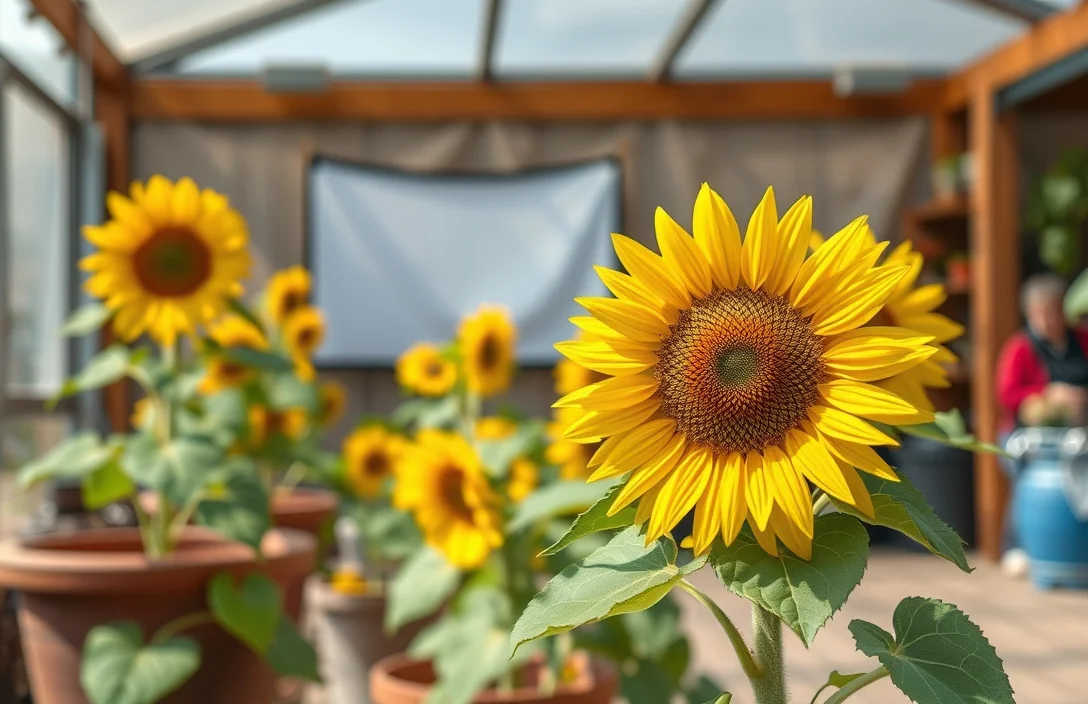
You have three practical paths, depending on what you want most: the most flowers, the least hassle, or bigger heads.
1) Dwarf or “small bouquet” varieties. These stay shorter and are the most forgiving in pots, usually producing visible blooms without extreme container size.
2) Branching sunflower types. These can get taller but make multiple heads, creating a fuller look in a container garden.
3) Bigger compact varieties (with bigger pots). This is the “if you want height, commit to volume” option. You’ll need to upsize the container and plan for staking.
Use this sizing cheat-sheet to match pot size to sunflower behavior:
| Sunflower type (maturity) | Pot size to target | Best for |
|---|---|---|
| Dwarf (short, compact) | 10-12 in (25-30 cm) diameter | Balconies, porches, small patios |
| Compact branching | ~12-16 in (30-40 cm) diameter | Fuller look with multiple blooms |
| Taller compact | ~16+ in (40+ cm) diameter | Taller flowers, but more staking and watering |
If space is tight, dwarf or branching types are usually the better choice. Want the tallest possible sunflower in a pot? Expect more frequent watering, more staking, and a location with uninterrupted sun.
What works in practice
Treat sunflowers in pots like a high-demand plant, not a set-and-forget annual. With enough light and consistent watering, they usually grow strong stems and predictable bloom heads. Get those two wrong, and the rest becomes harder too, including pest pressure and bud development.
Plant timing matters in the US. In most regions, sow after the risk of frost is past and the soil warms, or start indoors only when you can transplant without disturbing roots too much. For a longer bloom window, stagger sowings by 1-2 weeks instead of planting everything at once.
Don’t overcrowd one pot unless the variety stays truly small. Crowding forces competition for light, which can mean thin stems and weak head formation. If you sow multiple seeds, thin to the strongest seedling once it has a couple sets of leaves.
Watch for two common container problems: uneven moisture and leaning. If leaves droop mid-day and recover at night, you’re likely underwatering between deep waterings. If the stem keeps leaning toward one side, rotate the pot every few days or add gentle support so it grows straighter.
Examples of Sunflowers in Pots (What Works)
A person growing dwarf sunflowers on a sunny apartment balcony can succeed with a 10-12 inch pot, placing it where it gets at least 6 hours of direct sun, and watering deeply when the top inch of soil starts to dry. A small stake usually helps once buds form because even compact plants can bend when the flower head gets heavy. With that setup, the plant stays manageable and produces clear blooms.
A family with a shaded front porch can still grow sunflowers in pots by moving the container midday to chase light, or by choosing a spot with full morning sun plus some afternoon sun. If the porch only gets 3-4 hours of light, the plant can stretch and stay thin even with fertilizer. The fix is more daily direct sun, not more fertilizer.
Someone trying to grow a taller “showy” sunflower variety in a pot should plan to upsize to a larger container (often 16 inches or more in diameter) and water more frequently. Stronger support may also be needed than a simple toothpick stake, especially in windy weather. If the pot stays small, blooms can come late or the heads can be smaller because root space and moisture capacity are limited.
FAQ
Can you plant sunflowers in pots indoors?
You can start sunflower seeds indoors, but they still need strong light to avoid stretching. Without grow lights, indoor sun levels are usually too low, even near a bright window. If you can provide 6-8 hours of strong light (often with supplemental grow lights), you can finish the grow in a pot outdoors or indoors under lights.
What size pot do I need for a sunflower?
Pot size depends on the variety height. Dwarf sunflowers often do well in 10-12 inch (25-30 cm) diameter pots, while taller compact types generally need larger containers like 16+ inches (40+ cm). Always prioritize drainage holes and enough soil volume to reduce drying swings.
How often should you water potted sunflowers?
Water deeply when the top inch of soil feels dry to the touch. In warm US weather, this may be every couple of days, but the exact schedule depends on pot size, heat, and wind exposure. Avoid keeping the soil constantly soggy, because wet roots can lead to yellowing and stunted growth.
Are potted sunflowers safe for pets?
Sunflowers are generally considered low-to-moderate risk, but pets may still chew leaves or seeds, which can cause mild stomach upset. Keep pots where dogs and cats cannot access seedlings or foliage easily. If your pet has a sensitive stomach, fence off the plant until it’s established.
What’s the most common mistake when growing sunflowers in pots?
The most common mistake is using too-small pots or not enough sun, which causes leggy stems and fewer blooms. Even a healthy sunflower struggles if it doesn’t get around 6-8 hours of direct sun or if the soil dries out completely between waterings. Choosing a dwarf or branching variety is the easiest way to avoid this problem.

- 10 Best Slow Cooker For Slow Cooking Legumes 2026 (Tested And Reviewed) - October 17, 2026
- 10 Best Slow Cooker For Slow Cooking Oxtail 2026 (Tested And Reviewed) - October 16, 2026
- 10 Best Slow Cooker For Slow Cooking Venison 2026 (Tested And Reviewed) - October 16, 2026