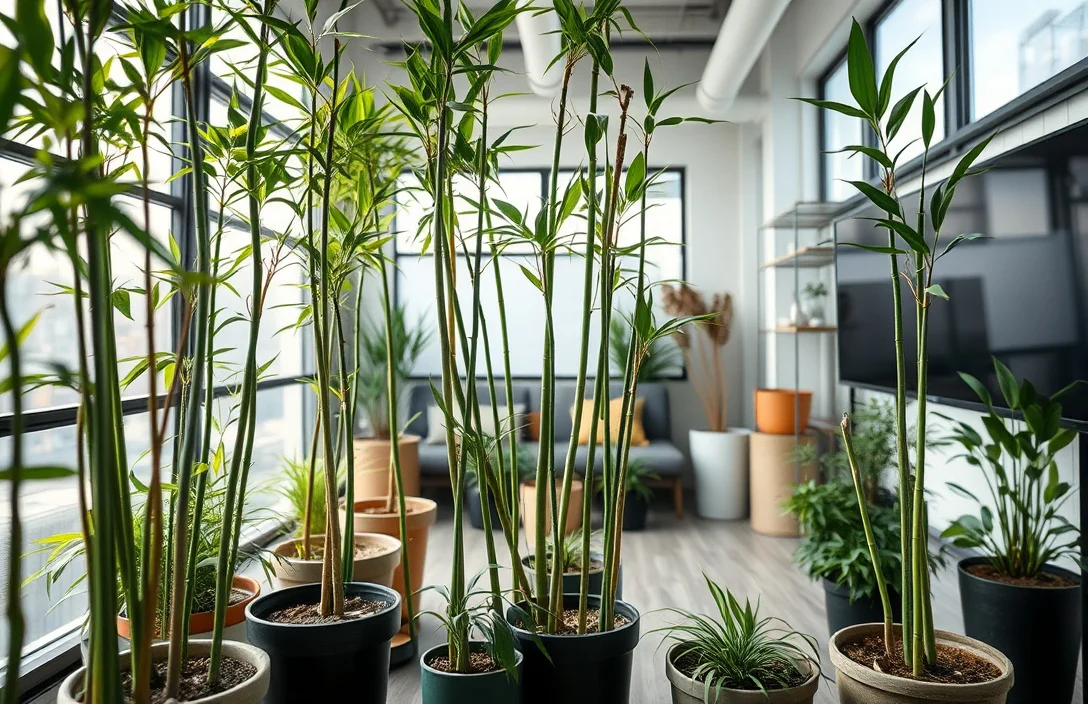
Growing Bamboo In Pots Indoors: Clumping Bamboo Bright Light
Indoor bamboo in pots can work, but it is picky. Most “bamboo” sold for houseplants is actually running bamboo or a lucky-bamboo lookalike, and they need very different care. This guide focuses on the version people usually mean when they say “grow bamboo indoors in a pot”: hardy clumping bamboos kept in a container where you control soil, light, water, and temperature.
Bamboo in pots indoors is easiest when you use true clumping bamboo, give bright light (often near a window with supplemental light), and keep the pot’s drainage excellent. Expect moderate growth at home, and plan to repot every few years or prune roots to fit the pot. If your bamboo starts yellowing, the cause is usually watering imbalance or insufficient light.
Key Takeaways
- Choose clumping type. Look for “clumping bamboo,” because running types can escape confinement.
- Use big drainage-first pots. Every pot needs drainage holes and fast-draining soil to prevent root rot.
- Aim for bright light. Indoor bamboo usually needs several hours of bright light, and many setups require a grow light.
- Water by soil, not calendar. Water when the top inch is dry, then drain fully.
- Control temperature swings. Keep it away from hot vents and cold drafts, ideally staying in typical indoor ranges.
- Plan repotting and root care. Confined bamboo needs periodic root pruning and fresh soil to stay healthy.
What to Know About growing bamboo in pots indoors
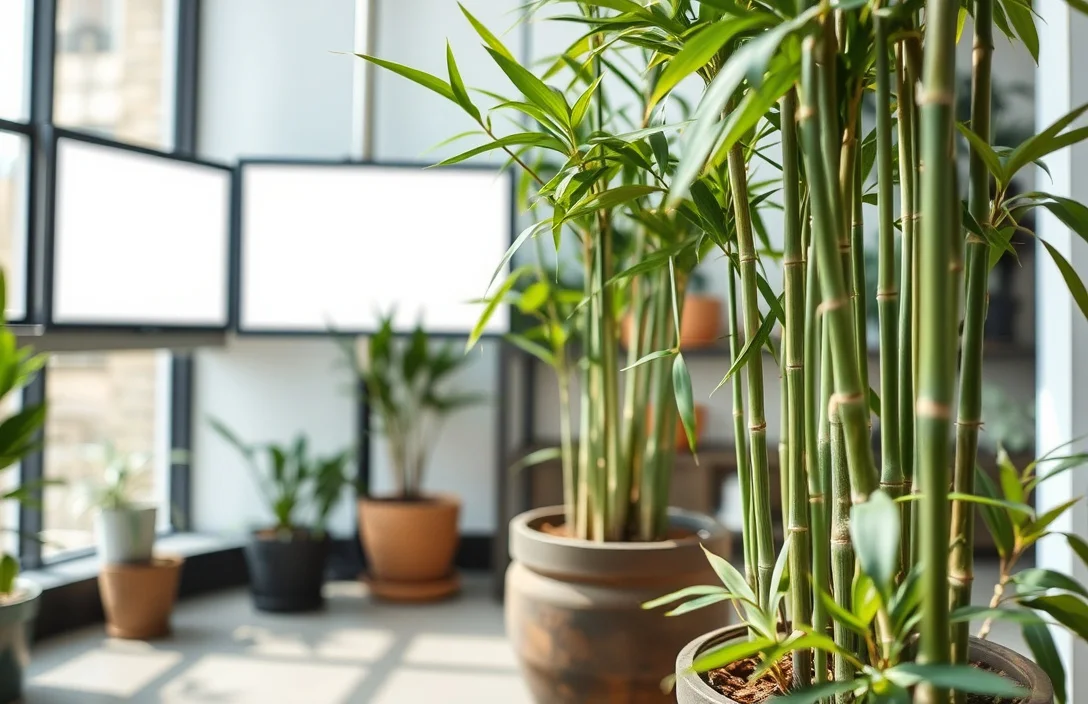
“Bamboo” is one word that covers very different plants, and indoors you’ll only succeed if you pick the right one. Most people buy “lucky bamboo” sticks, but those are grown differently (often in water or pebbles) and are not the same as true outdoor bamboos that form canes and culms.
If you want a true bamboo plant that looks like bamboo and can live in a pot indoors long-term, clumping bamboo is your best bet. Clumping bamboos expand outward in tight clusters, so the pot stays a real container. Running bamboos spread through rhizomes and can escape containment even outdoors, so indoors is where problems show up fast.
Indoor conditions also limit bamboo in two big ways: light and water chemistry. Bamboo evolved outdoors with strong sun, steady airflow, and seasonal rhythms. Indoors, low light slows growth, and slower drying plus occasional overwatering is the most common path to yellow leaves and weak roots.
Before you change anything, confirm which “bamboo” you actually have. If it’s a rooted plant with canes and leaves (not just stalks), treat it like a potted grass. If it’s just stalks, you’ll need a different routine, and “real bamboo” plants typically won’t last as long indoors.
Things that matter most
Container choice, light, drainage, and watering habits determine whether indoor bamboo thrives or struggles. Nail those first, and the rest becomes trimming and occasional repotting.
- Soil must drain fast. Bamboo roots still need moisture, but they hate staying soggy.
- Light intensity drives vigor. Growth slows in winter even when care is correct.
- Pot size controls how big it can get. Smaller pots keep it manageable but force more frequent watering.
- Root health sets leaf color. Yellowing usually points to overwatering, poor drainage, or not enough light.
A practical indoor setup usually uses a medium-to-large pot with drainage holes in the brightest location you have. If your living space is dim, add a grow light. Bamboo can endure lower light for a while, but it will stretch, thin out, and shed leaves, especially if watering isn’t dialed in.
Don’t assume bamboo behaves like typical houseplants. It’s a grass: it responds well to consistent moisture and active growth conditions, but it also signals stress through leaf color changes. Yellowing is a clue, not “normal bamboo shedding.”
Tips for growing bamboo in pots indoors
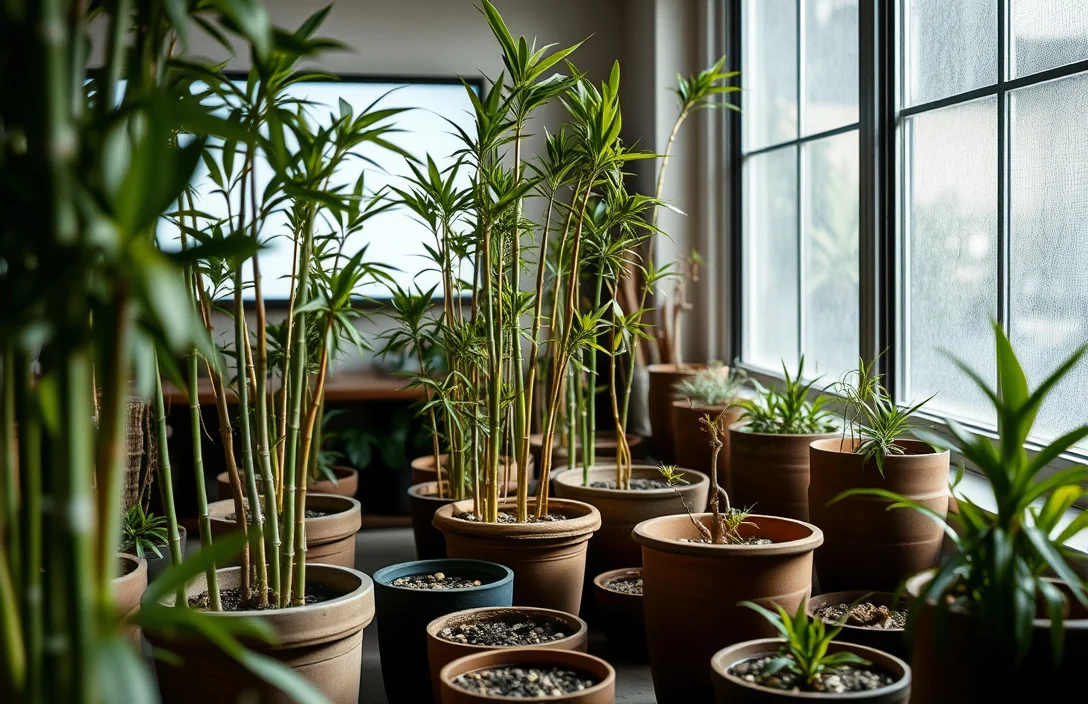
Small routine changes prevent most indoor bamboo problems. Start with the basics and keep them consistent.
Pick the right pot and soil combo. Drainage holes are non-negotiable, and a saucer that you empty after watering makes it easier to avoid standing water. Skip heavy potting mixes that stay wet for days. A fast-draining mix with aeration (like perlite or coarse amendments) makes the difference between healthy roots and mushy root conditions.
Water with a simple rule: check the soil before you pour. Stick your finger into the mix about 1 inch deep. If it feels dry there, water thoroughly until it drains from the bottom. If it’s still damp, wait. This prevents the overwatering pattern that shows up when people water on a schedule indoors.
Manage light like it matters, because it does. Place bamboo near a bright window, ideally where it gets multiple hours of strong light. If your window is shaded by trees, faces north only, or your home stays dark, a small grow light for part of the day helps stabilize growth and reduce leaf loss.
Keep airflow steady and avoid temperature shocks. Bamboo often struggles near heat vents, radiators, or cold window glass in winter. Stress can look like curling, yellowing, or slower new growth. A stable spot with moderate indoor temperatures and gentle airflow is the easiest setup.
Don’t over-fertilize. When light is limited, bamboo can’t use much fertilizer. Use a mild balanced fertilizer during active growth and back off when growth slows. If you’re unsure, reduce feeding in winter and resume when you see new leaf growth.
Plan for root management. In a pot, bamboo eventually fills the container. When it becomes rootbound, water retention changes and leaf quality can drop. Repotting or root pruning every few years keeps it vigorous and controllable.
Benefits of growing bamboo in pots indoors
Indoor potted bamboo works well when you want an architectural look without turning your home into a jungle. In the right spot, bamboo adds height, texture, and a calm green feel.
Clumping bamboo stays contained when you choose the right type and pot size. With the right setup, you can keep it compact enough for apartment life while still getting that bamboo look. Running types don’t fit indoor containers as well, because their rhizomes can create containment problems.
Bamboo also has one helpful trait: it’s a grass, and many varieties respond quickly when you fix light and watering. You don’t just get “survival” – you often get new growth. If you bought the wrong type or the plant is already rotting, it won’t bounce back immediately.
Another practical benefit is that bamboo forces a good plant-care rhythm. You end up checking soil moisture, providing brighter light, and keeping drainage reliable. Those habits translate to better results with a lot of other container plants too.
Seasonal placement can also help. Many people move potted bamboo to a brighter spot during summer, then reduce light support in winter. If you adjust gradually, the plant handles the change with less stress.

Helpful pick
Lissomballon Natural Bamboo Plant Stand Indoor, Adjustable Plant Shelf Indoor Fits 8-12 Inch Pots, Mid Century Modern Decor to Refresh Your Space(Pot & Plant Not Included)
Supports a tidy, architectural indoor display by elevating bamboo pots and containing growth with a sleek bamboo stand.
Options for growing bamboo in pots indoors
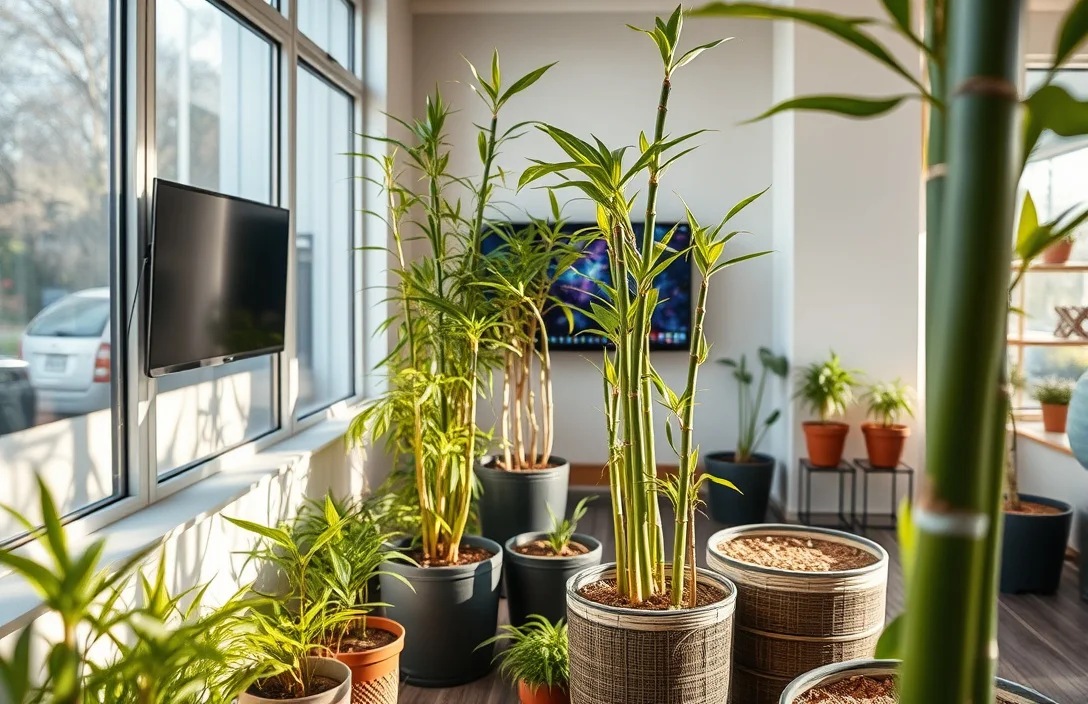
You have three realistic options, and choosing the right one prevents most frustration.
- True clumping bamboo in soil. This is the best choice if you want real bamboo canes and leaves. Buy a clumping variety intended for container culture when possible, then treat it like a potted grass: fast drainage, bright light, and water when the top layer dries.
- Lucky bamboo in water (different plant needs). If your purchase came as stalks in stones or water, it’s usually lucky bamboo. It’s commonly grown in water with minimal soil and a routine that isn’t the same as rooted clumping bamboo. It can look good indoors, but it’s not the same care challenge as “bamboo in a pot.”
- Outdoor bamboo grown indoors temporarily. Some people grow bamboo outdoors and bring it inside when cold weather hits. In that case, indoor care is about transition management: consistent light and less watering compared to peak outdoor conditions.
Inside the “true clumping bamboo in soil” option, container size and growth control matter. A larger pot holds moisture longer and buffers mistakes. A smaller pot is easier to move but dries out faster. If you’re new to indoor bamboo, choose a pot large enough to stabilize moisture levels.
Height is still possible even indoors. Pruning and root restriction help, but bamboo can still grow fast in the right conditions. If your ceiling is low or you don’t want a tall plant, choose a smaller variety and commit to ongoing maintenance.

Helpful pick
Rnined Adjustable Plant Stand Indoor,Bamboo Mid Century Modern Plants Stands, Stable Plant Holder,Fit 8 9 10 11 12 inch Pots (Pot & Plant Not Included)
Sturdy bamboo stand helps display a potted bamboo indoors while protecting floors and improving stability.
Expert Advice on growing bamboo in pots indoors
Treat indoor bamboo like a high-light grass, not like a typical leafy houseplant. That shift fixes many problems immediately.
- Get the plant type right first. Confirm it’s clumping bamboo before you commit to long-term indoor pot culture. Running types bring extra risk in confinement and root behavior.
- Prioritize light before fertilizer. Fertilizing usually worsens yellowing and weak growth when light is low. Use bright light first, then small doses.
- Never let the pot sit in water. Drain fully after watering, then empty the saucer. Oxygen-poor roots lead to leaf decline.
- Use a moisture-check habit. Finger test the top inch. Indoor bamboo care is mainly “when to water,” not “how to water.”
- Expect winter slowdown. Lower light and cooler rooms reduce growth. During that time, water less and let the plant conserve energy.
- Plan for periodic repotting. Root crowding changes everything in a container: nutrient access, water retention, and how fast the pot dries.
Leaf loss can happen even when you do everything “right.” Indoor light is usually weaker than outdoor sun, and bamboo may drop older leaves while pushing new growth when conditions improve. If the plant looks stable (new shoots or fresh leaf tips) and the soil stays healthy, the loss can be normal adaptation.
If you see persistent yellowing plus a sour smell from the soil, focus on drainage and watering first. Adjust watering frequency based on how fast the mix dries, then check whether the potting mix is staying too dense. Bamboo roots need oxygen, and oxygen disappears when soil stays wet too long indoors.

Helpful pick
Plant Stand Indoor – Corner, Table and Floor Planter Holder – Adjustable, Durable Bamboo Wood – Fits 8, 10, 12-inch Dia Small, Mid-Large, Tall or Short Pot Sizes
Accommodates a range of pot sizes, keeping indoor bamboo secure as you follow the high-light grass guidance.
Examples: growing bamboo in pots indoors
Example 1: A bright-window living room setup. A homeowner keeps clumping bamboo in a medium pot with drainage holes near a south- or west-facing window. They water only after the top inch of soil dries, then empty the saucer after drainage. Over a few weeks, new leaf growth appears, and older leaves may yellow briefly, but the plant greens up as light stabilizes.
This works because the plant gets more usable light during the day, so watering doesn’t leave roots oxygen-starved for long. On a fixed watering schedule, the mix would likely stay wet too long, especially in winter, and leaf decline would continue.
Example 2: A low-light apartment with a grow light. Someone places bamboo in a corner with mostly indirect light and watches it thin and drop leaves. After switching to a small grow light for part of the day and adjusting watering based on the finger test, the shedding slows and the bamboo begins making thicker new shoots.
This example shows why “some light” isn’t the same as “bright light” for bamboo. The light doesn’t need to be complicated, but it does need consistency. Once the plant has enough light, it can use water and nutrients instead of sitting in stress conditions.
Example 3: A plant that came from a nursery pot. A bamboo purchased in a small nursery container gets moved into a larger pot with a fast-draining mix. The owner waters slightly less at first because the new mix drains differently and holds moisture longer. The bamboo looks better because the roots have room, the soil dries predictably, and the plant forms a stronger root system.
If repotting is part of your plan, do it when growth is active so the plant can recover. Avoid leaving it in a temporary decorative pot without drainage, because that turns a simple repot into a root-rot risk.
FAQ
Can bamboo grow indoors in the United States year-round?
Yes, bamboo can grow indoors year-round in many U.S. homes, but results depend on light and container care. Growth slows in winter because indoor light levels drop. If your space is dim, a grow light and a drainage-first pot usually make the difference between steady green growth and repeated leaf loss.
What size pot should I use for bamboo indoors?
Use the largest pot you can comfortably fit because it stabilizes moisture and reduces stress. Bamboo in too-small containers can dry out quickly or, if the mix is dense, stay wet too long. Pick a pot that drains freely and gives roots room to breathe, then adjust watering based on soil dryness.
How often should I water bamboo in a pot indoors?
Water bamboo when the top inch of potting mix is dry. That usually means less frequent watering than people expect, especially in winter. Water thoroughly until excess drains out, then empty the saucer so roots don’t sit in water overnight.
What causes yellow leaves on potted indoor bamboo?
Yellow leaves typically come from overwatering, poor drainage, or insufficient light. Cold drafts and hot air vents can also stress bamboo and trigger leaf decline. If the soil stays damp for days or smells sour, fix drainage and reduce watering frequency first, then improve light exposure.
Is lucky bamboo (in water) the same as growing bamboo in a pot?
Lucky bamboo is usually a different plant category and is commonly kept in water or pebbles rather than treated like clumping bamboo in soil. If you want true bamboo canes and long-term pot growth, look specifically for clumping bamboo intended for container culture. Water-grown stalks can look great, but their care needs and growth patterns differ from soil-grown bamboo.

- 10 Best Slow Cooker For Slow Cooking Oxtail 2026 (Tested And Reviewed) - October 16, 2026
- 10 Best Slow Cooker For Slow Cooking Venison 2026 (Tested And Reviewed) - October 16, 2026
- 10 Best Slow Cooker For Slow Cooking Turkey 2026 (Tested And Reviewed) - October 16, 2026