Can I Use A Pressure Cooker As A Pressure Canner?
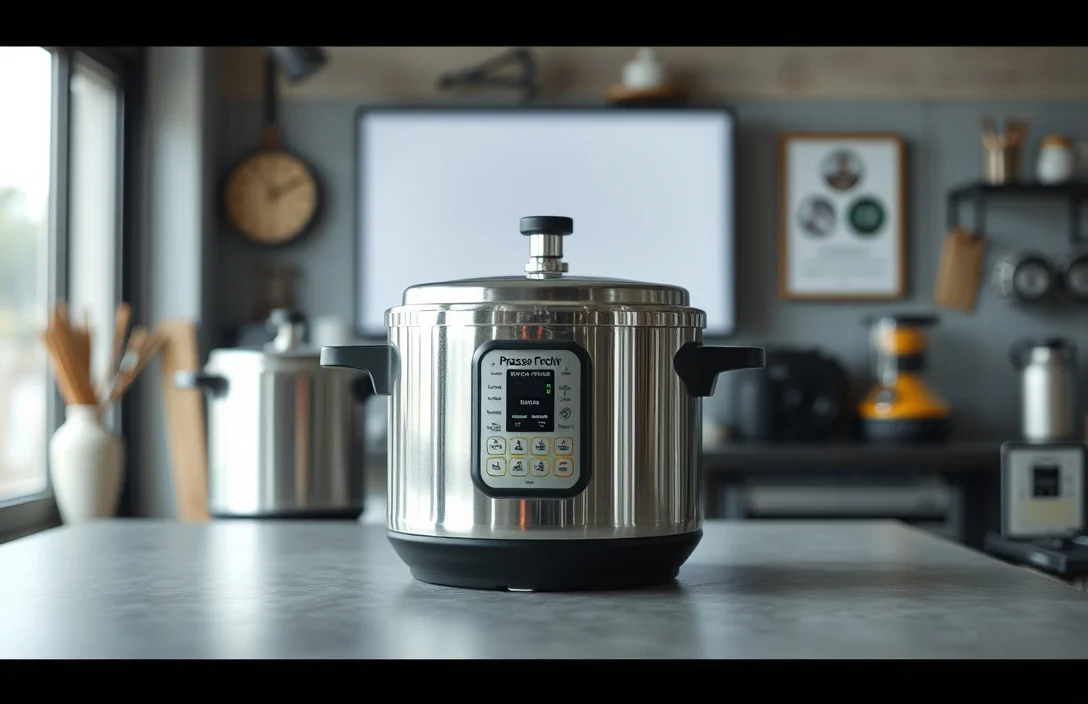
Pressure canning is the difference between safe shelf-stable jars and a botched batch. A stovetop or electric pressure cooker can reach “pressure,” but pressure canning is about hitting the right temperature for specific foods and processing times. If you are wondering whether you can use a pressure cooker as a pressure canner, the practical answer is: you usually should not. This guide covers when it might work, why it often does not, and what to do instead.
Pressure canning requires a canner designed to reach and hold processing pressure and temperature, plus correct venting, headspace, jar packing, and timing. Most countertop pressure cookers are not verified for pressure canning. A pressure cooker can cook food under pressure, but it is not automatically the same as a pressure canner for safe home canning.
Key Takeaways
- Short answer is no. Most pressure cookers do not meet the validated requirements for pressure canning.
- Pressure is not enough. Canning needs reliable venting and sustained processing conditions, not just “it gets hot.”
- Manual knobs can mislead. Adjusting pressure settings does not guarantee accurate temperature-time equivalence for jars.
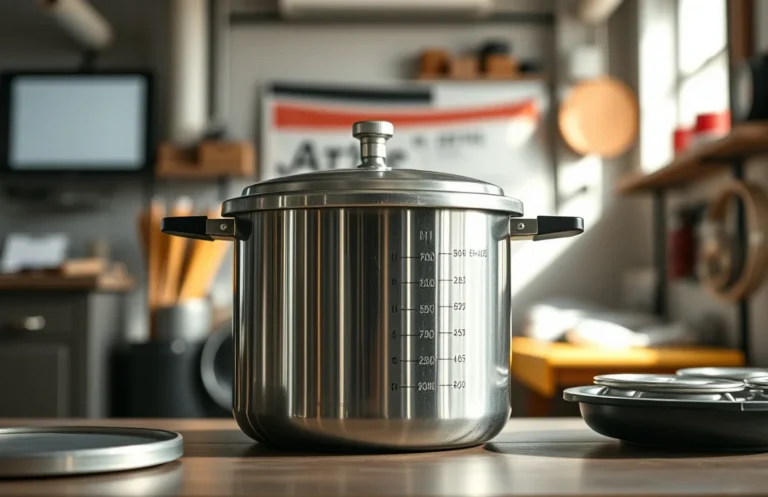
- Use verified canner gear. A true pressure canner is built for jar processing, with validated lids and weights.
- Follow tested recipes. Use canning recipes written for pressure canners, the specific jar type, and your elevation.
- Do safer alternatives. For freezing or refrigerator storage, a pressure cooker is fine.
Can You Use a Pressure Cooker as a Pressure Canner?
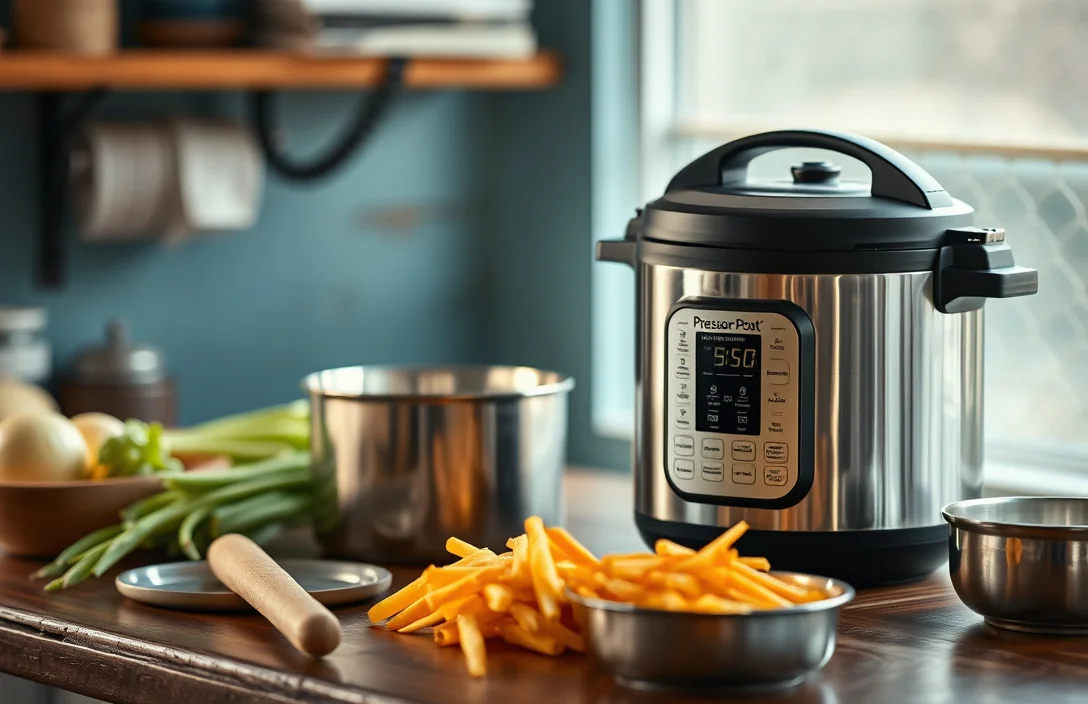
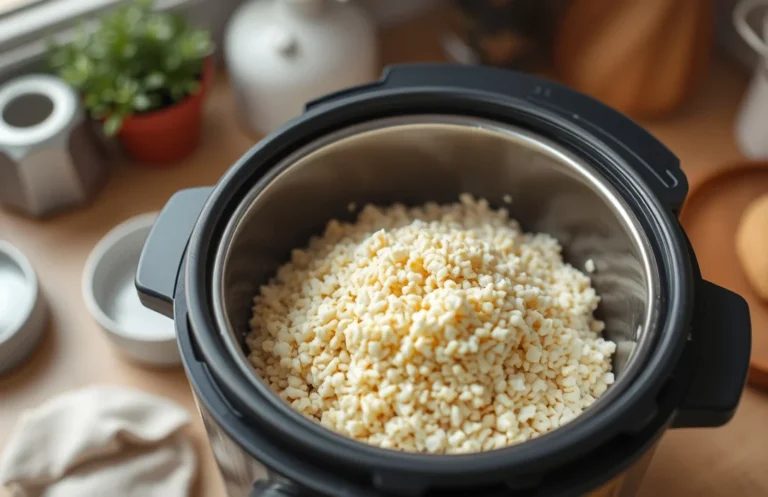
A pressure cooker is built to cook food quickly under pressure, with the goal being tender food inside the pot. A pressure canner is built to process sealed jars so spoilage organisms are destroyed throughout the jar contents.
That gap creates the main risk: assuming “pressure cooker pressure = canner pressure.” Many pressure cookers can reach cooking pressure, but safe home canning depends on verified venting behavior and controlled temperature during the full processing time – along with correct lid sealing and consistent pressure management at the jar-canning scale.
Things that matter most
The deciding factor is whether your device is validated for pressure canning. Most pressure cookers are not built, tested, or certified for jar processing. Without that approval, you do not have a reliable guarantee that the jars reach the same temperature for the same time as in a true pressure canner run.
Even if your cooker’s gauge or digital display says you reached “the right pressure,” jar processing can still be off because the design changes how heat and pressure behave. Headspace, jar loading style, and how the lid vents and stabilizes all affect canning, and those factors are handled in pressure canner instructions and tested recipes.
Tips for Deciding Whether to Try It
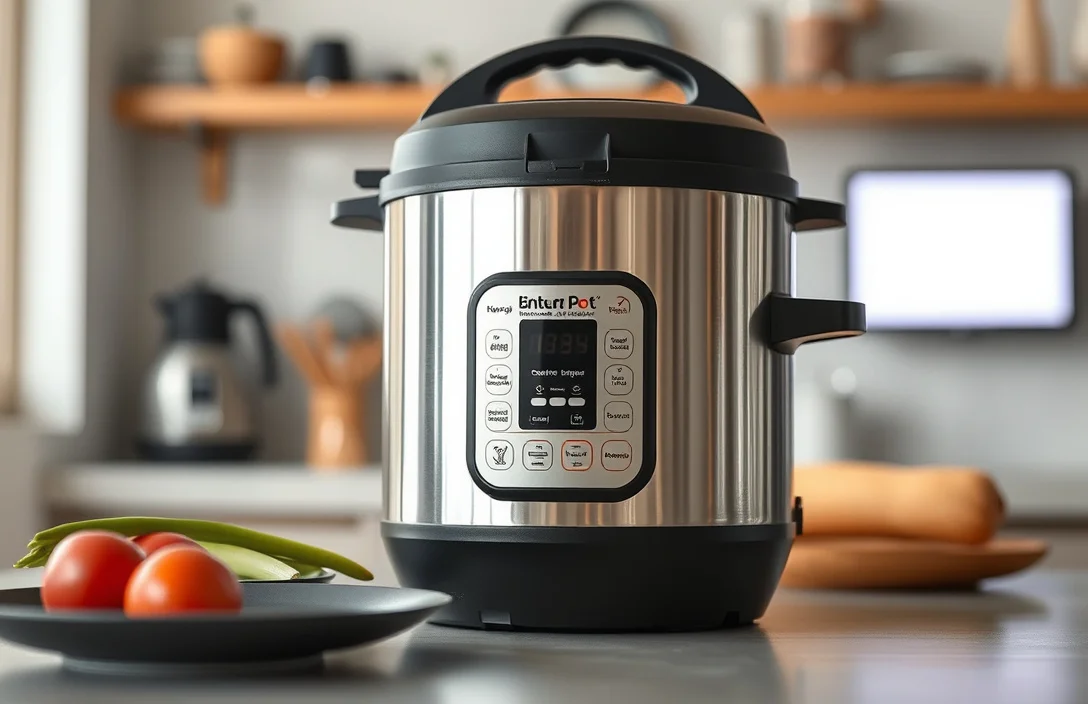
If you are tempted to can with a pressure cooker because you lack a canner, redirect that goal into a safer plan instead of “making do.”
- Check the manual, not the internet. If the manufacturer does not explicitly approve pressure canning in jars, treat it as not intended for that use.
- Don’t “convert” canner settings. Using the same pressure sounds sensible, but processing time and temperature control are part of tested methods for jars.
- Skip jar-crowding experiments. Canning needs even steam circulation and consistent heating around jars. Pressure cookers are not designed around that.
- Use it for cooking only. Cook the food in the cooker, then freeze, refrigerate, or use it promptly instead of trying to shelf-can it.
- Buy or borrow the right tool. A pressure canner made for jars is usually the cheapest way to avoid a costly safety mistake.
A common example is using a stovetop cooker with pint jars because the pot is “big enough.” Even when the cooker can hold pressure, venting and stabilization can differ from a canner – and that is where processing accuracy can drift.
The Only “Benefit” You Get for Shelf Stability
The real benefit of using a pressure cooker instead of a pressure canner is cooking speed, not shelf-stable canning safety. Pressure cooking can make soups, beans, and sauces much faster than conventional simmering – and it can prep food for safer preservation steps.
If your goal is preservation without buying canner equipment, pressure cooking still helps when you skip jar canning. Cook in the pressure cooker, then pack hot into containers for freezing, or cool and refrigerate for short-term use. That way, you keep the speed and avoid the jar-processing step that requires validated conditions.
Safer Options That Match the Food You’re Preserving
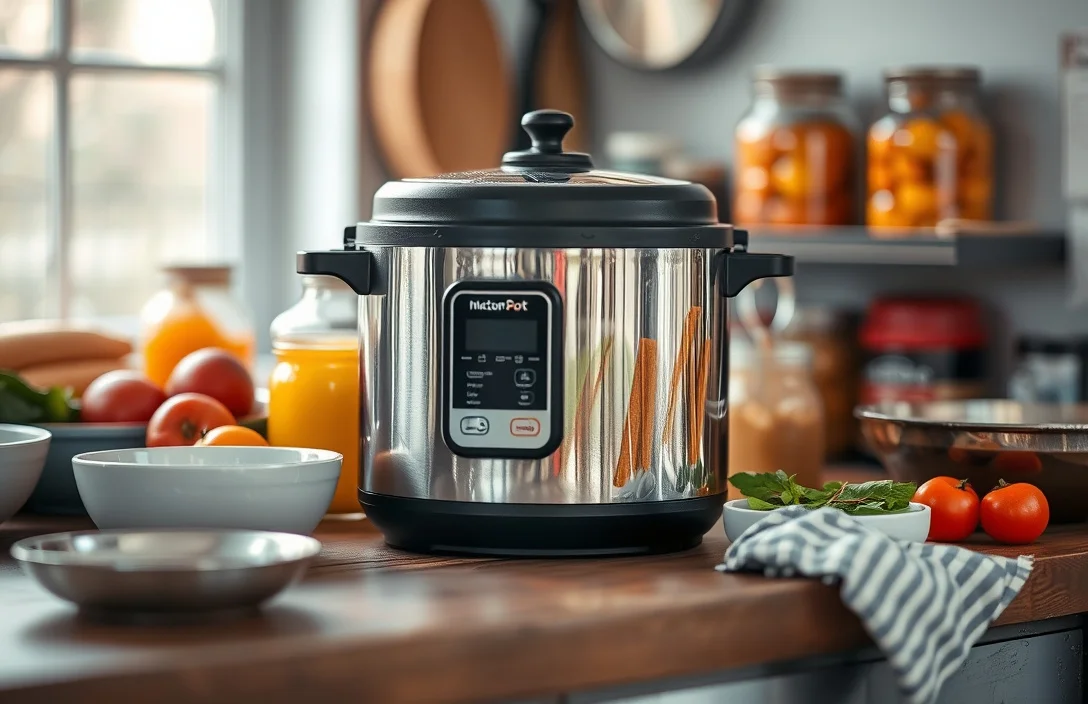
If you want the “pressure cooker effect” but need results you can trust for storage, choose one of these paths.
Option 1: Use a Real Pressure Canner
Use a pressure canner (stovetop or electric models intended for canning) and follow recipes tested for pressure canning, including elevation adjustments.
Option 2: Pressure-Cook Then Freeze
Cook using your pressure cooker, then freeze in freezer-safe containers or bags. You get the speed and avoid the accuracy gap of jar processing.
Option 3: Pressure-Cook Then Refrigerate
For meals you will eat within a few days, pressure cooking is great prep. Cool safely and refrigerate.
Option 4: Pressure-Cook and Use It as “Fresh” Pantry Food
Pressure canning is required for low-acid foods. If you’re working with a low-acid item (many vegetables, meats, and beans), you need pressure canning or another approved preservation method – not pressure cooking alone.
The decision comes down to one question: do you need shelf stability? If yes, use a pressure canner. If no, use the pressure cooker.
My Rule for Using a Pressure Cooker Instead of a Pressure Canner
If you want shelf-stable jars, buy or borrow a pressure canner and run tested recipes exactly as written for that canner type. Canning is a safety process, and “close enough” is not a strategy when your protection depends on time and temperature inside sealed jars.
Be cautious with “small batch” ideas too. Reducing jar count or switching jar sizes to fit the cooker pot changes the tested heat-transfer and the amount of liquid in the canner. Pressure canner recipes account for canner liquid volume, jar count and size, and how the canner reaches and maintains processing pressure – details a cooking recipe does not replicate.
If you are unsure, check this before risking a batch: confirm your cooker is explicitly approved for pressure canning in jars and that tested canning instructions exist for it. If you cannot find that approval, treat the cooker as a pressure cooker only.
Examples of What to Do Instead
Example 1: You want to pressure-can pints of soup for the shelf. You own a 6-quart electric pressure cooker and see posts about “canning in an Instant Pot.” The safe move is to use a canner intended for jars. Pressure cookers can cook soup quickly, but shelf canning needs verified processing conditions for sealed jars.
Example 2: You have fresh green beans and want them for later meals, not necessarily shelf storage. Cook the beans in your pressure cooker, then freeze them in portions. You keep convenience and texture without treating your cooker like a canner.
Example 3: You are prepping chili with meat and beans. Pressure cook the chili base, then cool and refrigerate for 3 to 4 days or freeze for longer storage. If you want shelf stability, use tested pressure canning methods and equipment.
These examples follow the same logic: use the pressure cooker for cooking and prep, but do not rely on it for the specific safety job of canning jars unless it is explicitly approved and supported by tested instructions.
FAQ
Can I use a pressure cooker as a pressure canner for shelf-stable jars?
Usually no. Pressure canning requires a device and method designed to process sealed jars at validated time and temperature conditions. A pressure cooker can cook food under pressure, but it is not automatically equivalent for jar processing. If the manual does not explicitly approve pressure canning in jars, do not use it for shelf-stable canning.
What is the biggest risk if I try anyway?
Jars may not reach and maintain the required processing temperature for the entire stated processing time. Even if the cooker reaches “pressure,” temperature and heating behavior can differ from a pressure canner. That uncertainty removes the safety margin pressure canning methods depend on.
How long does it take compared to a pressure canner?
Times vary by recipe, and comparisons are tricky because canning recipes assume specific canner behavior and jar loading. Many pressure cooker cooking times do not translate to safe canning processing times. If you want predictable results for safe canning, follow a tested pressure canner method, not a cooking-time assumption.
Is pressure canning with a pressure cooker ever acceptable in the US?
It can be acceptable only when the pressure cooker is explicitly approved for pressure canning in jars and you use tested canning instructions intended for that setup. If the manufacturer does not approve it for canning, treat it as a pressure cooking tool only. For anything shelf-stable, use a validated pressure canner and tested recipes.
What’s a safe alternative if I don’t have a pressure canner?
Pressure cook first, then freeze or refrigerate. Freezing is a reliable route for many cooked meals, beans, and vegetables if you cool safely and use freezer-safe containers. For shelf-stable options, use preservation methods that match the food type, such as approved water-bath canning for high-acid foods.

- 10 Best Slow Cooker For Slow Cooking Oxtail 2026 (Tested And Reviewed) - October 16, 2026
- 10 Best Slow Cooker For Slow Cooking Venison 2026 (Tested And Reviewed) - October 16, 2026
- 10 Best Slow Cooker For Slow Cooking Turkey 2026 (Tested And Reviewed) - October 16, 2026