Is Ceramic Coated Cookware Safe?
Ceramic coated cookware is generally safe to use, but only if the coating stays intact. The biggest real-world risk is not “ceramic” itself – it is coating damage, chips, and overheating that can expose the underlying metal or degrade the surface. This guide answers the safety question directly, then helps you decide what to buy, how to use it, and what to do if your pan gets scratched or worn.
Ceramic coated cookware is safe for everyday cooking when the coating is unchipped, not peeling, and you cook at reasonable heat – avoid long, high-heat empty preheats. If the surface is deeply scratched, flaking, or you see bare metal, stop using that pan. Replace it rather than trying to keep using a compromised coating.
Key Takeaways
- Intact coating is key. If it chips or peels, treat the pan as unsafe and replace it.
- Heat matters a lot. Avoid sustained high heat and empty preheating, since over-temperature can degrade coatings.
- Use correct utensils. Metal tools increase scratching risk, which accelerates coating wear.
- Clean gently. Use soft sponges and avoid abrasive pads that remove the protective layer.
- Follow manufacturer limits. Temperature guidance and oven rules vary by brand and coating system.
- When in doubt, replace. Deep wear plus discoloration or rough patches means the surface is failing.
Is ceramic coated cookware safe?
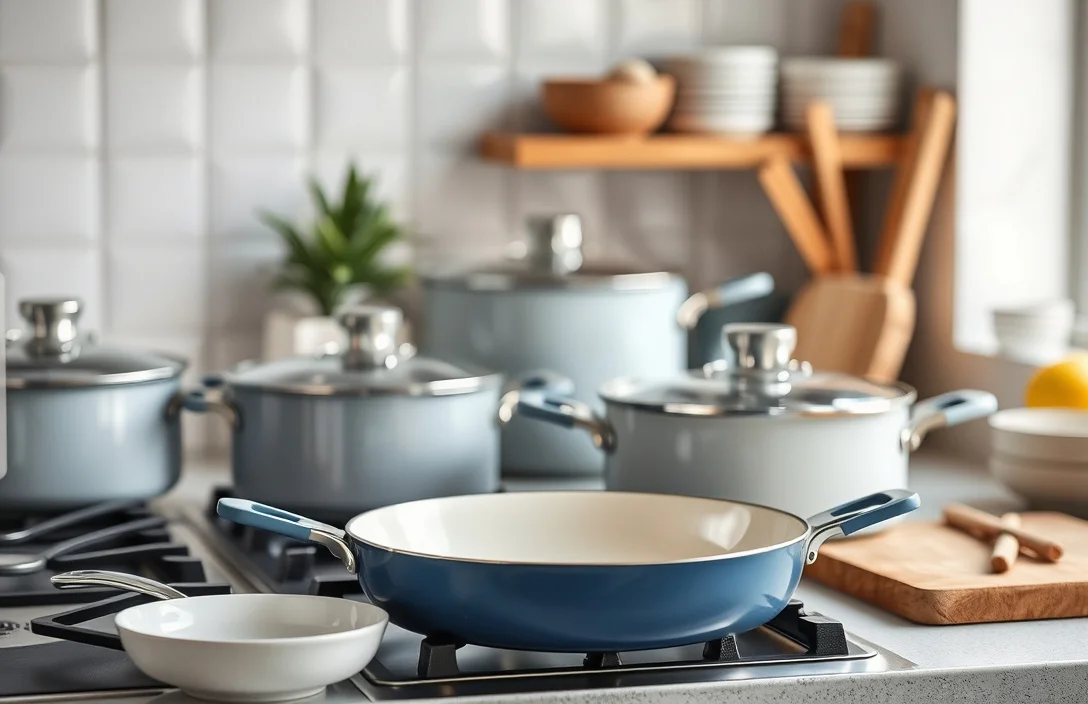
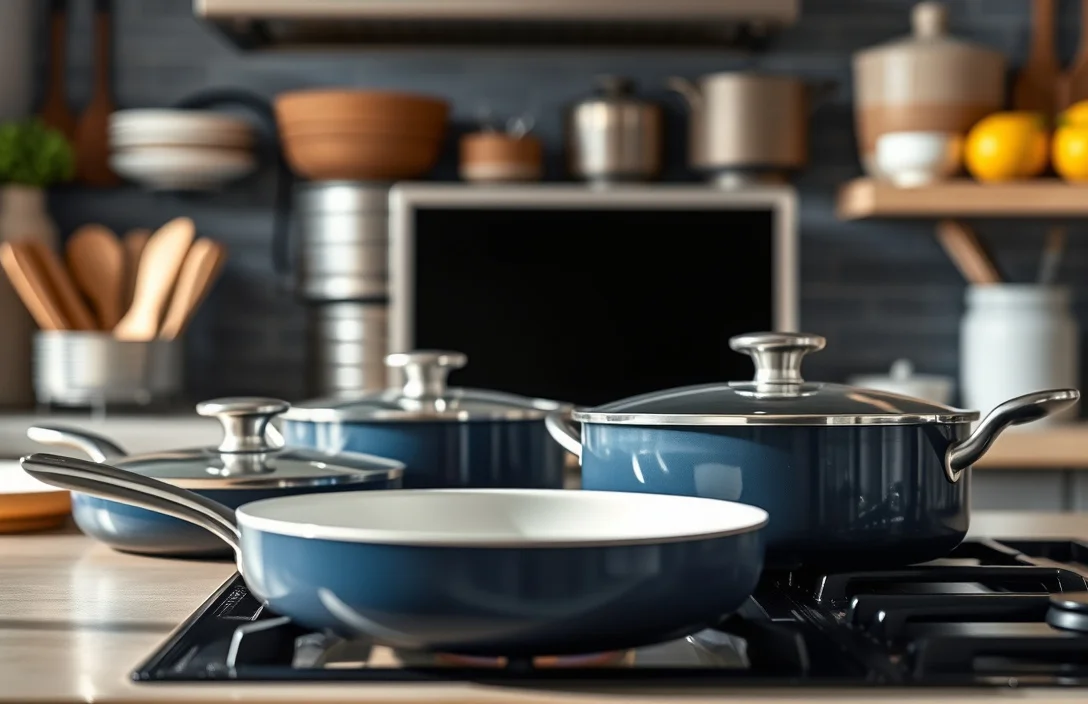
Ceramic coated cookware is typically safe when the coating stays smooth and intact. The coating is usually a polymer-ceramic or ceramic-like layer bonded to metal, and safety depends on whether that layer remains undamaged during normal use.
The safety question people really mean is, “Will the coating release harmful stuff into my food?” With ceramic coated pans, the practical answer is that you should not worry as long as you avoid abusive conditions like burning the coating, scraping it with metal, or using it after it starts peeling. Once the coating is damaged, it wears faster and leaves a rough surface that is harder to clean properly.
Heat management matters just as much. Many ceramic coated pans are marketed for even cooking, but like any nonstick-style coating, they do not like high heat for long periods – especially when the pan is empty. If the pan gets hot enough to scorch residue deeply or you regularly run it on the hottest setting, the coating can degrade.
“Ceramic coated” is also a broad umbrella label. Some products are truly ceramic-based; others use ceramic-like coatings over different base materials. Since formulations differ, the safest approach is to follow the specific care and temperature instructions from the maker of your exact cookware.
Key safety points for ceramic coated cookware
Start with the pan’s condition. If the coating is intact – no chipping, peeling, or exposed metal – ceramic coated cookware is generally fine for normal home cooking.
Next, check heat exposure. Keep the pan out of “abuse mode” – avoid long preheating cycles, avoid burning dry food, and avoid running the burner at maximum for things like toast-level browning. If you regularly see dark smoking, intense discoloration, or sticky residue that will not come off, the coating is likely failing.
Utensils and cleaning are the next big lever. Metal spatulas, steel wool, and abrasive scrubbers speed up coating damage, which is the main safety issue in day-to-day use. Gentle tools (nylon, silicone, wooden) and non-abrasive sponges help the coating survive longer.
Food contact also matters. If your pan surface is deeply scratched or rough, it is harder to clean and more likely to retain residue even after washing. That is less about immediate “toxins” and more about hygiene and coating breakdown.
Use this checklist to judge whether a ceramic coated pan is still “safe enough”:
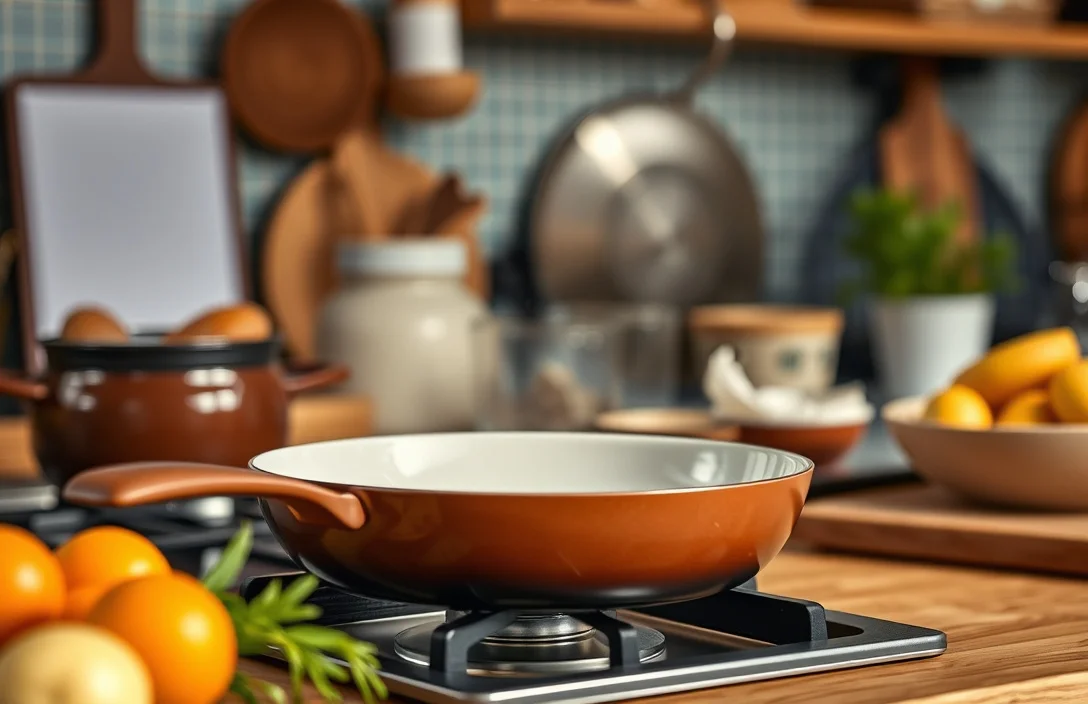
- The surface looks smooth, not flaking or peeling
- No bare metal spots
- No raised edges where the coating is lifting
- No persistent roughness that catches food
- You can clean it without leaving burnt bits embedded in scratches
If you see lifting, flaking, or bare metal, do not try to patch it. Replace the pan.
Tips to keep ceramic coated cookware safe
Use lower to medium heat more often than you think you need. Ceramic coated pans do best when you are not constantly pushing the burner to the highest setting. If a recipe calls for searing, preheat briefly, then reduce heat once food hits the pan.
Do not preheat an empty pan for long stretches. A quick preheat for a minute or two is often enough, and it prevents the coating from sitting at peak temperature without food. Empty overheating is one of the most common ways coatings degrade prematurely.
Choose utensils that will not score the surface. Nylon or silicone spatulas and stirring tools are your best bet. If you use metal tools, expect scratches – even “small” scratches can increase wear and shorten coating life.
For cleaning, skip abrasives and harsh cleaners. Use warm water, a soft sponge, and mild dish soap. If food sticks, soak first, then wash gently. Avoid steel wool, scouring pads, and baking soda scrubbing on heavily worn areas.
Be mindful of oils and cooking styles that leave heavy residue. Deep-frying, repeated burnt-on sauces, and letting sugar-based foods caramelize on a damaged coating all increase the odds of surface degradation and hard-to-remove char.
If your pan develops a rough “matte” patch or the coating looks uneven, treat it like the beginning of failure. Stop using high heat on that pan and consider replacing it if the surface keeps worsening.
Benefits of ceramic coated cookware (and what they depend on)
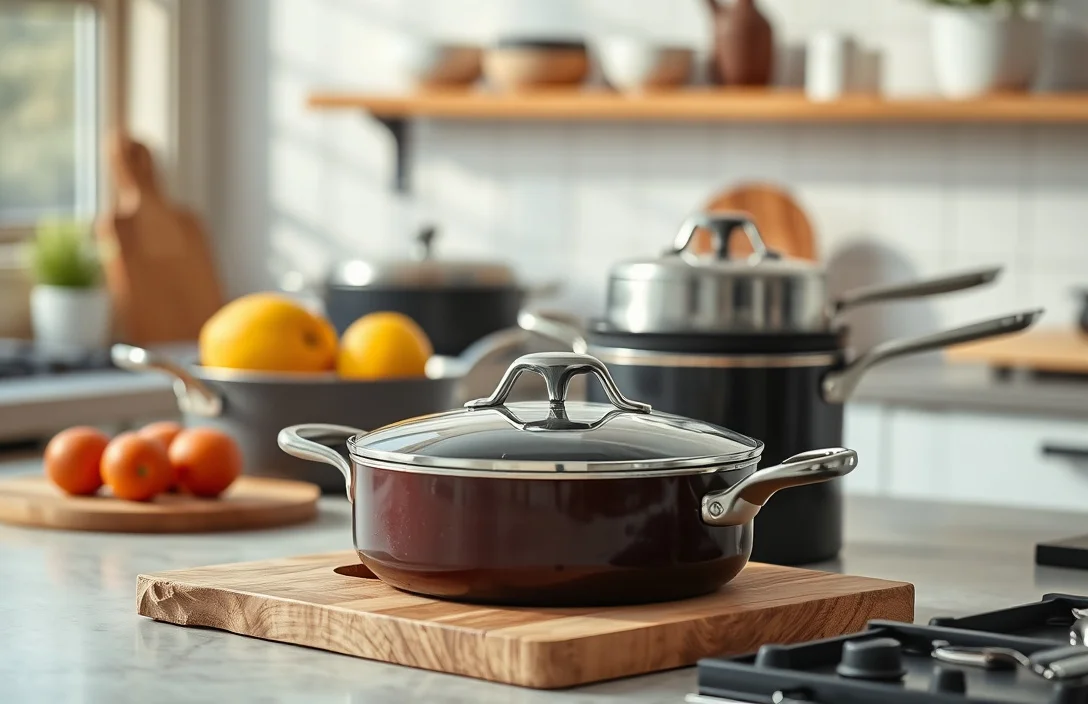
Ceramic coated cookware can be convenient because it tends to release food well with less oil than traditional non-coated pans. When the coating is in good shape, eggs, pancakes, and delicate foods usually need less effort and fewer sticking problems.
It also has a user-friendly cooking vibe. Many ceramic coated pans are lighter than fully clad stainless and easier to handle for everyday meals. That makes people more likely to cook gently and follow the care instructions that keep coatings working.
Ceramic coatings also feel smoother and more nonstick-like than some older nonstick finishes. Paired with gentle utensils and proper heat, the coating stays functional longer and washing is less of a chore.
The safety upside is control. You keep the coating safe by using it within its limits and replacing the pan when the surface is compromised. That “use it while intact, replace when damaged” approach is straightforward and does not require complicated cooking science.
The trade-off is durability. Ceramic coated pans are usually not as durable as stainless steel for rough treatment. Protect the coating, and you protect the pan – ignore it, and safety and longevity both suffer.
Options that fit real cooking styles
The safest “option” is not a specific brand – it is matching the pan type to your cooking habits and the level of care you are willing to take.
If you want nonstick performance for eggs and sauces, look for ceramic coated pans that clearly state temperature limits and have a coating designed for everyday use. Prioritize the manufacturer’s instructions and choose a pan size you can manage without cranking heat high.
If you cook on high heat, use metal utensils, or forget to lower the burner, consider different materials. Stainless steel, cast iron, and enameled cookware handle higher temperatures better, and their surfaces do not rely on a thin coating layer that can fail.
| Cookware Type | Key Spec / Price Factor | Best For | Safety Reality Check |
|---|---|---|---|
| Ceramic coated nonstick | Coating durability depends on heat + utensils | Eggs, pancakes, low-oil cooking | Replace if chipped, peeling, or bare metal shows |
| Stainless steel | No coating; higher heat tolerance | Browning, searing, long cooking | Requires oil and technique, but no coating to fail |
| Cast iron (seasoned) | Thick metal; retains heat | Stews, high-heat sears | Needs seasoning care, but robust surface durability |
| Enameled cast iron | Vitreous enamel top | Sauces, braises, simmering | Avoid thermal shock and chipping of enamel |
Because “ceramic coated” is broad, shop by care requirements as much as by price. Cheaper pans often use thinner coatings that may wear out sooner – once the coating fails, the “safe until it fails” condition matters even more.
If you already own a ceramic coated pan, the “option” you control most is how you use it: keep heat moderate, protect the surface, and replace it when the coating is no longer intact.
Expert advice for keeping ceramic coated cookware safe
Treat ceramic coated cookware like any coating-based product: it is safe while it is intact, and you should not stretch it past failure.
Use the manufacturer’s stated heat range. If you cannot find it, default to medium or medium-low. If the pan requires constant high heat to work, that is a clue your cooking pattern will stress the coating.
Protect the surface. Use silicone or nylon tools, avoid scraping, and do not stack heavy pans on top of each other without protection. Surface scratches are the early warning sign.
Handle discoloration seriously. Light browning from normal cooking is common, but smoking, persistent tacky residues, or a patchy, rough surface after cleaning can mean the coating is degrading. When that happens, stop treating it like a reusable forever-pan.
Replace rather than repair. Coatings that chip or peel do not reliably “heal.” If you can see bare metal or the coating is lifting, replacement is the safest move.
when ceramic coated cookware is likely safe – and when it is not
A ceramic coated frying pan used on medium heat for eggs and pancakes, with silicone spatulas and gentle soaking, typically stays in good condition for years. The coating stays smooth, food releases normally, and cleaning stays straightforward without aggressive scrubbing.
The same pan used frequently on the highest burner setting for fast searing and repeatedly preheated empty will degrade faster. You may notice more sticking, a rougher surface, or areas where the coating looks thin or uneven. Even if the pan “still cooks,” you are closer to the point where the coating is failing and should be replaced.
You can also judge by what happens after washing. If cleaning removes everything without gritty residue left behind in scratches, that is a good sign. If you keep struggling with burnt bits that seem embedded and the surface looks visibly scarred, treat the pan as worn out.
For a different scenario, a ceramic coated Dutch oven or sauce pot used mainly for simmering is often easier on the coating. Simmering is usually gentler than high-heat frying, so coatings tend to last longer under those conditions. If that pot becomes rough or chips, replace it rather than continuing to rely on it for acidic sauces or long cooking.
Same rule in every case: gentle cooking that preserves the coating is the safer use case. Abuse accelerates wear and makes the “ceramic coated cookware is safe” claim stop applying.
FAQ
Is ceramic coated cookware safe for everyday cooking?
Ceramic coated cookware is generally safe for everyday cooking when the coating stays intact. If the pan chips, peels, or shows bare metal, stop using it. Also avoid overheating it while empty and follow the brand’s temperature guidance, because coating degradation is the main practical concern.
Does ceramic coated cookware leach chemicals into food?
Chemical leaching risk is mainly tied to coating damage and overheating, not normal cooking. A smooth, unchipped surface that you use within the stated heat range is the lowest-risk situation. Scratched or peeling coatings are harder to trust, and the safest move is replacement.
How long can you use ceramic coated cookware before it’s unsafe?
There is no universal “years” number because durability varies by coating thickness, heat habits, and cleaning. Use condition-based replacement: replace the pan if you see peeling, chipping, exposed metal, or a rough surface that keeps food residue in scratches.
What should you do if your ceramic coated pan is scratched?
Light scratches that do not expose metal may still cook, but scratches accelerate wear and reduce nonstick performance. If scratches become deep, gritty, or you see coating lifting, stop using the pan. Replace it once the surface is clearly compromised.
Is ceramic coated cookware better than stainless steel for safety?
Ceramic coated cookware can be safer than improperly used nonstick, but it is inherently more condition-dependent. Stainless steel is usually the lower-maintenance choice for heat tolerance because it has no coating to degrade. If you cook on high heat and use metal utensils, stainless is typically the safer option for long-term use.
What should you avoid doing with ceramic coated cookware?
Avoid high heat for long periods, especially preheating an empty pan. Avoid metal utensils and abrasive scrubbers that score the surface. If you see peeling or bare metal, replace the cookware instead of continuing to use it.
Can I use ceramic coated pans in the oven?
Oven safety depends on the specific cookware and handle materials, so follow the manufacturer’s oven temperature guidance. If you do not have that info, assume it is not oven-safe, especially for pans with plastic or unverified handles. Check the bottom label or manual before baking.
Are ceramic coated pans safe for acidic foods like tomatoes?
Ceramic coated pans are commonly used for tomato sauces, but the safest situation is a coating that is still smooth and unbroken. If your pan is heavily worn, scratched, or peeling, you should feel less comfortable relying on the coating. When the surface shows failure signs, replace the pan.
Bottom line
Ceramic coated cookware is generally safe when the coating stays intact and you avoid overheating it or damaging the surface. Heat and care control the risk more than the word “ceramic,” because coating degradation is the main problem to manage. Use gentle utensils, clean without abrasives, and do not preheat an empty pan on high.
If your ceramic coated cookware chips, peels, or shows bare metal, replace it. Scratches that make cleaning difficult or leave gritty residue in the surface are also strong signals to move on.
For everyday cooking, ceramic coated pans work well for eggs, pancakes, and lower-oil meals if you keep heat moderate. If your cooking style is high heat and metal utensils, stainless steel or cast iron can be the safer long-term match.
Your next step is simple: check your pan’s condition right now. If the coating is smooth and unchipped, cook at medium heat with soft tools. If it is peeling or rough-to-the-touch, replace it.

- 10 Best Slow Cooker With Spill Proof Design 2026 (Tested And Reviewed) - October 24, 2026
- 10 Best Slow Cooker With Locking System 2026 (Tested And Reviewed) - October 24, 2026
- 10 Best Slow Cooker With Insulated Lid 2026 (Tested And Reviewed) - October 23, 2026