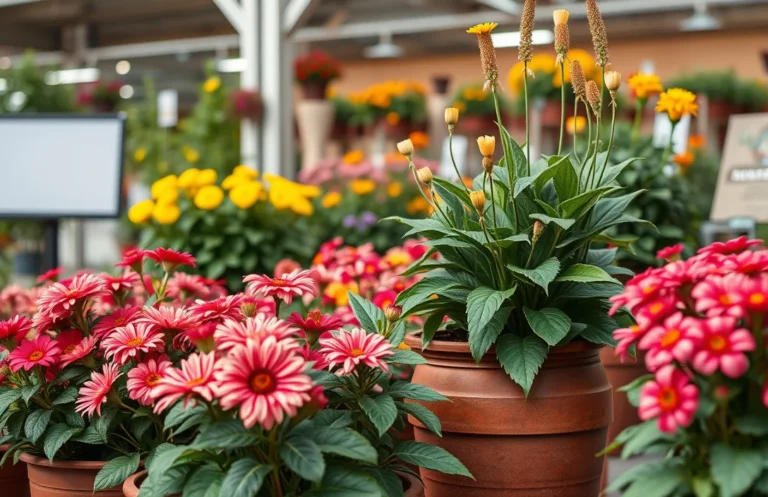
Can You Grow Olive Trees In Pots?
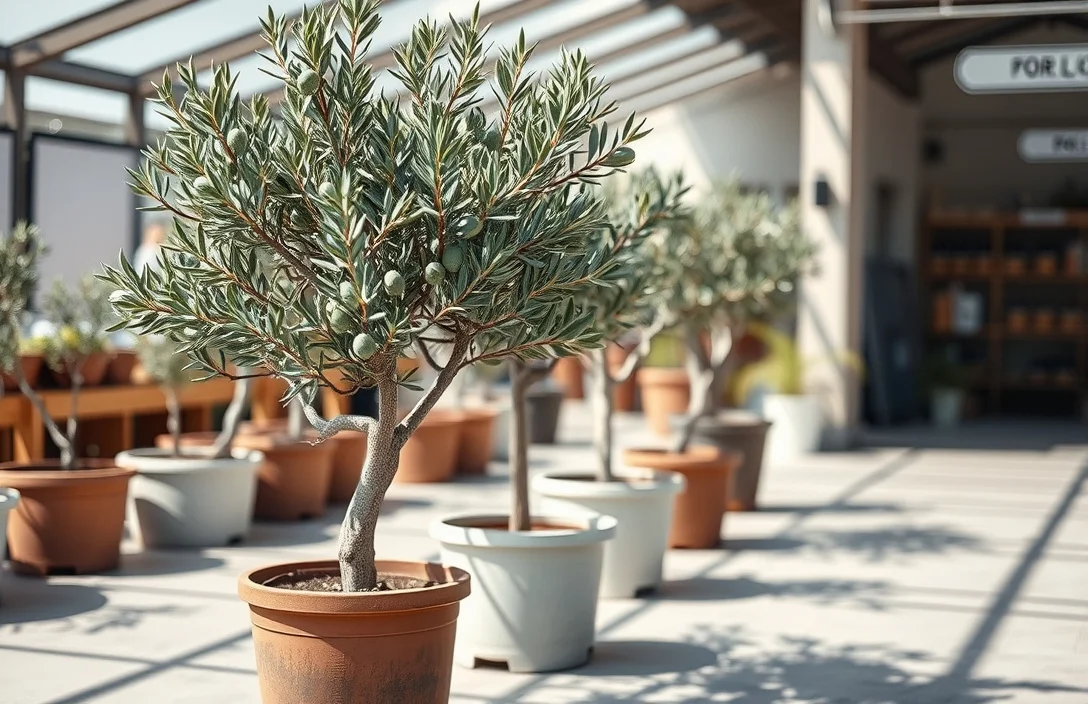
Yes, you can grow olive trees in pots, and you can keep them alive in the United States if you match the pot, soil, light, and winter plan to your climate. Olive trees are tough, but container culture is a different game because roots lose protection and pots freeze faster than ground. This guide tells you what to do so your tree actually grows, not just survives.
Growing olive trees in pots is practical if you give them full sun, well-draining potting mix, and a container large enough for steady root growth. In USDA zones where winters get cold, move the pot indoors or use frost protection, because potted roots are more vulnerable than in-ground roots. Choose dwarf or manageable varieties and expect pruning to control size.
Key Takeaways
- Yes, with constraints. Olive trees grow well in containers when you control sun, soil drainage, and winter temperatures.
- Pot size matters most. Use a large pot (often 15-25 gallons for mature growth) to reduce drought stress.
- Full sun is non-negotiable. Aim for 6-8 hours of direct light, or you will get weak growth.
- Drainage prevents root rot. Use a gritty, fast-draining mix and a pot with drainage holes.
- Winter is the make-or-break. Protect or move the pot before freezing temperatures hit.
- Expect pruning. Regular shaping keeps the tree productive and manageable in a container.
What changes when you grow olive trees in pots?
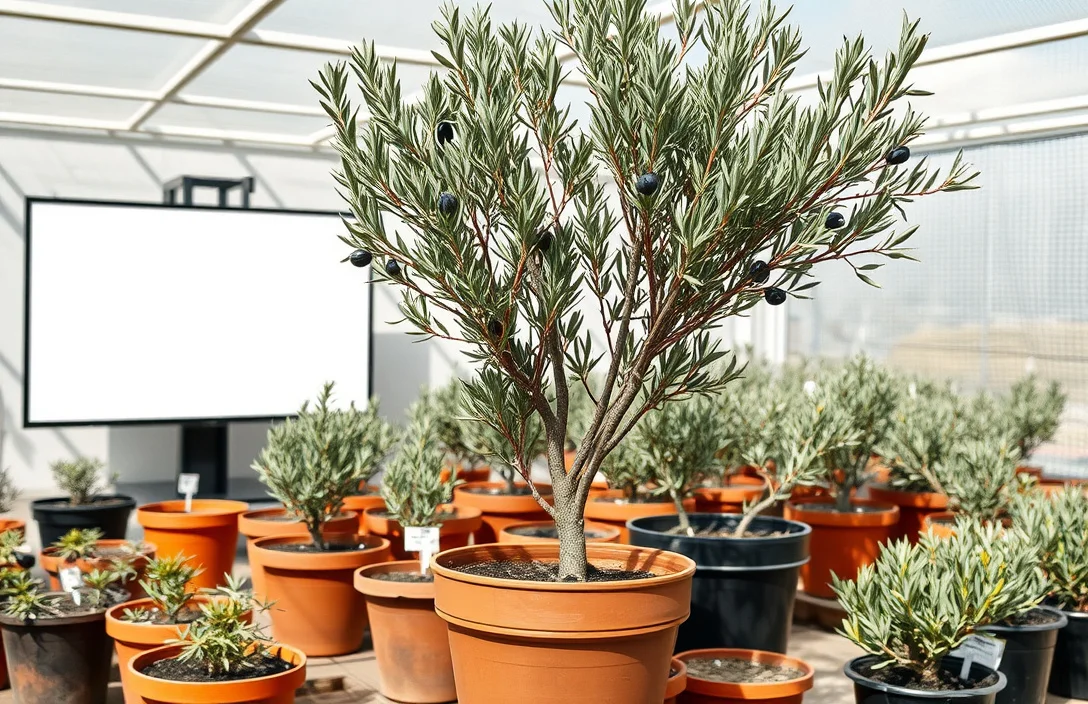
Containers change how olive trees handle heat, drought, and cold. In-ground roots get insulation from surrounding soil, but pot roots are exposed to rapid temperature swings. In practice, drought stress in summer and cold damage in winter are your two biggest risks, especially in small or mid-size pots.
Olive trees also need the basics done consistently: intense light, breathable soil, and careful watering. They tolerate some neglect better than many houseplants, but container olives struggle more with soggy soil because oxygen can’t reach roots as easily. Fix drainage and keep the tree near full sun, and you eliminate the main cause of failure.
The two things that determine whether your pot olive lives
Watering comes first, and you shouldn’t follow a calendar. Check soil dryness, then water thoroughly until excess drains from the bottom. If the mix stays wet, root rot becomes a real risk even if the leaves still look fine.
Light is the second make-or-break factor. Olive trees need bright, direct sun, and indoor light often falls short unless you have an extremely sunny window or supplemental lighting. Outdoor trees usually get enough summer sun, but winter indoor conditions can stall growth or trigger leaf drop.
Plan for winter temperatures before you buy the tree. If freezing is common where you live, you need either indoor space with strong light or an outdoor setup that protects the trunk and especially the root ball. Putting it off turns a manageable problem into permanent stunting.
Container setup that prevents the common failures
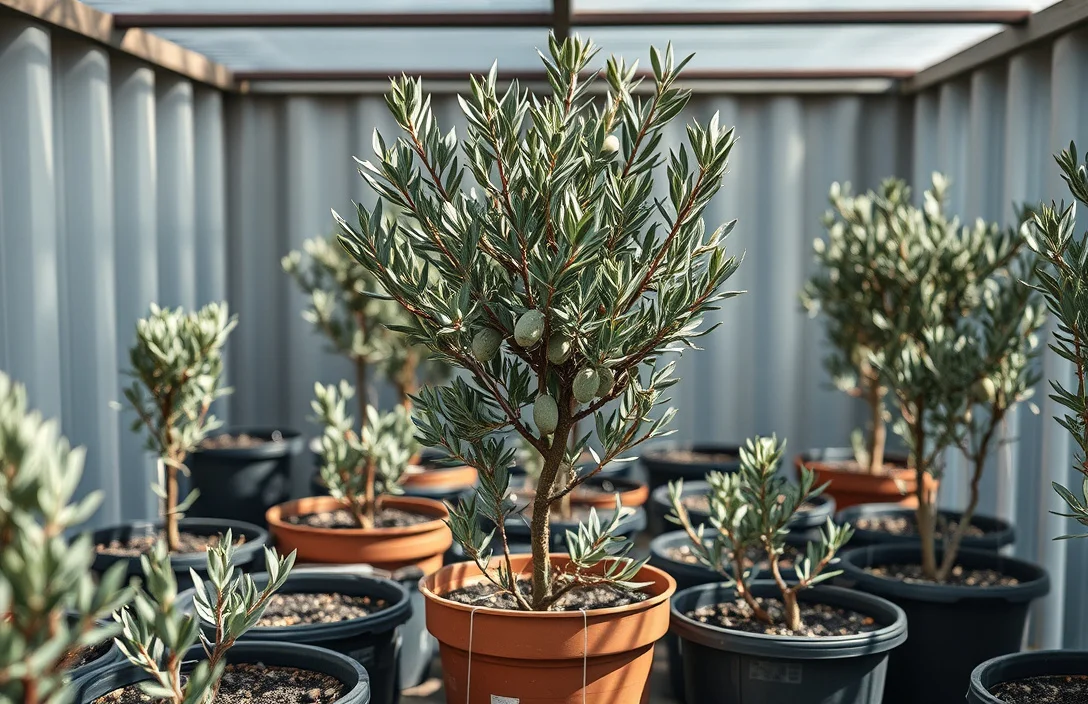
Use a heavy container and a saucer only if you can prevent standing water. Terracotta breathes and helps prevent stagnation, but it also dries faster, so you’ll water more often in hot weather. No matter what material you choose, the pot must have drainage holes, and the tree must never sit in water.
Build your soil mix for drainage from day one. Standard bagged “potting soil” often holds too much water for olives in containers. Mix in gritty components like perlite, coarse sand, or a cactus-style base so water runs through quickly and the mix aerates between waterings.
Prune early and lightly, then keep shaping. Young trees benefit from pruning to form a low, balanced scaffold that fits container life. Skip big “panic prunes” after months of weak growth. When you cut too much at the wrong time, you remove the branches the tree needs to recover.
If you want olives for fruit, think beyond the pot. Many olive varieties are partially self-fertile, but better vigor and stable conditions improve fruit set. In a container, steady nutrition and consistent light do the heavy lifting.
Why container olives are worth it (when you do it right)
The big advantage of growing olive trees in pots is flexibility. You can place the tree for maximum sun during warm months, then move it to protect it during cold months. That matters in the United States because winter conditions vary widely.
Containers also make soil management easier. You control mix texture and drainage in a way that’s difficult in heavy native clay. With an airy, fast-draining setup, you reduce root rot risk and support steadier growth.
Maintenance becomes more predictable too. Pruning controls size, and the root zone stays within your space instead of spreading. For patios, courtyards, and balconies, that’s often the difference between “maybe” and “I can actually do this.”
There’s also a practical emotional payoff: watching a tree move through seasons is slow gardening in the best sense. When container conditions match the tree’s needs, you’ll see new shoots, thicker foliage, and a stronger structure over time.
Your realistic options by climate
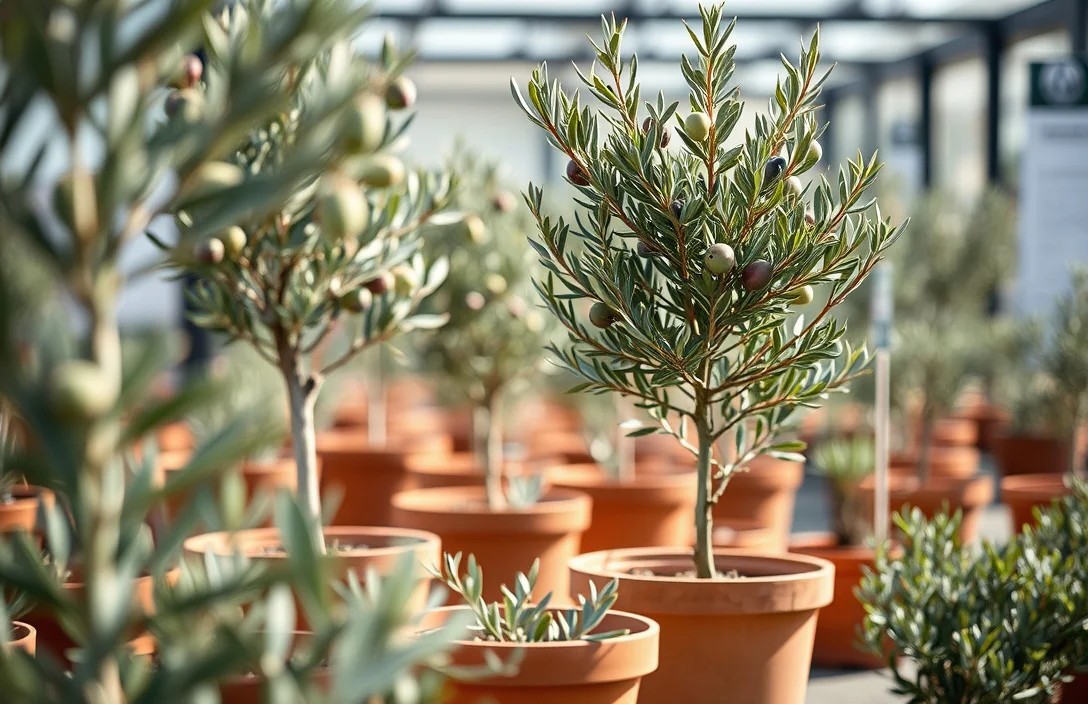
You have three practical “olive pot” paths based on temperature risk and how much work you’ll tolerate.
Option 1: Outdoors year-round (only if winters are mild). If freezing temperatures are rare where you live, you can keep the pot outside with protection from wind and sudden cold. Drainage still matters, because wet roots plus cold is a bad combination.
Option 2: Seasonal movement (most common in the US). Many gardeners move the pot indoors or to a sheltered area when temperatures drop. The goal is avoiding hard freezes while keeping the tree in as much light as possible.
Option 3: Semi-outdoor with winter protection. If bringing the tree indoors isn’t realistic, insulate the pot, protect the root ball, and shield the trunk from cold wind. This can work, but it’s less reliable than indoor light protection during extended cold spells.
Variety choice adds another layer. Compact or dwarf types fit container life better with less frantic pruning. Large, naturally sprawling types can still work, but plan on more pruning and more frequent repotting.
The routine that keeps potted olives healthy
Treat your container olive like a sun-and-dryness plant, not like a typical landscape tree. My rule is simple: maximize light, water thoroughly, then wait until the mix dries before watering again. Overwatering is the most common failure because it strips oxygen from the root zone and triggers a slow decline.
During cold weather, focus on root protection over leaf protection. Leaves may handle a brief dip, but frozen potting mix damages roots quickly. If you must choose between protecting foliage and insulating the root zone, insulate the pot area first, then shelter the top.
When repotting, don’t jump to “bigger immediately” every time. Oversized containers hold moisture too long, which turns into a drainage problem. Increase pot size gradually as the tree grows, and refresh part of the mix to keep aeration high.
Feed lightly and regularly during active growth, then ease off in winter. Olive trees slow down when light drops. Fertilizing late or too strongly can push weak growth. Keep feeding modest and aligned with actual growth, and you reduce stress and salt buildup.
- Confirm sunlight. Choose a spot where the tree gets direct sun most of the day.
- Confirm drainage. Use a pot with holes and a mix that drains fast.
- Plan winter access. Know where the pot goes when the first freeze forecast hits.
- Pick a manageable size. Choose a pot you can lift or move if needed.
- Commit to pruning. Plan annual shaping to keep the tree productive.
Examples that match common US scenarios
Example, a patio gardener in Southern California (mild winters). They keep a medium pot outdoors year-round if the tree gets full sun and the mix dries between waterings. Summer heat and wind dry the pot faster, so watering often increases. Pruning in spring shapes the canopy and removes crossing branches that tangle.
For a homeowner in Texas with occasional winter freezes, they choose a manageable variety and use a large pot to buffer drought swings. When hard freezes are forecast, they move the pot indoors or to an unheated garage with bright light. They avoid overwatering during indoor storage because lower light and cooler temps keep the soil wet longer. With that routine, the olive resumes growth once spring returns.
A renter with a balcony in a colder region goes compact and relies on winter protection for the pot, using insulating wraps and placing the container against a wall. Growth may slow or pause in winter, but the tree stays healthy by avoiding soggy soil and hard-freeze damage. In this setup, the difference between success and failure usually comes down to how fast water drains and whether the root zone stays from freezing hard.
In every scenario, the pattern holds: sunlight intensity plus correct watering beats fancy tricks. The pot is only half the job; the surrounding environment around the pot does the rest.
FAQ
Can you grow olive trees in pots in cold climates in the United States?
Yes, but you need a winter plan. Potted roots freeze faster than in-ground roots, so you either move the pot indoors to bright light before hard freezes or insulate the pot and protect the root ball during cold snaps. If you can’t provide meaningful light indoors, expect slower growth and focus on keeping the tree alive.
What size pot do you need for an olive tree in a container?
A small pot works for a young plant, but it increases drought stress and temperature swings. For longer-term container growth, many people step up to a much larger pot, often in the 15-25 gallon range as the tree matures. Whatever size you choose, prioritize drainage holes and a mix that dries in a reasonable timeframe.
How often should you water a potted olive tree?
Water based on dryness, not days. When the top portion of the mix is dry, water thoroughly until excess drains out the bottom, then wait again until it dries. In winter, watering is usually less frequent because light drops and the pot holds moisture longer.
Do potted olive trees actually fruit in the US?
They can, but fruit is not guaranteed in containers. Fruit set depends on variety, sunlight, nutrition, and whether winter conditions allow healthy spring growth. If you want olives for fruit (not just landscaping), choose a suitable variety for your climate and give the tree as much direct sun as possible.
What’s the most common mistake when growing olive trees in pots?
Overwatering and poor drainage. Many people use standard potting soil that stays wet too long, restricting oxygen in the root zone and leading to root rot. Fix it by using a fast-draining gritty mix, a pot with drainage holes, and watering only after the mix dries out.

- 10 Best Slow Cooker For Slow Cooking Oxtail 2026 (Tested And Reviewed) - October 16, 2026
- 10 Best Slow Cooker For Slow Cooking Venison 2026 (Tested And Reviewed) - October 16, 2026
- 10 Best Slow Cooker For Slow Cooking Turkey 2026 (Tested And Reviewed) - October 16, 2026