How To Make Sticky Rice In A Rice Cooker?
Sticky rice is supposed to be clumped, chewy, and slightly glossy, not dry and separate. A rice cooker can nail that texture when you use sticky (glutinous) short-grain rice, measure water correctly, and let the rice rest after cooking. This guide gives you a reliable ratio, a soak option for steadier results, and clear fixes when your rice turns out too hard or too mushy.
Sticky rice in a rice cooker is made with sticky (glutinous) short-grain rice, typically a 1:1 to 1:1.25 rice-to-water ratio, followed by a 10-20 minute rest after cooking. Rinse until the water runs mostly clear, soak if you want more consistent texture, then use the cooker’s white rice or “cook” cycle and finish with steam time via “warm.”
Key Takeaways
- Use the right rice. Sticky (glutinous) short-grain rice is the key ingredient – regular long-grain won’t give the same chew.
- Rinse for less gumminess. Rinse until water is mostly clear to avoid excess surface starch.
- Start with ratio 1:1.0. For most cookers, 1 part rice to 1 part water is a solid baseline for sticky texture.
- Soak helps consistency. A 30-60 minute soak improves softness and reduces uneven cooking.
- Rest is non-negotiable. Let the rice sit 10-20 minutes on “warm” to firm up and evenly hydrate.
- Adjust water next time. Hard and chalky means add a bit more water, mushy means reduce water or shorten soak.
How to begin
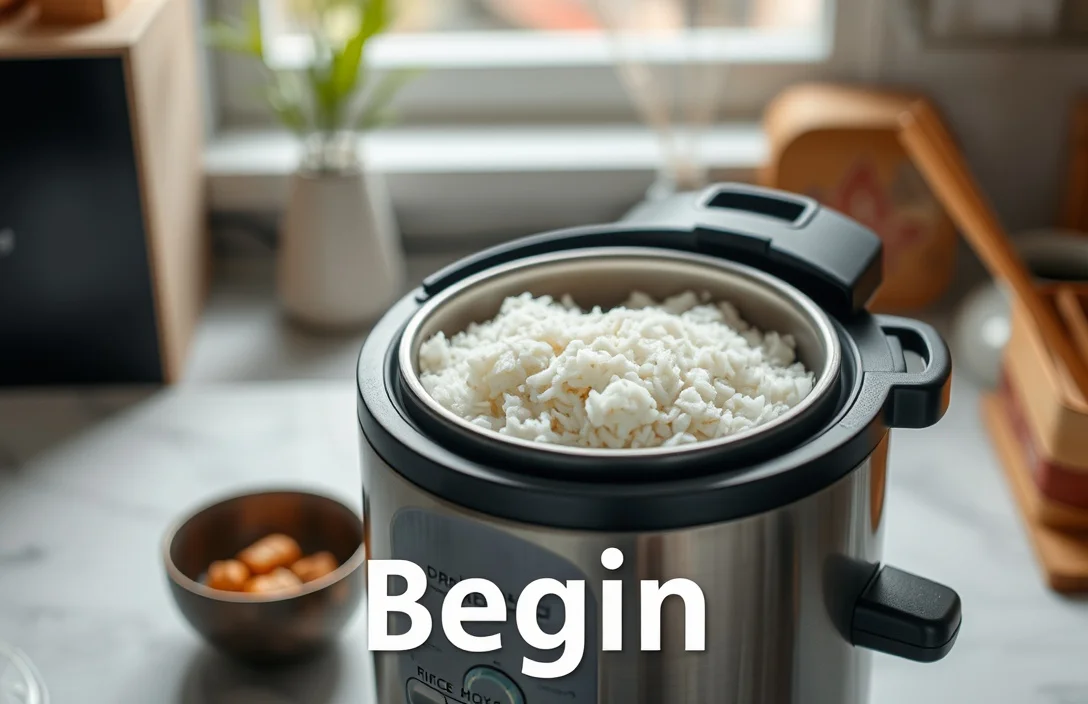
Sticky rice in a rice cooker starts with two choices: the rice type and how you handle starch. Buy sticky (glutinous) short-grain rice, often labeled “sweet rice” or “glutinous rice,” because it cooks up clumpier than long-grain varieties. Then rinse well and either soak or plan on a longer steam rest so every grain hydrates evenly.
Check your rice cooker’s options before you start. Many have “White Rice,” “Sushi Rice,” “Quick,” and sometimes a “Congee/Steam” mode. If you only have a normal cooking mode, use “White Rice” or “Cook,” then rely on a rest period after cooking. You’re not just cooking – you’re building a consistent gel inside each grain so it feels tacky when you scoop.
You need this for a reliable batch:
- Sticky (glutinous) short-grain rice
- Water (cool or room temp is fine)
- Bowl for rinsing, measuring cup
- Rice cooker with “Warm” (or a lid-safe rest)
- Spoon or rice paddle (avoid scraping the bottom)
If you’re making sticky rice for mango sticky rice, grilled meats, or rice bowls, time matters. Sticky rice tastes best hot and freshly rested, not when it sits uncovered for long stretches.
Basics of Sticky Rice Texture
Sticky rice gets its signature texture from sticky starch in glutinous short-grain rice. Cook it right and that starch gelatinizes, which makes grains cling together. That’s why you want clumps, not separated grains.
Two texture levers do the heavy lifting: the rice-to-water ratio and the rest time. Together, they decide how fully each grain hydrates.
Rinsing matters because sticky rice carries a lot of surface starch. Skip rinsing and you often get gluey clumps with a gummy surface that’s harder to portion cleanly. Rinsing doesn’t “clean” the rice – it removes loose starch that can over-thicken the outer layer.
Water amount is a balance:
- Too little water leaves hard, chalky centers even if the surface looks cooked.
- Too much water makes the rice swell past what the grains can hold, which turns the batch soft and mushy. It still sticks, but it won’t feel chewy.
A rest period fixes a lot. Rice cookers handle the cooking, then hold temperature for a while. Sticky rice benefits from that extra steam time. If your cooker has a “Warm” function, keep the lid closed and rest long enough for moisture to redistribute – the texture firms and smooths out.
Two baseline ranges work for most people. Start with 1 part rice to 1 part water for a first try. If your cooker runs dry or you want softer sticky rice, move up gradually toward 1 part rice to 1.25 parts water. Sticky rice is more sensitive to water than regular white rice, so make small adjustments between batches.
How to Make Sticky Rice in a Rice Cooker
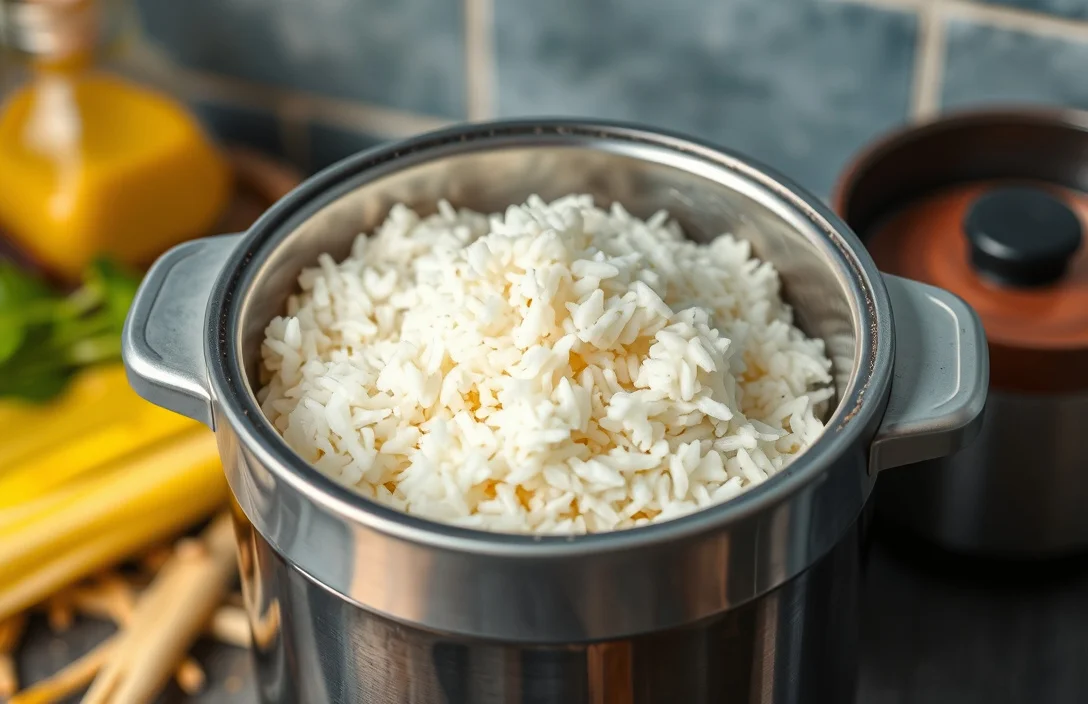
Start with sticky (glutinous) short-grain rice and measure carefully so you get the texture you want right away. The method below assumes a typical rice cooker with a “Cook” cycle and a “Warm” holding mode. Scale up or down without changing the ratio.
- Measure the rice. Use 1 cup sticky rice as your baseline for timing and water amounts.
- Rinse the rice. Rinse in a bowl under cool water, stirring with your hand, until the water is mostly clear (usually a few rinses).
- Soak (optional but recommended). Soak the rinsed rice 30-60 minutes, then drain.
- Add water with the right ratio. Start with 1 cup rice to 1 cup water. If you know your cooker runs dry or you like softer rice, use up to 1:1.25.
- Cook in your rice cooker. Turn on White Rice or Cook. Don’t open the lid during cooking.
- Rest on Warm. After cooking finishes, keep the lid closed and rest the rice on Warm for 10-20 minutes.
- Fluff gently and serve. Stir carefully with a paddle or spoon. Serve hot for the best clumping.
If you want a quick no-soak version, it still works. Rinse thoroughly, use water at 1:1 to 1:1.1, cook, then rest 15-20 minutes. This is the easiest route on a busy night and often lands close to the right texture.
Soaking is for repeatability. It reduces unevenness because grains start hydrating before the cooker fully heats them. If you soak, keep the water ratio near 1:1 so extra soak water doesn’t push you into mushy.
Use this ratio cheat sheet to correct after your first attempt instead of guessing:
| Sticky rice type | Start ratio (rice:water) | If too firm, add | If too soft, reduce |
|---|---|---|---|
| Glutinous short-grain | 1:1.0 | +0.05 to +0.1 water ratio | -0.05 to -0.1 water ratio |
| For extra soft texture | 1:1.25 | less needed | consider back to 1:1.1 or 1:1.15 |
Quick example: if your rice is a bit dry in the center, add a small amount of water next time – about 1-2 tablespoons per cup of rice (depending on your measuring cup size). If your rice is mushy, reduce water slightly or skip the soak.
Things that matter most
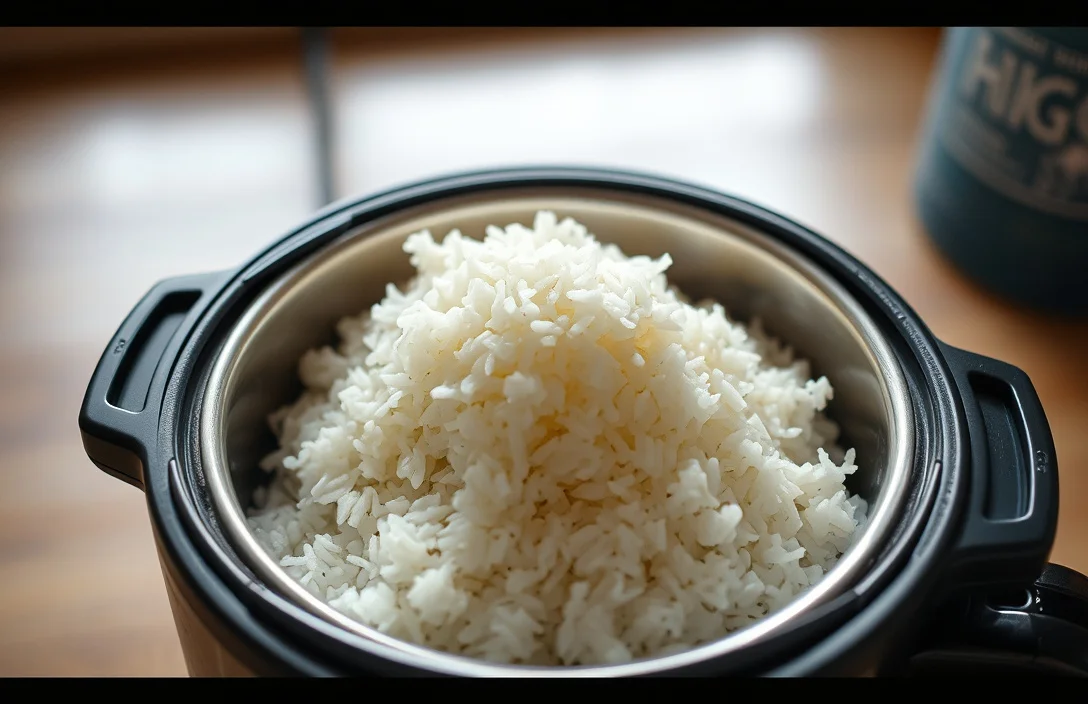
Sticky rice depends on even hydration. That happens with rinsing, soaking (if you choose it), and a proper post-cook rest. Rinsing reduces surface starch so the rice forms clumps instead of turning paste-like.
Soaking is the next lever. It shortens the time the center needs to hydrate, which reduces hard spots. Skip soaking and you can still get good results, but use a more conservative water amount and rely more on the rest.
That rest step is where the texture finishes. After the cooker switches to “Warm,” keep the lid closed. Let the rice sit undisturbed for 10-20 minutes, then fluff gently. If you open early and stir right away, steam escapes and you get clumps that look fine but feel uneven.
Handle the rice gently at the end. Stir slowly, scrape the bottom minimally, and don’t leave it sitting around exposed to air. Sticky rice tightens up quickly as it cools, and it can lose gloss as it firms.
If your rice cooker includes a “Sushi Rice” or “Sticky Rice” program, use it. If not, “White Rice” works. Cook time varies by model, so treat the rest time as your consistent step rather than chasing exact minutes.
Dessert sticky rice wants a softer bite. If you’re making a dessert-style batch served hot and possibly sweetened or paired with coconut sauce, bias slightly softer by moving from 1:1.0 toward 1:1.1 or 1:1.15, but keep the rest time steady at 15-20 minutes.
Savory sticky rice should be a touch firmer so it holds up in bowls and toppings. Start at 1:1.0 and rest 10-15 minutes, then adjust based on texture.
What works in practice
Start with a predictable baseline ratio and keep changes small. If you want “sticky and chewy,” 1:1 (rice:water) is the safest starting point for most rice cookers. Change one thing at a time – water ratio or soak time – not both.
Rinse thoroughly, but don’t overthink it. You want loose starch off the surface while keeping grains intact. Rinse until the water is mostly clear, then drain fully before adding water to the cooker.
Use the right rest window. Too short and the rice hydrates unevenly. Too long can soften it more than you intended, depending on your cooker. 10-20 minutes is the sweet spot, and 15 minutes is a common landing point.
Match your water to your soak. If you soak 30-60 minutes, stay close to 1:1.0. If you skip soaking, you can go slightly higher within the 1:1 to 1:1.25 range depending on how your cooker behaves.
Keep the lid closed during cooking. Opening the lid interrupts steam and causes texture variation. Sticky rice is sensitive to moisture loss during that final stage, so lid discipline matters.
If you want a repeatable workflow, use this: rinse, soak 45 minutes, drain, add water at 1:1.0, cook on White Rice, then rest 15 minutes on Warm. It’s easy to run again and again with consistent results.
For typical U.S. serving, use rice cooker sticky rice as a base for bowls, skewers, or desserts. Sticky rice works well with soy-based sauces, spicy dips, grilled proteins, and coconut milk desserts. If you add sauce, wait until the rice is fully cooked and rested, then mix or drizzle quickly so it doesn’t turn wet.
Mistakes to Avoid
Using the wrong rice is the biggest reason sticky rice disappoints. Long-grain rice can cook up fluffy, but it won’t get truly sticky and clumpy because it lacks the right starch behavior. If your “sticky rice” tasted like undercooked white rice, it was usually the wrong variety.
Skipping rinsing often leads to gummy rice. Excess surface starch makes sticky rice pasty on the outside even when the center cooks. Rinsing reduces loose starch so it clumps properly and stays chewy.
Going too heavy on water backfires. Too much water swells sticky rice into mush, especially after the Warm hold. If your batch turns out soft, reduce water slightly next time instead of trying to fix it by cooking longer.
Serving immediately after cooking is another common miss. When you serve right away, the rice can look done but texture may be uneven because moisture hasn’t redistributed. Sticky rice needs that closed-lid rest to reach the chewy clump stage.
Leaving it on Warm for hours changes the texture. Warm holding helps for 10-20 minutes, but long holding can dry edges or soften parts too much. Plan to serve soon after the rest.
Stirring repeatedly during cooking disrupts steam. Lift the lid as little as possible. Stir gently only after the rice has finished cooking and rested.
Troubleshooting by texture:
- Hard centers usually mean too little water or too little soak/rest time.
- Mushy rice usually means too much water, too long a soak, or too long on Warm.
- Gummy, paste-like rice often points to insufficient rinsing or water that’s too high for your rice type.
Treat your first batch like a test. Change just one variable next time and you’ll quickly land on your ideal method.
Pro Tips for Consistent Results
Use these pro moves to make sticky rice behave across different brands and rice cooker models. Sticky rice can vary in starch content and grain size, so small adjustments are normal.
Measure by weight when you can. Cups work, but packed vs leveled measurements change results. If you weigh, keep the ratio consistent and adjust based on texture.
Drain well after soaking. If you soak and leave excess water on the grains, you effectively increase the water ratio even if you measured correctly. Drain in a colander or strainer for a few minutes to stabilize results.
Adjust rest timing to your cooker. If Warm is very hot, 10-15 minutes may be enough. If Warm is gentler, plan for 15-20 minutes. The goal is to rest, not to keep cooking.
If you still get firm rice after water adjustments, look at soak and rinse balance. Too-short soak plus too-low water causes hard centers. Over-rinsing isn’t usually the main issue; the ratio and rest matter more.
Example fixes:
- Soaked 30 minutes, used 1:1 water, still firm centers – increase water slightly or extend soak to 45-60 minutes.
- Soaked 60 minutes, used 1:1.25 water, too mushy – go back to 1:1.1-1:1.15 and keep the rest at 15 minutes.
Plan serving timing. Sticky rice clumps best hot and rested. If you need to hold it, keep it on Warm with the lid closed for a short window, then re-steam with a small sprinkle of water and a quick Warm cycle (lid closed) instead of adding lots of water directly.
Skip oil or butter “to separate” sticky rice. Sticky rice is meant to clump. Fats can change how the starch behaves and leave you with a less chewy, more coated texture.
FAQ
How much water do I use for sticky rice in a rice cooker?
Start with 1:1 rice-to-water (for example, 1 cup sticky rice with 1 cup water). If you want softer rice or your cooker runs dry, increase gradually toward 1:1.25. Rest 10-20 minutes on Warm after cooking so the grains fully hydrate without turning mushy.
Do I need to soak sticky rice before cooking in a rice cooker?
Soaking is optional, but it improves consistency. A 30-60 minute soak helps reduce hard centers and hydrates more evenly. If you skip soaking, use a slightly more conservative water ratio close to 1:1 and rely on the 10-20 minute Warm rest.
Why is my sticky rice still hard in the middle?
Hard centers usually mean too little water, too short a cook/rest time, or not enough soaking. Next time, increase water slightly (about +0.05 to +0.1 ratio) or soak longer. Keep the lid closed during cooking and rest on Warm for 15 minutes before serving.
Is sticky rice safe to leave on “Warm” for hours?
Sticky rice is best served soon after the 10-20 minute Warm rest. Leaving it on Warm for hours can change texture and dry out or over-soften parts of the rice. If you must hold longer, keep it covered and re-steam with a small amount of water closer to serving.
Can I use regular white rice instead of sticky rice?
Regular white rice won’t give the same clumpy, chewy texture because it doesn’t have the right starch behavior. Use sticky (glutinous) short-grain rice labeled “sweet rice” or “glutinous rice.” You can experiment with ratios, but the rice type matters more than the water.
In practice, the fastest path to great results is: rinse sticky (glutinous) short-grain rice, add water at 1:1, cook on White Rice, then rest 15 minutes on Warm. Make one batch, judge the texture, and adjust the water ratio slightly next time.

- 10 Best Slow Cooker For Hearty Stews 2026 (Tested And Reviewed) - October 20, 2026
- 10 Best Slow Cooker For Hearty Soups 2026 (Tested And Reviewed) - October 20, 2026
- 10 Best Slow Cooker For Comfort Food 2026 (Tested And Reviewed) - October 20, 2026