Is Ceramic Titanium Cookware Safe?
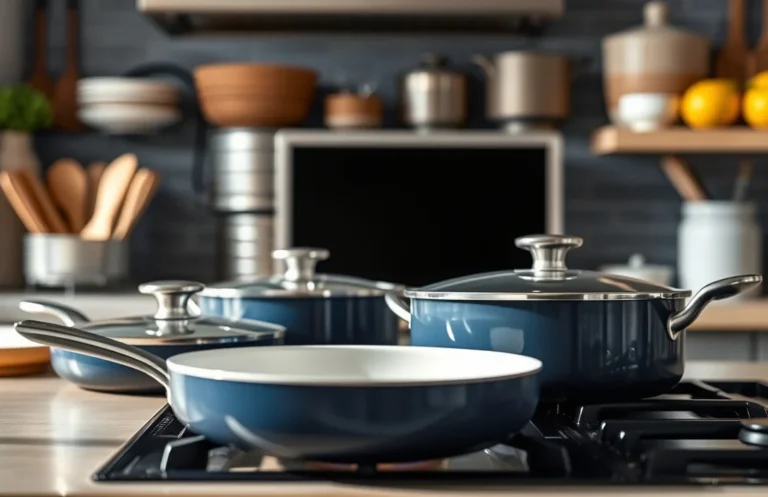
Ceramic titanium cookware is generally safe for most people when you use a real ceramic nonstick coating over a stable metal core and you cook normally. The safety issue is not the word “titanium” – it’s whether the ceramic barrier stays intact. If the coating chips, flakes, or you can see bare metal, stop using that pan because you lose the controlled nonstick layer that keeps food from contacting the underlying surface. Heat and tools matter just as much as the label: higher temperatures and metal utensils wear ceramic coatings faster than people expect.
Ceramic titanium cookware is safe for food when the coating stays intact and you stay within the manufacturer’s temperature limits. Once the surface is damaged, you can’t reliably control what touches your food, so the direct rule is simple: replace the pan or stop using that piece if the coating looks worn through.
Key Takeaways
- Safety depends on coating integrity. If it chips and exposes metal, replace the pan or stop using that piece.
- Heat matters more than marketing. High heat can degrade ceramic coatings faster than you expect.
- Avoid metal utensils. Ceramic coatings scratch easily, and scratches are where performance and safety concerns start.
- Check for clear manufacturer guidance. Real brands state temperature limits and use instructions.
- Look for credible food-contact testing claims. Any cookware should have food-contact testing claims you can verify.
- Use common food-safety habits. Wash properly, don’t cook on damaged surfaces, and discard warped or heavily worn pans.
What “ceramic titanium cookware” usually means
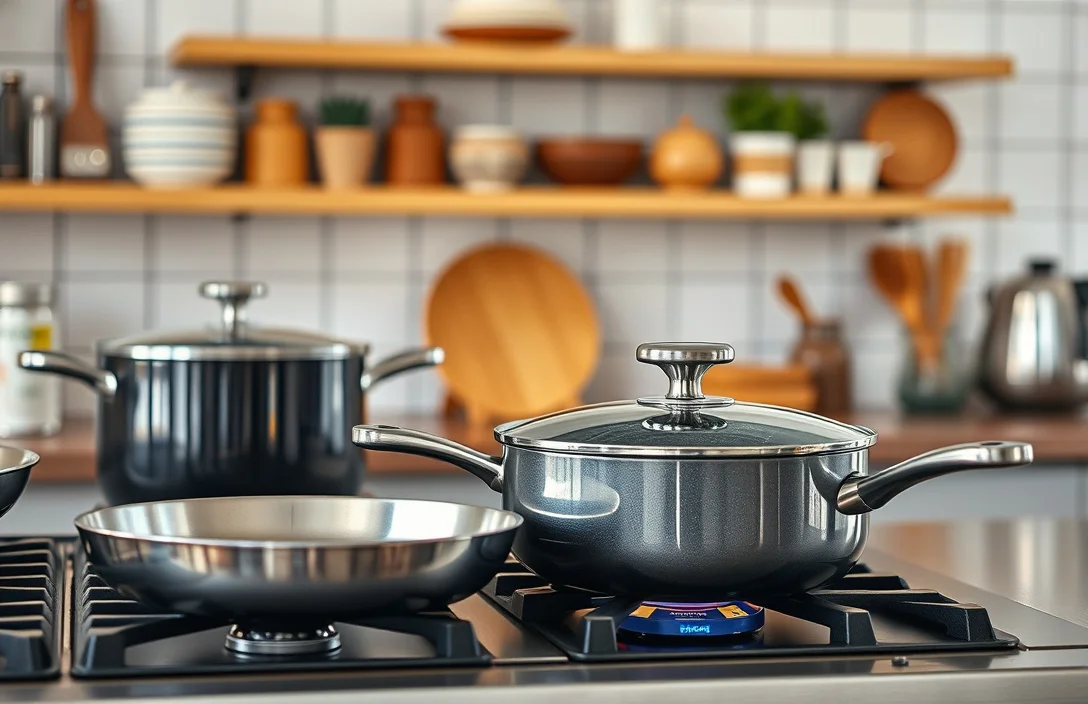
“Ceramic titanium cookware” usually refers to a metal pan (often aluminum) with a ceramic-based nonstick surface, with “titanium” used in the marketing. That’s why the safety question is really about the ceramic coating – not the base metal and not the titanium wording.
Ceramic coatings are built for food contact, but they aren’t indestructible. When the coating degrades, chips, or scratches, the barrier that separates food from the pan stops working the way you want. So ceramic titanium cookware is safe in everyday use when the coating stays in good condition and you use it as directed, and it’s not a good idea when the surface looks visibly damaged.
Things that matter most
The safest use-case is normal stovetop cooking without extreme preheating or aggressive tools. Many people shorten coating life by heating empty pans, running full power on electric burners, or using metal spatulas and scouring pads. As the coating deteriorates, you’ll often notice discoloration, stickiness, rough texture, or flaking – and that’s the point to stop using the pan.
The “titanium” part can be confusing. Sometimes it refers to reinforcement in the coating; sometimes it’s just marketing language. Two pans that both say “ceramic titanium” can still differ in coating thickness, curing process, and stated temperature tolerance, so your safest guide is always the brand’s usage instructions – not the label alone.
Before and during use, focus on these checks:
- Inspect for chips and wear often. Look for flaking, peeling, or bare patches.
- Respect temperature guidance. Follow the manual if it says low or medium.
- Use non-scratch tools. Silicone, wood, and nylon are the usual right choice.
- Avoid high-heat preheating. Don’t heat empty pans until they’re “super hot” – let them warm gradually.
- Stop when the surface is compromised. Replace the pan if you feel rough spots or see coating loss.
Practical tips that protect both performance and safety
Start with preheating. Many ceramic-coated pans handle gradual heat better because sudden temperature jumps stress the coating. Use medium heat for most cooking and adjust upward only when the food needs it – not because the pan feels “not hot yet.” If you’re used to cast iron or stainless, you may need to change how long you let the pan heat before adding food.
Use the right utensils and cleaning method from day one. Metal spatulas, forks, and abrasive scrubbers scratch the coating. Once scratches build up, food sticks more, and you end up scrubbing harder, which accelerates wear. For cleaning, soak when needed, use soft sponges, and avoid scraping the surface like you would with stainless.
A simple routine that reduces coating damage:
- Preheat briefly on medium. Warm gradually, not aggressively.
- Cook with nonstick-safe utensils. Silicone or wood beats metal every time.
- Control the flame or burner size. Keep direct heat smaller than the pan base.
- Clean gently after cooling. Soak, then wipe or use a soft sponge.
- Replace if coating flakes. If you see peeling, stop using that pan.
Watch discoloration closely. Light, normal darkening can happen with nonstick coatings after oils and spices. Heavy spotting, tackiness that doesn’t improve, or visible flaking are not problems to “tough out.”
Benefits ceramic titanium cookware can deliver (and where they end)
Ceramic titanium cookware can work well if you want food release with less reliance on oil. People often buy it for eggs, omelets, delicate fish, and quick sautéing. Compared with early generations of older-style nonstick coatings, ceramic-style surfaces are often marketed as more scratch-resistant – but they still require gentle handling to keep working well.
Cleaning is usually easier than rough-scrubbing metal pans. Many residues wipe out with less effort, which matters because harsh cleaning is one of the fastest ways to ruin nonstick.
The trade-off is heat sensitivity. Ceramic coatings can lose nonstick behavior when the pan gets over-hot or when the surface is scratched or worn. If you want a cookware surface that tolerates metal utensils and high searing temperatures without worrying, ceramic titanium may frustrate you.
How to shop for safer ceramic “titanium” pans
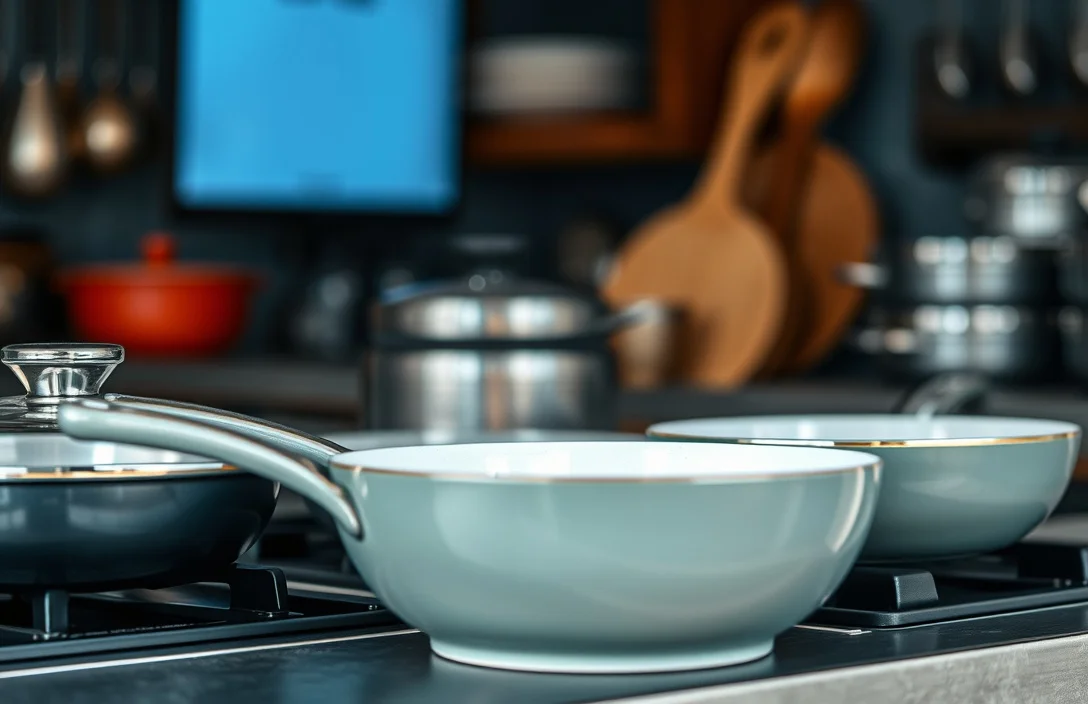
Shop by construction details and care instructions, not just the name. Look for a brand that clearly states the coating type, recommended temperature range, and whether the cookware is oven-safe (if you care about oven use). If the listing is vague, you’re guessing how the coating will hold up under your routine.
You’ll usually see three categories:
- Ceramic nonstick with “titanium” branding. Usually a ceramic-based surface, with “titanium” used for reinforcement or marketing.
- Hybrid coatings with multiple layers. Often described as ceramic plus polymer or ceramic plus mineral mixes, which can change durability and performance.
- Plain ceramic nonstick without titanium language. Similar user experience, with less confusing labeling.
If you care about value, focus on cost per usable year, not just the purchase price. Nonstick cookware is a consumable category. The “how long it lasts” part depends heavily on heat discipline, utensil choice, and how often you replace scratched pans. Since exact pricing and durability numbers change, buy from a seller with easy returns and clear care instructions.
what to choose
| Option type | Key spec to look for | Best for | Watch-outs |
|---|---|---|---|
| Ceramic nonstick (with clear manual) | Stated temperature limits, care steps | Everyday eggs, sauces, low-medium heat cooking | Can lose nonstick if overheated |
| Ceramic nonstick (vague listing) | Limited or no temperature guidance | If return policy is strong | Hard to know safe heat range |
| Multi-layer hybrid “titanium” style | Specific coating layers and usage notes | People who baby pans less | Still needs non-scratch tools and gentle cleaning |
The safety checklist I’d use before cooking
If the surface is damaged, stop using it for food. That’s the clearest home boundary. Ceramic coatings act as the barrier, and once the barrier fails, you lose the nonstick layer that controls contact with your meal.
Then manage heat and utensils. The most common failure pattern with nonstick-type coatings is user behavior: high heat, empty-pan preheating, and metal utensils. That doesn’t mean you can’t cook – it means you should cook within the coating’s design limits. If your routine includes intense searing, high-output deglazing, and frequent scraping, stainless steel or cast iron fits that style better.
Be cautious with “miracle” claims. If a product page promises unlimited high heat tolerance, metal-safe scraping, or “never wears out,” treat it as a red flag. Nonstick coatings do not last forever, titanium wording included.
Safer-use checklist:
- Follow temperature guidance. Start low, then adjust gradually.
- Avoid empty-pan overheating. Preheat briefly with food nearby or for a short time.
- Use non-metal utensils. Silicone, nylon, or wood.
- Replace when coating fails. Peeling or flaking means replacement.
- Use nonstick-safe cleaning. Soft sponge and mild dish soap.
Examples that show how it goes in real kitchens
In one kitchen, breakfast starts with gradual preheating on medium, silicone utensils, and gentle cleaning. The coating stays smooth, eggs release easily, and the pan remains pleasant to cook with for months.
In another kitchen, the pan sits on high heat while someone preheats the burner like a stainless skillet. After food goes in, the cook scrapes hard with a metal turner. A few weeks later, the surface looks rough, food sticks, and cleaning gets more abrasive – which speeds up the cycle.
Tomato sauce is another common stress test. Ceramic nonstick pans often handle sauces at medium heat, but frequent high-heat reduction or boiling can wear the coating faster over time. If your routine demands aggressive boiling, a stainless pot designed for that thermal stress may last longer – and the point isn’t panic, it’s matching the cookware to how you cook.
Cleaning habits can decide whether a pan ages well. Soaking and using a soft sponge removes residue without damaging the coating. Using scouring pads creates micro-scratches that make sticking worse, and sticking leads to more scrubbing. Those scratches are where wear accelerates, which then feeds into both performance loss and the point where you should replace the pan.
FAQ
Is ceramic titanium cookware safe for everyday cooking in the United States?
Ceramic titanium cookware is generally safe for everyday cooking if the ceramic nonstick surface stays intact and you follow the manufacturer’s heat and utensil guidance. If the coating chips, peels, or you see bare metal, stop using that pan for food. Gentle cleaning and medium heat help the coating keep functioning as the barrier.
What temperature can ceramic titanium cookware handle safely?
Safe temperature depends on the specific brand and coating formulation, because “ceramic titanium” is not one standardized product. Check the product manual or packaging for the stated temperature limit and cook below that range. If you can’t find limits, start with low to medium heat and avoid empty-pan preheating.
Does ceramic titanium cookware release toxins if it gets scratched?
A scratched or worn coating means the barrier is degrading. If you see flaking or peeling, replace the pan because you can’t reliably prevent coating material or exposed base metal from contacting food. The safest approach is visual inspection plus good heat and utensil habits.
How do I clean ceramic titanium cookware without damaging it?
Let the pan cool first, then soak if anything is stuck. Use a soft sponge or non-scratch brush with mild dish soap, and avoid scouring pads or metal scrapers. For baked-on oil, gentle soaking usually works better than aggressive scrubbing.
What’s a common mistake people make with ceramic titanium cookware?
The biggest mistake is treating it like stainless steel: using metal utensils and high heat. That combo speeds up coating wear, causing sticking and a rough surface. Another frequent mistake is overheating an empty pan, which stresses the coating faster than normal cooking.

- 10 Best Slow Cooker For Mess Free Cooking 2026 (Tested And Reviewed) - October 24, 2026
- 10 Best Slow Cooker With Leak Resistant Lid 2026 (Tested And Reviewed) - October 24, 2026
- 10 Best Slow Cooker With Spill Proof Design 2026 (Tested And Reviewed) - October 24, 2026