
Gasket For Mirro Pressure Cooker In 4 Easy Steps
A failing gasket is the most common reason a Mirro pressure cooker won’t build pressure, vents steam, or leaks at the rim. The gasket is a simple ring of material, but it has to seal evenly under compression every time. This guide helps you pick the right gasket for your Mirro pressure cooker, understand why gaskets fail, and troubleshoot leaks without guesswork.
Gasket for Mirro Pressure Cooker Replacement Fit
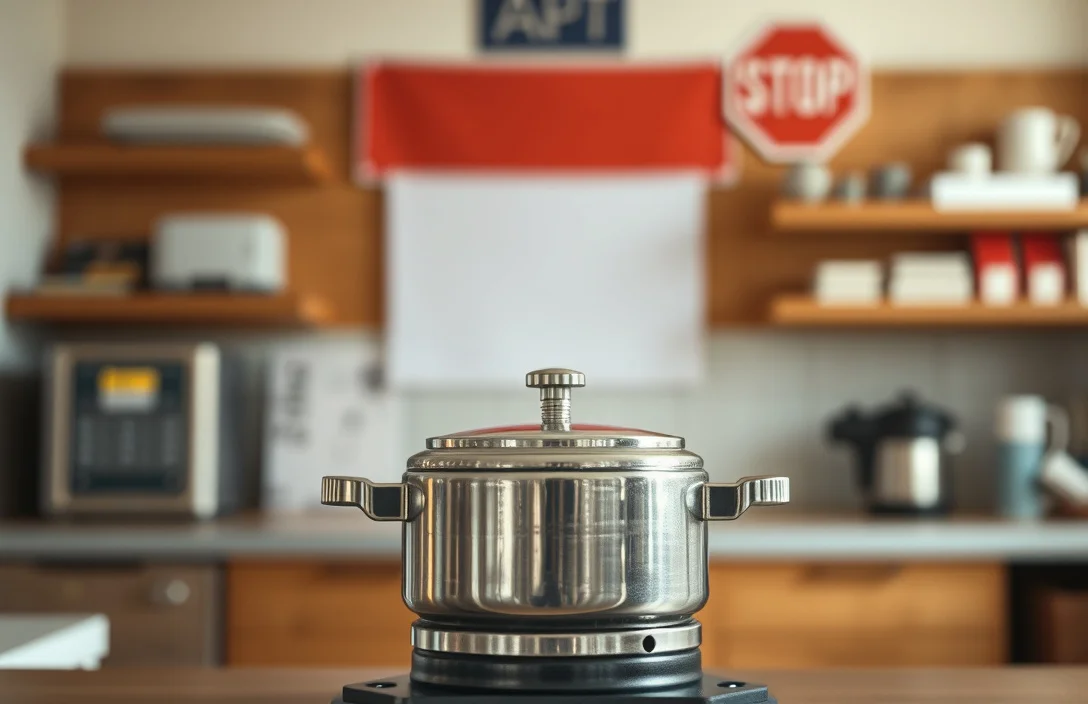
The gasket for a Mirro pressure cooker replacement fit has to match your lid’s groove geometry and sealing thickness, not just the “same diameter.” The lid and base surfaces are designed with a specific gap and compression distance, and the gasket has to land in the right place to block steam escape.
Start by identifying your pressure cooker model number (often printed on the bottom or inside the lid area). If you can’t find it, remove the old gasket and measure the sealing portion – the part that actually contacts the lid – plus the gasket’s overall cross-section thickness. Then compare those measurements to the replacement listing. If the replacement is thinner or thicker than your original, you may still see pressure at first, but the seal will be inconsistent over time.
Fit is also about clean contact. Any food residue, burnt-on grease, or old gasket fragments in the lid groove prevent full compression. Clean the groove with warm water and a soft brush, then confirm the gasket seats flat all the way around with no twist.
Key Takeaways
- Match your model. Mirro gaskets are specific to lid and base geometry, so buy by model number first.
- Seal compression matters. The gasket must compress evenly to fill minor surface irregularities.
- Material choice affects life. Heat, steam chemistry, and repeated cycling harden rubber-like materials faster than you expect.
- Leaks are usually fit issues. Warped lids, debris, and uneven seating cause most rim steam leaks.
- Torque consistently. Re-tightening unevenly can reduce sealing force on one side.
- Replace on symptoms. If it’s flattened, cracked, or smells scorched, replace it rather than reusing.
How Do Gaskets Work in Pressure Cookers?
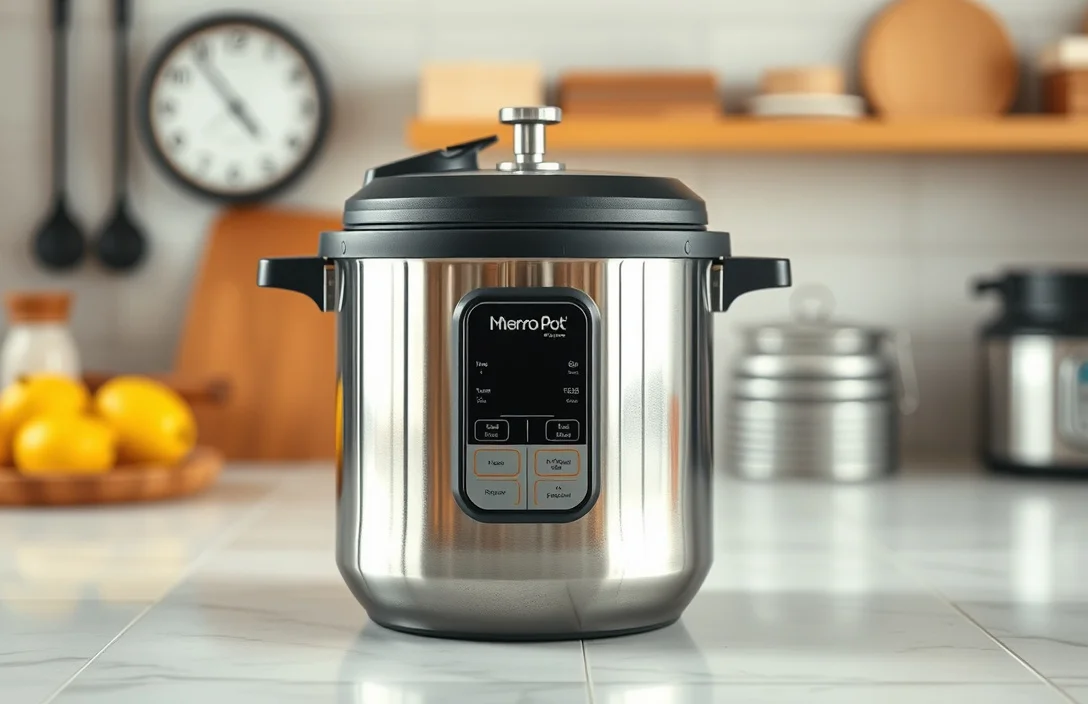
A gasket is a mechanical seal that fills the space between two mating surfaces so the joint stays leak-tight when compressed. In a pressure cooker, the gasket is the deformable barrier between the lid and the rim, and the locking mechanism provides the squeezing force that makes the seal work.
Gaskets work because most mating surfaces aren’t perfectly smooth. Even when metal looks clean, there are tiny machining marks and micro gaps. The gasket material deforms to fill those irregularities, so steam can’t find a path through the joint.
The seal depends on being held under the right compression – especially during heating and pressurizing. If the gasket is too thick, too thin, or not seated fully in its groove, compression drops where you need it most. That shows up as steam venting at the rim, wet food around the lid edge, or slower-than-normal pressure rise.
What Gasket Materials Handle Heat and Pressure?
Rubber-style gaskets are common for pressure cookers because they deform easily and seal well when compressed. The trade-off is that repeated heat cycles and exposure to steam and food residues harden and shrink rubber-like materials over time, so they stop “springing back” and maintaining a tight seal.
You may also see composite and specialty gasket materials in other high-pressure settings, including PTFE, mica-containing blends, and spiral-wound constructions. Those materials are chosen for extreme temperature, chemical resistance, or industrial sealing behavior, but they’re not automatically appropriate for a consumer pressure cooker lid. The sealing groove and compression design often assume a softer, more elastic elastomer.
For your Mirro pressure cooker, the practical rule is simple: use the material type designed for that lid system. If your replacement is described as the correct Mirro gasket material, stick with that instead of “upgrading” to something different. A stiffer gasket can look durable but won’t deform enough to fill micro gaps – and it leaks anyway.
| Gasket Type | Key Material Characteristics | Best Fit Situations |
|---|---|---|
| Elastomer (common in cookware) | Deforms easily, seals micro gaps, wears/hardens with heat cycles | Consumer pressure cookers where the groove compression is designed for soft seals |
| PTFE-style (often stiffer) | Chemically resistant, less elastic than many rubbers | Applications needing chemical resistance where sealing geometry matches PTFE behavior |
| Mica/graphite-containing blends | High-temperature stability, often in specialized sealing designs | Industrial high-temperature steam or chemical service designs, not always consumer cooker lids |
| Spiral-wound (industrial) | Multi-layer sealing, depends on industrial bolt loads | High-pressure industrial flanges, not typical cooker lid joints |

Helpful pick
S-9891 Gasket for Mirro/Mirro Matic Pressure Cooker Models M-0396 M-0398, 10.5 Inch Inner Diameter Seal Ring, High Temperature Resistant Rubber Gasket (1 Pcs)
High-temperature resistant rubber gaskets stand up to repeated heat cycles and pressure.
Why Mirro Pressure Cooker Gaskets Fail
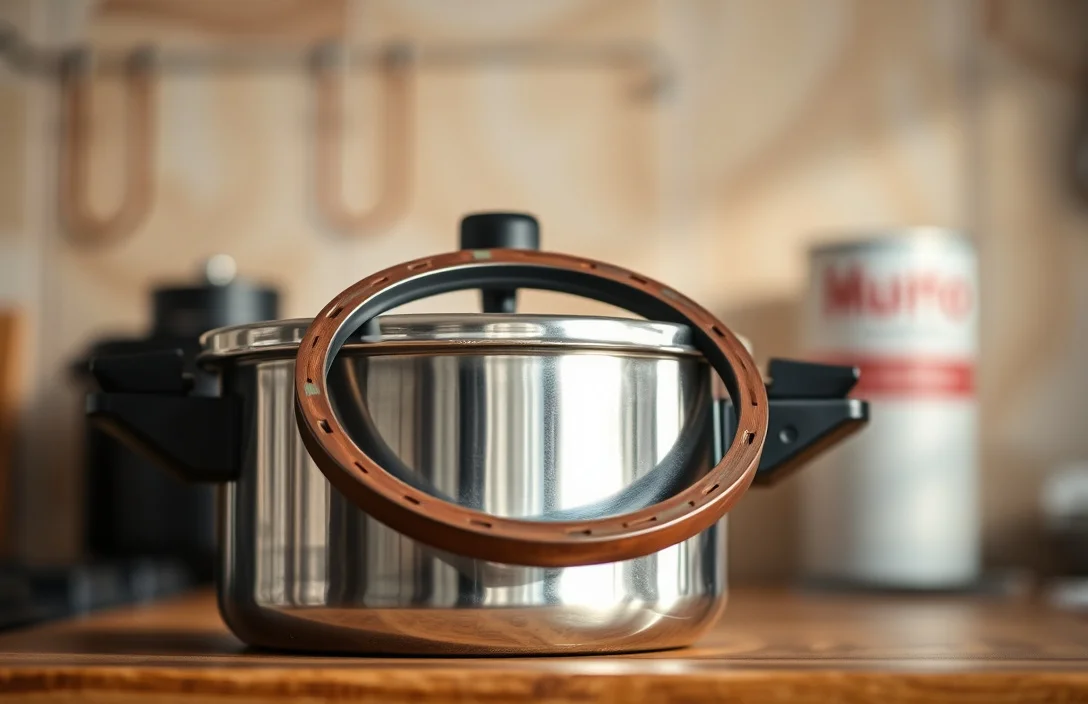
Mirro pressure cooker gaskets fail for predictable reasons: aging, incorrect seating, and damage from handling or cleaning. Over time, the gasket can harden, crack, or take a permanent set – flattened spots. Once it loses elasticity, it can’t maintain a tight seal under compression.
Storage and handling damage is another big culprit. If a gasket sits flattened in a drawer or gets pinched during storage, it may not round back out. You might still get pressure briefly, then develop a leak path at the damaged section.
Food residue and heat-baked grease also matter. Residue can keep the gasket from seating fully in the groove, and burned deposits can create a hard spot that prevents uniform compression. That produces steam leaks on one side – the same clock position again and again.
Those symptoms usually mean replacement is the right move:
- Visible cracking or chunking.
- Flattened or ovalized gasket shape.
- Gasket feels stiff instead of springy.
- Persistent rim leaks even after cleaning and re-seating.
- Burnt smell from the gasket area.
Replacing a worn gasket is usually cheaper than troubleshooting a seal that can’t deform anymore.

Helpful pick
Replacement Mirro Pressure Canner Gasket S-9882 for Mirro Pressure Cooker Gasket M-0512, M-0522, M-0312, M-0312, M-0622 – Fits 12 qt & 22 qt
Replacement gaskets restore elasticity and seal integrity for aging Mirro units, addressing cracking and permanent flattening.
Uneven Sealing Pressure Causes Leaks
Uneven sealing pressure is one of the most common leak causes, even when the gasket is the correct model. Pressure cookers tighten the lid in a way that creates circumferential compression. If that compression is uneven, the gasket won’t seal all around.
Uneven pressure can come from debris under the lid, a gasket twisted in the groove, or a lid that’s slightly warped. It can also happen when the locking mechanism doesn’t land the same way each time because of worn parts or inconsistent user technique.
The leak pattern tells you where to look:
- Steam venting mostly at one spot or a consistent wet trail on one side suggests localized loss of compression.
- Steam leaking evenly all around often points to the wrong gasket size or a gasket that isn’t seating fully around the entire ring.
Fix approach (no guessing):
- Clean lid groove and mating surfaces until no residue remains.
- Install the gasket so it sits flat with no twist.
- Close and lock the lid consistently.
- Check for leaks before cooking full loads, especially with wet soups or foamy foods.

Helpful pick
S-3440 Mirro Gasket for Pressure Canners Fits M-312, M-312-35, M-406, M-416, M-512, M-512-11, M-522, M-526, M-526-11, M-622 for Models Made Before January 1983.
Provides a fresh gasket to restore even sealing in Mirro pressure cookers, reducing leaks.
Stress Relaxation and Torque Loss on Gaskets
Stress relaxation is when a gasket material slowly loses some clamping force after being compressed. In a pressure cooker, that means the gasket can seal at first, then gradually become less effective as it heats, cools, and goes through repeated compression cycles.
Even with a perfect installation, repeated locking can reduce sealing force if the closure mechanism stretches or the gasket creeps into its natural shape. You see it as leaks that become more frequent over weeks, not days. It also explains why a gasket might feel fine when cold but leak when hot – material behavior changes under heat and pressure.
Torque loss matters because these cookers rely on consistent compression, not just “getting it closed.” If your locking method varies from cook to cook, you create different compression forces. Once the sealing force drops below what’s needed to fill micro gaps, steam finds a path at the rim.
Practical ways to reduce the risk:
- Replace the gasket at the first sign of hardening or permanent set.
- Clean the groove so the gasket isn’t pre-loaded against debris.
- Lock the lid the same way every time, and avoid forcing it past a mechanical stop.
Selecting the Right Mirro Gasket Size and Material
Selecting the right Mirro gasket size and material is a two-part match: fit the lid groove and match the intended compression behavior. The safest path is a model-specific replacement because Mirro designs the gasket to work with that lid and base geometry.
When ordering online, use the compatibility info on the listing as the first gate. If compatibility isn’t clear, measure your old gasket carefully. Record:
- The gasket sealing height – the part that sits between lid and base.
- The gasket cross-section thickness – how “fat” the ring is.
- The inner and outer diameters of the contact ring, if measurable.
Dry-fitting makes the difference easier to see. After you install the gasket in the groove, it should sit without twisting and should not protrude oddly in one section. If it looks pinched, rolled, or stands proud, don’t assume it will “work itself out” under pressure. It usually won’t.
Material selection should follow the replacement description. If the gasket is sold as the correct Mirro part, assume the manufacturer chose the elastomer behavior for your lid system. If you consider a substitute, remember that stiffness and elasticity change how the gasket fills microscopic gaps under compression – and that’s exactly what keeps steam from escaping.
FAQ
What gasket fits my Mirro pressure cooker if I don’t know the model number?
Measure the old gasket’s sealing cross-section thickness and its inner and outer diameters (or the contact ring dimensions if you can’t measure the full ring). Compare those to the replacement listing, and confirm the replacement sits in your lid groove without twisting. If you can’t measure accurately, use the cooker’s identification info on the bottom or in the lid area to avoid buying a nearly-correct seal.
How do I know my Mirro pressure cooker gasket is installed correctly?
The gasket should sit flat in the lid groove with no twist or bunching. When you lock the lid, it should contact the rim evenly all around without visible gaps or pinched sections. After closing, inspect the rim area for any gasket sections that look rolled or pushed out of the groove before you start cooking.
Why does my Mirro pressure cooker leak from the lid even with a new gasket?
A new gasket can still leak if it isn’t seated flat, if there’s residue in the lid groove, or if the lid locking mechanism isn’t engaging consistently. Uneven sealing pressure often shows as leaks at a specific spot rather than evenly all around. Clean the groove thoroughly, re-seat the gasket, and lock the lid the same way each time.
How long does it take to replace a Mirro gasket?
Plan on about 10 to 20 minutes for a first-time replacement, including cleaning the groove. If the gasket is stuck or you need extra time to remove old residue, allow more time. You’re done when the gasket seats smoothly all the way around with no twist and the lid closes normally.
Can I use a gasket from a different pressure cooker brand or size?
Don’t rely on “close enough.” Small differences in gasket thickness, cross-section shape, and groove fit change compression and create leak paths. If you must substitute, match by measurements and lid geometry, then test for leaks using water on a low-stakes cycle. The safest option is the gasket sold specifically for your Mirro model.

- 10 Best Slow Cooker For Slow Cooking Legumes 2026 (Tested And Reviewed) - October 17, 2026
- 10 Best Slow Cooker For Slow Cooking Oxtail 2026 (Tested And Reviewed) - October 16, 2026
- 10 Best Slow Cooker For Slow Cooking Venison 2026 (Tested And Reviewed) - October 16, 2026