Deer Resistant Flowers For Pots: Which Work And Why
Deer love tender, easy-to-reach plants, and potted flowers are often exactly that. The right container setup can cut damage a lot, but “deer resistant” means fewer bites, not a guarantee that your plants stay untouched. This guide covers deer resistant flowers for pots, plus the soil, placement, and protection steps that usually make the biggest difference in the U.S.
what “works” in real life
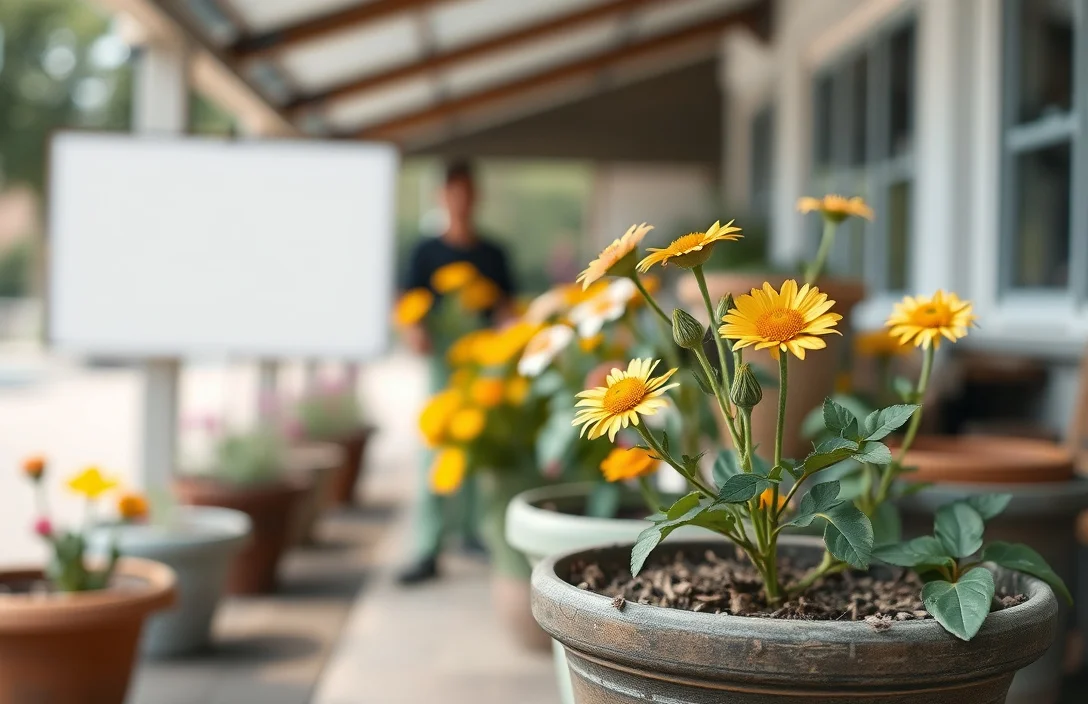
Deer resistant flowers for pots means two things: picking plants deer are less likely to browse and arranging them so deer have a harder time getting to them. Most gardeners get better results with tougher foliage, stronger scents, and repeat-blooming varieties in containers placed in less convenient spots. Protecting new pots for the first few weeks adds another layer of defense. Expect partial protection, not zero nibbling.
Key Takeaways
- Use tougher flowers by choosing plants with thicker leaves, strong scents, or fuzzy textures that feel less palatable.
- Avoid top “favorite” traits like highly succulent growth and intensely fragrant blooms deer can target quickly.
- Place pots strategically by keeping containers away from cover and sightlines that let deer approach unnoticed.
- Buy pot-friendly proven winners like ornamental grasses and certain hardy perennials that bounce back after light browsing.
- Pair for disruption by mixing heights and textures so deer have fewer “easy bites” in a straight line.
- Protect early by covering pots or fencing for the first 2-4 weeks after transplanting, when plants are most vulnerable.
Deer Resistant Flowers for Pots That Work
The most reliable deer resistance in pots comes from plants deer avoid and a setup that limits access. Deer behavior stays pretty consistent, but local pressure varies, so “best” depends on what’s available and what deer have learned to like. Deer browse heavily on what’s easiest and most nutritious in their area. In practice, the best pot flowers combine deer-unfriendly texture or scent with strong container performance.
For containers, I look for five traits: tougher or leathery foliage, bitter or pungent oils, hairs or waxy surfaces, strong vertical structure, and regrowth ability. Deer can still chew through anything if they’re hungry or if your pots are the only green option, but these traits usually reduce repeat visits.
A quick reality check: deer don’t all follow the same menu. Some become habit-makers, returning to the same plants night after night. Your job is to make that “habit plant” harder to access and less worth the effort to eat.
Container-friendly categories that tend to perform well include:
- Ornamental grasses (structure matters more than blossoms)
- Scented herbs and allies (where legal and practical in your planting plan)
- Hardy perennials with thicker leaves
- Some annuals that establish fast and don’t stay tender for long
- Plants with fuzzy, waxy, or deeply textured foliage
Which Pot Flowers Deer Avoid and Why
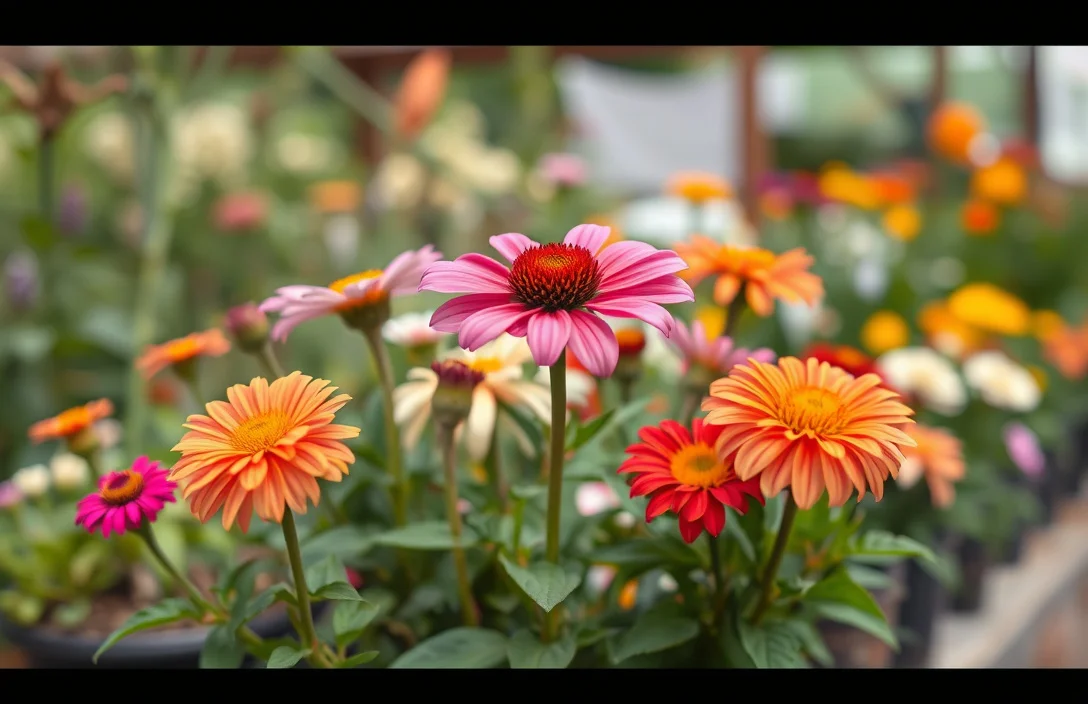
Deer tend to avoid plants that either taste bad, smell strong, or are physically hard to bite. Their feeding shifts with seasons and local conditions, which is why “always safe” lists don’t hold up in every yard. Still, deer often show less interest in plants with defensive traits.
Three factors drive the difference: nutrition, texture, and chemical defenses. Tender new growth is easier to strip, while tougher leaves resist chewing. Strong scents can deter from a distance, not just after the first bite.
Deer also choose based on risk. They feed where they can monitor threats and retreat quickly into cover. Pots that are visible and easy to reach get tested more often. If your layout forces deer to travel farther and stay exposed longer, they usually stop earlier.
Use these traits as a filter when selecting deer resistant flowers for pots:
- Thick, leathery leaves that don’t feel juicy
- Waxy or strongly textured foliage (reduces palatability)
- A pungent or herbal scent that stands out in the landscape
- Height and density that create “work” for their mouths
- Proven container performance so plants aren’t constantly stressed

Helpful pick
Eden Brothers Deer Resistant Wildflower Mixed Seeds for Planting, 1/4 lb, 120,000+ Seeds with Foxglove, Forget Me Not | Attracts Pollinators, Plant in Spring or Fall, Zones 3, 4, 5, 6, 7, 8, 9, 10
Provides a deer-resistant seed mix ideal for pots, delivering blooms while discouraging nibbling due to toughness.
Best Pot Soil and Placement to Reduce Browsing
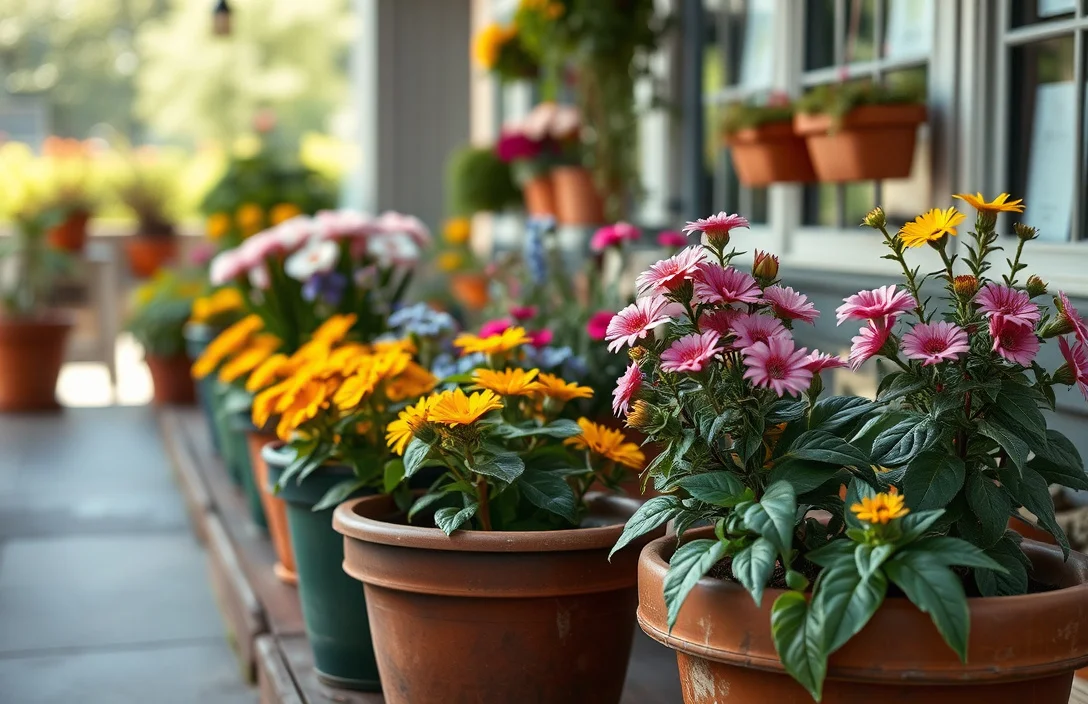
Good soil won’t make deer dislike your plants, but it helps you avoid the stressed, soft growth that deer prefer. In containers, stressed plants often grow thinner foliage and recover more slowly after minor chewing.
Use a container mix that drains well and doesn’t stay soggy. Deer are more likely to sample lush, fresh growth, so you want steady growth, not a cycle of drought stress followed by a flush of tender new leaves. For most container flowers, that means quality potting mix plus fertilizer that matches the plants’ needs.
Placement is the bigger lever in pots. If deer can approach from nearby cover and reach the plants quickly, they try more often. If deer have to cross open space or approach in a way that keeps them visible longer, they browse less.
Two placement moves I trust:
- Move pots out of the “runway” – don’t line them up along fences, hedges, or paths that deer use like highways.
- Increase visibility and reduce cover – keep the area around pots more open and avoid dense groundcover that creates hiding at deer height.
A practical setup:
- Place pots where you can watch them (porch steps, driveway edge), not tucked against the deepest cover.
- Space pots so deer cannot line up and reach multiple plants at once.
- Use higher stands for taller flowers so leaves are less accessible, without stretching them so high that wind whips the plants. Stressed plants attract more browsing.

Helpful pick
Deer Resistant Wildflower Seeds – 1oz, Open-Pollinated Flower Seed Mix Packet, No Fillers, Annual, Perennial Wildflower Seeds for Planting – 1 oz
Deer-resistant seeds provide low-browse options for container plantings, helping your pots stay lush and resilient.
Deer-Resistant Flower Choices for Containers
The best container picks often combine flowers with non-flower plants that hold shape. Deer may target blooms, but they also sample leaves and stems, especially tender parts. Build your container plan so you have both chew-tolerant plants and ones that don’t feel rewarding to bite.
This list includes container-friendly choices that commonly hold up in deer pressure. You still need to watch for local favorites, but these are solid starting points for deer resistant flowers for pots.
Solid pot options (start here)
- Ornamental grasses for structure and bite resistance
- Lavender for scent (in areas where it stays healthy in containers)
- Salvia types when you can keep them from getting overly soft
- Yarrow (Achillea) for tougher growth and regrowth
- Some hardy perennials with thicker leaves that don’t stay succulent
- Drought-tolerant annuals that don’t produce lots of tender, watery growth
Plants that often get tested (be cautious)
- Very soft-leaved bedding plants
- Lush, fast-growing climbers trained right over the pot line
- Plants with lots of tender, new spring growth unless you protect them early
When you buy, check the growth stage. Deer often prefer what’s freshest and tender. A mature, hardened-off plant holds up better than a fresh transplant still making fragile leaves.
Helpful pick
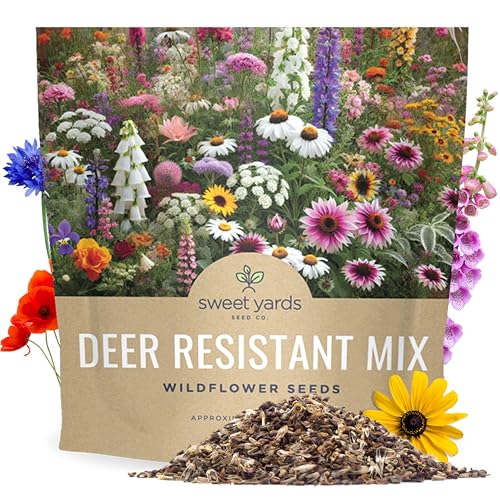
Deer Resistant Wildflower Seed Mixture – Bulk 1 Ounce Packet – Over 15,000 Deer Tolerant Seeds – Open Pollinated and Non GMO
Adds a diverse, deer-tolerant bloom mix that thrives in pots while mixed with structural foliage.
How to Pair Container Flowers for Better Deer Protection
Pairing isn’t just about looks. It’s about making repeated, satisfying bites harder from one spot. Deer feed by reach, so your goal is to prevent one “target” plant from becoming the easiest option.
Start with vertical layering, then add scent and texture contrast. A dense center with tougher plants around it is harder to strip clean than a flat ring of similar, palatable growth.
A pairing approach that works well for porch containers:
- Base layer: tough, low plants or ornamental grasses that create structure
- Middle layer: your main container flowers (choose tougher, scent-forward varieties)
- Accent layer: one showiest bloom variety, kept among deterrent textures
A simple combo:
- Ornamental grass + a tougher perennial flower + one fragrant accent (don’t rely on one scent cue everywhere; mix it so deer can’t zero in on a single signal)
Avoid an “all-soft” container. If every plant stays lush and succulent, deer will keep chewing until the whole pot loses its value.
Pairing checklist:
- Mix textures (fuzzy/waxy vs smooth)
- Mix heights so deer can’t reach everything from one angle
- Keep the pot from becoming a single-color edible mass
- Include at least one plant that regrows quickly after light damage
How to Protect New Pots During the First Weeks
The first weeks are when deer resistant flowers for pots usually matter most. Newly transplanted containers have softer growth and weaker roots, and deer that find your pots early can train themselves to return. That’s how “deer resistant” plans turn into a weekly snack routine.
Protect for a short window, then shift toward deterrence only. The goal is to get plants past their most tender phase and into sturdier, stable foliage.
My practical rule is protection for 2-4 weeks after potting or major transplanting. After that, leaf thickness and established vigor usually reduce how often deer sample the plants.
Good early-window options:
- Physical barriers (small fencing, especially around clusters of pots)
- Row cover or netting when plants are small enough to drape safely
- Repellent products only as a backup, because deer can learn patterns and weather can wash repellents off quickly
- Temporarily move pots closer to activity or into less accessible positions for deer
Barrier tips:
- Don’t create a trap. Make sure deer cannot reach through or under it, and ensure it’s secure enough not to sag onto stems.
- With netting, leave enough room so it doesn’t rub leaves every time wind moves it.
The real aim is breaking the deer’s “first discovery” habit. One strong deterrence week can outweigh a month of repellent that deer ignore after the first few nights.
What To Change
If deer keep chewing after you’ve chosen decent plants and adjusted placement, stop repeating the same setup and hoping. Browsing is feedback, and you can tighten the plan quickly.
Common reasons deer keep returning:
- The plants are palatable in your microclimate
- Deer have learned your routine and feed when risk is low
- Pots are too accessible from nearby cover or too close to a travel lane
- Stress is creating tender new growth (watering or light issues)
Start with changes that are easiest to execute:
- Relocate pots a few feet or change the approach direction so deer can’t reach them from the same angle.
- Increase height barriers with stands or taller placement so they have to work harder to reach stems.
- Reduce the “target line” by breaking up how pots align along fences or walls.
- Switch one plant at a time – remove the most browsed variety first, not everything. Deer often have favorites.
Then check plant health. If containers dry out too much between waterings and then get soaked, plants push a growth flush deer love. Aim for steady moisture and stable growth so foliage isn’t constantly tender and fresh.
If you have especially persistent deer, stack the approaches for one season: barrier during the first weeks, stronger placement changes afterward, and then deterrence. Deer resistance in containers usually comes from multiple small advantages, not a single magic plant.
FAQ
What are the best deer resistant flowers for pots in the U.S.?
Choose container plants with tougher foliage, strong scent, or physical texture. Solid starting categories are ornamental grasses, lavender (where it thrives in your climate), and hardy perennials that don’t stay succulent. Matching those with firmer container growth and smarter placement matters as much as the plant name.
Do deer resistant flowers for pots actually stop deer completely?
No. Deer-resistant plants reduce browsing, they don’t make plants inedible. If pressure is high or weather limits food, deer will test more plants, especially tender new growth. The goal is fewer bites and less repeat feeding.
How long should I protect new potted flowers from deer?
Protect new pots for about 2-4 weeks after transplanting or repotting. That’s when foliage is most tender and when deer are most likely to discover and return. Once plants establish and get sturdier, you can usually reduce protection.
What’s the fastest change if my pots get eaten anyway?
Move and block access first. Reposition the pots so deer can’t approach from the same cover line, add height or a barrier if you can, and remove the single most browsed plant to prevent training. Keep plants healthy so you don’t get a constant flush of soft new growth.
Are there alternatives if I don’t want deer resistant flowers for pots?
Yes. If deer pressure is severe, use non-floral container structure like ornamental grasses and shrubs in large pots, or grow edible herbs in protected enclosures. You can also keep pots closer to high-traffic areas and use temporary barriers during the most vulnerable growth stage.
If you do one thing this week, choose a container plan with ornamental grasses plus tougher flowering plants, then protect pots for the first 2-4 weeks after planting. After that, adjust placement and swap out the one plant getting the most bites.

- 10 Best Slow Cooker For Mess Free Cooking 2026 (Tested And Reviewed) - October 24, 2026
- 10 Best Slow Cooker With Leak Resistant Lid 2026 (Tested And Reviewed) - October 24, 2026
- 10 Best Slow Cooker With Spill Proof Design 2026 (Tested And Reviewed) - October 24, 2026