Can Milkweed Grow In Pots?
Milkweed can grow in pots in the United States, but it comes with one major condition: the roots need space and the soil needs stable moisture. A container that dries out too quickly, or a pot that you wait too long to refresh, makes the plant struggle even if it looks fine for a while. Use the steps below to set yourself up for healthy growth and skip the usual missteps.
Milkweed does well in containers when you use a deep pot with drainage and keep the soil evenly moist without leaving it waterlogged. Start with at least a 12 inch (30 cm) deep container, fill it with fresh potting mix, and water when the top 1 inch feels dry. Expect the plant to expand over time, so you may need to upsize or refresh the mix to keep growth strong.
Key Takeaways
- Pots work. Milkweed grows in containers when you give it depth, drainage, and steady care.
- Root space comes first. Use a deep pot (about 12 inches/30 cm) so roots can spread out.
- Moisture has to stay consistent. Water when the top 1 inch dries, not on a fixed schedule.
- Light determines vigor. Aim for at least 6 hours of sun for better growth and more reliable flowering.
- Repot before it crowds. If growth slows, roots fill the pot, or drainage weakens, move up a size.
- Match the species to your setup. Pick a milkweed type suited to your region and your pot’s size.
What to Know About can milkweed grow in pots?
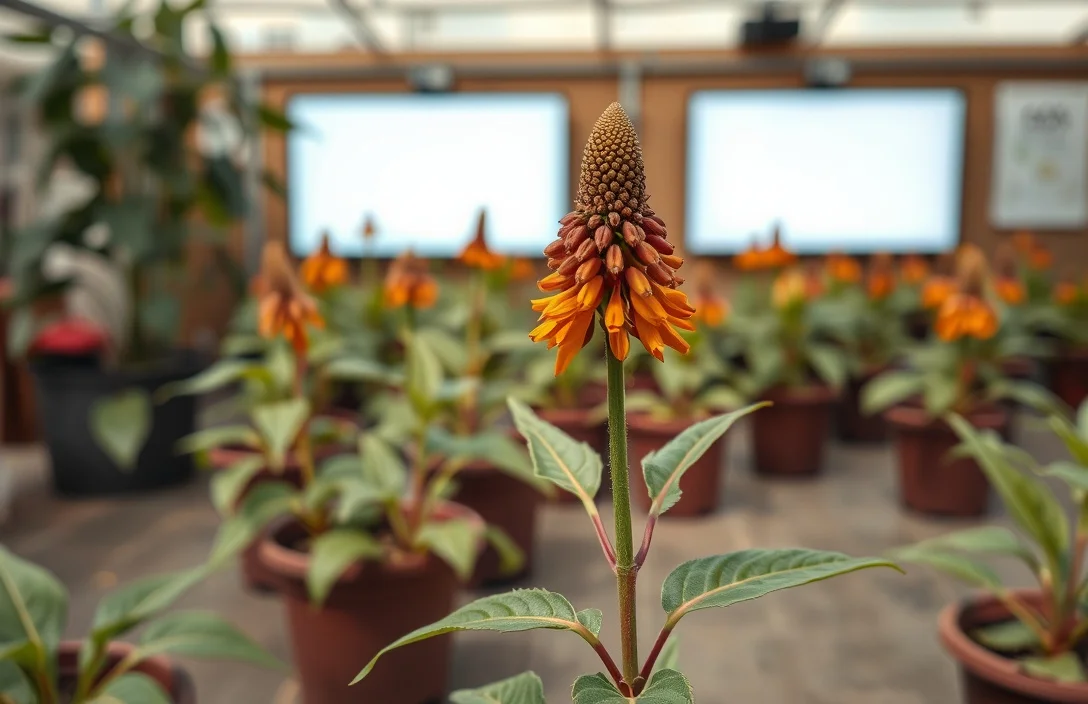
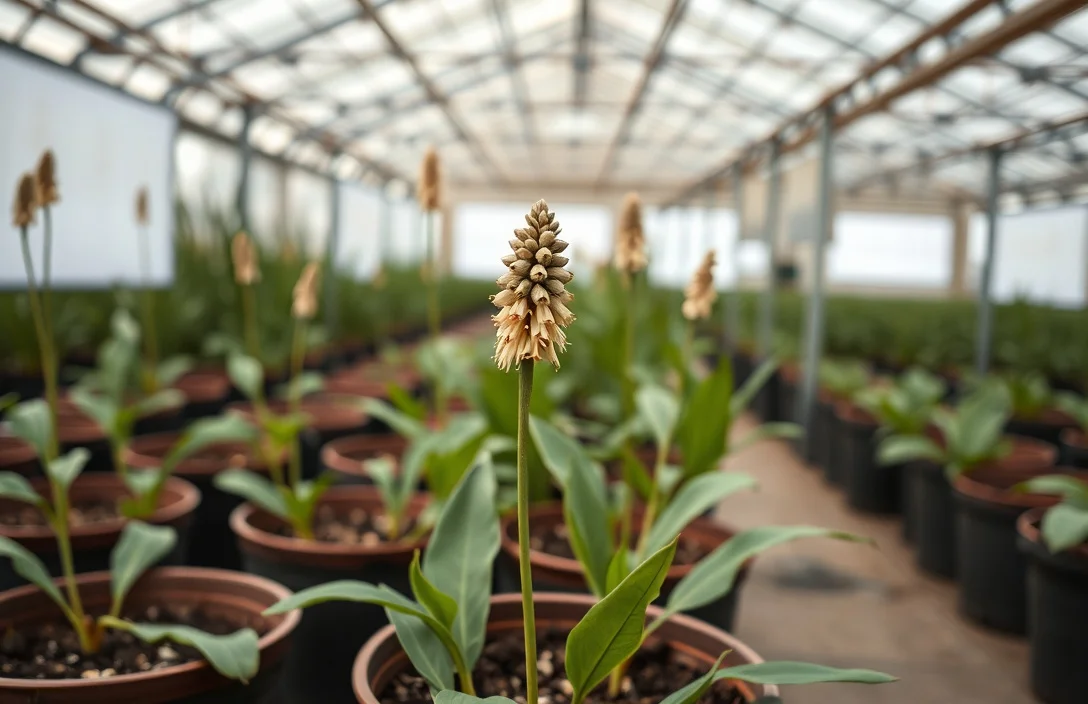
Yes, milkweed can grow in pots, as long as the container fits the plant’s growth habits. Many milkweeds build strong root systems, and a shallow pot limits performance even when the top looks okay at first. Pots also heat up and dry out faster than in-ground soil, which means watering needs tighter control.
“Milkweed” isn’t one plant, either. Different species across the U.S. vary in mature height, how quickly they spread, and how well they tolerate being contained. If you’re buying a nursery plant or seed packet, check the expected mature height and spacing so you don’t end up with a pot that’s too small.
Pests and pollinators are part of the package. Monarch butterflies depend on milkweed, but container plants can show stress sooner during heat waves, with wilting or leaf drop. The goal is to prevent that kind of stress so the plant can keep growing and supporting monarch activity.
Things that matter most
Most pot-grown milkweed issues come from three things you can control: pot size, watering, and sunlight. When those line up, milkweed usually behaves like a healthy perennial in a container and eventually flowers. When one factor slips, growth can slow, leaves may drop, and bloom may stall.
Drainage is non-negotiable. A container without drainage holes turns watering into guesswork, and soggy roots can cause rot and ongoing decline. Even with holes, use potting mix rather than garden soil so the roots get air, not just water.
Plan for temperature swings, too. Hot U.S. summers can dry containers quickly, and winter can freeze pots deeper than the ground. Repeated freeze-thaw cycles can stress roots depending on your climate.
Use this minimum checklist before you plant:
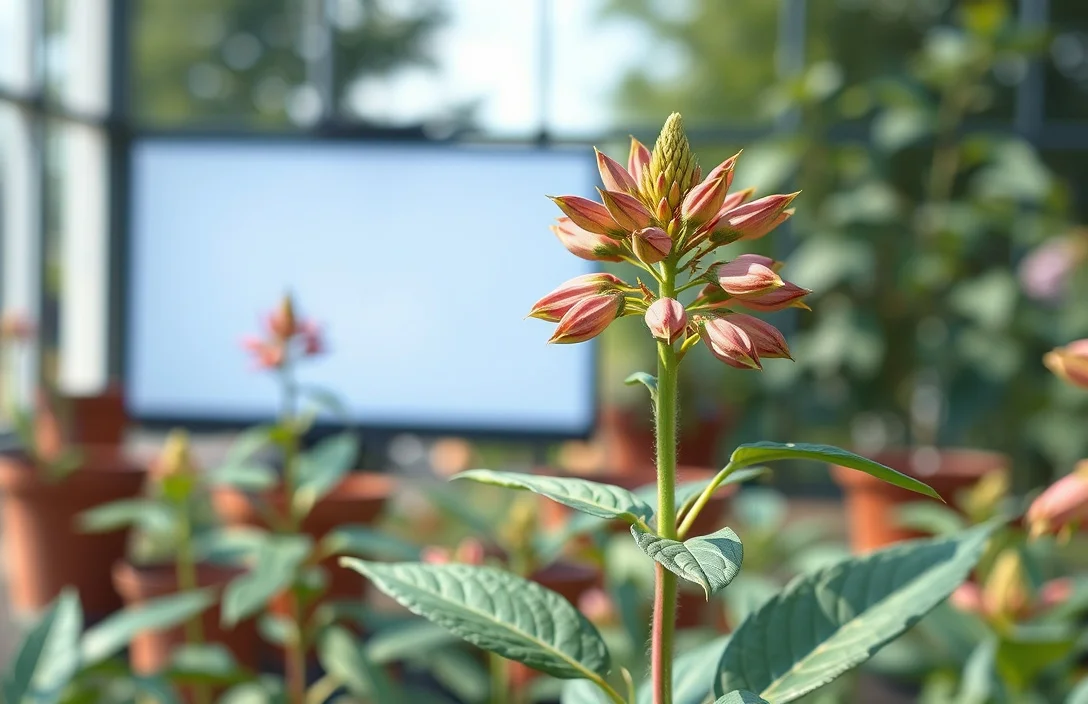
- Use a deep container with drainage holes.
- Choose a milkweed species that fits your sun and space.
- Expect to water more often in pots than in-ground.
- Use fresh potting mix and don’t let it dry out completely.
Tips for can milkweed grow in pots?
Start with container size and soil, then dial in watering and repot timing. Get those right and most of the “hard parts” turn into routine.
Choose depth over just width. A taller pot supports stability and root development, especially for milkweeds that need more room underground. If you’re deciding between a wider shallow tub and a narrower deeper one, pick deeper.
Water based on soil moisture, not the calendar. Push your finger into the mix and water when the top 1 inch (2.5 cm) is dry. Water thoroughly until you see water drain out the bottom, then empty the saucer if the pot sits in one.
Treat sun like a requirement. Milkweed generally performs best with full sun conditions, commonly around 6 hours or more. It can survive in partial shade, but it often grows weaker and flowers less reliably.
Plan to repot or refresh the mix. Potting mix breaks down and compacts, and nutrients run low. If drainage slows, roots start circling the container, or growth stalls, move up a size and/or refresh the mix rather than hoping it fixes itself.
A simple seasonal routine works well for many homeowners:
- Spring: Plant or repot, then water regularly as new growth starts.
- Summer: Check moisture frequently, especially during heat spells.
- Fall: Cut back slightly, but don’t let the pot fully dry out.
- Winter (cold climates): Protect the pot from extreme freeze-thaw or move it to a sheltered spot.
Benefits of can milkweed grow in pots?
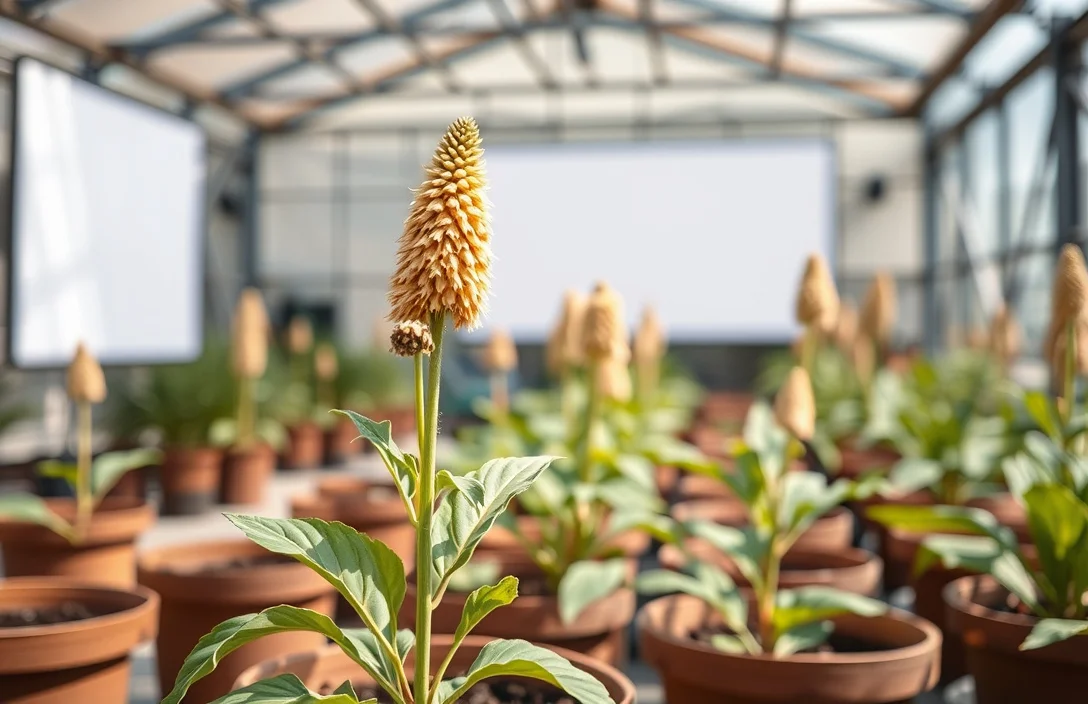
Milkweed in pots is a practical choice when your yard layout or soil makes in-ground planting harder. Containers let you place milkweed where it gets consistent sun, and they let you control soil conditions when the ground is rocky, compacted, or poorly draining.
Potted milkweed also helps you manage monarch habitat in a specific spot. You can position containers near patios, walkways, or garden beds where you’ll actually see caterpillars and adult butterflies. That makes it easier to catch problems early, like drying out or nutrient stress, before they turn into leaf loss.
Mobility is another real advantage. In places with harsh seasons or fast weather swings, you can move pots to sheltered areas, away from strong winds, or closer to optimal light. That flexibility is hard to replicate with in-ground planting.
Pots also make it easier to learn without committing to one location long-term. If you’re unsure which milkweed species fits your space, a container lets you try your approach and adjust next season. Just remember milkweed is a perennial for many people, so you’re not buying a temporary plant experience – you’re creating controlled conditions.
Options for can milkweed grow in pots?
Several container setups work, and the “best” option depends on your sun, climate, and available space.
Option 1: One milkweed per pot (best for simplicity). This keeps roots from competing and makes watering easier because you’re tailoring care to a single plant.
Option 2: A large pot with one milkweed plus companion annuals (best for looks). Companions can fill space, but you still have to manage watering correctly. Don’t plant companions so densely that they cast constant shade over the milkweed’s base, and avoid plants that create a dry surface layer that’s hard to re-wet.
Option 3: A grow bag (fastest and flexible, but requires careful watering). Grow bags drain well, but they dry out faster than rigid pots. If you’re away during hot weeks, that can become a problem.
Option 4: A pot with a protective winter plan (best for cold climates). When containers freeze hard, you’ll likely need insulation, moving the pot to a sheltered spot, or another form of protection. Without it, roots can get stressed repeatedly.
Pot type affects moisture too. Terracotta can help prevent waterlogging because it breathes, but it often dries faster than plastic or glazed ceramic. If you want “set-and-check” watering instead of daily monitoring, choose materials that don’t dry out immediately.
Expert Advice on can milkweed grow in pots?
Give milkweed in pots the same fundamentals you’d use in-ground, with extra attention to how containers behave. The key upgrade is treating potting mix like a living system that changes over time, not a static medium.
Prioritize drainage and root depth. When pots are too small, you often get normal-looking top growth for a bit, then a decline once roots hit the container limits. Upsizing earlier is usually easier than trying to fix a stressed, root-restricted plant later.
Skip heavy fertilizing. Milkweed typically doesn’t need a lot of feeding in normal garden conditions. In a pot, too much fertilizer can push lush growth that’s more vulnerable to issues, while still not solving root space limits or watering stress.
Watch for signals. Yellow leaves, slowed growth, or quick wilting after watering often point to a watering problem or root restriction. If the mix stays wet too long, the cause is usually drainage or potting mix choice.
Don’t ignore establishment time. Seed-started or freshly transplanted milkweed may look slow at first. Give it time to establish while still correcting the basics immediately: sun, drainage, and consistent moisture. “Slow” is fine. “Declining” isn’t.
Container gardening gives you control, but it also removes the soil buffering you get in the ground. Your job is to prevent extremes, especially the kind that come from drying out during heat.
can milkweed grow in pots?
A practical example is a monarch-supporting homeowner with limited yard space who plants milkweed in a large container near a sunny, patio-facing area. With a deep pot, drainage holes, and watering when the top inch dries, the plant grows steadily and eventually produces flowers. The homeowner also notices monarch activity because the container sits right where they spend time.
Another common scenario involves someone with clay soil who doesn’t want to fight with the yard. They move straight to containers, fill the pot with quality potting mix, place it in full sun, and check moisture regularly since summer containers can dry faster than expected. This avoids compaction and poor drainage that can derail in-ground planting.
For a cautious approach, some gardeners start in a smaller pot to “test fit,” then plan to move up. They monitor signs like circling roots, slower growth, and reduced flowering. When those show up, they repot into a larger container instead of forcing the plant to keep going while root-bound.
These examples all land on the same idea: potted milkweed is very doable when you plan for root space and keep watering consistent.
FAQ
Can milkweed grow in pots year-round in the United States?
Yes, but year-round success depends on winter conditions. In many places you can keep it outdoors with protection from hard freeze-thaw cycles, while colder areas may require insulating the pot or moving it to a sheltered spot. If your container freezes deeply repeatedly, roots can be stressed even if the plant looks fine aboveground.
What size pot do I need for milkweed in a container?
Start with a deep pot, commonly around 12 inches (30 cm) deep for many home setups. Larger pots dry more slowly and keep roots from getting constrained as quickly. If growth slows, roots circle the sides, or drainage becomes sluggish, increase the container size.
How often should I water potted milkweed?
Water when the top 1 inch (2.5 cm) of potting mix feels dry. Hot weather may mean checking daily, while cooler seasons may require less frequent watering. Always water thoroughly until you see drainage out the bottom, then remove excess water from any saucer.
Is milkweed in pots safe for monarchs and other pollinators?
Yes. Milkweed is the key food plant for monarch caterpillars, and adult monarchs use it for laying eggs when it’s available. In a pot, it’s still milkweed, so it can support the same life cycle as in-ground plants. The practical requirement is keeping the plant healthy and giving it enough sun to keep growing.
What’s the most common mistake people make growing milkweed in pots?
Using a pot that’s too small or letting the pot dry out too often. Under-sized containers limit root development, and dry-out stress can lead to leaf drop and weak or poor flowering. Fix it by upsizing and watering based on soil moisture rather than a strict routine.

- 10 Best Slow Cooker For Slow Cooking Legumes 2026 (Tested And Reviewed) - October 17, 2026
- 10 Best Slow Cooker For Slow Cooking Oxtail 2026 (Tested And Reviewed) - October 16, 2026
- 10 Best Slow Cooker For Slow Cooking Venison 2026 (Tested And Reviewed) - October 16, 2026