How To Clean The Metal Part Of A Slow Cooker?
Slow cookers love leaving baked-on food on the metal exterior and around the rim, especially after long, high-heat runs. The fix is simple, but the order matters: unplug first, keep water away from the heat base, then tackle stuck-on grime with the right cleaner. This guide helps you clean the metal part of a slow cooker safely and fast, even when there’s crust.
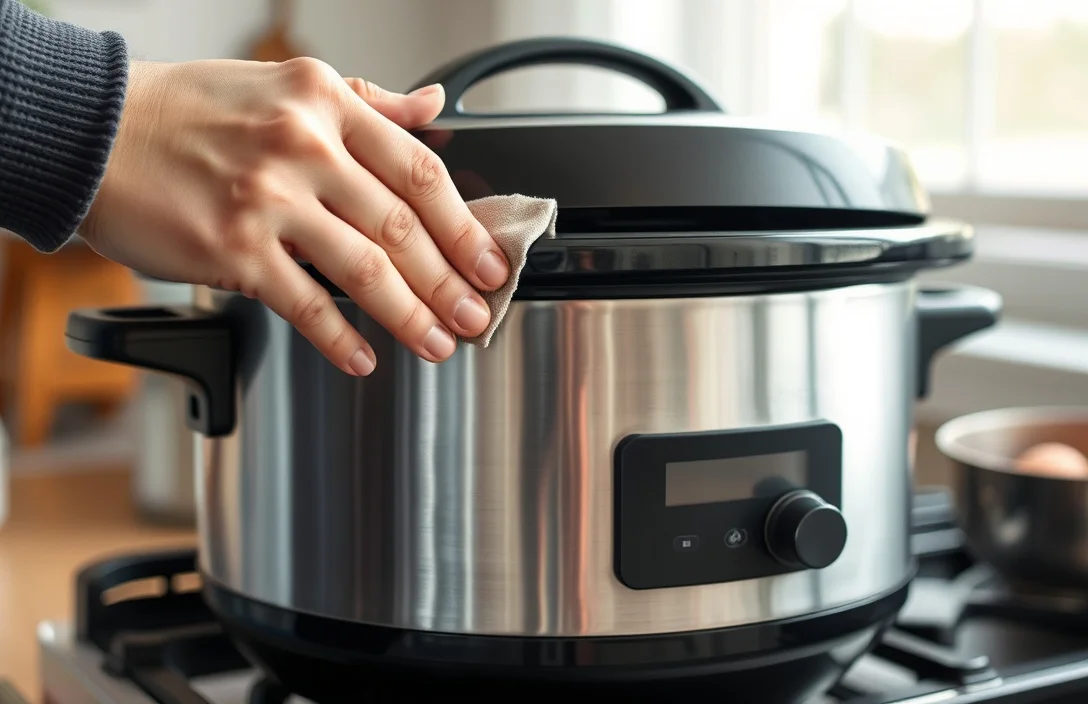
Metal parts on a slow cooker (the exterior and rim) should be cleaned with the unit unplugged and cool. Wipe with a damp cloth, then use a mild dish soap solution or baking-soda paste for stains. For baked-on bits, soften with warm soapy water for 5-10 minutes, then scrub gently with a non-scratch sponge.
Key Takeaways
- Unplug and cool down. Clean only when the cooker base is unplugged and fully cool to prevent burns and damage.
- Keep water off the base. Avoid soaking the heating element area, seams, and electrical parts.
- Start gentle first. Dish soap and warm water remove most greasy residue without scratching.
- Use baking soda paste. Baking soda paste lifts discoloration and light crust with minimal risk.
- Scrub with non-scratch tools. Use a soft sponge or microfiber, plus a plastic scraper for stubborn bits.
- Dry thoroughly. Wipe dry after cleaning so moisture does not sit in seams and around controls.
How to Clean the Metal Part
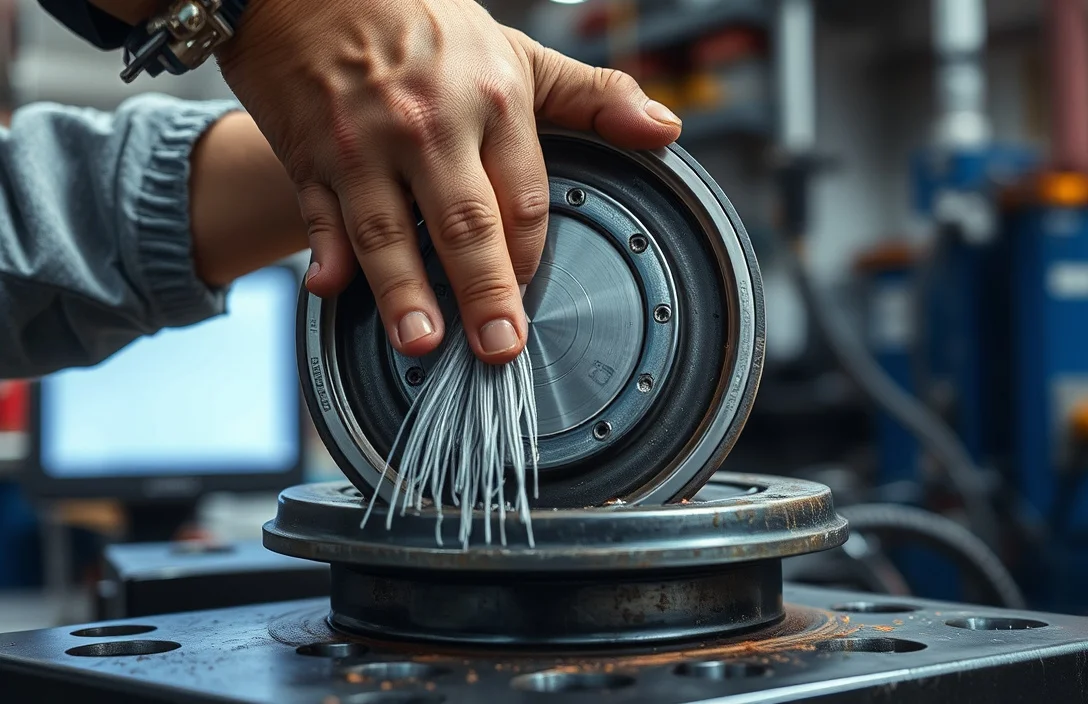
Unplug the slow cooker and let it cool completely. Remove the stoneware insert and lid if they’re still on the unit, so you can clean the metal exterior and rim without dragging residue across the glass/stone.
Grab a microfiber cloth or soft sponge, warm water, and a few drops of dish soap. For stubborn staining, use baking soda, and keep a non-scratch plastic scraper handy for crust.
Check the finish before you scrub. Stainless usually tolerates baking soda and light scrubbing better than painted or coated metal, which can dull or scratch with aggressive tools.
Protect the heat base: never run the slow cooker under water, and never pour cleaner into vents, seams, or around the control panel.
How to Clean the Metal Part
Warm, soapy wiping is the baseline because it cuts grease without attacking finishes. Most greasy film, splatter marks, and fingerprints come clean in about a minute or two.
Brown spots and hard residue need a two-step approach: soften first, scrub second. Let warm water and soap sit on the grime for 5-10 minutes, then scrub with gentle pressure. That keeps you from grinding particles into the metal and leaving scratches.
Baking soda paste works because it combines mild abrasion with cleaning power. Mix baking soda with a little water to make a spreadable paste, apply a thin layer to the stained spots, wait a few minutes, then scrub lightly.
Keep one rule straight: “safe to clean” does not mean “safe to soak.” Even if the metal surface tolerates moisture, the base and electrical components do not. The goal is to keep liquid off the heat base and out of gaps around the heating element.
How to Clean the Metal Part
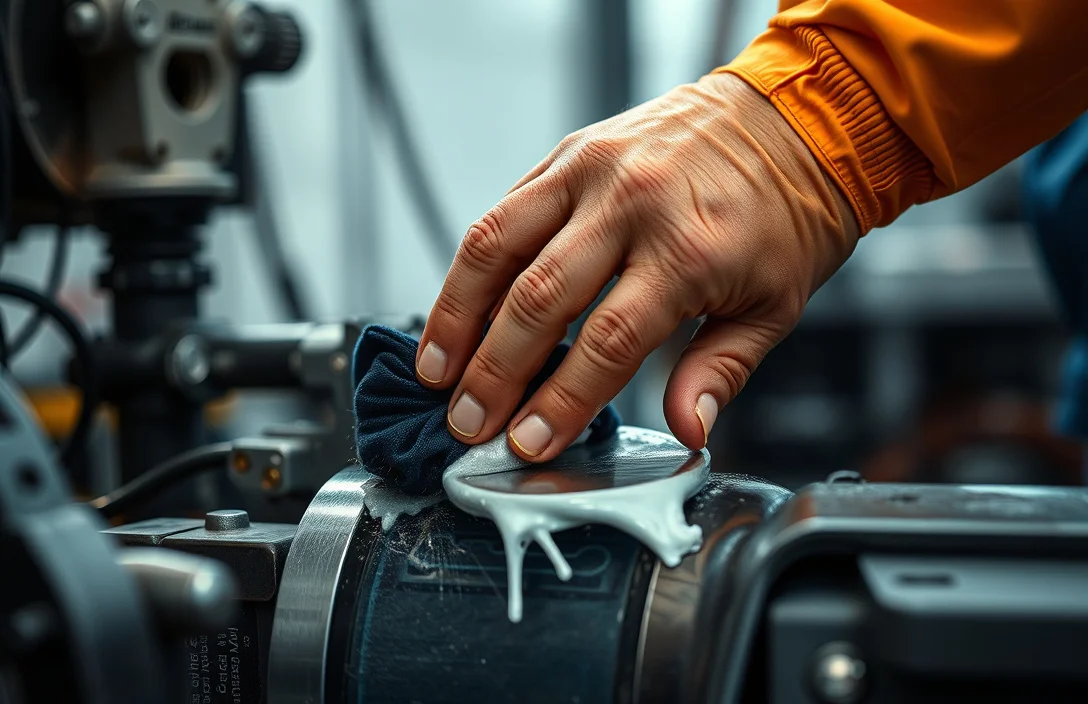
- Unplug the slow cooker. Wait until it’s fully cool to the touch, especially near the heat base and any control knobs.
- Remove the insert and lid. Clean the metal rim and exterior without dragging food residue across them.
- Wipe loose splatter first. Use a damp cloth to remove loose grease and dust so you don’t smear grime.
- Soften stuck-on residue. Press a warm, soapy cloth over the dirty area for 5-10 minutes.
- Scrub gently. Use a non-scratch sponge with small circles. Add more soapy water as needed.
- Treat stains with baking soda paste. Apply a thin paste layer, wait 3-5 minutes, then scrub lightly and wipe with a barely damp cloth.
- Dry completely. Wipe dry with a microfiber towel, then air out for a few minutes before storing.
What to Expect
Light mess takes about 5-10 minutes total. Dried splatter and darker spots take around 20 minutes because you’ll wait for softening and baking-soda dwell time.
How You Know It’s Clean
You’re done when a clean microfiber cloth glides over the metal with no oily drag. If you still see smears transfer to the cloth, you still have grease. If the surface looks dull only in certain patches, residue in tiny pores or seams usually remains – repeat the soapy wipe on those spots and dry again.
How to Clean the Metal Part
Match the technique to the mess.
Use the two-cloth rule: one cloth for cleaner solution, one for wiping with clean water (barely damp). This prevents you from spreading grease back across the surface.
Use baking soda paste only where you need it. Spot-clean stained rim lines and brown marks instead of scrubbing the entire exterior. Less abrasion keeps finishes looking better.
Treat crust with a softening window. Warm soapy water left on the grime for 5-10 minutes loosens most baked-on splatter, so you can scrub lightly instead of aggressively.
Scrape only when necessary. A plastic scraper (or an old credit card edge) removes bits with less scratch risk than a metal razor. Use light pressure and a shallow angle.
| Metal mess type | Best method | What you use | Time |
|---|---|---|---|
| Oily film, fingerprints | Warm soapy wipe | Dish soap + microfiber | 2-5 min |
| Light splatter marks | Soften then scrub | Warm soapy cloth + non-scratch sponge | 10-15 min |
| Brown stains on rim | Baking soda paste spot-clean | Baking soda + water paste | 10-20 min |
| Hard baked-on bits | Soften window + gentle scrape | Soapy soften + plastic scraper | 15-25 min |
| Grease in seams | Damp cloth + cotton swabs | Damp cloth + swabs | 10-20 min |
How to Clean the Metal Part
Keep liquid away from the base and controls. Even if the exterior seems water-friendly, seams and control areas can trap moisture. Moisture is what causes later problems around electronics and switches.
Control the moisture level. Your cloth should be damp, not dripping. If you can squeeze the cloth, you can control where the water goes.
For stainless finishes, wipe in the direction of the brushed grain. Random wiping increases cloudy streaks, especially after you buff through residue.
For painted or anodized finishes, be cautious with abrasives. Baking soda is gentler than many scrubbers, but hard scrubbing can still dull finishes. Start gentle and only escalate if stains remain.
Dry right away after cleaning. Moisture left around seams can leave tiny residue spots or discoloration the next time the cooker warms up.
How to Clean the Metal Part
- Don’t soak the heat base. Water poured into the base, blasting it with a sink sprayer, or letting cleaner run into seams can cause damage and long-term issues.
- Don’t use steel wool or metal pads. They scratch easily and can leave tiny metal fragments that later rust.
- Don’t scrub harder when it won’t budge. When nothing comes off, soften longer (5-10 minutes) before you scrub again.
- Don’t use harsh chemicals indiscriminately. Strong oven cleaners or bleach can discolor finishes and create unnecessary risk around seals. Stick to dish soap, baking soda paste, and gentle kitchen-safe cleaners.
- Don’t skip the rim and condensation lines. Residue often builds along the rim even when the center looks fine. Clean the rim edges and lines so the metal actually feels clean when you wipe.
How to Clean the Metal Part
Make a soften then wipe cycle your default. Warm soapy cloth for 5-10 minutes, wipe, then spot-clean stubborn stains with baking soda paste if needed. This avoids scrubbing for longer than necessary.
For tight corners, use cotton swabs. Lightly dampen a swab with soapy water, run it along the seam, then follow with a swab dampened with clean water. Finish with a dry swab to remove lingering moisture.
Avoid powders and pastes near knobs or control areas. Use a damp microfiber with gentle soap, then dry right after. Powders can get trapped and then smear when you restart the cooker.
Prevent repeat buildup by wiping the metal exterior soon after cooking, once the unit is cool enough. A quick 30-second wipe keeps you from needing the 20-minute “reverse the crust” phase.
For stainless exteriors that look streaky, do a final wipe with a cloth dampened with clean water only, then dry. Many streaks are just soap residue.
FAQ
What’s the safest cleaner for the metal exterior of a slow cooker?
Use warm water with a few drops of dish soap and a microfiber cloth or non-scratch sponge. For stains, use baking soda paste (baking soda + a little water) applied only to spots. Avoid pouring liquid into the base or getting cleaner around the control panel and seams.
How long does it take to clean baked-on splatter from the metal part?
Plan about 20-25 minutes for hard, baked-on spots. Softening with warm soapy water for 5-10 minutes does most of the work, then you scrub gently and dry thoroughly. Light splatter usually takes 10-15 minutes.
Can I use vinegar to clean the metal part?
Yes, vinegar can help with greasy residue on some metal finishes when used lightly on a cloth, not poured into the base. After vinegar, wipe with a cloth dampened with clean water and dry completely to prevent lingering odor or residue. Test a small hidden area first.
What should I do if the metal still looks dirty after scrubbing?
Soften longer. Reapply a warm soapy cloth to the area for another 5-10 minutes, then scrub again with a non-scratch sponge. If the stains are still brown, use a thin baking soda paste spot clean for 3-5 minutes, then wipe and dry.
What’s the most common mistake people make when cleaning the metal part?
Soaking or rinsing the heat base. The exterior may look like it can handle water, but the control area and seams can trap moisture and cause issues later. Always unplug, keep cloths damp (not dripping), and dry fully after cleaning.
When you’re done, wipe once more with a clean, barely damp cloth and dry thoroughly. For next time, do a quick exterior wipe right after meals (once cool) so the metal never gets a chance to bake on.

- 10 Best Slow Cooker For Meal Prep Enthusiasts 2026 (Tested And Reviewed) - October 19, 2026
- 10 Best Slow Cooker For Home Chefs 2026 (Tested And Reviewed) - October 19, 2026
- 10 Best Slow Cooker For Large Kitchens 2026 (Tested And Reviewed) - October 19, 2026