Dwarf Fruit Trees In Pots Explained Simply
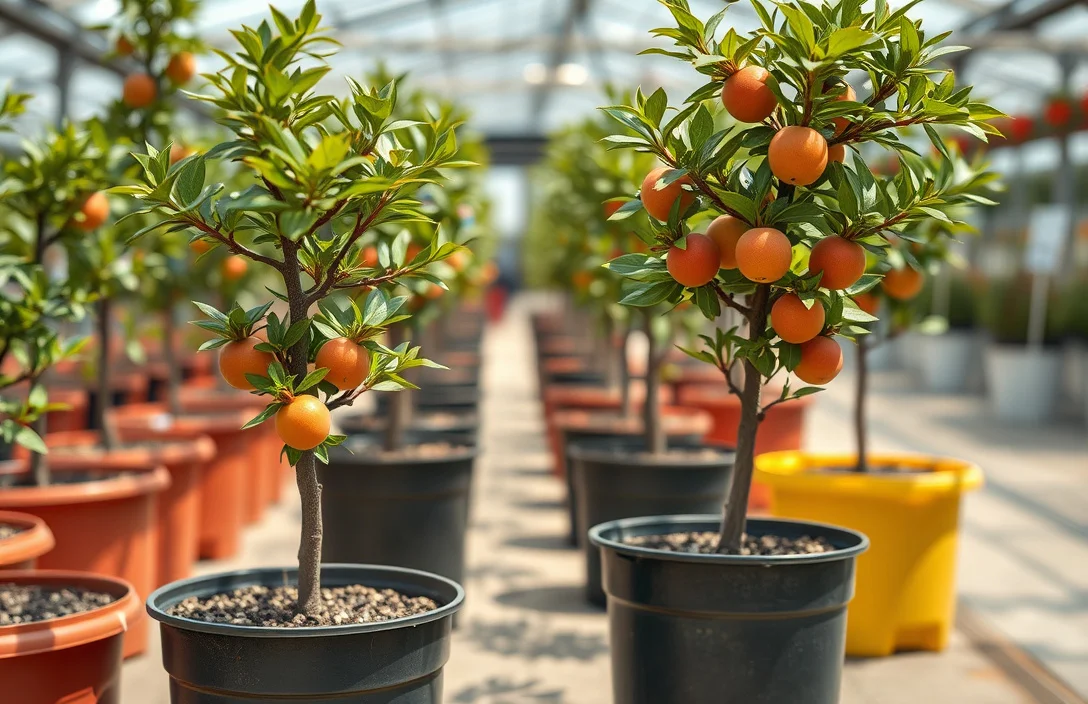
Dwarf fruit trees in pots let you grow apples, pears, figs, or citrus on a patio or balcony. Container culture is unforgiving about two things – root space and winter protection. Get those right and you’ll get fruit. Get them wrong and you’ll fight weak growth, leaf issues, and stunted harvests. This guide walks through choosing the right tree, pot size, watering, and winter care in U.S. climates.
Dwarf fruit trees in pots do best when the container has enough root volume and when you match the tree to your sunlight and winter conditions. Plan on a pot that’s at least 15-20 gallons for steady long-term growth, use a fast-draining potting mix, and water consistently because containers dry out fast. In colder zones, map your protection or movement plan before freeze.
Key Takeaways
- Pick the right tree. Choose a true dwarf or patio dwarf on a suitable rootstock, not a standard tree crammed into a small pot.
- Size the container first. Use at least a 15-20 gallon pot for long-term health, and go bigger if you can.
- Sun is non-negotiable. Aim for 6-8 hours of direct sun daily, or expect weaker growth and fewer fruits.
- Drainage prevents most failures. Use a breathable potting mix and a pot with working drainage holes.
- Water steadily, not randomly. Check moisture often during heat, and water deeply when the mix starts to dry.
- Plan winter protection early. Move or wrap the pot to prevent root freeze in your specific climate.
What to Know About dwarf fruit trees in pots
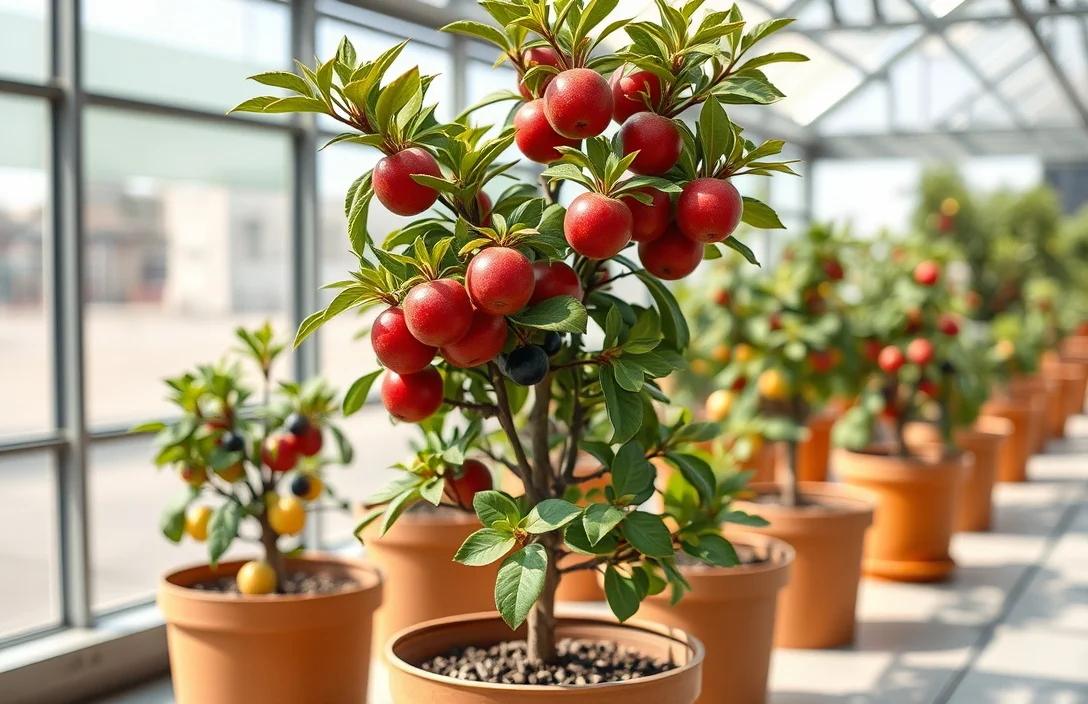
A dwarf fruit tree in a pot runs a different system than one in the ground. The biggest difference is root behavior. In-ground roots can explore for water and nutrients, but in a pot the root zone is limited – so the tree swings between “too dry” and “too wet” much faster. That swing is where most problems start.
Dwarf types usually fit containers better because they stay manageable in height and tend to fruit earlier. Even so, dwarf still needs enough roots to maintain growth and support fruit. That’s why pot size matters more than most people expect. A tree can look fine in a 10-gallon pot for a season, then struggle the next year when it never gets stable root volume.
In the U.S., winter is the hardest part of container growing. Many dwarf fruit trees are hardy plants, but container roots are exposed, and that changes how cold damage shows up. Your plan can be as simple as moving the pot to an unheated garage for part of winter, or as involved as insulating and wrapping an outdoor-only setup.
Containers also come with a “time tax.” You’ll monitor watering and drainage more often, and you’ll prune more to keep the canopy controlled. If you want set-it-and-forget-it gardening, containers feel closer to “check in and adjust” than “set it and enjoy.”
Things that matter most
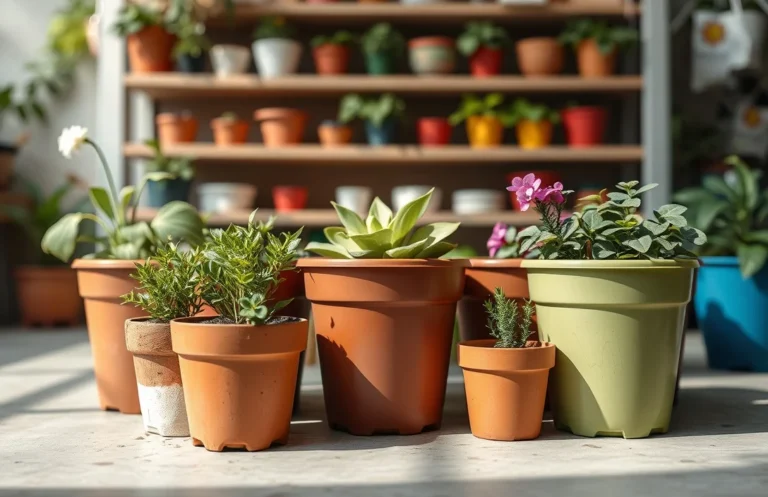
Start with pot size and drainage. Those two decide whether the tree can stay stable. A pot that’s too small overheats in summer, freezes harder in winter, and dries out too fast. Use a pot with multiple drainage holes because saucers that hold water keep roots wet.
Use a potting mix made for containers. Garden soil compacts in a pot and slows drainage, which increases root stress and fungal risk. A good container mix stays airy, holds enough water for healthy growth, and drains at the right pace.
Watering follows one rule: containers need consistency. Check moisture by feel or with a moisture meter, then water deeply until you see drainage. In hot weather, you may water more frequently; in mild spells, the interval can stretch. The calendar matters less than whether the mix is actually drying out.
Pruning controls size and fruiting potential. Dwarf fruit trees still produce on specific types of wood, so pruning isn’t just cosmetic – it shapes light reaching the interior branches. For reliable fruit, treat pruning as seasonal maintenance, not a one-time haircut.
Fertilizing is about balance, not forcing growth. Too much nitrogen pushes leaf growth at the expense of fruit, and container roots already have limited buffering. Use a fruit-tree fertilizer (or a balanced approach) and feed based on your tree’s growth stage, not a strict “every Sunday” routine.
Tips for dwarf fruit trees in pots
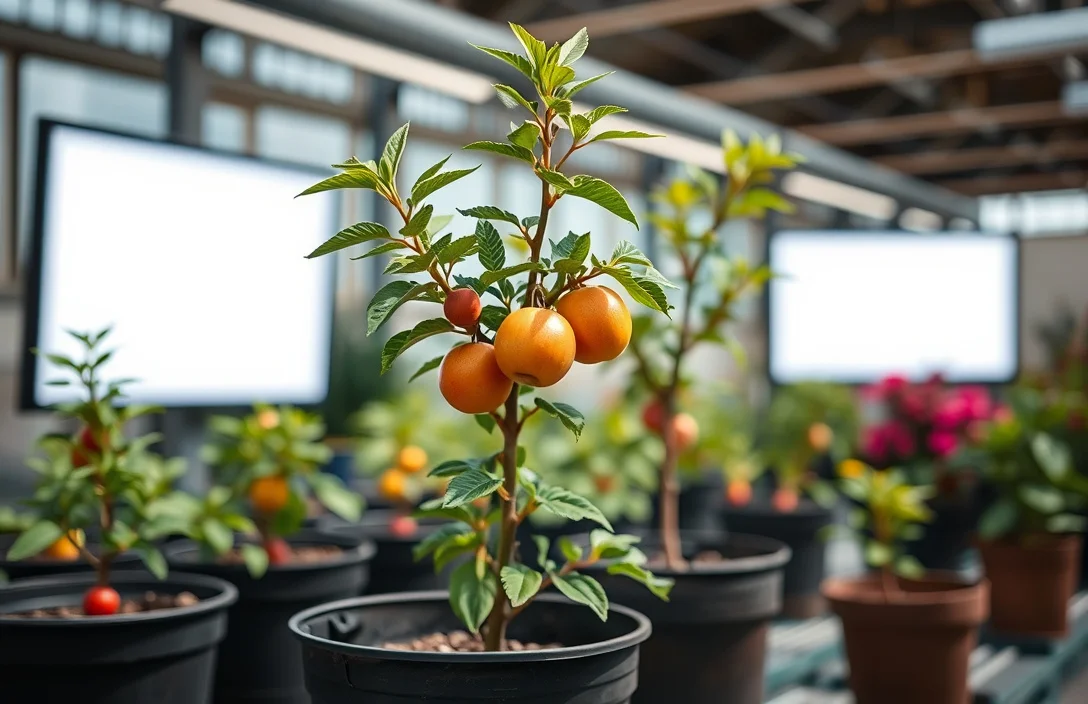
Use the “bigger pot now” strategy when you can. If you have room, stepping up pot size gradually still helps, but starting with a larger pot often avoids transplant stress and stunting. In many situations, going wider works better than going deeper because many feeder roots spread near the surface.
Refresh the potting mix when it breaks down. Container mixes degrade as they decompose and compact, especially after repeated watering and fertilizing. Repotting timing depends on your tree and mix quality, but plan on refreshing the mix or moving up when growth slows or when water starts running straight through too quickly.
Mulch the top of the pot to smooth out temperature swings and slow surface evaporation. Use a thin layer, and keep mulch off the trunk so moisture doesn’t sit against bark.
Train the tree early and keep it manageable. Container fruiting only stays convenient if you shape before the tree gets tall. Use simple ties and pruning cuts to build a structure that lets light reach interior branches.
Watch for pests that show up when containers stress the plant. Aphids, scale, and spider mites can flare when heat and dryness rise. Fix the underlying stress first, then address pests directly with spot treatments rather than ignoring early signs.
Protect roots before leaves for winter. Covering foliage helps with wind, but container roots freeze faster than in-ground roots. Insulate around the pot, move it near a wall for extra retained warmth, or relocate it to a protected spot where temperatures stay above freezing for long stretches when possible.
Benefits of dwarf fruit trees in pots
Pots give you control. You can place a fruiting tree where it gets the sun it needs and where pruning and harvesting are easy. That matters on U.S. patios and balconies where the best light is often only in one or two spots.
Pots also bring flexibility. When your site changes, a potted tree can move. Mobility also helps with winter strategies because you can relocate the pot to protect roots instead of losing the tree to cold.
Container trees make soil quality easier to manage. You aren’t stuck with compacted clay or poor drainage – you’re using a container mix tailored for good structure and drainage. That turns a “bad yard” into a workable grow setup.
Container size keeps dwarf trees easier to handle for casual harvesting. Less reach often means fewer hassles with canopy access and day-to-day maintenance.
Containers can even be a learning platform. Watering and pruning effects show up sooner than they do in the ground, because stress appears faster in a limited root zone. If you like hands-on gardening, that feedback loop is genuinely useful.

Helpful pick
Live Dwarf Avocado Tree 3 Ft Tall, Avocado Fruit-Bearing Tree in 3 Gallon Pot, Container or Garden Growing
A dwarf avocado thrives in a pot, offering portable sun access and easy care on balconies.
Options for dwarf fruit trees in pots
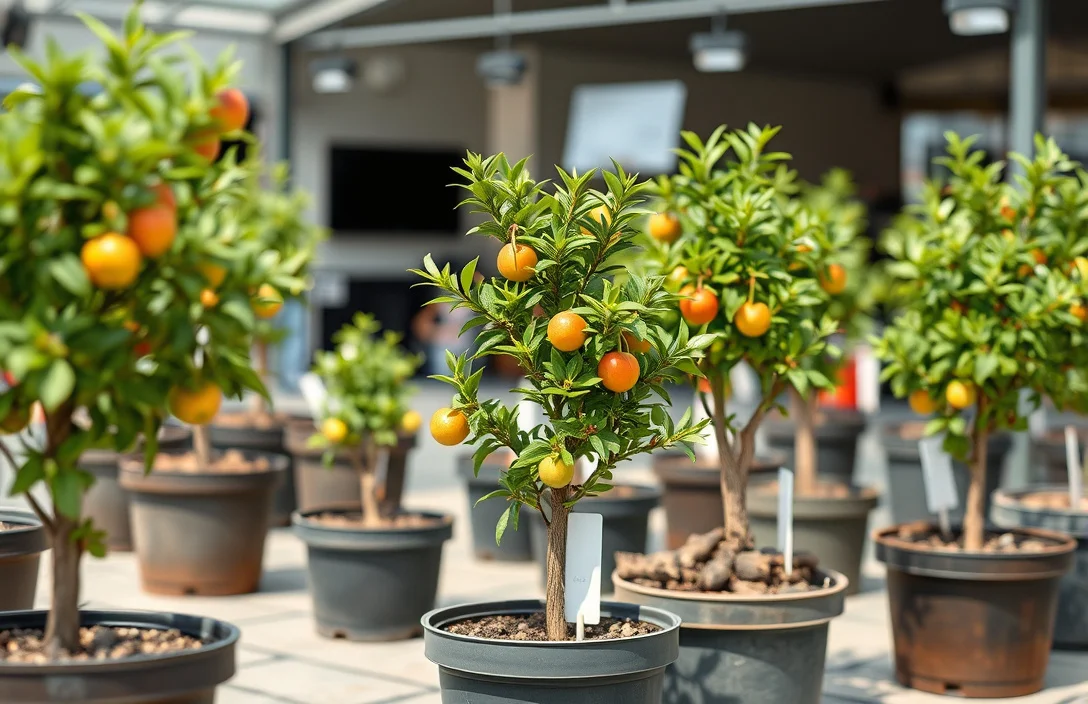
Apple and pear are popular container choices, especially when you buy dwarf or patio dwarf varieties suited to your growing zone. Apples and pears also depend on local winter chilling and on whether the variety needs cross-pollination. Check the variety requirements before buying so you’re not stuck with low fruit set later.
Figs often succeed in pots because they handle container conditions well. Many do well with indoor or sheltered winter setups in colder areas, as long as they get enough warmth and sun during the growing season to set fruit.
Dwarf citrus is a well-established container approach where winter freezes threaten outdoor survival. Citrus is sensitive to cold, so the “option” becomes a winter plan – indoors, in a heated greenhouse, or in a protected overwinter location that keeps temperatures above damaging levels.
Stone fruits like dwarf peaches and nectarines can work too, but they tend to demand more consistent care. If you choose them, expect regular attention to watering consistency and pruning structure.
You can also choose between bare-root, container-grown, and grafted options. A grafted dwarf is often the standard route for fruit quality and predictable size, but the tree’s age and root system at purchase can affect how quickly it settles in the pot.

Helpful pick
Apple, Plum & Pear Trees (3-Pack) – Dwarf Fruit Trees, Easy Grow Backyard Orchard Starter Kit (6 Pack – 2 of Each)
Offers ready-to-grow dwarf apple and pear trees in a convenient container kit.
Expert Advice on dwarf fruit trees in pots
Buy the right kind of dwarf, then scale up patiently. The most common failure is choosing a “small fruit tree” that isn’t truly a dwarf cultivar or isn’t on the size-controlling rootstock you expect. The result is predictable: the tree outgrows the pot, becomes rootbound, and struggles to fruit.
Match watering to weather, not habit. In hot weeks, containers can dry out faster than you think, especially when the pot sits in direct sun. In cooler, rainy stretches, overwatering becomes the risk. Poor drainage turns that risk into root stress quickly.
Use a simple inspection routine. Once or twice a week, check drainage behavior, check mix moisture, and look for leaf color shifts or early pest signals. Containers don’t buffer problems like the ground does, so early correction usually beats later “recovery.”
Prune with intention. If you want fruit, you need to know what wood your cultivar produces on and prune accordingly. If you don’t have that info, stick to light, structural pruning instead of heavy cutting, and keep notes on how the tree responds.
Fertilize based on growth and season. During active leafing and growth, the tree needs nutrients, but it doesn’t need constant high doses. When growth slows in cooler weather, heavy feeding can push tender growth that can’t match the season shift.
Plan winter protection as seriously as summer sun. Wrap the pot, isolate it from cold ground when possible, and keep a “move path” ready for freezing events. Waiting until a cold snap hits often leads to emergency protection that doesn’t insulate roots long enough.

Helpful pick
Calamondin Tree Live Plants 13″ – 22″ Tall Indoor Outdoor Fruit Tree Plant Growing, Live Citrus Plant Mothers Day Gift for Mom Home Garden Patio and Decor Use, Cannot Ship CA AL AZ TX LA by Via Citrus
A true dwarf citrus option that thrives in pots, illustrating a properly chosen cultivar for container growing.
Examples: dwarf fruit trees in pots
For a sunny patio in many U.S. locations, a patio dwarf apple is a practical example when you can meet light needs and manage chilling requirements. Choose a dwarf or patio dwarf variety and pair it with the pollination needs if that variety requires another compatible tree. In pots, apples look best when you size the container correctly and prune to keep the canopy open for light penetration.
For warmer-protected areas, or for gardeners who can move pots indoors, a dwarf fig is a strong option. Figs can produce well in containers when they get enough summer warmth and consistent watering while actively growing. In colder winters, your harvest success often comes down to how reliably you protect the tree from root freeze and cold damage.
For households in colder climates that still want fruit, dwarf citrus is a common example because container management makes overwintering possible. Keep the tree outdoors during warm months, then move it to a bright, protected spot when nights get cold. Success depends on balancing light, temperature, and watering so the tree doesn’t stay too warm and underfed, or too cold and staying wet.
If you want faster shape control, a dwarf peach in a sufficiently large pot can work, but it needs careful pruning and consistent moisture. Peaches show stress through leaf and growth changes when conditions are off, so monitoring is part of the deal. If you’re unsure, start with a variety known for container performance in your area and prioritize stable water and light.
FAQ
What size pot do I need for dwarf fruit trees in pots?
Most dwarf fruit trees do best with at least a 15-20 gallon pot for steady long-term growth. Smaller containers can work short-term, but they dry out faster and freeze harder. Make sure the pot has plenty of drainage holes and use a breathable container potting mix.
How often should I water dwarf fruit trees in pots?
Water when the potting mix has started to dry out, not on a fixed schedule. In hot U.S. summer weather, containers may need watering more than once a week, sometimes much more. Water deeply until you see drainage, then empty any runoff from saucers.
Can dwarf fruit trees in pots survive winter outdoors?
They can, but roots freeze faster in containers than in the ground. For many U.S. climates, you need insulation around the pot or relocation to a protected spot before prolonged freezes. Focus on protecting the root zone first, not just covering leaves.
Do dwarf fruit trees in pots need fertilizer?
Yes, because containers have limited nutrient reserves compared to in-ground soil. Use a fruit-tree fertilizer or a balanced approach and feed based on active growth periods, then reduce feeding when growth slows. Overfertilizing can push leaves instead of fruit.
What’s the most common mistake with dwarf fruit trees in pots?
The most common mistake is using a container that’s too small or a soil that drains poorly. That combination leads to root stress, inconsistent watering, and reduced fruiting. Fixing pot size and drainage usually improves performance more than “extra sprays” or adding more fertilizer.
Pick your tree type based on your light hours first, then choose a pot with real drainage and plan winter root protection before you buy. Once those are in place, consistent watering and seasonal pruning do the rest.

- 10 Best Slow Cooker For Mess Free Cooking 2026 (Tested And Reviewed) - October 24, 2026
- 10 Best Slow Cooker With Leak Resistant Lid 2026 (Tested And Reviewed) - October 24, 2026
- 10 Best Slow Cooker With Spill Proof Design 2026 (Tested And Reviewed) - October 24, 2026