Egg Cooker Measuring Cup Replacement That Works
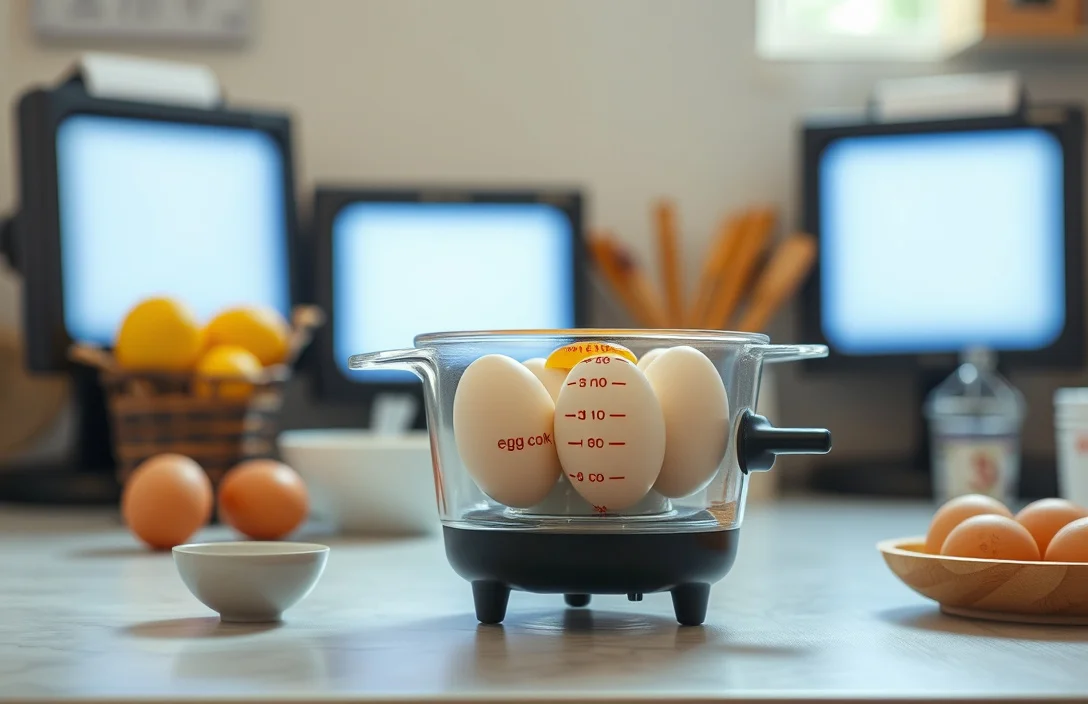
A missing egg cooker measuring cup is annoying because most egg cookers rely on “fill to this line” water amounts and the included cup matches that calibration. For most home cooks, the direct fix is simple: use a measuring cup you trust, then match the water level your cooker expects. This guide helps you replace the cup, estimate egg capacity, and still get consistent results.
Egg cooker measuring cup replacement means matching the water volume, usually to your cooker’s fill guide. If you can’t find the exact cup, measure the water in tablespoons or milliliters with a kitchen measuring cup, then adjust by one “step” on your cooker’s markings. Expect 1-2 test runs to lock in the right amount.
Key Takeaways
- Match the water volume. Measure the water with a standard measuring cup, then align it with your cooker’s lines.
- Use the cooker’s markings. If your unit has “water level for X eggs,” follow those levels instead of cup guesses.
- Capacity varies by brand. Many home egg cookers handle 6 to 8 eggs, but your model’s insert determines the real limit.
- Egg texture needs tuning. A little extra water or time can move eggs from runny to firmer.
- Spoon and scale work. Convert the cup amount to tablespoons or grams, then repeat the same measurement.
- Test for consistency. Cook the same egg size for 2-3 runs, and note the water amount and time.
Egg Cooker Measuring Cup Replacement That Works
If you lost the measuring cup, don’t waste time hunting for a “perfect match.” Any standard kitchen measuring cup or measuring spoon works because you can measure the water volume precisely and repeat it every time. Most egg cooker directions boil down to: add the right water amount, place eggs, cook, then let the eggs finish steam-cooking for a minute or two.
Bad results usually come from the water amount, not the cup shape. Water controls steam generation, and steam speed controls how quickly egg proteins set. Your goal is consistency in your water measurement, not recreating the exact plastic cup you had.
If the base has a visible “water line” (or the manual includes one), use that as your target. If you don’t have markings, replace the cup by measuring the water once, running a test, and writing down the amount you used for soft, medium, and hard.
What Makes a Measuring Cup Compatible?
Compatibility is about the measurement it represents, not the logo. The cooker needs a specific water volume in the chamber. Match that volume and results track closely, even with a different cup.
Check for these clues:
- Capacity markings. If the cup shows ounce, milliliter, or cup markings, you can match directly.
- Water fill lines in the base. Many cookers include internal level marks for egg counts that override cup differences.
- Manual guidance for water amount. Some manuals say “add X to the water line for 6 eggs,” which is the most useful form.
If you’re borrowing a cup from another egg cooker, treat it as a starting point only. Brands can calibrate their “included cup” differently, especially if they define their cups in their own way rather than using standard volume.
Practical rule: once you measure water in standard units (tablespoons, ounces, milliliters), you stop guessing. Egg cookers feel unpredictable when you guess.
How Many Eggs Fit Your Egg Cooker
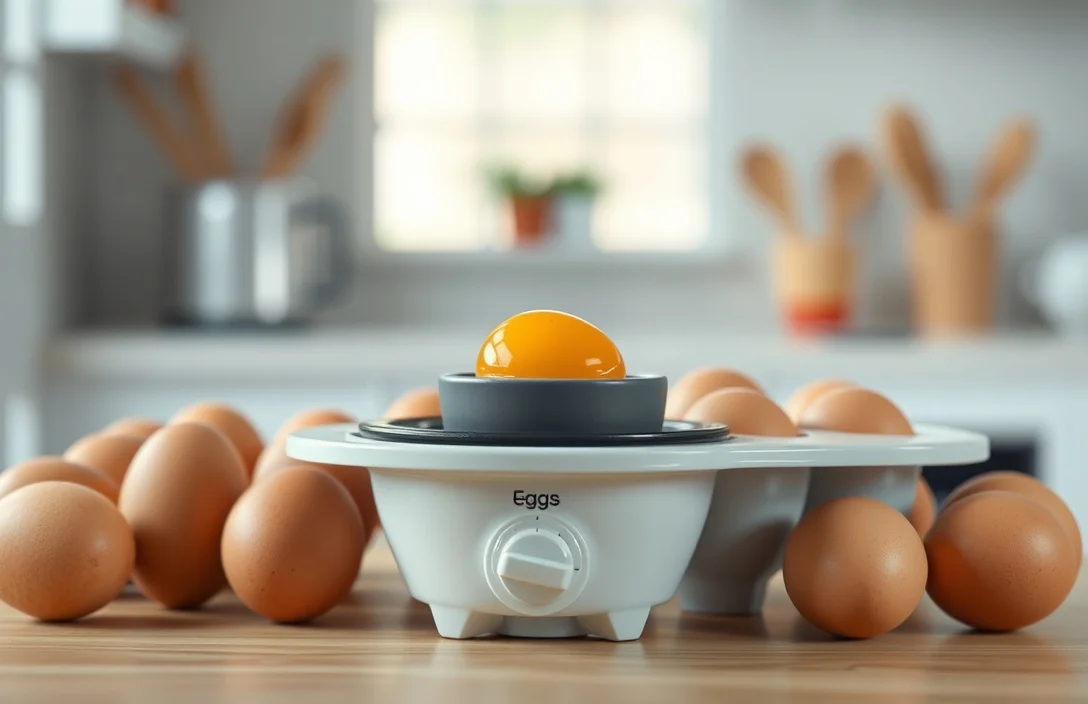
Most egg cookers sold in the US are built around a fixed basket and chamber capacity, often 6 or 7, sometimes 8. Your real max depends on the insert design, spacing, and whether your model uses a removable tray with specific egg wells.
Find the “max eggs” line in the manual or check the insert/tray where egg wells are counted. If you don’t have the manual, count the egg positions on the tray and treat that as your ceiling. If the tray has 6 molded wells, forcing 7 eggs in by crowding can change cooking because contact and uneven spacing disrupt steam distribution.
This connects directly to measuring-cup replacement because many cookers tie water to egg count. If you set water for 6 eggs but cook 8, you can get an uneven set, like one corner staying softer. If you set water for 8 but cook 4, the extra steam can make eggs tougher around the edges.
For consistent results, skip maximum loading. Cook in the middle of the cooker’s range (for example, 3-4 eggs if it holds 6, or 4-6 if it holds 8). That’s where home cookers tend to behave most predictably.
Kitchen Tools You Can Substitute for the Cup
You can replace the measuring cup with common kitchen tools as long as you measure the same water amount accurately.
These substitutions work well:
- Liquid measuring cup (best option). Use the “mL” or “fl oz” marks and fill to the exact amount you determined.
- Dry measuring cup (okay if markings are clear). Water measures fine, but only if you can read the markings confidently.
- Measuring spoons. Use tablespoons (tbsp) when your cooker guidance or calibration works in tablespoons.
- Graduated kitchen syringe (very accurate). Ideal for small changes between runs.
- Kitchen scale (most repeatable). Measure water by grams. 1 mL of water is about 1 gram, so grams give you a stable target.
Pick the easiest tool for your situation:
- Want to move fast? Use a liquid measuring cup and match the cooker’s “water line.”
- Had a bad batch and want stability? Use a scale or syringe and track the exact water weight.
On your first test run, write down the water amount, the egg count, and the result (runny center, jammy, fully set). After that, you don’t care what the original cup looked like. You care that the measurement repeats.
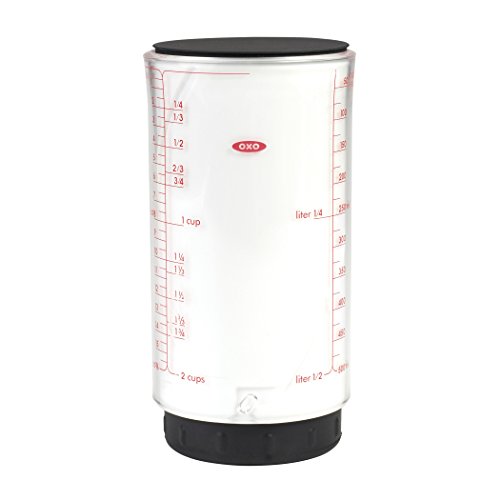
Helpful pick
OXO Good Grips 2 Cup Adjustable Measuring Cup
A liquid measuring cup accurately measures water for eggs, ensuring consistent results without the original cup.
Using Spoon and Scale Measurements Instead
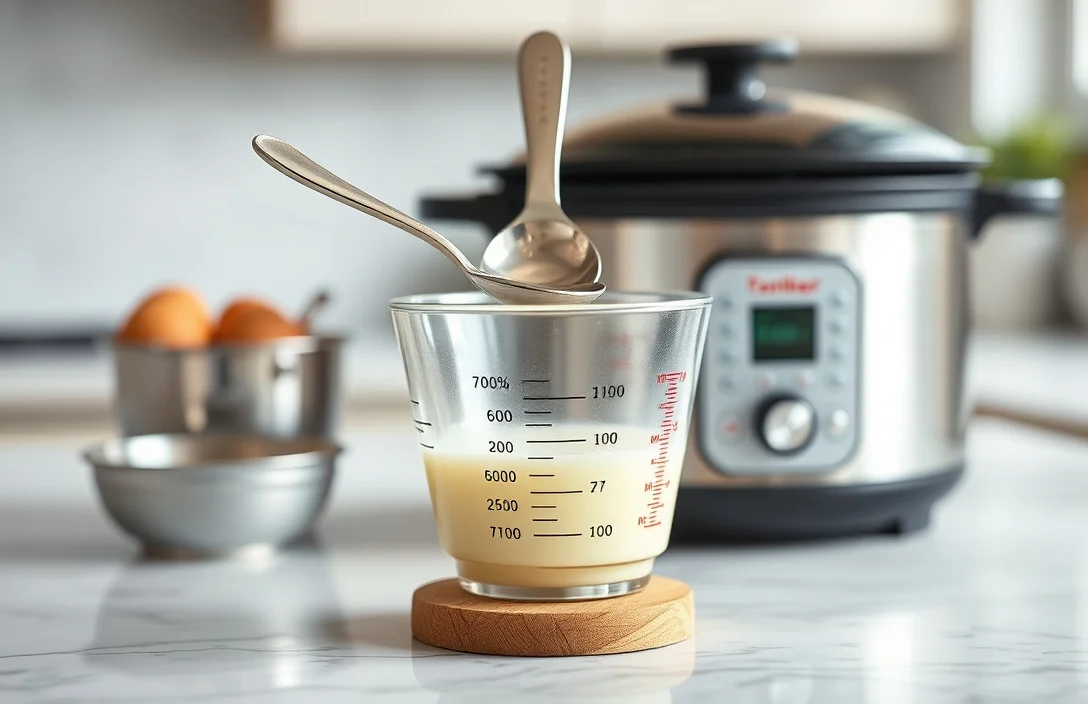
Spoon and scale methods are useful when your egg cooker doesn’t have easy water lines or when you can’t find a cup that matches what you remember. Accuracy is the upside. The trade-off is a short calibration session.
With spoon measurements:
- Pick a target egg count (for example, 6 eggs).
- Measure the water with a spoon until you reach the amount your cooker normally uses (start from a rough guess or a manual note).
- Cook one batch, then adjust by small increments next time.
With a scale:
- Set a bowl or small container on the scale and tare to zero.
- Add water until you reach a specific gram amount.
- Pour into the cooker base and repeat the same grams every time.
Steam drives the texture. Even small water changes can shift eggs, especially between “soft” and “hard.” If your eggs are consistently too soft, add a bit more water next time. If they’re too firm or rubbery, reduce water slightly or reduce cook time if your model allows time control.
Keep it simple if you want a repeatable system:
- Hard: your “last best” grams
- Medium: slightly higher or lower grams
- Soft: the lowest water you can use while still setting most of the whites
The exact grams vary by model and egg count, but the method stays the same.

Helpful pick
OXO Good Grips 3-Piece Angled Measuring Cup Set
These precise measuring cups support accurate egg-water proportions when you calibrate by spoons or scales.
Troubleshooting Water Level and Egg Texture
Water level, cook time, and starting egg temperature explain almost all texture problems. With a missing cup, water level is your first lever.
If eggs are too runny (center stays loose):
- Use more water next time.
- Run the full cycle, and don’t shorten the steaming/standing time.
- Start closer to room temperature if your eggs are very cold and your cooker cycle doesn’t account for that.
If eggs are too firm or rubbery:
- Use less water next time.
- Keep the batch within the cooker’s intended egg count so steam distribution stays even.
- Follow the finishing routine exactly. Many cookers recommend immediate cooling (often in cold water) once the cycle ends. Skipping that can leave eggs cooking longer than you intended.
If eggs are uneven (some wells set, others don’t):
- Don’t overload the tray. Crowding changes steam and reduces airflow.
- Make sure eggs sit flat and fully in the wells.
- Rotate egg positions after the first run if your model tends to cook hotter at one side.
Because you can’t rely on a “mystery cup” anymore, you’ll get better faster by changing one variable per test. Adjust water first, then time, then starting temperature. One change means you learn what your cooker responds to.

Helpful pick
DTDNZKN 3 Pack Measuring Cup Set, Includes 1/2/3.4 OZ (30/40/100ml)
Provides precise water measurements to restore egg texture when your cooker’s measuring cup is missing.
Verify Results With Consistent Cook Times
Once you have a replacement measurement method, verify it by repeating the same conditions. Egg cookers can vary from cycle to cycle because of chamber temperature, water distribution, and room conditions, so consistency comes from controlling inputs.
A solid verification approach:
- Use the same egg count every test (for example, always 6).
- Use eggs of similar size (large eggs are a common baseline).
- Measure water with your replacement tool using the same method every time (same spoon amount or same grams).
Cook time verification depends on your cooker’s controls. Some cookers run a fixed cycle per button press, others let you adjust a timer, and some offer only one “cook” option. If your cooker has modes (soft/medium/hard), treat each mode as a fixed time and judge by texture, not by intuition.
Do two “hard” runs with the same water amount. If both come out fully set, you likely nailed the water measurement. If one batch is too soft, increase water slightly and rerun. Don’t chase perfection after a single test.
Follow the cooker’s cooling guidance the same way each time. In most home setups, cooling time affects final firmness because eggs continue cooking from residual heat and steam.
FAQ
What can I use instead of the egg cooker measuring cup?
Use a standard liquid measuring cup for water or measuring spoons if the amount is small. For the most repeatable results, use a kitchen scale and measure water by grams. Once you find the right water amount for your egg count, write it down so you never have to hunt for the original cup again.
How do I measure water for my egg cooker if I don’t have the cup?
Check the cooker base for water level lines or the insert for guidance tied to egg count. If you don’t have markings, measure water in tablespoons or grams, then do a test run. Adjust water in small increments until your “soft/medium/hard” texture matches what you want.
Can using the wrong measuring cup make eggs unsafe?
This is usually a quality issue, not a food safety trick. Eggs should reach a fully cooked state for hard and medium textures, and you should follow your cooker’s intended process. If you consistently get runny centers and you want fully set eggs, increase water and cook long enough to reach the texture you consider safe.
Why do my eggs come out too runny even after I follow the instructions?
The two most common causes are cold eggs and water amount drift when you rely on an approximate cup. Measure water in standard units (tbsp or grams) and repeat with the same egg count. Also confirm you’re doing the recommended standing or cooling step the same way every time.
What’s the most common mistake when replacing the measuring cup?
Most people guess the water amount based on how the original cup looked, instead of matching volume to standard measurements. Another common mistake is changing too many variables at once (water amount, cook mode, and egg count). Pick one target egg count, measure water precisely, and test one change at a time.
When you replace your egg cooker measuring cup, don’t focus on finding a matching plastic part. Measure water in standard units (tbsp, mL, or grams), then lock in one water amount for each egg count you cook most often. Your next step is one test batch, record the water amount and result, and you’ll be back to consistent eggs quickly.

- 10 Best Slow Cooker For Quick Preparation 2026 (Tested And Reviewed) - October 18, 2026
- 10 Best Slow Cooker For Family Meal Preparation 2026 (Tested And Reviewed) - October 18, 2026
- 10 Best Slow Cooker For Freezer Meal Preparation 2026 (Tested And Reviewed) - October 18, 2026