Can You Use A Crock Pot As A Rice Cooker?
A crock pot can cook rice, but it is not automatically the same thing as a rice cooker. If you have one on your counter, you can still get good results, especially with hands-off meals. The trick is treating the crock pot like a slow, steady absorption cooker – then adjusting water, timing, and doneness until your rice turns out right.
Crock pot rice works when you use the right liquid ratio and let the slow heat do the absorbing. Start with about 1 cup dry rice to 2 cups water, cook on LOW for 2 to 3 hours, then rest 10 minutes. Check tenderness early, because different models run hotter or cooler.
- Yes, with technique. You can cook rice in a crock pot, but you have to dial in water ratio and timing.
- LOW works best. LOW gives steadier results than HIGH for fluffy, separate grains.
- Rest matters. A 10-minute rest improves texture and helps prevent watery rice.
- Size changes timing. Bigger pots and fuller loads take longer; smaller ones finish sooner.
- Know your rice type. Long-grain and brown rice need different water and cook times.
- Expect trade-offs. You can get great rice, but it will not match rice cooker keep-warm consistency every time.
What to Know About Using a Crock Pot as a Rice Cooker
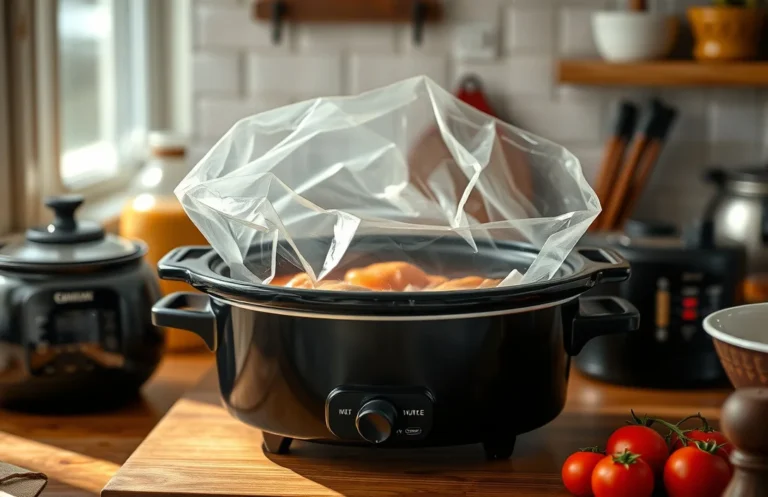
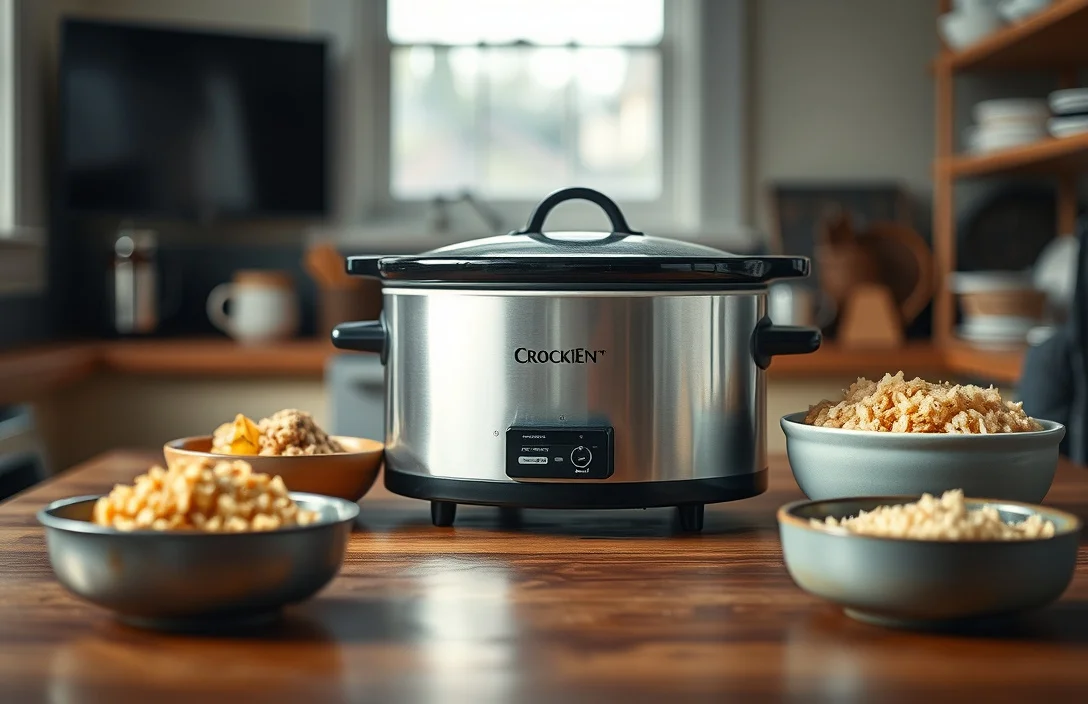
Yes, you can use a crock pot as a rice cooker, but you are adapting a heat pattern built for braises and soups. Rice needs controlled absorption, not just simmering moisture. Crock pots cook slowly, which helps – but you still have to manage lid behavior, liquid amount, and when the rice is actually done.
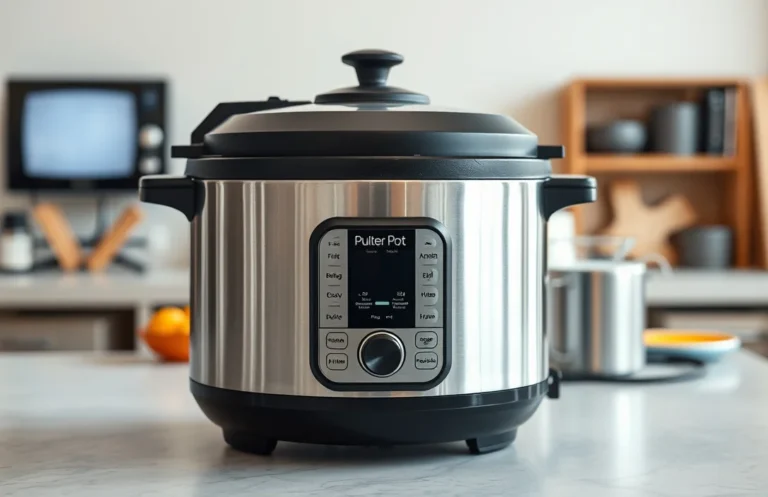
Moisture control is the main difference. A rice cooker uses a tuned heating cycle and steam management for grains. A crock pot traps condensation under the lid, especially early, so you can end up with softer, clumpier rice unless your water stays conservative and you avoid frequent lid lifts.
Things that matter most
The surest results come from treating crock pot rice like “low simmer absorption,” not “set it and forget it” with identical texture every time. Keep the lid on, cook on LOW, and plan a rest. If you want restaurant-style fluff, reduce water slightly compared with stovetop recipes.
The controls that actually move the outcome:
- Water ratio control. Start around 2 cups water per 1 cup dry white rice.
- Heat setting matters. Use LOW to limit scorching at the edges and mushiness from more aggressive steaming.
- Lid discipline. Avoid repeated lid checks. Each peek lets heat escape and changes evaporation.
- Doneness checkpoints. Start checking around the 2-hour mark for white rice on LOW.
- Rest after cooking. The rest lets steam finish hydrating the center.
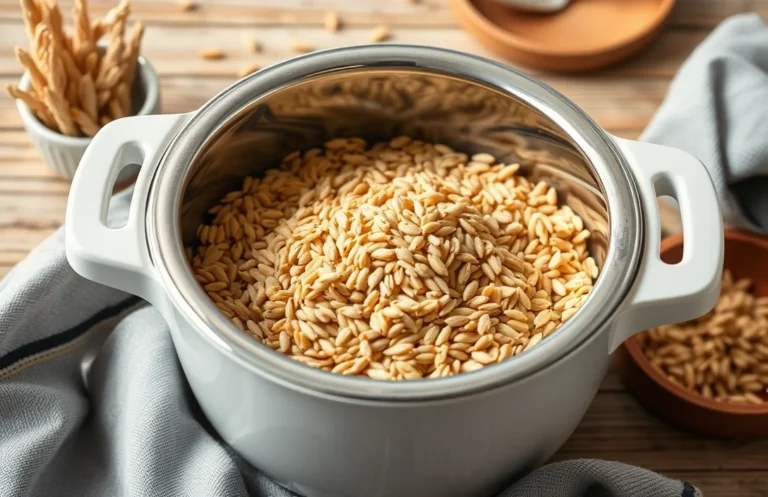
Rice type changes everything, too. Long-grain white rice is the easiest win. Brown rice, wild rice blends, and quick-cooking rice behave differently because their hydration needs and finish targets aren’t the same.
Tips for Getting Better Texture
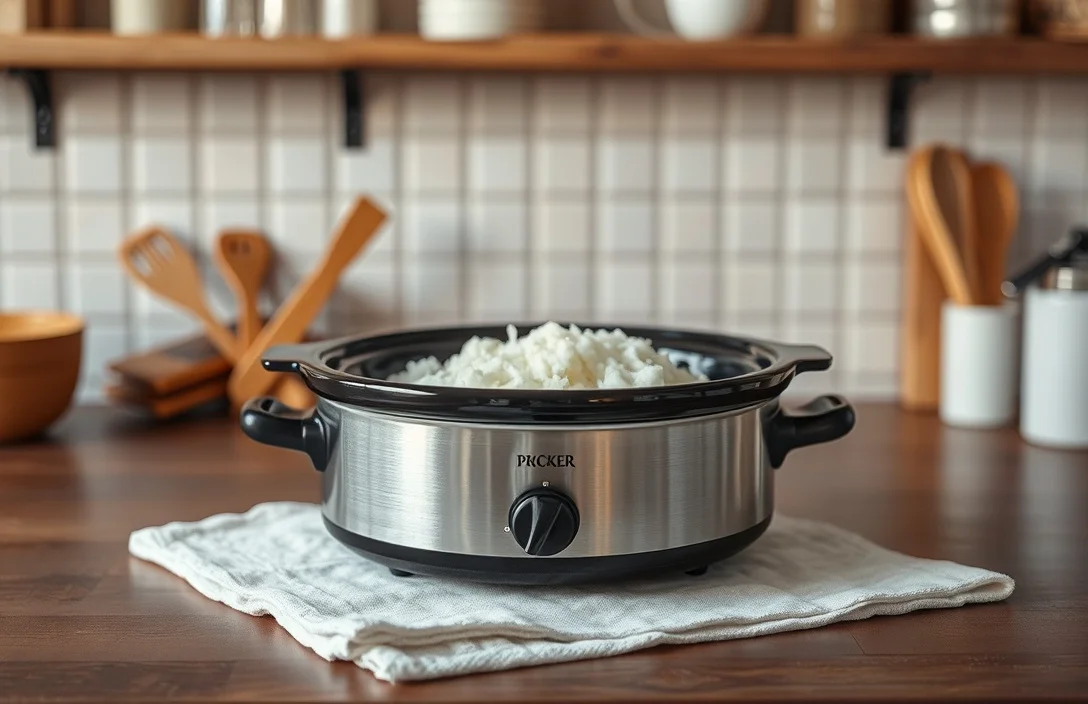
Use a pot size that fits your batch. Overcrowding keeps rice in a wetter environment longer; large gaps can dry out the top layer faster. Most importantly: spread the rice evenly along the bottom, and avoid stacking so high that the steam can’t circulate evenly.
Seasoning is simple but not irrelevant. A teaspoon of salt per cup of dry rice is a solid baseline, and about 1 teaspoon of oil per cup can help grains stay separate. If the rice is going into a dish with salty sauce, cut back on salt to avoid over-seasoning.
Texture comes down to two levers: water amount and resting time. If your rice is too wet, reduce the next batch by 1/4 cup water per cup dry rice (or cook 15 to 30 minutes longer on LOW). If it is too dry, add hot water – 2 to 4 tablespoons at a time – then cook 10 to 15 minutes more on LOW.
A simple crock pot rice workflow that usually works
- Measure rice and water precisely. Use the same measuring cup for both.
- Rinse if you want fluffier rice. Rinsing removes surface starch.
- Use LOW and keep the lid on. Set a timer, then check once near the end.
- Rest before fluffing. Let rice sit 10 minutes, then fluff gently with a fork.
- Adjust next time based on texture. Wet, dry, or firm tells you exactly what to change.
Benefits of Using a Crock Pot for Rice
The biggest benefit is convenience with minimal attention. Crock pot rice frees you up for sides, protein, or a one-pot meal schedule because you are not constantly watching a stovetop pot.
It also supports meal planning. If you are hosting, crock pots help you hold a dinner rhythm without standing over simmering water. Cook a batch, rest it, and keep it warm for a short window (or transfer it if your model heats unevenly).
Large batches are another practical win. Rice cookers scale, too, but if you do not have a big one, a crock pot can handle more volume for meal prep. Just remember: the more rice you cook, the more even moisture distribution matters.
Options for Cooking Different Styles of Rice
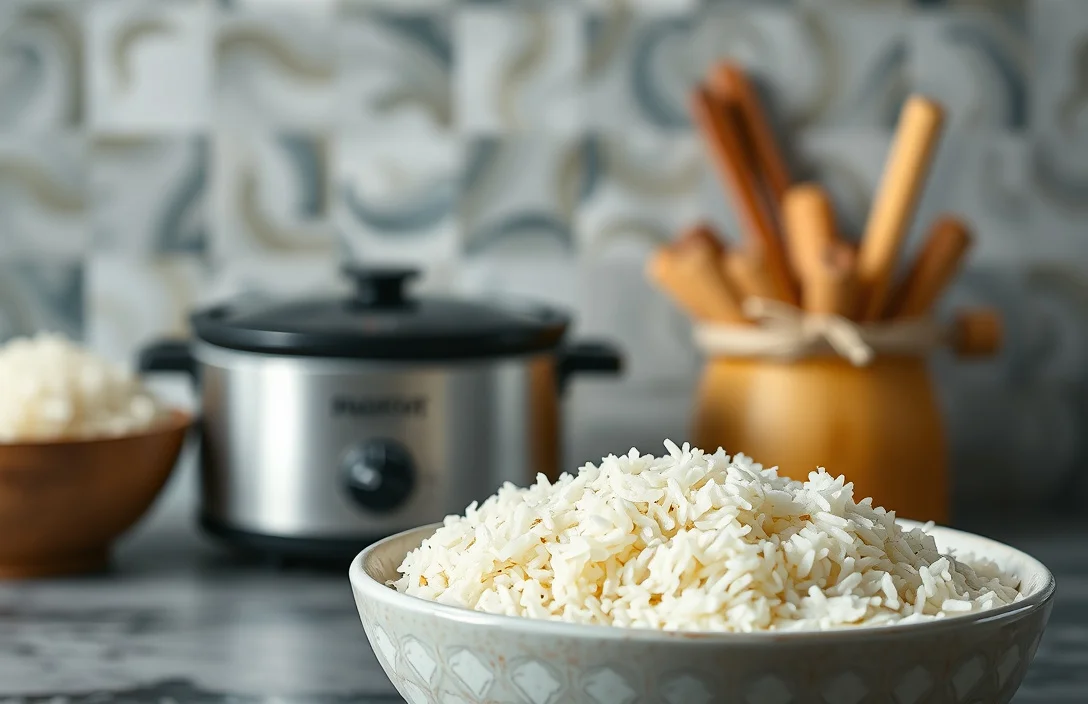
You have a few workable approaches, depending on the rice and how your crock pot runs.
- Cook plain rice on LOW. Best for white rice and meal prep where you control seasoning.
- Cook flavored rice lightly. Add salt and a teaspoon of oil, or cook with aromatics in the water for subtle flavor.
- Cook rice inside a larger meal. When rice cooks in chili or curry, add extra liquid because the grains keep absorbing over a longer time.
| Use a crock pot liner-safe method. Some people prefer an insert or a heat-safe dish inside the crock pot to reduce edge overcooking. | Method | Best for | Key Spec / Pick | Main Trade-off |
|---|---|---|---|---|
| Crock pot LOW, plain rice | Easy white rice | 1 cup white rice + ~2 cups water | Texture can be softer than a rice cooker | |
| Crock pot LOW, brown rice | Whole-grain meal | 1 cup brown rice + ~2 1/2 cups water | Longer cook time, more checking | |
| Rice blended into stew/curry | One-pot meals | Add 1/2 to 1 cup extra liquid | Harder to keep rice separate | |
| Crock pot with separate heat-safe dish | More even texture | Cook rice in an insert | Takes extra handling, slightly less capacity |
If you want fluffy rice most of the time, plain white rice on LOW with a conservative water ratio and a rest is the simplest route. If you care more about convenience, flavored rice or one-pot style can be worth the extra mess.
“Expert” Moves That Make Crock Pot Rice More Reliable
Treat crock pot rice like a quick learning curve. Some models run hot around the rim and cooler in the center, which changes how fast water absorbs and whether the bottom gets softer. Your first batch becomes calibration, not a final recipe.
Make one controlled check instead of constant lid peeking. Pick a time to look, then decide based on what you see. Done rice should look hydrated but not soupy, with tender grains throughout. If the center is still firm, cook longer on LOW with the lid on.
Skip using stovetop ratios blindly. Stovetop cooking relies on faster moisture loss through boiling; a crock pot is slower and traps steam. If you use stovetop measurements unchanged, you often get rice that is slightly too wet and clumps more than expected.
For the best “rice cooker vibe,” start with long-grain white rice. Short-grain and sushi rice can work, but they absorb more starch, so the texture turns more sticky.
How This Looks in Real Cooking
For a weeknight dinner with plain white rice: rinse 1 cup long-grain white rice, add it to the crock pot with about 2 cups water plus salt, cook on LOW for 2 hours, check tenderness, then rest 10 minutes and fluff. If it is still firm, cook 15 minutes more on LOW before resting again. This approach usually yields rice that holds up well for bowls and stir-fries.
For meal prepping brown rice: use more water and more time. Brown rice typically needs a longer cook because the bran slows hydration. Use about 2 1/2 cups water per 1 cup brown rice, cook on LOW for closer to 3 hours, check, then add time in 15-minute increments until tender. Resting stays essential because residual steam keeps finishing the center.
For rice cooked inside chili or curry: treat it like a “liquid budget” problem. Rice keeps absorbing as the meal sits, even after cooking stops. Start with slightly more liquid, then adjust at the end. If the chili gets too thick, add hot water or broth a little at a time. If the rice looks dry, add hot liquid and let it sit 10 to 15 minutes with the lid on.
You can also run a “surprise pot” for parties. Cook a base batch of white rice on LOW while you prep everything else, then fluff and portion right before serving. If your crock pot runs hot after cooking, move the rice to a covered bowl to prevent it from over-softening.
FAQ
Can you use a crock pot as a rice cooker for white rice?
Yes. Use LOW heat and start with about 1 cup long-grain white rice to 2 cups water. Cook for around 2 hours, check tenderness once, then rest 10 minutes. Rinsing helps grains separate, and keeping the lid on prevents extra moisture swings.
How long does it take to cook rice in a crock pot?
White rice usually takes about 2 to 3 hours on LOW, depending on your crock pot and rice type. Brown rice is commonly closer to 3 to 4 hours on LOW. Start checking around the 2-hour mark for white rice, then adjust in 15-minute increments until the center is tender.
Is crock pot rice safe if I leave it on warm for hours?
Do not rely on warm settings for indefinite holding. Use a food-safe holding method (like an insulated container) or refrigerate promptly if you are not serving soon. Rice can sit warm for a while, but long delays increase risk, especially if the crock pot cycles temperatures.
What’s the biggest mistake when using a crock pot as a rice cooker?
Using stovetop water ratios and checking the lid too often. Crock pots trap steam, so stovetop measurements often leave the rice wetter than you expect. Opening the lid also changes evaporation and heat, which makes texture inconsistent.
What’s an alternative if crock pot rice turns out mushy?
Reduce water by 1/4 cup per cup of dry rice, and cook 15 to 30 minutes longer on LOW if needed. You can also switch to long-grain white rice and rinse it before cooking. If you still dislike the texture, use a stovetop method or a dedicated rice cooker.

- 10 Best Slow Cooker For Slow Cooking Oxtail 2026 (Tested And Reviewed) - October 16, 2026
- 10 Best Slow Cooker For Slow Cooking Venison 2026 (Tested And Reviewed) - October 16, 2026
- 10 Best Slow Cooker For Slow Cooking Turkey 2026 (Tested And Reviewed) - October 16, 2026