Is Cuckoo Rice Cooker Non Toxic?
Rice cookers are usually safe, but “non-toxic” is a loaded word. If you are looking at CUCKOO, you want to know whether the materials, coatings, and plastics can add anything unwanted to your food, especially with heat and steam in the mix. This guide uses practical checks and safety logic to answer “is cuckoo rice cooker non toxic?” and helps you decide what to buy and how to use it in your kitchen.
Non-toxic rice cookers do not release harmful substances under normal cooking conditions, and the biggest real-world risk is usually worn or damaged nonstick coatings or degraded parts. Verify the model uses food-grade materials, check the manual and safety/maintenance guidance, and inspect the inner pot and lid for scratches, peeling, or warping. If anything looks damaged, replace it before cooking.
Key Takeaways
- Non-toxic meaning varies. “Non-toxic” is not a regulated label, so confirm with the manual and materials used.
- Most risk is wear and tear. Scratched or peeling inner coatings are the problem you can actually see.
- Heat drives reactions. Steam and high temperatures make it more important that parts are intact.
- Use only original parts. Replacement lids and inner pots matter for fit and material compatibility.
- Avoid harsh cleaning. Metal scrubbers and aggressive chemicals can damage surfaces over time.
- When in doubt, choose simpler. Stainless or ceramic-style inner pots reduce worry about coating degradation.
Is CUCKOO rice cooker non-toxic?
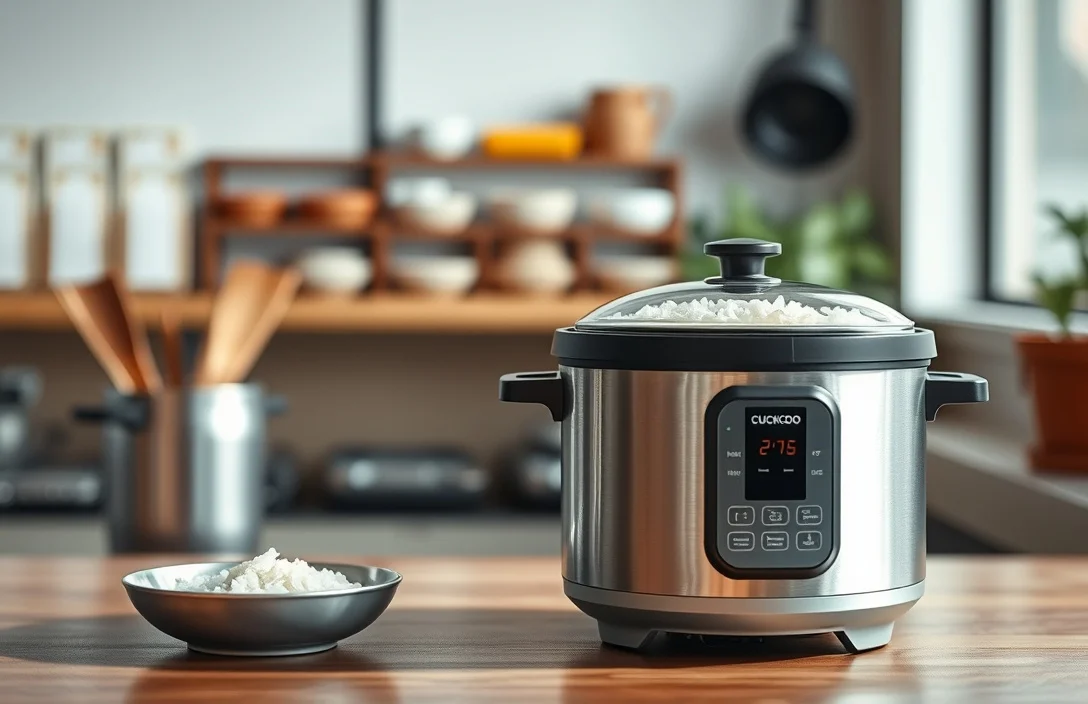
“Non-toxic” in rice cooker marketing usually means “safe under normal use,” not “zero chemicals ever.” With CUCKOO, the practical way to assess safety is to look at what materials touch food during heating – the inner pot, the inner lid, the steam path, and any gaskets. Heat and moisture accelerate problems, so the question is whether those surfaces stay intact over time.
This is less about the outer plastic shell and more about the inside parts. Rice cookers get hot, and steam is constantly moving. If the inner pot coating is damaged, or if the lid parts are worn or mis-seated, you can end up with more exposure than you would under pristine conditions.
Key checks for whether CUCKOO is “non-toxic”
CUCKOO rice cooker safety comes down to three practical issues: the manufacturer’s food-safety guidance, the condition of the parts, and your cleaning habits. “Non-toxic” is too vague by itself, so treat it as a claim you confirm through documentation and inspection.
These are the concrete checks that matter most in day-to-day use:
- Inspect the inner pot surface. Look for scratches, peeling, bubbling, or discoloration that appears to be coating damage.
- Check the lid and seals. Make sure the inner lid sits correctly, stays clean, and has no cracking or deformation.
- Use manufacturer-recommended cleaners. Skip metal pads that can scratch surfaces and weaken protective layers.
- Replace damaged parts immediately. A safe cooker can become unsafe when key components are worn out.
- Don’t cook through heavy residue. Burnt-on starch and oils are harder to clean and make it more likely you damage surfaces trying.
In practice, the “non-toxic” risk you can control is about maintaining food-contact surfaces. Keep those parts in good condition, and the exposure risk stays low.
How to keep a CUCKOO cooker as safe as possible
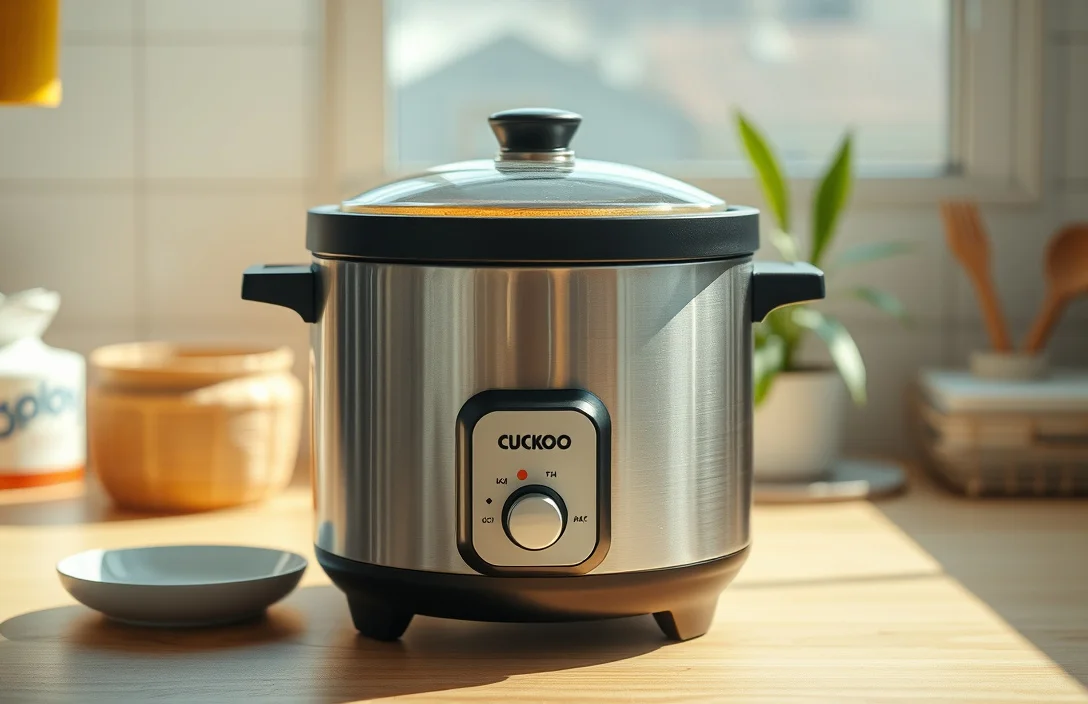
You don’t need lab tests to reduce risk with a rice cooker. You need a routine: follow the specific model’s instructions, keep the food-contact parts clean, and stop using the cooker if you see wear.
Use these tips, especially if you are buying used or refurbished units:
- Read the manual section on cleaning. Use the exact cleaning methods it recommends for the inner pot and lid.
- Run an initial “no-rice” cycle if the unit is new-to-you. Follow the instructions (some manuals recommend this), then clean afterward.
- Use soft tools for washing. A non-scratch sponge is safer than scrubbers when you are preserving coatings.
- Dry and store lid components correctly. Trapped moisture degrades seals faster and makes odors and residue more likely.
- Inspect after each deep clean. If you notice new surface changes after cleaning, switch tools or replace the affected part.
People usually damage rice cooker surfaces while trying to “get it spotless.” If you notice a smell that seems chemical, unusual discoloration, or visible coating wear, stop cooking and inspect the food-contact surfaces closely.
What you gain by treating “non-toxic” as a maintenance standard
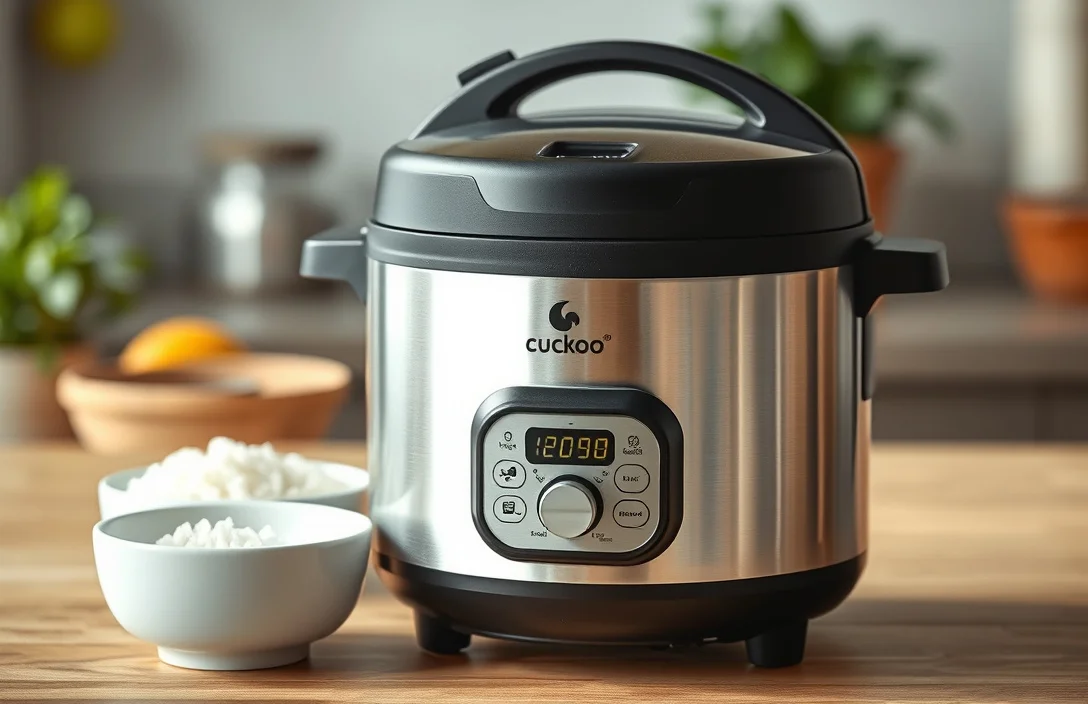
Treating “non-toxic” as “food-safe under normal use with good maintenance” gives you a clear, actionable standard. CUCKOO is built for regular cooking with built-in heating and pressure features on certain models, and the manufacturer expects users to maintain the device for safe operation.
When a rice cooker is kept in good condition, harmful exposure from the cooker itself is typically low. The materials are intended to withstand heat and food contact, and the user-controlled failure mode is surface degradation – the kind you can detect.
Better maintenance also improves performance. Clean steam pathways, intact inner lids, and an undamaged inner pot reduce off-flavors and residue buildup. If the cooker is working as designed, you spend less effort “scrubbing it back to normal” and more time actually cooking.
Buying choices that reduce coating worries
If minimizing coating-related worry is your priority, choose based on the inner pot material and the availability of replacement parts, not just marketing. CUCKOO sells multiple rice cooker types, and listings highlight different unit features and price points, including one-touch and other configurations.
Use these options to steer your decision:
- Choose food-contact materials you can visually inspect. If you can see the inner pot surface easily, you can monitor wear.
- Prefer models with straightforward inner-lid parts. Lid components and seals are where steam issues show up if something is damaged.
- Buy when replacement parts are supported for the exact model. If CUCKOO offers compatible inner lids and related components, you can replace worn parts instead of tolerating damage.
- If you are sensitive, lean toward simpler interior materials. Stainless or ceramic-style interiors reduce the “nonstick coating degradation” variable compared with heavily coated surfaces.
Before buying, confirm you can source replacement inner pots, inner lids, and clamps for that exact model. Safety gets easier when you can maintain the cooker with the right parts over time.
A simple rule I would follow
Treat a rice cooker as safe until a food-contact part shows damage that changes its surface or fit. “Non-toxic” claims can be a starting point, but your real safety comes from how you maintain the cooker and whether you replace worn components.
Here’s how I’d screen for risk:
- Use your senses and inspection as your test. Peeling, cracking, blistering, or persistent chemical smells are stop signs.
- Be strict about abrasion. Steel wool and aggressive scrapers increase the chance you damage protective layers.
- Don’t mix and match generic parts. Third-party lids or inner pots may not match the intended material compatibility or fit, which matters for the steam path.
- Follow the manual on overflows and maximums. Overflows create residue that is tempting to scrub hard later.
If you want the simplest path to “non-toxic-feeling,” prioritize the manual plus maintenance discipline. That beats relying on vague wording every time.
Real scenarios that change the answer
This gets clear in the situations that actually happen.
If you buy a used CUCKOO and the inner pot has visible scratches or dull patches that look like coating damage, don’t treat it as non-toxic anymore. Coatings can degrade in ways you might not fully understand, and replacing the inner pot (or choosing a different model) is the safer move.
In another common case, someone scrubs a sticky inner pot with a metal scouring pad and then months later notices a stronger odor when cooking. If the surface looks rougher after cleaning, you have a real reason to stop using it until you figure out what changed. Gentle tools and careful cleaning often prevent that cycle.
Steam and rice starch residue can also build up around the inner lid. If you skip cleaning the lid assembly, you can get more odor and residue, then you’re more likely to attack the surface aggressively later. Cleaning as the manual instructs keeps the steam path working normally and reduces the temptation to “fix it” with harsh abrasion.
FAQ
Is a “non-toxic” label required for rice cookers in the US?
No. “Non-toxic” is generally a marketing phrase, not a standardized US compliance label. What you should rely on is the manufacturer’s guidance for food-contact materials and normal use, plus your own inspection for wear. If the inner pot or inner lid looks damaged (peeling, cracking, warping), replace the part instead of assuming it is still safe.
What parts of a CUCKOO rice cooker matter most for safety?
The food-contact parts matter most – the inner pot surface, the inner lid, and any seals or gaskets that handle steam. The outer housing plastic is less relevant because it does not contact food directly. Safety risk rises when food-contact surfaces are scratched, peeling, or deformed, because heat and steam can expose more material than intact surfaces.
How often should I clean the inner lid and steam area?
Clean it regularly according to the manual, especially after sticky or starchy cooks that leave residue. If you notice film buildup, odors, or uneven steam release, clean more thoroughly. Remove and clean the parts the way the instructions show, and avoid harsh metal scrubbing that can damage surfaces.
Can using a damaged inner pot make a rice cooker less safe?
Yes. Visible peeling, bubbling, or coating damage is the most common “stop” sign because the damaged layer can shed or react differently under heat. If you see damage and can’t tell whether it’s superficial, replace the inner pot or switch models. Continuing to use a damaged food-contact surface is the easiest way to turn “designed to be safe” into “unknown risk.”
What’s the safest alternative if I’m worried about coatings?
Choose a CUCKOO model with an interior that is easier to monitor and maintain, or with interior surfaces less dependent on coatings. Stainless-style interiors are often less worrying than heavily coated nonstick surfaces because scratches are easier to interpret and there is no coating layer to degrade in the same way. Still, inspect for damage and follow cleaning instructions either way.

- 10 Best Slow Cooker For Mess Free Cooking 2026 (Tested And Reviewed) - October 24, 2026
- 10 Best Slow Cooker With Leak Resistant Lid 2026 (Tested And Reviewed) - October 24, 2026
- 10 Best Slow Cooker With Spill Proof Design 2026 (Tested And Reviewed) - October 24, 2026