Couscous In A Rice Cooker In 6 Easy Steps
Couscous in a rice cooker is surprisingly easy, and it works because couscous only needs hot water to hydrate. The timing and water ratio matter because it can go from fluffy to mushy fast. Use the reliable set-and-wait method below, then follow the nutrition and substitution answers people usually ask next.
Couscous in a rice cooker is a quick steam-hydration method. Add boiling water to dry couscous (about a 1:1 ratio) and let it rest 5 to 10 minutes. Turn the cooker off when the cycle ends, fluff afterward, and avoid long keep-warm holding that can make the texture go soft and gummy.
Key Takeaways
- Use the 1:1 ratio. Add about equal amounts of boiling water and couscous for even hydration.
- Rest 5 to 10 minutes. Steam finishes the texture after the cook cycle.
- Fluff with a fork. Separate clumps right after resting for a lighter result.
- Avoid long keep-warm. Extended warm holding keeps steaming and turns couscous gummy.
- Use fine couscous. Standard couscous gives the most consistent rice-cooker results.
- Know it is pasta. Couscous is made from ground durum wheat or semolina and is technically pasta, even when used like a grain.
how to cook it
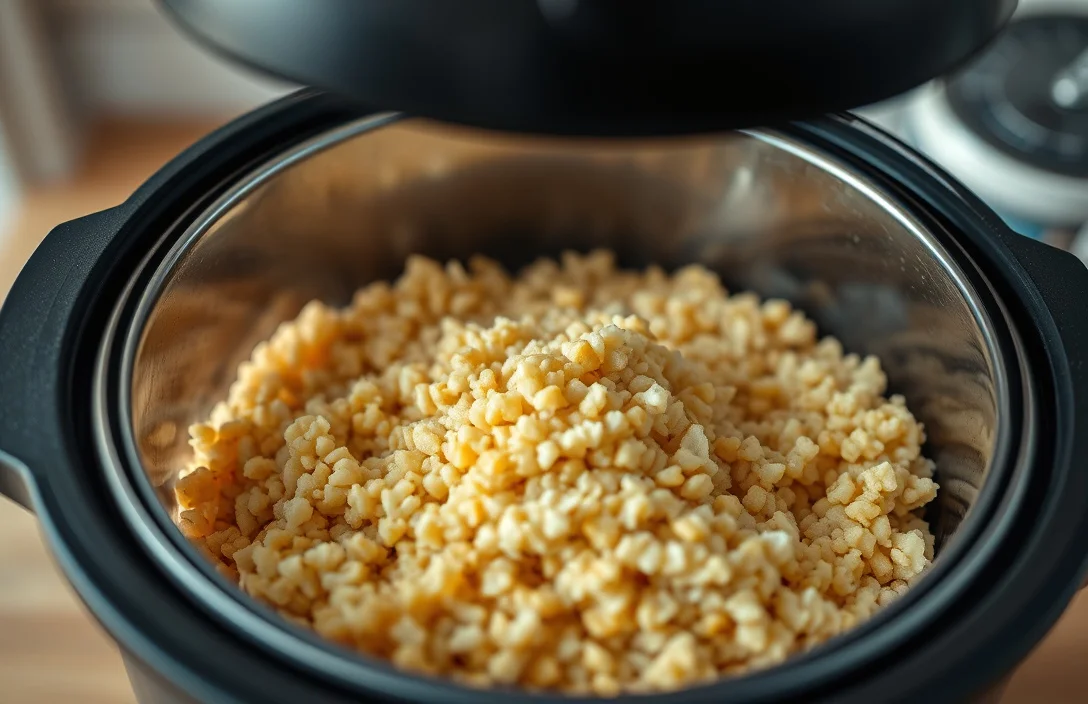
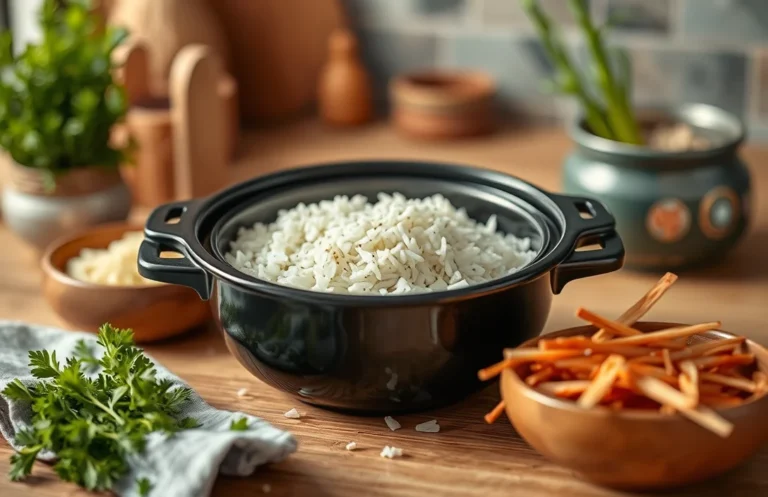
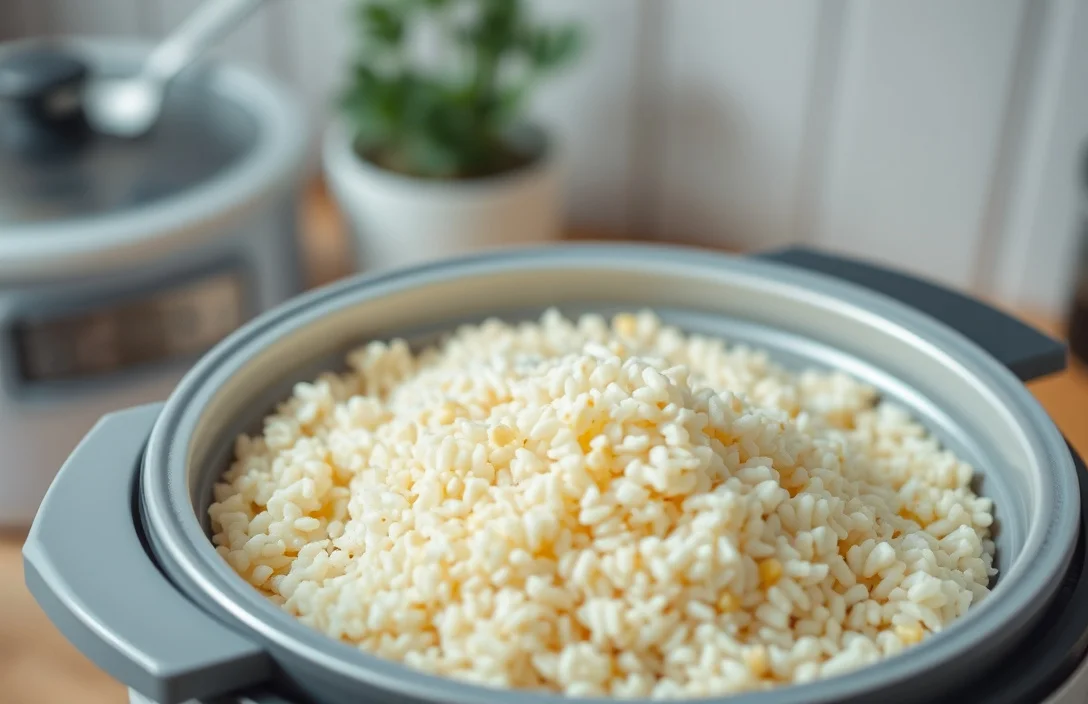
Yes, you can cook couscous in a rice cooker. The simplest approach is to treat it like steamed hydration: couscous absorbs hot water fast, then finishes during a short rest. For consistent texture, use boiling water and give it that 5 to 10 minute rest.
Choose the right couscous first. Standard couscous (often labeled “moroccan” couscous) matches rice-cooker steaming best. If you use larger “Israeli” style couscous, it usually needs different timing and more attention because it behaves more like a bigger pasta shape.
Here’s a method that works with a rice cooker that has a normal cook cycle plus a keep-warm setting:
- Measure the couscous. Use dry couscous and note the amount.
- Heat water to boiling. Couscous needs truly hot water to hydrate quickly.
- Add a 1:1 water ratio. Use equal volume of boiling water and dry couscous (scale proportionally).
- Cook on the shortest suitable cycle. Run a normal cook cycle, then plan to stop it when the cycle finishes.
- Rest off-heat for 5 to 10 minutes. Let it sit so absorbed water and steam finish the texture.
- Fluff immediately. Use a fork to separate grains, then serve.
If your rice cooker goes automatically to keep-warm, don’t let couscous sit there for long. Fluff it, and if you are within a few minutes of serving, turn off the cooker or move couscous to a separate bowl. That prevents over-softening and drying at the same time.
Keep the lid closed during hydration. Opening the cooker repeatedly dumps steam, and steam helps finish the texture during the rest window. If you’re feeding multiple people, cook one batch and fluff right away rather than letting it sit in the cooker for an extra 20 minutes.
Is couscous a grain or a pasta?
Couscous is technically a pasta. It’s made from ground durum wheat or semolina flour, then shaped into small granules. That pasta base is why couscous responds well to hot-water hydration.
People call it a “grain” because it looks like small pellets and you use it like rice, quinoa, or bulgur. For cooking method, though, the pasta reality helps: couscous tends to finish with steam and absorbed moisture rather than long simmering absorption.
This grain-vs-pasta difference mostly changes time management. Many grains tolerate longer cooking and holding, but couscous can turn mushy if you let it sit too long after hydrating. That’s why the rest window matters and why keep-warm holding should be brief.
When substituting, match the texture and moisture. Use the same couscous hydration approach, then fluff and serve promptly. If you’re swapping couscous for pasta in a recipe, treat it like a quick-cook starchy base you assemble with sauce or broth, not like pasta that needs boiling.
What is couscous, and is it good for you?
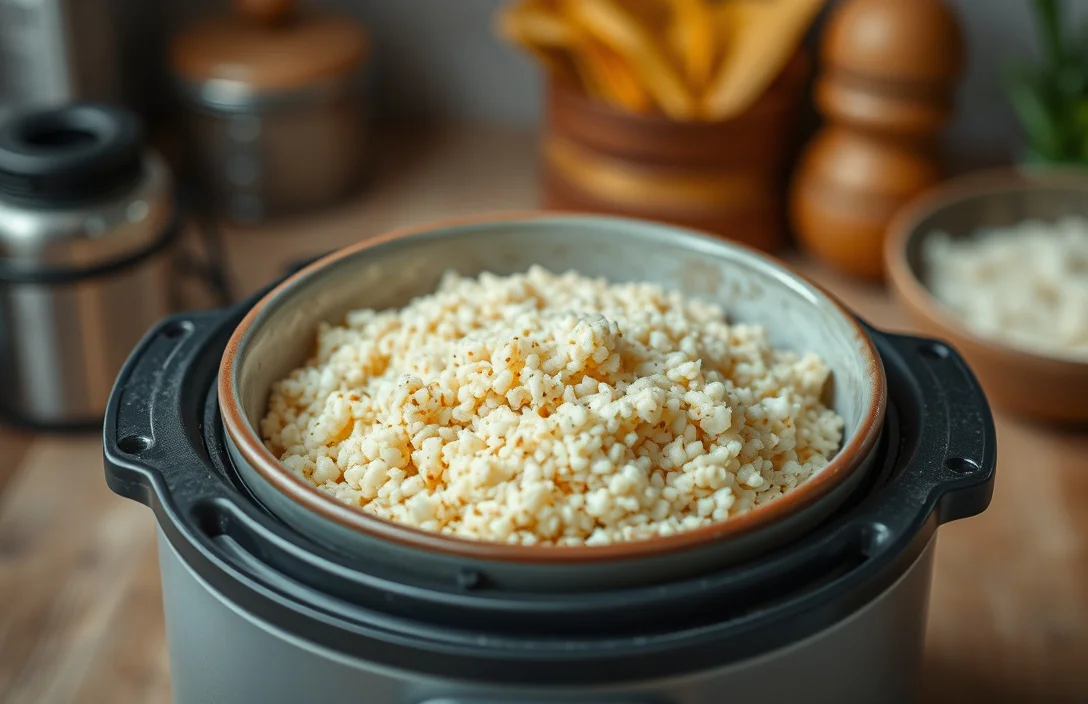
Couscous is a small durum wheat or semolina pasta product you hydrate with hot water, then fluff and eat. It’s versatile, so you’ll find it in salads, stir-fries, and bowls as a rice or quinoa replacement. As an everyday meal base, it soaks up seasonings well.
Couscous also provides nutrients. It includes B vitamins, manganese, magnesium, phosphorus, copper, and selenium. Nutrition varies by brand and portion size, but it’s not just “empty carbs” – it carries micronutrients because it’s a grain-like pasta.
You can also steer couscous to fit different goals. For more filling meals, add protein and fiber from chickpeas, beans, lentils, or vegetables. For sodium control, build flavor with herbs, garlic, lemon, and an appropriate amount of broth or sauce rather than relying on heavy seasoning.
Portion and pairing do most of the work for “is it good for you.” Couscous plus vegetables and a protein source makes a balanced bowl. Couscous with little plant matter becomes mostly starch. You can control that with how you season and what you serve alongside.
For rice-cooker cooking specifically, texture mistakes create extra work later. Overcooked couscous gets gluey, and many people compensate with more fat or sauce just to make it enjoyable. With proper hydration and immediate fluffing, the meal stays light and flavors stay bright.
Is couscous healthier than rice?
Couscous and rice are both starchy staples, so “healthier” depends on which rice you’re using and how you build the meal. Couscous includes B vitamins, manganese, magnesium, phosphorus, copper, and selenium. Rice’s benefits depend heavily on whether you choose brown rice, which has more fiber than white rice.
Couscous can help when you need faster meal prep. The rice-cooker method works quickly because couscous hydration finishes in minutes instead of the longer windows many grains require. When dinners are easier to make, you’re more likely to add vegetables and protein rather than reaching for convenience food.
Make your decision based on your “rice” version right now. If you’re using white rice, couscous can be a lateral swap for many diets, and it often feels more satisfying because it takes seasonings and broth well. If you’re already using brown rice, the fiber advantage is harder for couscous to match by itself.
The practical rule is simple: pick the option that helps you hit fiber and protein consistently. If couscous makes it easier to build a balanced bowl, it can be the healthier choice. If rice is your usual go-to, brown rice plus the same vegetable-and-protein structure is the better health move.
In short: couscous can be healthier than white rice in everyday diets when it helps you build more balanced bowls, but brown rice can still win on fiber depending on what you choose.

Helpful pick
Zojirushi NS-TSC10 5-1/2-Cup (Uncooked) Micom Rice Cooker and Warmer, 1.0-Liter
Cooks a variety of grains evenly, helping readers compare couscous and rice with confidence.
Is couscous healthier than quinoa?
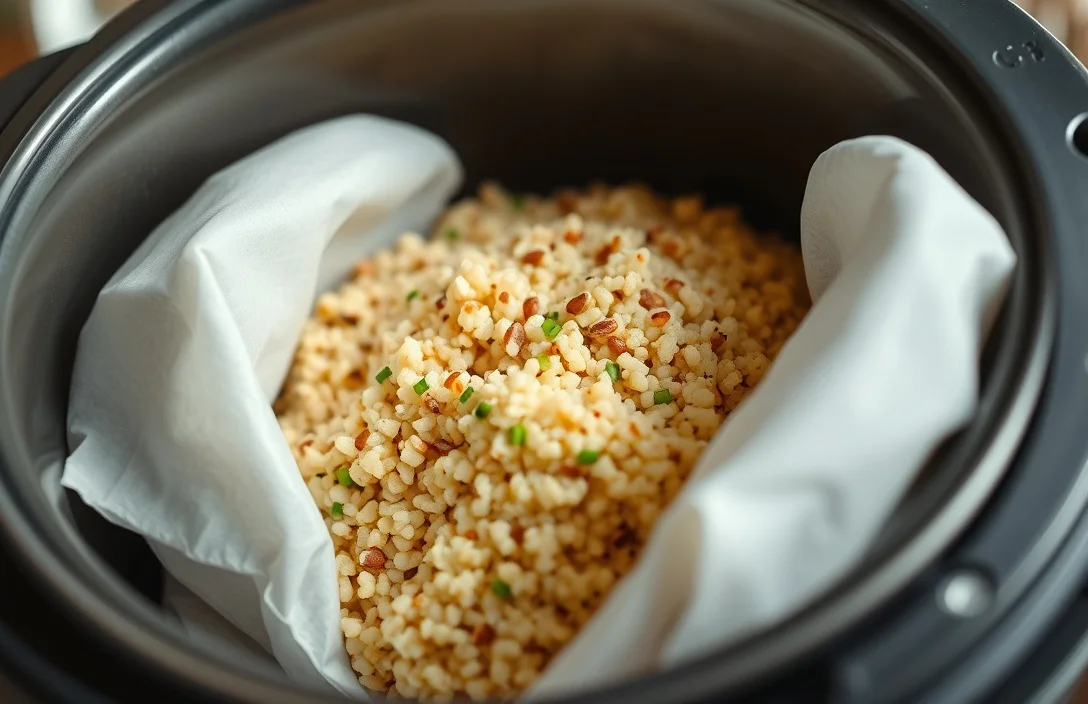
Couscous is nutritious, but quinoa often fits people’s “healthier” goal better when they want a more protein-forward base with a strong nutrient balance per calorie. Still, the biggest home-controlled differences come from portion size and what you add.
Couscous includes B vitamins, manganese, magnesium, phosphorus, copper, and selenium. Quinoa also provides a broad nutrient mix and is popular when you want a protein-forward alternative to rice and couscous. If you compare them purely as ingredients, quinoa often makes it easier to build a higher-protein meal without extra steps.
Couscous can still win for two reasons: convenience and texture. When couscous comes out fluffy and you can build a tasty bowl quickly, you’re more likely to eat it instead of skipping dinner or going for less balanced options. For weeknights, that consistency beats small label differences.
Choose based on what you’re optimizing:
- If you want a meal base that leans more protein and variety, quinoa usually works better.
- If you want faster cooking and a neutral, sauce-friendly base, couscous works well, especially with beans, chickpeas, or lean protein.
If you want the best of both, mix them. Half quinoa and half couscous keeps quinoa’s appeal while giving you couscous’s quick, light texture. For most people, the healthiest version is the one you actually cook and then load with vegetables.

Helpful pick
Rice Robot Personal Rice Cooker, PFAS-free, Nonstick. 1 Quart Capacity, with Stainless Steel Steamer Tray, Measuring Cups, Recipe Book with 60 Recipes, and Serving Spoon, As Seen On TV
Compact, personal cooker helps manage portions and align cooking of couscous or quinoa with daily goals.
How much water and time for couscous
Couscous works best with boiling water and a short hydration rest, which is why the rice cooker method needs minimal babysitting. Use a 1:1 ratio of boiling water to dry couscous, then rest 5 to 10 minutes. The rice cooker handles the “bring it together” step; the rest period finalizes the texture.
Exact time depends on your rice cooker model and whether it steams hot enough for fast hydration. If you let the cooker finish, still plan on a 5 to 10 minute rest before fluffing. If you fluff too early, you’ll often notice dryness in spots, especially near the bottom of the pot.

Helpful pick
BLACK+DECKER Rice Cooker 6-Cup (Cooked) with Steaming Basket, Removable Non-Stick Bowl, White
Compact 6-cup cooker supports small couscous batches and fast hydration rest, efficiently.
Use this as a starting guide:
| Couscous (dry) | Boiling water | Rest after cycle | Target texture |
|---|---|---|---|
| 1 cup | 1 cup | 5 to 10 min | Fluffy, separate grains |
| 1/2 cup | 1/2 cup | 5 to 10 min | Light and evenly hydrated |
| 2 cups | 2 cups | 5 to 10 min | Even hydration, fluff well |
If couscous turns out too wet, reduce water slightly next time instead of changing the whole method. If it comes out dry or dense, keep the 1:1 approach but be consistent with boiling water and the full rest window.
Long holding is the biggest enemy. If your rice cooker switches to keep-warm and stays there for 20 to 30 minutes, couscous can turn gummy. The fix is to time your cook cycle so you can fluff and serve right after the rest.
When scaling up, don’t assume doubling behaves perfectly. Steam and heat distribution can shift in larger batches. For bigger amounts, stir once gently after the cycle ends (carefully so you don’t mash), then rest for the same 5 to 10 minutes. Fluffing is what keeps the texture airy once everything is hydrated.
Finally, follow the package if your couscous brand specifies a different method. Finer or coarser couscous can hydrate at different speeds. The principles stay the same: boiling water, short rest, immediate fluff, and no extended keep-warm.
FAQ
How long does couscous take in a rice cooker?
Couscous needs a quick cook cycle plus a rest to finish hydrating. Use boiling water at about a 1:1 ratio, then rest 5 to 10 minutes before you fluff. The exact cooker time depends on your model, but keep-warm should not be relied on because it can soften couscous too much.
What water ratio works best for couscous in a rice cooker?
A reliable starting point is a 1:1 ratio by volume of boiling water to dry couscous. Mix 1 cup dry couscous with 1 cup boiling water, then rest 5 to 10 minutes and fluff. Adjust slightly if your brand consistently runs under- or over-hydrated.
Is couscous safe to eat if I leave it on keep-warm?
It’s generally safe, but the texture can worsen quickly. Extended keep-warm can make couscous turn gummy because it keeps steaming after it’s already hydrated. For best results, fluff and serve soon after the rest, or transfer it to a separate bowl.
What’s the most common mistake when cooking couscous in a rice cooker?
Using warm or not-hot-enough water, or skipping the rest period, causes the biggest problems. Couscous hydrates quickly when it hits boiling water, but it still needs those 5 to 10 minutes to fully soften. Another common mistake is leaving it on keep-warm too long after it’s done.
Can I substitute couscous for quinoa or rice?
Yes, couscous can replace rice or quinoa in most bowl-style recipes because it absorbs seasonings well and works with similar toppings. Couscous hydrates fast, so match the method and timing instead of using it like long-simmering rice. If you’re substituting in a quinoa meal for health reasons, keep the protein and fiber high with beans, chickpeas, or lean meat.

- 10 Best Slow Cooker For Mess Free Cooking 2026 (Tested And Reviewed) - October 24, 2026
- 10 Best Slow Cooker With Leak Resistant Lid 2026 (Tested And Reviewed) - October 24, 2026
- 10 Best Slow Cooker With Spill Proof Design 2026 (Tested And Reviewed) - October 24, 2026