Rice In The Slow Cooker Compared: White, Brown, Wild
Slow cooker rice is a lifesaver when you want a hands-off side, but it’s also where people most often end up with undercooked grains or mush. Getting it right comes down to water ratio, rice type, and when you open the lid. Match those and you’ll get tender, separate rice instead of a starchy mess.
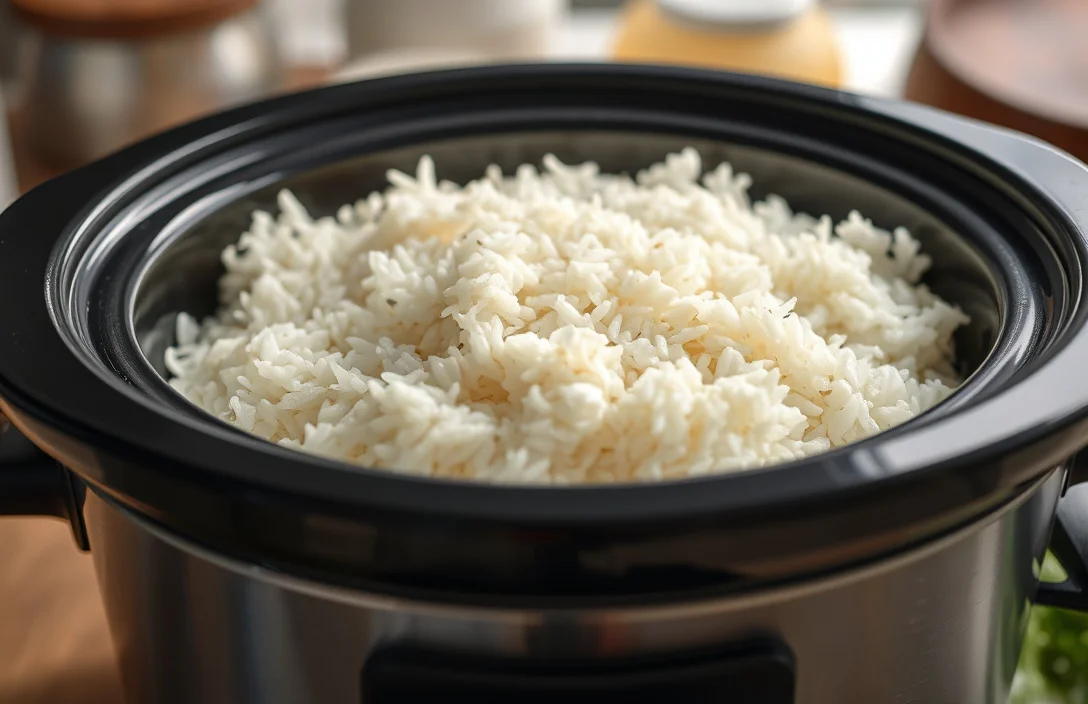
Slow cooker rice works when you match rice type to a realistic simmer window and keep the lid closed. Start with 1 cup long-grain white rice to 2 to 2 1/4 cups liquid, then cook on High for about 2 to 3 hours or Low for about 4 to 6 hours. Rest 5 to 10 minutes, then fluff.
Key Takeaways
- Use the right ratio. Long-grain white rice needs about 2 to 2 1/4 cups liquid per 1 cup rice.
- Plan for slower cooking. Expect 2 to 3 hours on High or 4 to 6 hours on Low for white rice.
- Keep the lid closed. Opening the slow cooker releases heat and can add 30+ minutes to the cook.
- Rinse selectively. Rinsing helps with stickiness, but sticky rice can be intentional for bowls and sushi-style dishes.
- Rest before serving. Let rice rest 5 to 10 minutes, then fluff with a fork for better texture.
- Don’t overfill. Too much volume can boil over, thicken unevenly, and leave edges drier than the center.
What to know about cooking rice in the slow cooker
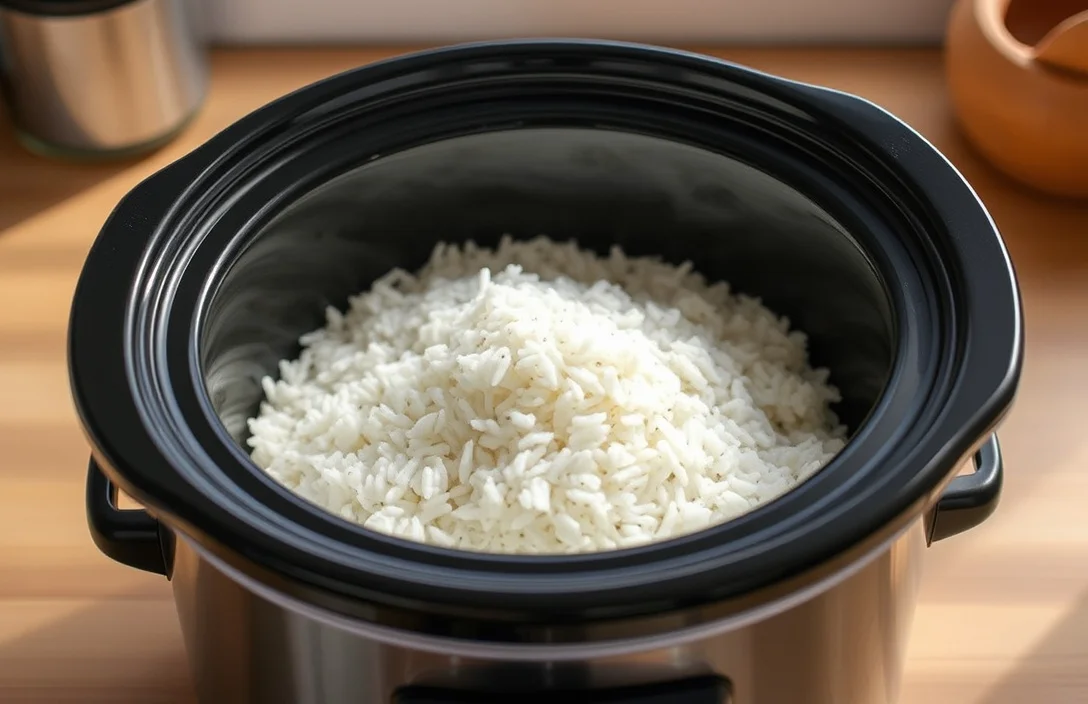
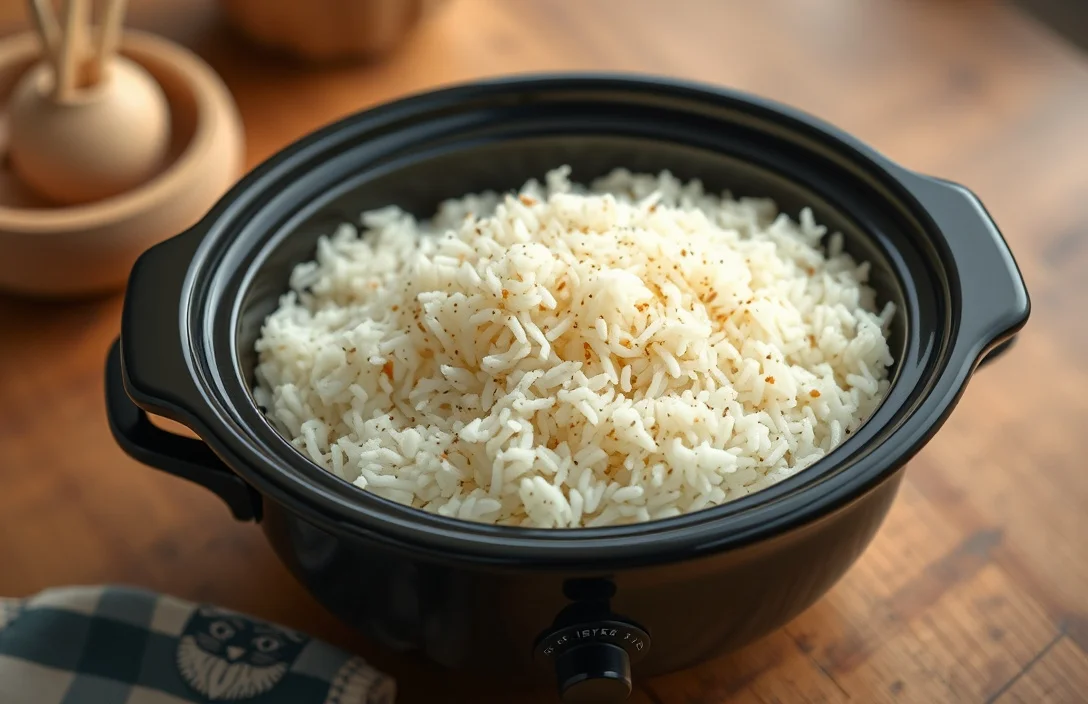
Slow cooker rice behaves differently than stove-top rice because the heat is lower and steadier, and the lid traps steam. You still need the same basics – starch hydrates as liquid is absorbed – but the slow cooker controls that process through ratio and time instead of boiling and stirring.
The biggest practical difference: slow cookers don’t cycle like a burner. If you run white rice too long, it can go from “almost tender” to soft in a hurry.
Rice type matters just as much as timing. White rice hydrates and softens faster than brown rice, and wild rice has its own longer schedule. Use the wrong expectations and you’ll either drain water you don’t need or end up with crunchy grains when you want something fluffy.
Plan in ranges. White rice is usually a same-day fix. Brown and wild are “start earlier or accept longer time” situations. If your slow cooker has a “Warm” setting, it can act as a buffer after cooking finishes – but don’t treat it as an all-day solution.
Also, don’t judge doneness by the top. Slow cookers heat from the edges and bottom, so the surface can look fine while the center is still absorbing liquid. Resting plus a quick stir-check is what saves the texture.
Things that matter most
Liquid ratio decides almost everything. For long-grain white rice, start with 1 cup rice + 2 to 2 1/4 cups liquid. Wet rice in the middle usually means you went too high on liquid or you let it run too long.
Time control depends on the setting. High cooks faster, but it still isn’t stove-top fast, and a hot-running slow cooker can overshoot. A solid baseline for long-grain white rice is 2 to 3 hours on High or 4 to 6 hours on Low, then rest.
Lid discipline prevents timing drift. Every time you open the lid, steam escapes and temperature drops, which can change texture and how long the center takes. Aim for one “check” near the end, not repeated peeking.
Stir and rest finish the job. Stir after it’s done so heat and steam distribute evenly. Resting matters because grains keep absorbing liquid after the slow cooker turns off, which turns “watery” into “properly set.”
Treat add-ins like liquid. Chicken broth, condensed soup, tomato sauce, or anything saucy effectively increases the liquid ratio. If you add extra moisture, reduce the added water accordingly.
Use this baseline for plain rice (no meat, no extra sauce):
| Rice type | Best liquid start point | Cook on High | Cook on Low | Expected texture |
|---|---|---|---|---|
| Long-grain white | 1 cup rice + 2 to 2 1/4 cups liquid | 2 to 3 hours | 4 to 6 hours | Fluffy, separate grains |
| Medium-grain white | 1 cup rice + 2 to 2 1/2 cups liquid | 2.5 to 3 hours | 5 to 6 hours | Slightly creamier |
| Brown rice | 1 cup rice + 2 1/2 to 3 cups liquid | 3 to 5 hours | 6 to 8 hours | Tender but more tooth |
| Wild rice | 1 cup rice + 3 to 4 cups liquid | 4 to 6 hours | 8 to 10 hours | Chewy, distinct grains |
Start here, then adjust based on your brand and how full your pot is.
Tips for slow cooker rice that actually works
Keep the lid mostly closed. Check once if you must, then stir thoroughly and put the lid back on so the center finishes absorbing.
Rinse white rice when you want less stickiness. Rinsing removes surface starch and helps long-grain stay separate. Skip rinsing when clumping is a feature – like rice bowls.
If you’re cooking with protein, let rice hydrate first. Chicken thighs and vegetables work better when they’re added after the rice has had some time to start cooking, because long raw cook times can soften rice too far in all-in-one setups. If you do everything at once, cut ingredients smaller and keep liquid controlled.
Don’t rely on smell. Rice can smell “done” before the middle finishes hydrating. Do a quick texture check: grains should be tender through the middle, not just at the surface. If needed, cook another 15 to 30 minutes and check again.
Season at the end. Salt and broth are helpful, but heavy seasoning in the cooking liquid plus extra cook time can leave dry edges and a mushy interior. Salt in the cooking liquid is fine, then adjust with extra salt and aromatics after you fluff.
Substitutions that keep the method consistent:
- No broth? Use water, then finish with salt and butter or olive oil.
- Low-sodium broth? Increase salt slightly after resting since slow cooking can’t “fix” underseasoned rice later.
- Milk or coconut milk base? Combine with water so rice still hydrates properly. Coconut-based liquids can thicken too fast if used alone.
- Vegetarian? Use vegetable broth and add aromatics like garlic or ginger at the start.
Protect your pot, too. Don’t fill above the manufacturer’s max line. Rice expands as it absorbs liquid, and overfilling can boil over – thick overflow plus miserable cleanup.

Helpful pick
Crock-Pot 8-Quart Manual Slow Cooker, XL Family Size Serves 10+ People, Removable Stoneware with Warming Setting, Dishwasher Safe for Easy Cleanup, Red
The 8-quart capacity is ideal for cooking rice for large meals without crowding the pot.
Benefits of slow cooker rice (and what you trade off)
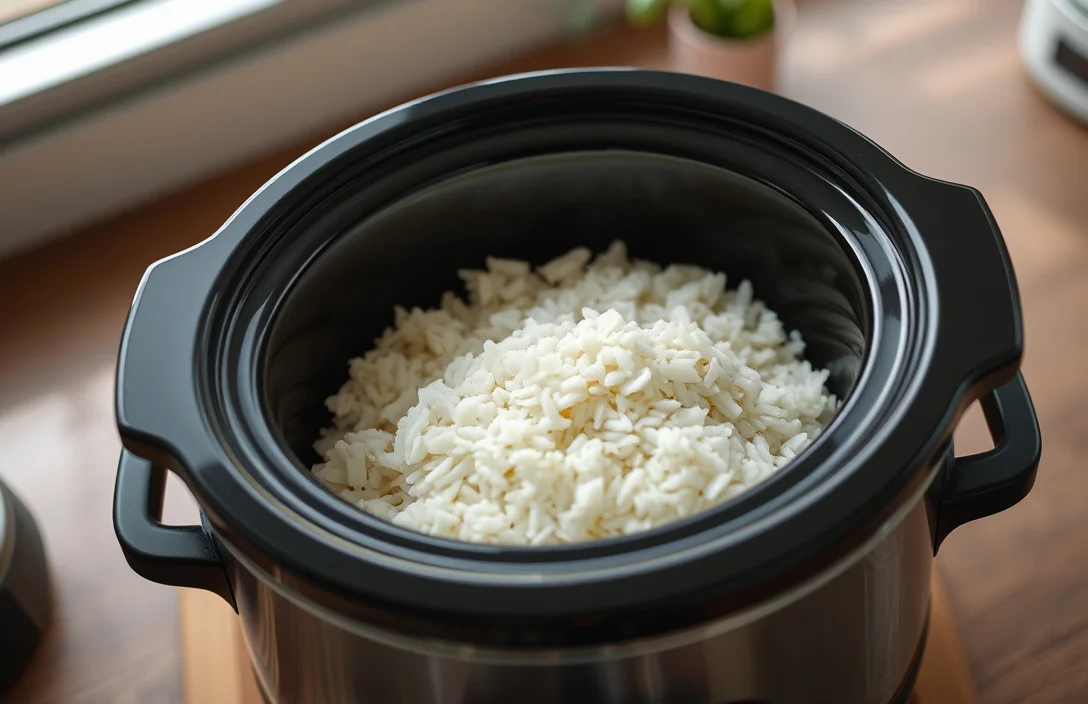
Hands-off timing is the real advantage. Once the pot is going, you can focus on the rest of dinner without worrying about a stovetop burner scorching rice. The steady temperature also tends to produce more consistent texture than a burner that cycles.
Bigger batches are easier. When you’re feeding a family or prepping lunches, slow cooker rice scales with less babysitting. Stir once near the end, fluff, portion, and you’re done.
Rice also holds well when you use “Warm” correctly. Rest first, then warm briefly for serving. Extended high-heat time keeps softening grains, so don’t leave it for hours.
The method is great for one-pot planning: cook rice in seasoned broth, then finish with toppings at serving time (green onions, sesame oil, a sauce). That keeps the “flavor work” fresh instead of cooking it all away.
The trade-off is scheduling. Brown and wild rice need longer windows. Opening the lid repeatedly also defeats the stable steam environment that makes this method work.
Helpful pick
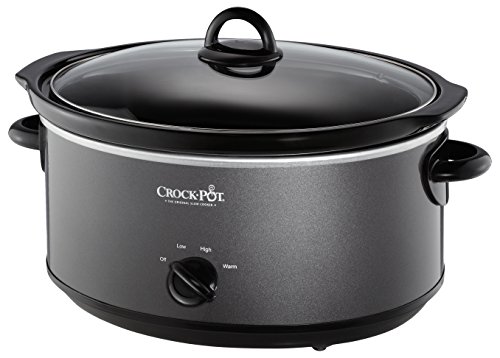
Crock-Pot 7-Quart Manual Slow Cooker, Family Size Serves 8+ People & Fits 6-lb Roast, Removable Stoneware with Warming Setting, Dishwasher Safe for Easy Cleanup, Charcoal
A 7-quart slow cooker handles rice in larger batches, delivering hands-off cooking and steady texture.
Options for cooking rice in the slow cooker
Long-grain white rice delivers the most predictable results. Long-grain stays your safest bet for fluffy, separate grains. Medium-grain goes a bit softer and creamier. Short-grain works, but it’s naturally stickier, which changes texture after resting.
Brown rice is doable, but treat it differently. It needs more liquid and more time because the bran layer slows hydration. Expect a longer cook and a “chewy tender” result rather than fluffy grains.
Wild rice is a different project. It often takes longer than brown rice and stays chewy instead of soft like white rice. Wild rice blends vary, so check near the end and add liquid if your blend isn’t absorbing evenly.
You can also cook rice as a base for meals. Cook in seasoned broth, then switch toppings and sauces after – rice bowls, stuffed peppers filling, or a fried-rice-style repurpose after chilling.
For add-ins during cooking, choose ones that don’t soak up liquid aggressively. Frozen peas, carrots, and corn are fine. Very starchy add-ins can thicken the pot faster than you expect, and any sauce you pour in counts as part of the liquid ratio.

Helpful pick
Elite Gourmet MST-275XS Electric Oval Slow Cooker, Adjustable Temp, Entrees, Sauces, Stews & Dips, Dishwasher Safe Glass Lid & Crock (2 Quart, Stainless Steel)
Its adjustable temperature helps manage rice texture, giving consistently fluffy, separate grains when cooking long-grain white rice.
Best control usually comes from keeping the rice stage focused:
- Cook rice to done,
- Rest and fluff,
- Then add fresh herbs, cheese, or finishing oils.
This prevents overcooked vegetables and keeps the rice from turning gummy.
What experienced users learn
Pull rice a little under if you’re close to the line between tender and over-soft. Resting finishes hydration, so you get better texture than if you cook until it looks perfect while it’s still very hot.
Use High for faster dinners. Use Low when you want more reliable texture. High can be helpful if you forgot to start, but it’s easier to overshoot if your slow cooker runs hot. Low hydrates steadily and forgives small timing slips.
Do one intentional check. Take the lid off briefly near the last third of the expected cook time, stir, and taste one or two grains. If they’re still crunchy, cook another 15 to 30 minutes. If they’re tender but wet, turn down (or leave the lid on only briefly at the end) and rest before serving.
Avoid “dry, then add liquid” as a strategy. Once the surface sets and starch gels unevenly, adding more water later can cause patchy texture. Hit your starting liquid ratio, then adjust only near the end if the pot clearly needs moisture.
If you cooked with broth or seasoned liquid, taste after cooking. Rice perception of salt changes with time, so you can end up under- or over-seasoned. Season after rest for a cleaner final flavor.
If you’re using a new rice brand, write down the ratio and cook window you used. Grain size and moisture vary even within “long-grain white,” and notes make repeat success easy.
Examples of slow cooker rice that fit real meals
For a classic weeknight side, cook long-grain white rice in seasoned broth and serve with butter and lemon. Use 1 cup rice + 2 to 2 1/4 cups broth, then cook on High for 2 to 3 hours or Low for 4 to 6 hours. Rest 5 to 10 minutes, fluff, then add salt to taste and a small squeeze of lemon.
For meal-prep bowls, cook the rice plain and build flavor on top. Use the same long-grain base, portion into containers, and top with roasted chicken, sautéed peppers, and a quick sauce. Plain rice holds up better in the fridge, and a quick splash of water helps it reheat.
For a one-pot comfort dish, cook rice alongside soup base until tender, then add fresh mix-ins. Start with broth, onion powder, and garlic powder, then cook on Low so it doesn’t turn mushy. After it’s done, stir in chopped parsley or green onions to keep the flavor bright.
For brown rice lunches, commit to a longer start time. Use 2 1/2 to 3 cups liquid per 1 cup brown rice, then cook on Low for 6 to 8 hours. Plan on the full window and rely on the rest period for best texture rather than rushing.
For wild rice blends, start earlier and check near the end. Wild rice can take 8 to 10 hours on Low depending on the blend, and chewy grains are normal rather than soft like white rice. Taste and adjust liquid if the pot looks dry, then rest before serving.
FAQ
How long does rice in the slow cooker take?
Long-grain white rice usually takes about 2 to 3 hours on High or 4 to 6 hours on Low. Brown rice is typically 3 to 5 hours on High or 6 to 8 hours on Low. Wild rice takes longer, often 4 to 6 hours on High or 8 to 10 hours on Low. Do a late taste test.
What liquid-to-rice ratio works best?
For long-grain white rice, start with 1 cup rice + 2 to 2 1/4 cups liquid. Medium-grain white often needs up to 2 to 2 1/2 cups liquid per 1 cup rice. Brown rice commonly starts around 2 1/2 to 3 cups liquid per 1 cup, depending on brand. Tender grains come from absorbing liquid and resting, not draining off water.
Can I cook rice in the slow cooker overnight?
Skip overnight cooking unless you can set it safely to “Warm” once it’s done. Rice overcooks quickly in extended heat, especially if you run longer than the recommended window. For safety and texture, cook on High or Low to done, rest 5 to 10 minutes, then move to Warm briefly.
Why is my slow cooker rice mushy?
Mushy rice usually means too much liquid or too much time. Most often, long-grain white rice runs too long on High, or you use liquid closer to the upper range without adjusting time. Repeated lid opening can also affect evaporation and timing. Next time, reduce liquid slightly and pull it earlier, then rest.
Can I substitute different rice types (like brown or wild)?
Yes, but change both liquid and cook time. Brown rice needs more time and often 2 1/2 to 3 cups liquid per 1 cup rice. Wild rice blends usually take much longer and are often best when you taste near the end. If you swap types, don’t reuse the same timing you used for white rice.
Slow cooker rice is easiest when you treat it like a low-stress simmer, not an experiment. Start with long-grain white rice at 1 cup rice to 2 to 2 1/4 cups liquid, cook 2 to 3 hours on High or 4 to 6 hours on Low, then rest 5 to 10 minutes and fluff. If you want the next best step, pick one rice type you buy often and record your exact ratio and cook window after your first try.

- 10 Best Slow Cooker With Cool Touch Handles 2026 (Tested And Reviewed) - October 22, 2026
- 10 Best Slow Cooker With Quality Construction 2026 (Tested And Reviewed) - October 22, 2026
- 10 Best Slow Cooker With Premium Construction 2026 (Tested And Reviewed) - October 22, 2026