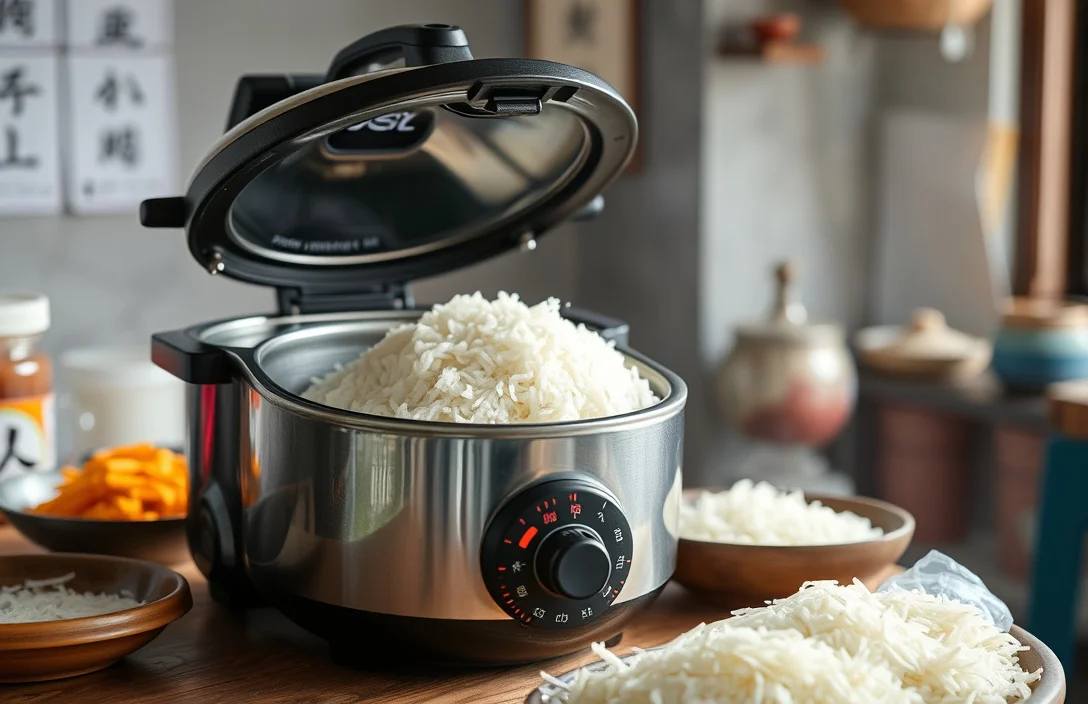
Chinese Sticky Rice Rice Cooker How To Get Tender Rice
Chinese sticky rice in a rice cooker is all about getting the “steam” right, not just boiling water. Many Chinese-style sticky rice cookers have a specific mode for glutinous rice, or a “porridge”/“steam” option that works similarly. This guide tells you which settings to use, how much water to add, and what to do if your rice turns out too hard or mushy.
Sticky rice (glutinous rice) in a Chinese rice cooker works best on a dedicated “glutinous” or “sweet rice” mode, or the closest equivalent like “steam” or “porridge.” Start with 1:1.1 to 1:1.3 rice-to-water by volume for tender, sticky results, and plan for about 45-60 minutes total cook plus a short steam rest.
Key Takeaways
- Use glutinous mode. If your cooker has “glutinous rice” or “sweet rice,” pick that first for best texture.
- Choose steam-like heat. “Steam” or “porridge” modes usually mimic the softer, stickier result you want.
- Soak for consistency. Soaking glutinous rice improves even cooking, especially if you run a shorter cycle.
- Water ratio matters. Aim for about 1:1.1 to 1:1.3 rice-to-water, then adjust after one test batch.
- Line for easy release. A parchment liner or lightly oiled basket liner prevents sticking and breakage.
- Fix texture fast. Too hard means more water or longer cook, too mushy means less water or less time.
Chinese Sticky Rice Rice Cooker Settings
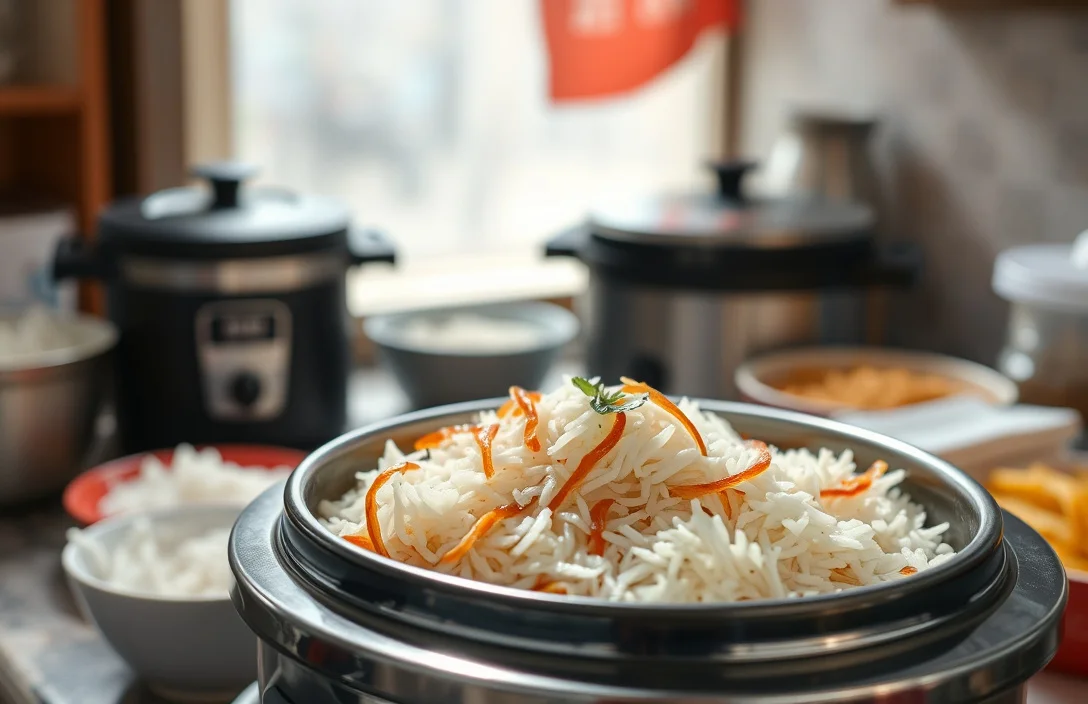
Start with the principle that sticky rice is steamed until tender, not cooked like regular white rice. On most Chinese-style rice cookers, the best choice is a dedicated Glutinous Rice (sometimes labeled Sweet Rice). If you have it, use it, because those programs usually deliver steadier heat for the thicker, starchier grain.
If your cooker does not list glutinous rice, you have two workable substitutes: Steam and Porridge/Congee. Steam is close to what you want because it avoids boiling damage to the outer starch layer. Porridge or congee modes often run longer and at lower intensity, which can also yield tender, sticky grains without leaving the center undercooked.
Practical rule: if the mode description says something like “steam,” “sticky,” “sweet,” or “glutinous,” use it. If the only options are White Rice, Quick, or Sushi, those are usually meant for non-glutinous rice and will trend either too firm or too wet for this use. You can still try them, but expect to do more ratio and time tweaking.
In practice, you’ll get your best repeat results if you treat your first batch as calibration. Note your cooker’s model if you can, then write down which mode you used and the exact rice-to-water ratio. After one test, you’ll know whether your unit runs hot (mushy) or cool (hard).
Which Rice Cooker Modes Work Best
Dedicated glutinous settings are best because they balance longer steaming with controlled temperature, so the rice starch turns tacky instead of gummy or undercooked. If you see Glutinous or Sweet Rice, that is your “set it and forget it” choice. With that mode, you usually need less fiddling than you do with general-purpose programs.
The runner-up is Steam if your cooker truly steams rather than “boils and then rests.” Use Steam when your cooker’s Steam function runs long enough to fully hydrate the center. If your Steam cycle is very short, your rice may look done on top and still feel hard inside.
Porridge/Congee is the best fallback when you only have one “long simmer” style button. It tends to keep moisture inside the cooking chamber for longer, which is helpful for glutinous rice. The trade-off is that porridge-style heat can push you toward mushiness if you over-add water.
Here’s a quick way to choose without overthinking:
- Use glutinous/sweet mode when available, because it targets the starch behavior you want.
- Use steam mode when you need tender grains and can afford a slightly longer cook.
- Use porridge/congee mode when your cooker lacks steam and you want a forgiving, longer hydration cycle.
If you want an even safer starting point, you can pair your mode choice with a consistent “test batch” water ratio, then adjust only one variable at a time. For example, if mushy happens, reduce water next time. If hard happens, add water or lengthen the rest time next time.
Soak vs No Soak for Glutinous Rice
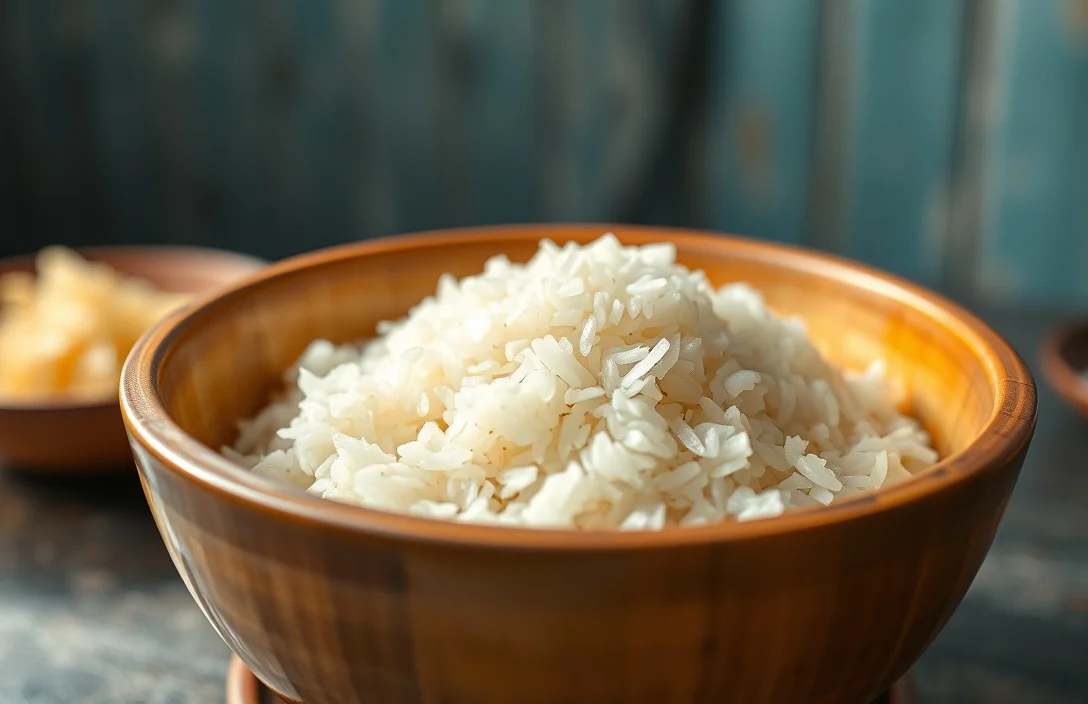
Soaking glutinous rice improves texture because it hydrates the starch evenly before the cooker heats it. If your rice is unsoaked, the outer layer can soften while the center lags behind, which shows up as rice that is tender at the surface but firm in the middle. Soaking is especially helpful when you are using a non-dedicated mode like Steam or Porridge.
If you skip soaking, you can still get good results, but you must compensate with either a bit more water or a longer cook/steam rest. Unsoaked rice also tends to be more sensitive to exact ratio, because some grains simply take longer to fully hydrate. In other words, “no soak” increases variability, which is fine once you know your cooker.
How long should you soak? Use a short soak so you don’t end up with fragile grains. A practical starting point is 30 minutes at room temperature. If you live in a hot climate or your kitchen is warm, reduce soak time slightly to avoid overly soft surfaces.
For people in a hurry, I usually do this: soak if you’re not using a dedicated glutinous program, and skip soaking if you are. With a dedicated glutinous mode, the cycle is often long enough that unsoaked rice still turns out sticky and tender. Either way, your first batch is your baseline.
In practice, choose soaking based on your cooker behavior. If your glutinous mode already runs a long cycle (or you see extra steaming time), no-soak is more likely to work. If your mode is short or you’re using a substitute like Steam, soak to prevent hard centers.
Water Ratio for Sticky Rice Texture
Water ratio is the lever that changes everything. For Chinese sticky rice (glutinous rice), a dependable starting range is 1:1.1 to 1:1.3 rice-to-water by volume. That range aims for sticky, tender grains without turning the whole pot into paste.
If your result is too hard or chalky, increase water slightly next time. If your result is mushy, reduce water slightly. Don’t change both at once if you want fast learning, because then you won’t know which adjustment fixed it.
Here’s a simple reference table you can use for your first try:
| Rice-to-water ratio (by volume) | What you’ll likely get | Best when |
|---|---|---|
| 1:1.1 | Sticky but slightly firmer | Your cooker runs hot or you prefer firmer bites |
| 1:1.2 | Tender and reliably sticky | Most kitchens and most cookers |
| 1:1.3 | Very soft, higher risk of mush | Your cooker runs cool or you use no soak |
A small detail that matters: measure the water in the same way each time (same measuring cup, same level, not “eyeballing”). Glutinous rice is sensitive, and your own eye can drift by 1-2 tablespoons without you noticing.
Also watch your liner and steam setup. If you line the pot or use a steamer basket that traps less moisture than the cooker’s default setup, you may need the higher end of the ratio. If your lid seals well and condensation stays inside, you may land closer to 1:1.1 to 1:1.2.
For repeatable results, commit to one ratio for your next batch, then only adjust soak time or cook mode. After two batches, you’ll have a “your cooker” setting you can trust.

Helpful pick
COMFEE’ Rice Cooker 12 Cups Cooked/6 Cups Uncooked, Portable Non-Stick Rice Maker, Japanese Rice Cooker with Fuzzy Logic Technology, 24-Hour Timer Delay, 11 Presets, Steamer, Fast Cooker, Grain Cooker, Black
Its fuzzy-logic presets and grain-specific settings help dial in water ratios for optimal sticky rice texture.
How to Line the Pot for Easy Release
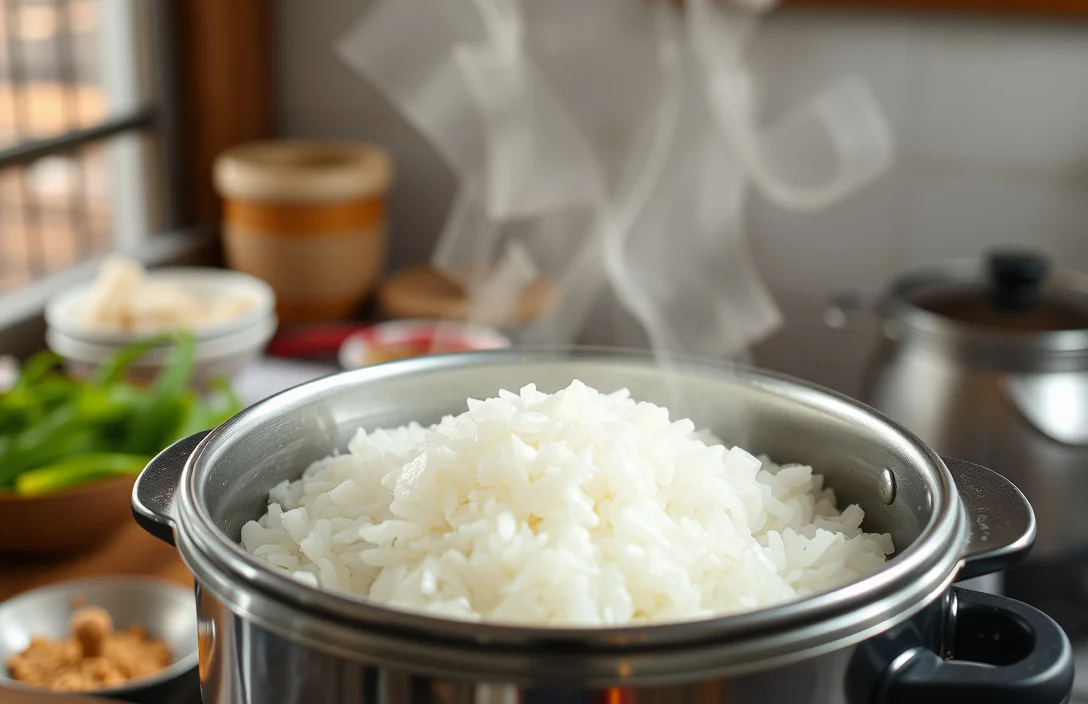
Lining is the easiest way to prevent sticky rice from tearing when you scoop it out. The goal is to stop grains from bonding to the bottom and sides while still letting moisture and heat circulate.
A good option is parchment paper cut to the bottom, plus a small amount of margin so it sits flat. Make sure the parchment doesn’t touch heating surfaces if your cooker has exposed heat elements. For most rice cookers, parchment on the bottom is safe and makes removal dramatically easier.
If your rice cooker uses a removable inner pot and you often see rice weld itself to the base, you can also lightly oil the parchment or the pot bottom with a neutral oil. Don’t overdo oil, or you’ll end up with slick, uneven sticking instead of clean release.
When you want “bucket release” for serving, use a liner that stays stable during stirring-free cooking. Some people use bamboo steaming liners for a basket setup, but those can leave textures behind if they trap too much steam or if the rice settles into the fibers. Parchment is usually the cleanest outcome for home kitchens.
Here’s a quick checklist that saves you trouble:
- Use a flat, bottom-only liner if your cooker pot has good side walls.
- Keep liners wrinkle-free so steam doesn’t create gaps.
- Prevent heater contact if your unit has any exposed elements.
- Consider light oil only if rice still clings after lining.
In practice, the best “easy release” setup is usually parchment at the bottom, cooked normally, then rested before scooping. Rest time lets the outer starch gel a bit and makes grains hold together instead of smearing.

Helpful pick
Cosori Rice Cooker 10 Cup, 24h Keep Warm, Non-stick Ceramic Inner Pot, 18 Functions Fuzzy Logic Rice Maker with Stainless Steel Steamer Basket, Sauté, Slow Cooker, Black
A non-stick ceramic inner pot complements parchment lining, making release gentler and keeping grains intact.
Troubleshoot Rice That Is Too Hard or Mushy
Hard sticky rice usually means the grains didn’t fully hydrate. Mushy sticky rice usually means you added too much water, cooked too long, or both. Fixing either one is straightforward, as long as you change only one variable at a time.
For rice that is too hard (common causes):
- Not enough water – increase your water ratio toward the higher end (for example, move from 1:1.1 toward 1:1.2).
- No soak with a short mode – soak the next batch (around 30 minutes) or use a longer mode.
- Not enough rest time – after cooking finishes, let it sit with the lid on so moisture evens out.
For rice that is too mushy (common causes):
- Too much water – move down the ratio (for example, 1:1.3 to 1:1.2 or 1:1.1).
- Too long in a congee/porridge mode – shorten the cycle if your cooker allows it, or use glutinous or steam instead.
- Over-handling – stirring too aggressively can break grains and make the surface starch look gummy.
A practical adjustment workflow is worth following because it prevents endless guesswork. First, identify whether the problem is center-hardness (usually hydration) or whole-pot mush (usually excess moisture). Second, adjust water ratio by a small step and keep everything else the same.
For example, if you used a dedicated glutinous mode and still got hard rice, your water was likely low or your soak was skipped when it shouldn’t have been. If you got mushy rice on steam mode, your water might be too high, or your liner trapped more condensation than usual.
If you want a fast rescue while you’re still cooking, don’t dump water back in blindly. Instead, keep the lid on, extend with a short steam rest (even 5-10 minutes), then check. For mushy rice, stop adding time and focus on serving quickly, because cooling can make it set differently but it won’t “undo” overhydration.

Helpful pick
Yum Asia Panda Mini Rice Cooker With Ninja Ceramic Bowl and Advanced Fuzzy Logic (3.5 cup, 0.63 litre) 4 Rice Cooking Functions, 4 Multicooker functions, Digital LED display – 120V
Uses fuzzy logic to adjust cooking variables, helping you dial in perfect hydration for sticky rice.
Keeping Sticky Rice Fluffy After Cooking
Sticky rice can firm up as it cools, and that’s normal, but you can still keep it from turning clumpy. The key is to rest it, then fluff gently so the starch distribution evens out without crushing grains.
Let the rice rest with the lid on immediately after the cook cycle ends. This prevents steam escape and helps hydration finish in the center. After the rest, use a rice paddle or a plastic spatula and lift and fold gently rather than stirring like regular fried rice.
If you’re serving soon, keep it warm but not wet. Some cookers keep “keep warm” mode too humid, which can soften grains and increase stickiness into clumps. If your unit has a temperature setting, aim for the lowest keep-warm option that still keeps rice warm.
For leftovers, the texture changes a lot based on moisture. Cool the rice uncovered for a few minutes so surface steam can escape, then store in an airtight container. When reheating, sprinkle lightly with water and reheat with steam, not high direct heat, to rehydrate without making the rice mushy.
In practice, I like this sequence: cook, rest 10 minutes, then fluff gently. If you plan to hold it for more than 30-60 minutes, consider transferring to a warmer container that traps heat but allows a bit of steam control. That reduces the “wet clump” effect.
Also, don’t add oil or syrup after cooking unless that’s the dish you’re making. Plain sticky rice should be tacky, not greasy. If you want a glossy finish for desserts, add the extra ingredients after you fluff, so they coat the grains instead of sitting in puddles.
FAQ
What setting should I use for Chinese sticky rice in a rice cooker?
Use the glutinous rice or sweet rice mode if your cooker has it. If you don’t have that, try steam for a more even tender result, or porridge/congee if steam is unavailable. Start with a water ratio around 1:1.2 by volume and keep the lid on for a short rest.
Do I need to soak glutinous rice before cooking?
Soaking helps most when you are using a non-dedicated mode or your cycle is short. A practical approach is soaking for about 30 minutes at room temperature. If you are using a dedicated glutinous/sweet program, you can often skip soaking, but you may need a slightly higher water ratio.
What water ratio makes sticky rice tender but not mushy?
Start with 1:1.1 to 1:1.3 rice-to-water by volume. If your rice comes out hard, move toward 1:1.2 or 1:1.3. If it’s mushy, move down toward 1:1.1. Use consistent measuring so your adjustment actually works next time.
How do I stop sticky rice from sticking to the pot?
Line the bottom with parchment paper (flat and not touching any exposed heating elements), or lightly oil the bottom if your cooker tends to weld rice to the base. Avoid wrinkled liners that create gaps and uneven steam. Rest the rice after cooking, then scoop using gentle lifting and folding.
Why is my sticky rice too hard or too mushy, and what’s the fix?
Too hard usually means underhydration, so increase water slightly and consider soaking. Too mushy usually means excess water or too long on a congee-like mode, so reduce water and shorten the cycle if possible. Fix one variable at a time, starting with the ratio around 1:1.2, so you can learn your cooker’s behavior quickly.

- 10 Best Slow Cooker With Cool Touch Handles 2026 (Tested And Reviewed) - October 22, 2026
- 10 Best Slow Cooker With Quality Construction 2026 (Tested And Reviewed) - October 22, 2026
- 10 Best Slow Cooker With Premium Construction 2026 (Tested And Reviewed) - October 22, 2026