Gaba Rice In Rice Cooker Explained Simply
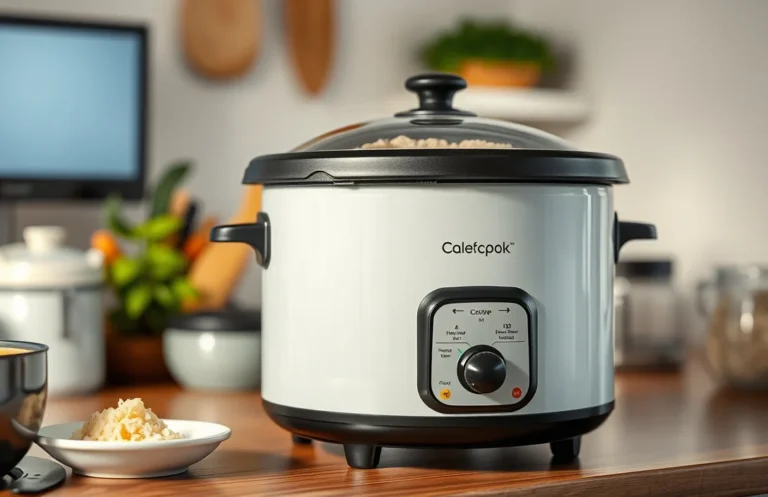
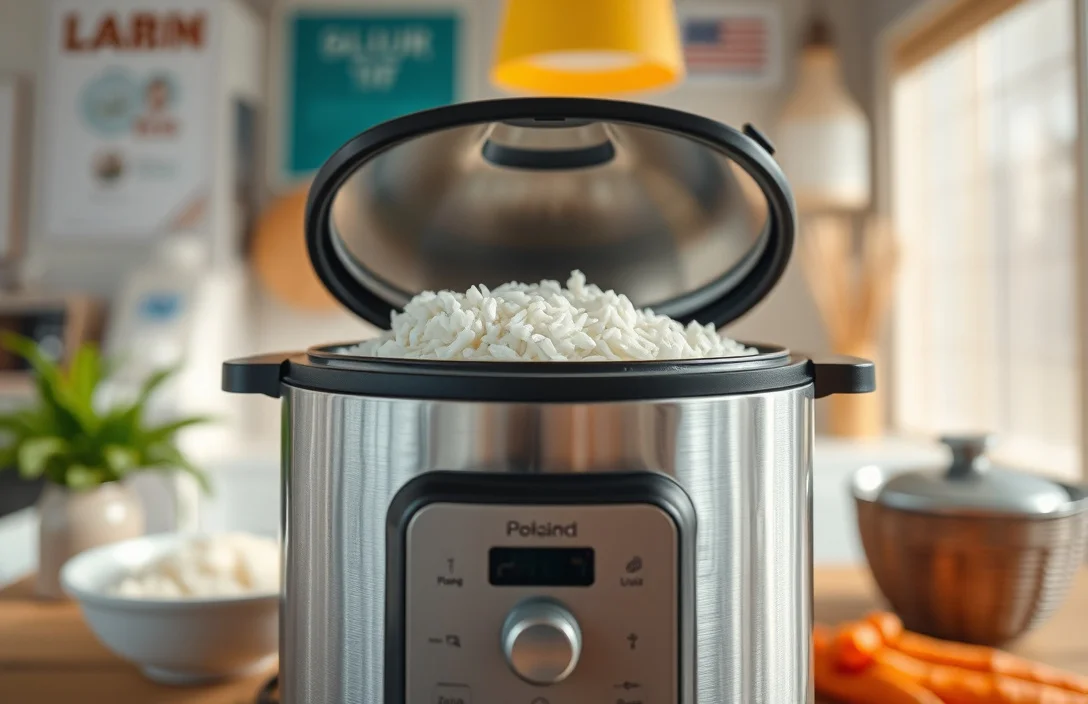
GABA rice is regular rice processed to raise its GABA content, and a rice cooker can handle it well if you treat it like a slightly more sensitive batch. The main challenge is getting tender grains without going gluey, and that comes down more to water ratio and resting time than to the brand. This guide gives you a practical setup, water targets, and fixes for bitter or mushy results using a standard rice cooker.
What to Do
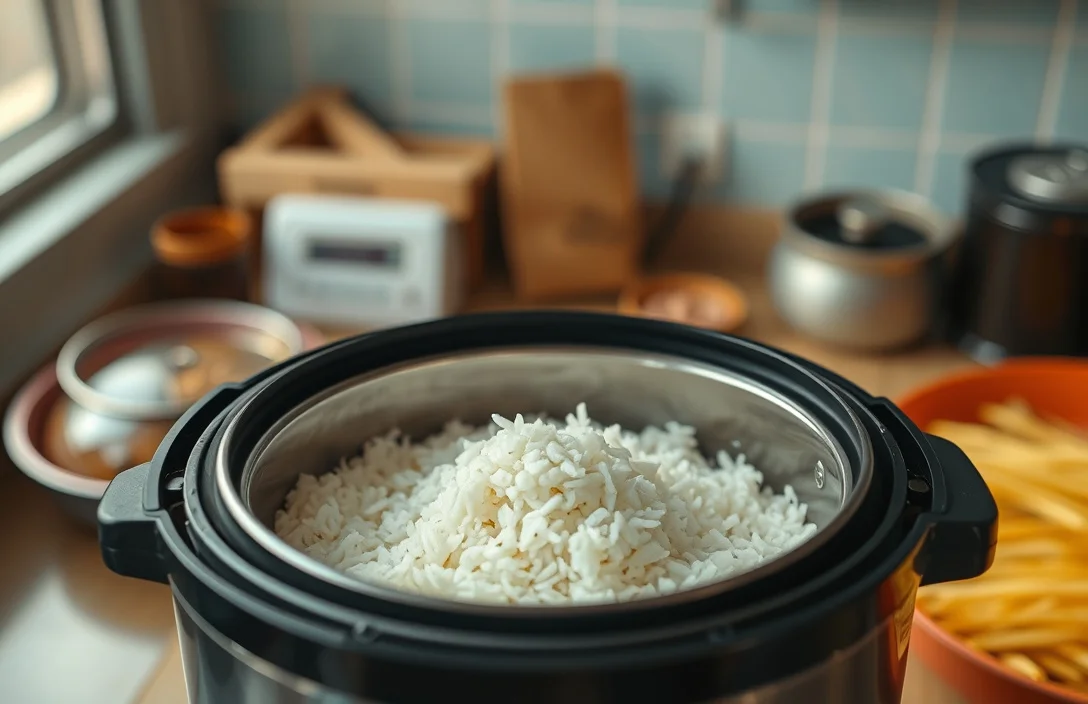
Use a slightly lower water ratio than you would for plain white rice – start by reducing by about 10% to 15%. Cook on the normal “white rice” cycle, then let it rest 10 minutes off-heat before fluffing. If it turns bitter or underwhelming, the cause is usually soak/rinse habits or cooking with too much heat too long, not “bad rice.”
Key Takeaways
- Use a slightly drier ratio. Start with 10% to 15% less water than plain white rice.
- Cook on normal white rice. Skip “quick” or “keep warm” for the main cook if your cooker has choices.
- Rest before fluffing. Wait 10 minutes after the cycle ends to prevent gummy texture.
- Rinse only if needed. Rinsing is fine, but heavy agitation or long soaking can shift texture.
- Bitter is usually process or storage. Old rice, overcooking, or harsh rinse/soak can change flavor.
- Reheat gently. Microwave with a splash of water and short bursts to keep grains separate.
Gaba Rice in Rice Cooker: Best Setup
The most reliable setup is straightforward: use your rice cooker’s regular “white rice” program, reduce water slightly, and rest 10 minutes before fluffing. Marketing labels don’t change how the cooker steams and hydrates the rice – GABA rice behaves like rice that can get soft more easily if you overshoot water or time.
Measure your rice by volume, since most cookers are calibrated that way. Add water slightly below your usual ratio, then let the cooker run its full cycle. If your cooker has a “quick” mode, skip it for your first attempt – fast cycles can soften the outside while leaving the center inconsistent.
Best cooker choices
If your model offers program options, choose based on the texture you want:
- Use “White Rice” or “Regular” for the first batch.
- Avoid “Quick Cook” if you tend to get mushy rice.
- If you must use “Keep Warm,” limit it – long keep-warm time softens grains and dulls flavor.
Treat your first cook as calibration. After you taste it, adjust one variable at a time with small changes instead of changing everything at once.
How Much Water for GABA Rice Texture
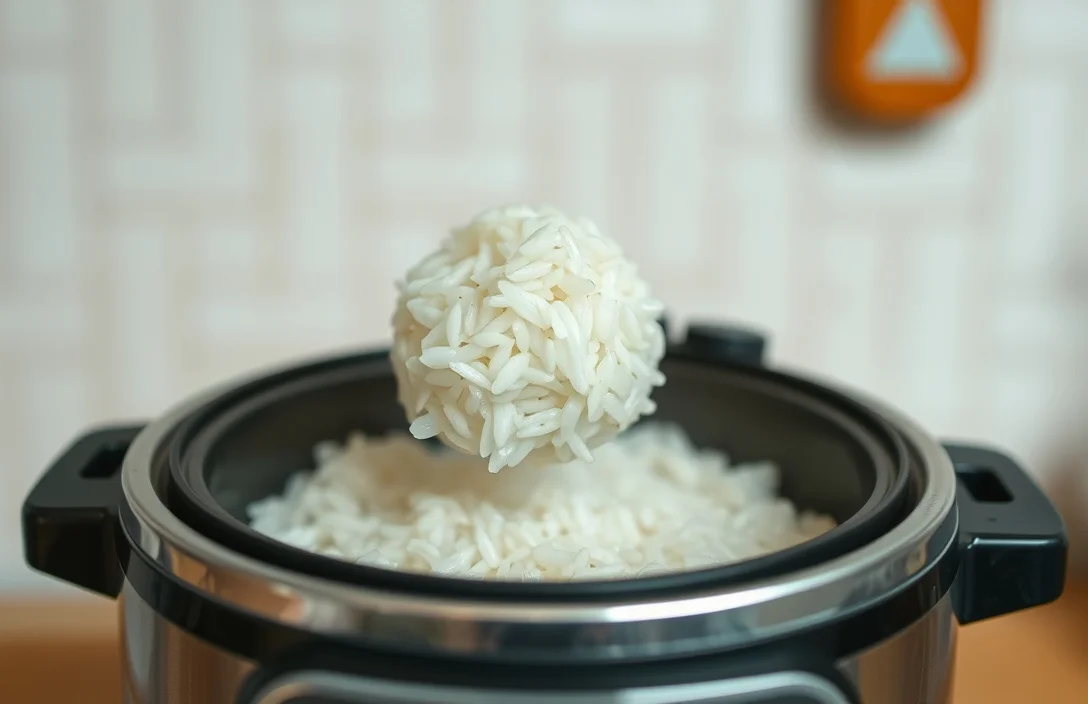
GABA rice texture usually improves when you start slightly drier than plain white rice. A good starting point is about 10% to 15% less water than your normal white-rice line or measured ratio.
Different cookers and rice types vary, so I recommend the practical loop: cook, taste, adjust. If it comes out too firm, add a small amount of water next time. If it’s soft or gummy, reduce water by a small step.
Water ratio starting points (practical)
Use these as first-batch guides:
- If you normally use 1:1.0 rice-to-water for white rice, try 1:0.85 to 0.90 for GABA rice.
- If your usual is 1:1.1, try 1:0.95 to 1.00.
- If your cooker uses fill lines, use the “white rice” line and go slightly under it instead of dropping dramatically lower.
You nailed it when grains separate after fluffing and you don’t see wet clumping at the bottom. If you get sticky rice stuck to the sides, you’re usually using too much water or skipping rest time.
Adjusting without guesswork
After your first batch:
- Too mushy or sticky? Reduce water a bit on the next cook.
- Too dry or crunchy in the center? Add a tablespoon or two per cup of dry rice next time, then rest longer.
Rice is mostly water management. Changing water, rinsing, and program all at once makes it hard to learn what actually fixed the issue.

Helpful pick
Elite Gourmet ERC-003X Electric Rice Cooker with Automatic Keep Warm Makes Soups, Stews, Grains, Hot Cereals, 6 Cups Cooked (3 Cups Uncooked), White
This model helps you experiment with water ratios for GABA rice and maintain consistent results.
Should You Rinse GABA Rice Before Cooking?
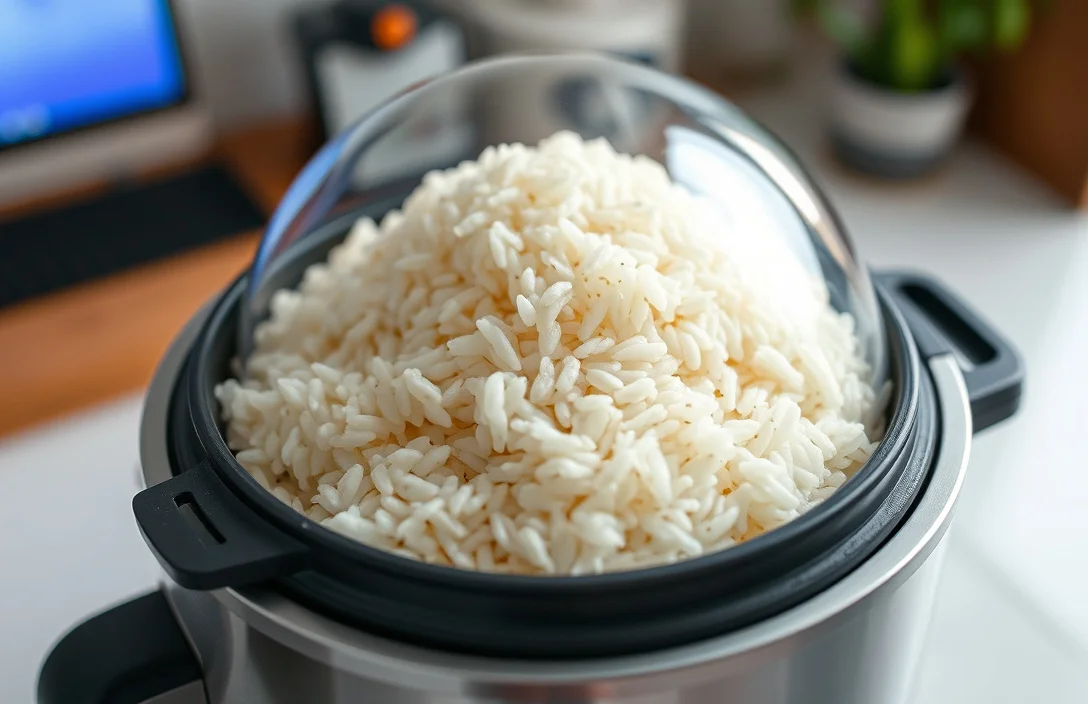
Rinsing can work – or backfire – depending on the rice’s coating, how sticky you like it, and how the rice was processed. Rinse gently if the rice looks dusty or you want less surface stickiness, but avoid heavy agitation or long soaking that can change texture.
If you rinse, use cool water and swish just enough to remove loose starch. Drain promptly, then cook. If your rice comes out gummy after rinsing, reduce the rinse intensity next time or start with slightly less water.
When rinsing helps
Rinsing is often worth it when:
- The cooked rice clumps more than you want.
- The uncooked rice looks dusty.
- You notice a “starchy” smell before cooking.
When you should skip it
Skip rinsing (or keep it very light) if:
- The package says “no washing.”
- Your GABA rice tends to get too soft even with reduced water.
- You’re sensitive to flavor changes and want the processing profile kept close to the original.
Soaking: use caution
Soaking is where texture problems usually start. If you want extra tender rice, keep the soak short (if you do it at all) and rely on longer resting after cooking. Over-soaking softens grains before the cooker even hydrates them, and then you can’t fully “undo” it with water tweaks.

Helpful pick
BLACK+DECKER Rice Cooker 6-Cup (Cooked) with Steaming Basket, Removable Non-Stick Bowl, White
This cooker’s nonstick bowl helps manage surface stickiness and makes rinsing more effective.
GABA Rice Rice Cooker Settings and Timing
For most US rice cookers, the baseline is the normal “white rice” program plus a consistent rest period. Timing includes more than minutes on the clock – heat exposure and steam settling afterward shape the final texture. That rest step is often what turns gummy into fluffy.
If your cooker offers a “quick” cycle, skip it for GABA rice until your ratio is dialed in. Quick programs use more aggressive heating and less settling, leaving rice softer than expected.
A reliable cook sequence

Helpful pick
Elite Gourmet ERC006SS 6-Cup Electric Rice Cooker with Stainless Steel Inner Pot, Makes Soups, Stews, Porridges, Grains and Cereals, 6 cup (3 cups uncooked), Black
Offers porridges and grains settings to support extended rest timing, enhancing texture control for GABA rice.
Use this for your first few attempts:
- Measure dry rice and add slightly reduced water.
- Cook on “white rice” (or “regular”).
- Do not open the lid mid-cycle.
- Rest 10 minutes after the cycle ends (lid on).
- Fluff gently with a rice paddle, then serve.
Skip serving immediately if you’ve had trouble with gummy bottom layers. Many cookers trap steam against the rice, so the rest lets moisture redistribute and grains firm up.
Keep-warm can ruin texture
“Keep warm” isn’t just holding – it’s a slow re-steaming that keeps softening the rice. If you’re eating later, turn off keep-warm and reheat with a light water splash instead of holding it for a long time.
Why Your GABA Rice Tastes Bitter or Mushy
Bitter or mushy rice usually has a clear cause – it’s rarely mysterious. The most common causes are (1) water or program overshooting that drives over-softening and off flavor development, and (2) rice quality or handling, especially if it sat on warm too long.
Bitter usually comes from one of these
Bitter taste in rice often ties back to:
- Overcooking or long keep-warm exposure, which dulls and shifts flavor.
- Rice stored too long, especially if it absorbed odors or has stale notes.
- Harsh washing or excessive soaking, which can change how starch and surface compounds behave.
If the bitterness is new after your last batch, check what changed: did you add more water, use quick mode, or keep it warm for an extra hour? Those shifts show up fast.
Mushy is almost always water or timing
Mushy rice usually comes from:
- Too much water (the most common).
- Not resting long enough after the cycle finishes.
- Frequent lid opening during cooking.
- Using quick mode on a sensitive batch.
Mushy bottoms with a better-looking top usually points to distribution and rest time, not just one random mistake. Fix it by reducing water slightly and enforcing the 10-minute rest before fluffing.
Quick troubleshooting
- Bitter + soft: reduce water first, avoid quick mode, and stop keep-warm sooner.
- Bitter + firm: check freshness and avoid aggressive rinsing/soaking.
- Mushy + bland: rest longer and reduce water next time.
- Mushy + clumpy: rinse gently (or rinse less) and fluff at the right time.
Adjust one variable at a time so you actually learn what worked.
Keep GABA Rice Fluffy: Fluffing and Resting
Fluffing isn’t stirring. After the cooker finishes, keep grains separated without crushing them – and let steam redistribute first.
My rule: rest 10 minutes with the lid on, then fluff gently. Fluffing immediately can trap steam in the rice and keep cooking it from residual heat in a way that makes texture gummy.
The fluffing method that works
- Rest first. 10 minutes minimum, lid on.
- Fluff gently. Slide the paddle to break up the bottom layer, then lift and fold.
- Avoid mashing. Pressing hard turns grains into paste.
Wet rice at the bottom usually means the rest was too short or keep-warm ran too long. Next time, rest longer and reduce water slightly if needed.
Serving timing matters
Fluffy rice is a short “window.” Serve right after fluffing, or if you need to hold it briefly, do it briefly and then reheat with added moisture rather than leaving it on keep warm for a long time.
GABA Rice Storage and Reheating in Microwave
Storage and reheating are where texture goes to die. Cool rice quickly, store airtight, and reheat just enough to loosen grains without turning it into porridge.
Storage basics
- Cool before sealing. Don’t trap hot steam in a sealed container.
- Refrigerate promptly. Cold slows moisture and flavor changes.
- Use within a couple days for best quality – longer storage often dries rice out and makes it taste more starchy.
Microwave reheating that stays fluffy
Reheat like this:
- Spread rice in a microwave-safe bowl.
- Add a small splash of water (enough for moisture, not soup).
- Cover with a lid or microwave-safe cover.
- Microwave in short bursts, fluff between bursts if needed.
Too much water steams rice into clumps. Too little makes grains hard and stale. Start conservative and adjust slightly next time.
FAQ
How do I cook GABA rice in a rice cooker without it turning mushy?
Use slightly less water than your usual white-rice setting (start with about 10% to 15% less), cook on the normal “white rice” cycle, and let the rice rest 10 minutes after the cycle ends. Fluff gently with a rice paddle instead of stirring hard. Avoid opening the lid mid-cycle and limit long “keep warm” time.
What water ratio is best for GABA rice texture?
Start with about 10% to 15% less water than plain white rice. For example, if you usually do 1:1.0 (rice:water by volume), try around 1:0.85 to 1:0.90 first. If the center is undercooked, add a small amount next time; if it’s sticky, reduce water slightly again.
Should I rinse GABA rice before cooking?
Rinsing is usually fine if you do it gently and drain right away. If your rice often ends up too soft, skip rinsing or rinse less aggressively. Long soaking can change texture, so keep it short. If the package says “no rinse,” follow that.
Why does my GABA rice taste bitter?
Bitterness commonly comes from overcooking, long time on “keep warm,” stale storage, or harsh rinsing/soaking. If it tastes bitter only after you leave it on warm, shorten that time and avoid quick cook. If bitterness shows up across batches, check freshness and storage smell.
Can I reheat GABA rice in the microwave and keep it fluffy?
Yes. Use a microwave-safe bowl, add a small splash of water, cover, and reheat in short bursts. Fluff between bursts if needed. Too much water makes clumps; too little makes it hard and starchy, so start small and adjust.

- 10 Best Slow Cooker For Slow Cooking Legumes 2026 (Tested And Reviewed) - October 17, 2026
- 10 Best Slow Cooker For Slow Cooking Oxtail 2026 (Tested And Reviewed) - October 16, 2026
- 10 Best Slow Cooker For Slow Cooking Venison 2026 (Tested And Reviewed) - October 16, 2026