Clay Pot Rice Rice Cooker In 4 Easy Steps
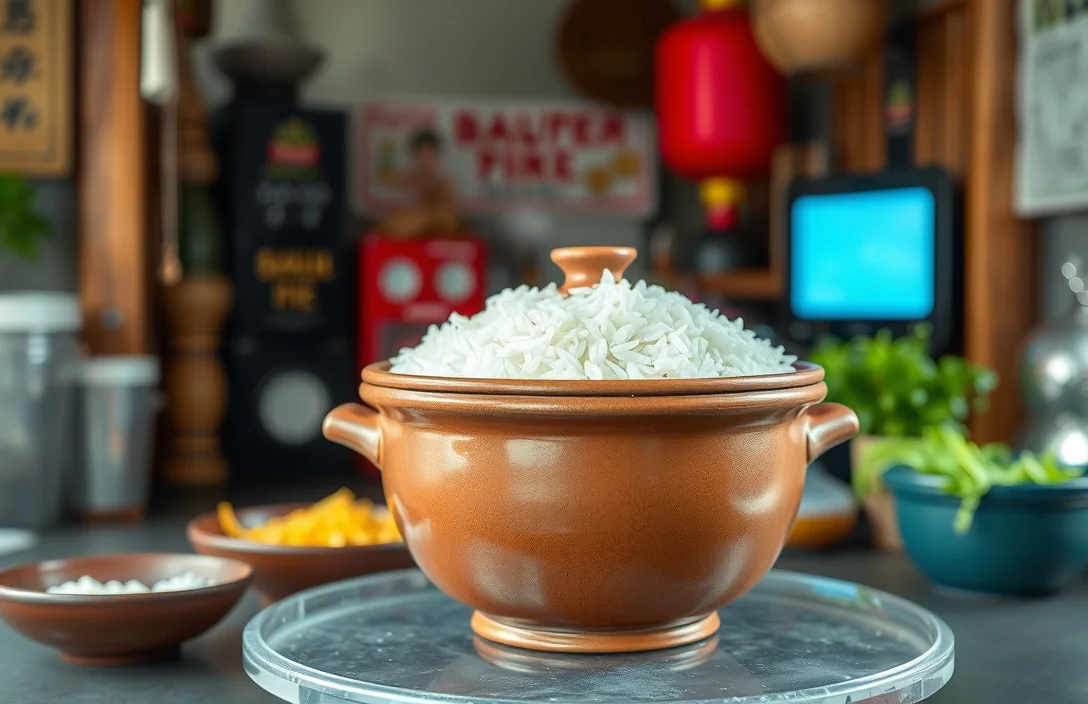
Clay pot rice rice cooker is one of the fastest ways to get that “pot-cooked” flavor at home, but the setup matters because clay holds heat differently than metal. If you’ve bought a ceramic cooker (or a clay insert for an appliance), you probably want two things fast – how to run your first cook, and how to match water and time so rice comes out tender, not dry. This guide gives you a practical workflow and fixes the common mistakes.
Clay pot rice rice cookers cook with steady heat stored in ceramic, so your first cook should be a test run with the exact water line from your manual. Plan for small time adjustments for white rice, and expect longer cooking than a metal cooker. Seasoning the clay pot before regular use improves performance, and gentle cleaning prevents cracks and odors.
Key Takeaways
- Do a first-test cook with plain water and your normal rice amount to learn your unit’s heat profile.
- Pick the right size by target cooked servings, not raw rice weight, to avoid under- or overfilling.
- Use conservative water at first, then adjust by 1-2 tablespoons next batch based on texture.
- Expect longer times than metal cookers because clay holds and releases heat more slowly.
- Season and clean gently to prevent smells, staining, and hairline cracking from thermal shock.
- Match accessories to design since steam trays can change evaporation and water needs.
Clay Pot Rice Rice Cooker Setup and First Cook
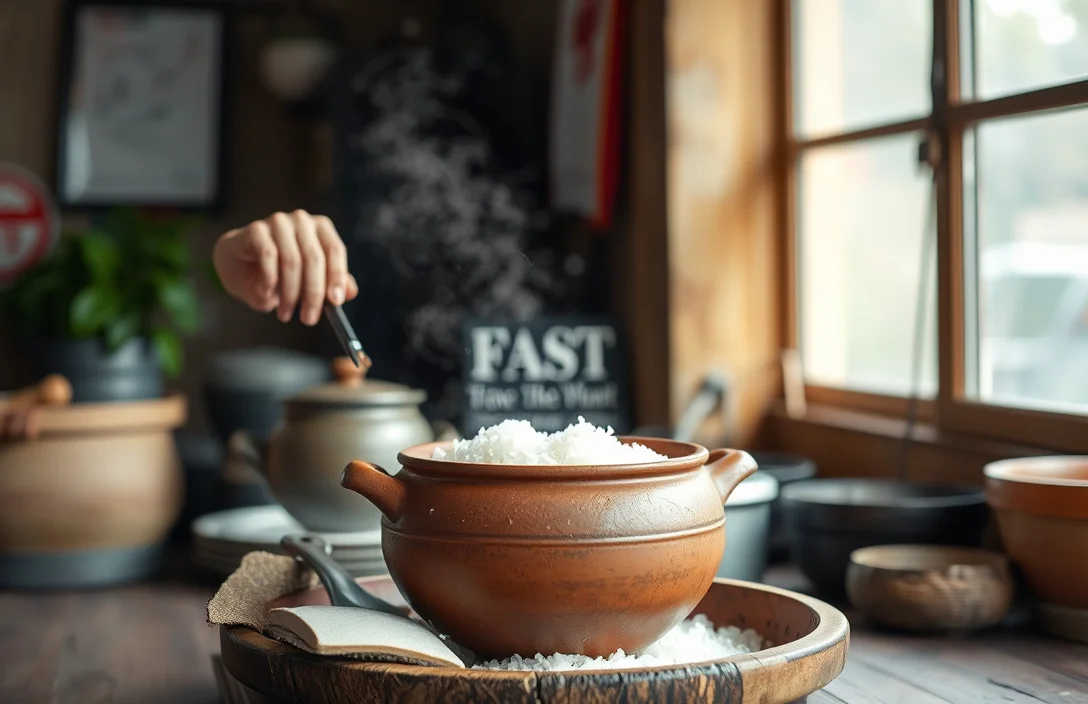
Set up your clay pot rice cooker by placing the ceramic insert on a flat base, then confirming the inner pot sits centered and level in the heating unit. Ceramic inserts can crack if they’re twisted, bumped, or heated while uneven, so treat it like you’d handle a baking stone. Before you cook anything, follow the “water line” guidance on the inner wall or in your manual, because some models include measured marks and others don’t.
For your first cook, run a simple “water test” without seasoning or oil for the rice portion. Wash rice until the rinse water is mostly clear, then add water to the same level you plan to use for normal cooking. Cook once using your standard setting (often “White Rice” or “Rice”), then check texture and dryness at the 10-minute mark after the cycle ends. If the rice looks undercooked at the center or the surface is too dry, your next batch needs either slightly more water or a longer rest.
Water – not the appliance – is the biggest reason first cooks disappoint. Clay holds moisture differently and evaporates differently depending on room temperature and lid tightness. To stop guessing, write down your next batch: how much water you used, which rice type (long grain, jasmine, short grain), and whether you skipped soaking.
What Makes a Clay Pot Rice Cooker Different?
A clay pot rice cooker is a controlled heat-and-moisture system, with ceramic providing the slow-transfer heat. Metal rice cookers tend to boil hard early and stabilize, while ceramic heats more gradually and keeps cooking after the unit signals “done” because it holds thermal energy. That’s why clay rice often turns out more tender and more “cohesive,” especially at the bottom where heat lingers.
Clay also changes how steam moves. Ceramic pores and the way the pot seals can slightly alter evaporation, so the same water ratio that works in a metal cooker can come out drier or wetter in a clay insert. Expect small water adjustments after your first two or three uses.
Cleaning and seasoning work differently too. Ceramic can absorb odors and stains if you scrub hard or store it wet, and clay handles thermal shock less forgivingly than coated aluminum. A clay cooker responds best to “cool down, rinse, wipe, air dry” rather than cold-water dunking after it’s hot.
How to Choose a Clay Pot Rice Cooker Size
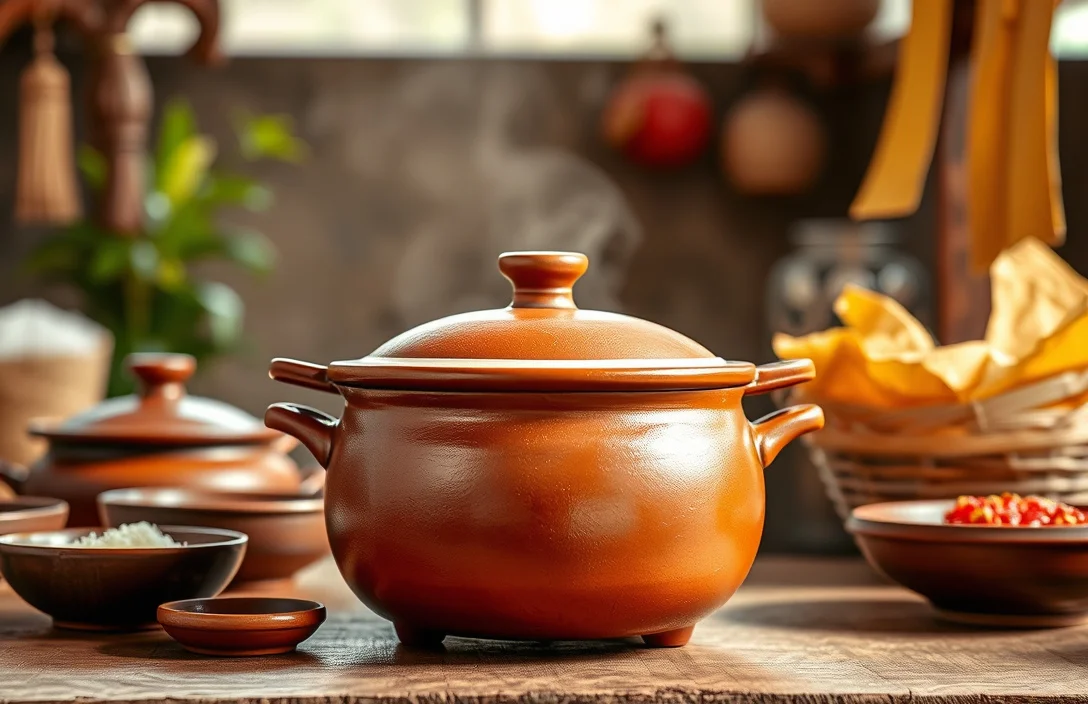
Choose based on how much you usually cook, because underfilling can create uneven heating and overfilling increases spill risk and uneven bottom cooking. Most clay rice cookers state capacity for a certain amount of uncooked rice, but many also describe capacity as “servings.” If your model doesn’t convert servings to rice weight, use your usual cooking habit as the starting point.
If you regularly cook for 2 people, you’ll usually get the best results from a cooker that handles your normal raw rice amount without sitting too close to the “minimum fill” line. For larger families, pick a size that lets you cook in the middle of its range most weeks instead of running at the edges. Clay’s heat storage works best when the pot has enough mass to distribute temperature evenly.
Here’s a practical sizing table you can use as a starting point (since rice varies by brand and shape, treat these as “pick a range,” not a guarantee):
| Cooker Capacity (common use) | Best For | Key Spec/Constraint to Check |
|---|---|---|
| 2-4 servings (small batches) | 1-2 person households or meal prep | Minimum fill line, lid fit (steam retention) |
| 4-6 servings (everyday) | Most families and weekly cooking | Max uncooked rice mark, rest time behavior |
| 6-10+ servings (large batches) | Big meals, gatherings | Whether ceramic insert is fully seated and level |
Before you buy or after you unpack, verify two things – whether the insert has measurement marks for your rice and whether the heater base supports the full footprint. If the insert rocks even slightly, return it or stop using it, because uneven clay heating can turn a minor annoyance into cracks.
Clay Pot Rice Cooking Times and Water Ratio
Clay pot rice cooking times depend more on rice type and pot thickness than on the “watts” rating. Clay usually cooks more gently but can take longer than metal for the same rice, and the final texture improves during a lid-closed rest after the cycle ends. White rice is typically best with a rest, so don’t start serving immediately after the cooker clicks off.
Water ratio is where most people need the smallest tweak. If the rice is consistently dry on the bottom, add water next time in small steps (a tablespoon at a time for many home-size batches). If the rice turns mushy or the surface stays wet, reduce water slightly and consider shortening soaking time (if you soak) or tightening rest timing.

Helpful pick
Misuzu clay Rice Pot – 720ml Capacity – Maximum Weight 1.9kg – Antique Finish
Its 720ml clay pot size supports small portions with even heat, aiding gentle cooking and water ratio control.
Use this workflow for predictable results:
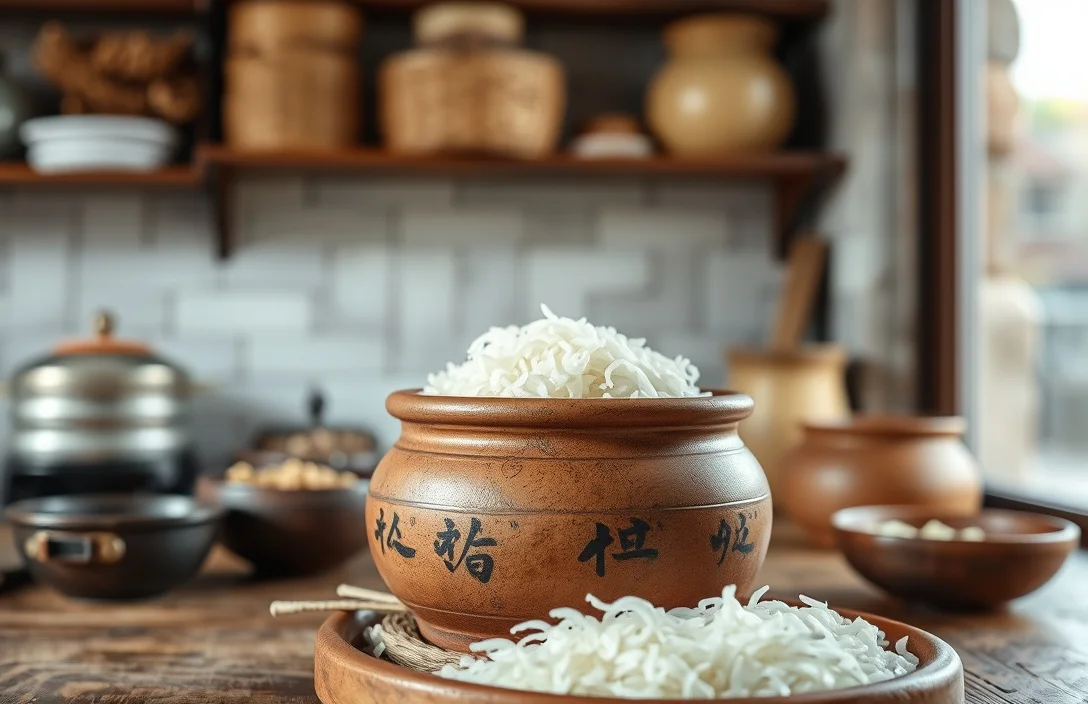
- Start with your manual ratio for white rice if your pot has water marks.
- Cook, then rest 10 minutes with the lid closed before fluffing.
- Adjust by texture, not guesswork – a dry bottom means more water, a gummy center means less water or a shorter soak.
- Match rice type since jasmine, basmati, and short grain behave differently even when the ratio looks the same on paper.
Don’t overcorrect based on a single cycle. If your unit has a “quick” or “white rice” mode, compare results across two cooks before changing anything. Clay’s heat storage can make the first batch look odd if the pot wasn’t warmed first or if you poured cold water straight from the fridge.
For a more stable baseline, keep the pot and water at room temperature for the first few tests. That small step reduces batch-to-batch variance, especially in cooler kitchens.

Helpful pick
HARIO GNR-200-B-W Rice Pot with Glass Lid, 2-3 Cups, Visible Inside Heat-resistant Glass, Ceramic, Made in Japan
It keeps rice cooking consistent by letting you gauge water and rest properly on the stovetop.
Cleaning and Seasoning Your Clay Pot
Seasoning helps your clay pot develop a consistent surface that resists odors and can reduce sticking. Follow your cooker manufacturer’s method, since different clay glazes and ceramic bodies handle heat differently. If your manual doesn’t specify, start conservatively with a light, controlled warm-up using a small amount of rice, then discard and rinse gently.
Clean gently. Dried starch stuck to ceramic can trap smells if you scrub aggressively while the pot is still warm. Let the pot cool completely before rinsing, and avoid sudden temperature changes like running cold water directly into a hot insert. Wipe with a soft cloth or non-scratch sponge, rinse lightly, and dry fully.
Never store the pot wet if you want to prevent lingering rice smell. If you cook often, leave the insert open to air dry on a rack with good airflow. For stubborn residue, soak briefly in warm water (not ice cold), then clean with minimal scrubbing.
The common “gotcha” is thermal shock and rough cleaning tools. Even if the pot survives one mistake, repeated temperature swings raise the risk of hairline cracks. If you see cracks, chips, or a loose-fitting insert, stop using it and replace it, because cracks turn steam into leaks and uneven heating.

Helpful pick
MAGNIFIQUE Slow Cooker, 4.5 Quart 8-in-1 Clay Pot Multi-Cooker, Non-Toxic Slow Cooker with Removable Clay Pot, for Rice, Pasta, Steam & Proof, Nonstick, Oven Safe Pot to 500°F, Olive
MAGNIFIQUE slow cookers with removable clay pots simplify cleaning and support even seasoning.
Can You Use Accessories Like Steam Trays?
Yes, you can use steam trays if they’re designed for your model and you adjust for the extra moisture and reduced evaporation. A steam tray changes where steam condenses, which can shift how much water the rice needs. If your cooker normally runs a little dry, a steam tray can bring it back toward perfect; on a cooker that already runs wet, it can push rice into too-soft territory.
Before using a steam tray, confirm two fit points – lid clearance so it closes fully, and stability so the tray sits centered. If the lid doesn’t latch cleanly, you lose steam and can end up with drier rice than expected even though the tray seems “moisture-friendly.” Also check whether the tray blocks any steam venting built into the lid.
When you test with accessories, change one variable at a time. Cook the same rice type and water amount with the tray and without it, then compare texture. If rice turns out wetter with accessories, reduce water slightly next batch. If it comes out undercooked, add a small amount of water or use a longer mode if your unit offers one.
Accessories can also affect mixed meals, like steaming dumplings or vegetables over rice. In that case, adjust your rice water based on the accessory’s impact, since vegetables release moisture into the steam environment.
Troubleshooting Clay Pot Rice Cooker Issues
Dry or hard bottom rice usually means low water, skipping the rest, or an insert that isn’t seated evenly. Clay emphasizes bottom heat, so leveling problems can exaggerate drying. Confirm the insert sits flat, then adjust water upward in small increments and always rest 10 minutes before fluffing.
Gummy or undercooked center rice usually comes from too much water, too long of a soak, or an early lid opening. Clay holds moisture and continues cooking after the cycle ends, so lifting the lid right away breaks the moisture balance. Run the next batch with slightly less water and no lid checking during or immediately after the cycle.
Burnt spots on clay commonly happen with overfilling, stirring too much during cooking (which can break rice structure), or using mixtures that burn (like sugar-heavy flavors). Reduce fill, avoid stirring, and use the same liquid amounts you used for successful plain-rice cooks. If you consistently get burnt edges even at normal ratios, inspect the heater plate for residue buildup or uneven contact.
Smells or lingering odors usually come from storing the pot wet or cleaning with aggressive detergents. Clean only after cooling completely, rinse lightly, and air dry fully. If odors persist, run a plain rice “discard cook” (the rice absorbs and lifts odors), then clean again.
If you see cracks, chips, or a pot that no longer sits tightly, stop using it. Ceramic failures can produce steam leaks, and uneven heat can ruin batches while making the appliance less safe.
FAQ
What’s the best rice-to-water ratio for a clay pot rice rice cooker?
Start with the ratio printed on your cooker’s insert or manual, then adjust by 1 tablespoon at a time based on texture after a 10-minute lid-closed rest. Dry bottom usually means add water. Gummy center usually means reduce water slightly or shorten soaking if you do it.
How long does clay pot rice usually take to cook?
Clay rice cooking time is commonly a bit longer than metal cookers for the same rice, and it improves further during a rest period after the cycle ends. Treat the rest time as part of cooking, not waiting, and compare outcomes across two cooks before changing settings.
Are clay pot rice cookers safe, and do they crack easily?
Clay pot rice cookers are safe when used as intended, but they can crack with thermal shock or rough handling. Let the insert cool fully before rinsing, avoid cold-water dunking after cooking, and don’t use the pot if you see chips, cracks, or a loose fit.
How do I prevent sticking and improve texture?
Season the clay pot according to your manual, and wash rice thoroughly to reduce surface starch. Avoid stirring during cooking, keep the lid closed, and always rest 10 minutes before fluffing so moisture redistributes evenly.
What’s a common mistake people make with clay pot rice cooking?
Using the exact same water ratio and timing as a metal rice cooker. Clay holds heat and moisture differently, so your first two batches often need small water adjustments and a consistent rest time to lock in the texture you want.

- 10 Best Slow Cooker With Cool Touch Handles 2026 (Tested And Reviewed) - October 22, 2026
- 10 Best Slow Cooker With Quality Construction 2026 (Tested And Reviewed) - October 22, 2026
- 10 Best Slow Cooker With Premium Construction 2026 (Tested And Reviewed) - October 22, 2026