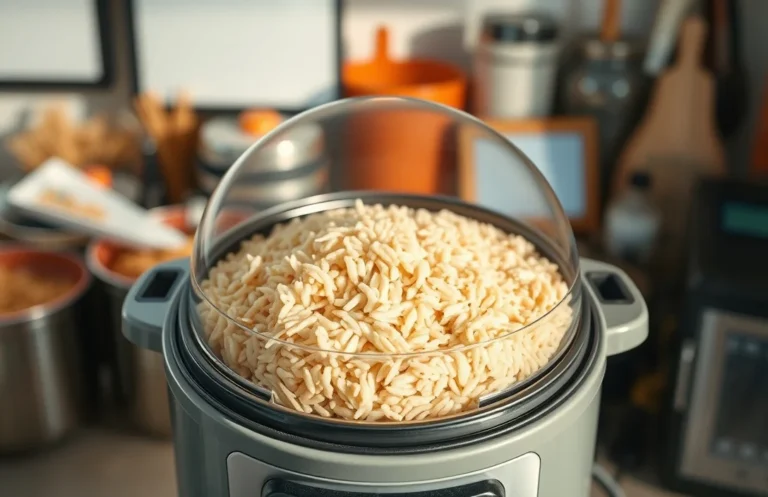
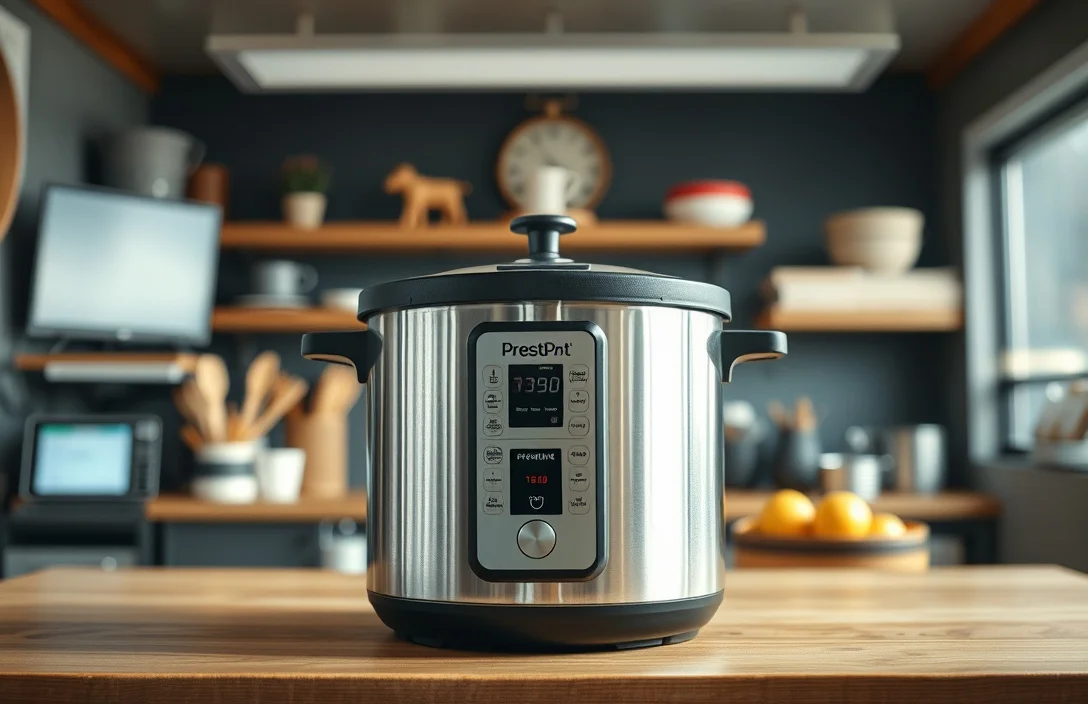
Presto Pressure Cooker Sealing Ring Older Model 3 Tips
A worn Presto pressure cooker sealing ring is one of the most common reasons an older cooker won’t come up to pressure or keeps leaking around the lid. If you use an older Presto model, the ring design matters as much as the gasket material. This guide walks you through the sealing ring’s job, how to identify the right replacement, and the quickest tests to confirm it’s installed correctly.
Sealing ring problems in an older Presto pressure cooker usually come down to the ring being the wrong part, installed incorrectly, or degraded from age and heat. Replace the sealing ring if it’s cracked, permanently stretched, sticky, or fits loosely, and do a quick water test after installing it. A proper seal should let the cooker reach pressure reliably and release steam only as intended.
Key Takeaways
- Ring matches the model. Older Presto cookers can use different ring styles, so use your exact model number to pick a correct replacement.
- Check for damage first. Replace the ring if it is cracked, flattened, sticky, or has hardened sections.
- Install it the right way. Seat the ring evenly in the lid groove so it does not twist or pinch when you close.
- Clean the sealing surfaces. Food residue in the groove prevents full contact and can cause leaks or poor pressurization.
- Do a simple water test. After replacement, run water to confirm the cooker reaches pressure without abnormal leaking.
- Don’t stretch the fit. Forcing an ill-fitting ring leads to gaps and uneven sealing, even if it “looks close.”
What to Know About Presto Pressure Cooker Sealing Rings
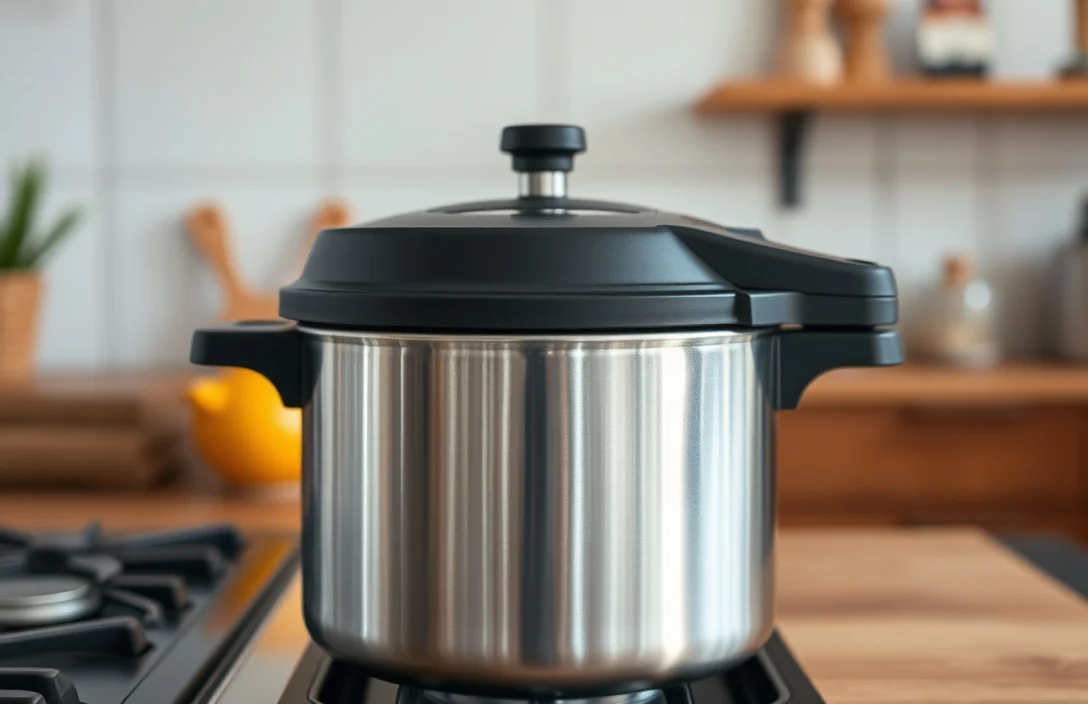
The sealing ring in an older Presto pressure cooker is the gasket that creates an airtight seal between the lid and the pot. Without a good seal, the cooker may pressurize weakly, leak steam around the rim, or behave inconsistently at pressure.
Presto pressure cookers rely on pressure, temperature, and a tight seal to cook on a timed schedule. The sealing ring is the part most affected by years of heating, cooling, and scrubbing. Over time, rings can harden, develop micro-cracks, take a permanent set, or pick up residue and detergent film that blocks full contact.
Older models are often more sensitive to gasket fit because the lid groove and ring profile were designed as a matched system. That’s why a “near enough” ring can still leak even when it looks like it should work. If your cooker came with a specific ring shape, match that style instead of guessing from general appearance.
Things that matter most
Treat sealing performance like a checklist: gasket condition, groove cleanliness, correct installation orientation, and correct ring size all matter. A ring that is intact but installed with a twist can leak just as effectively as a cracked ring.
Use condition-based replacement. Replace the ring if it has cracks, visible splitting, a brittle feel, tackiness, or signs of compression and flattening in one spot. Rings also fail when they no longer sit firmly in the groove. An unstable fit creates gaps.
Focus on the lid groove because it’s the landing zone for the ring. Food particles and old grease act like “shims” that prevent full contact. After cleaning, the ring should sit evenly all the way around, without bulges or sections that ride above the groove.
Remember that older cookers can have vents and safety components that get overlooked. A pressure leak can look like a ring issue when a vent is clogged or the lid isn’t aligned correctly. The sealing ring is essential, but steam can escape through other paths too.
Tips for Presto Pressure Cooker Sealing
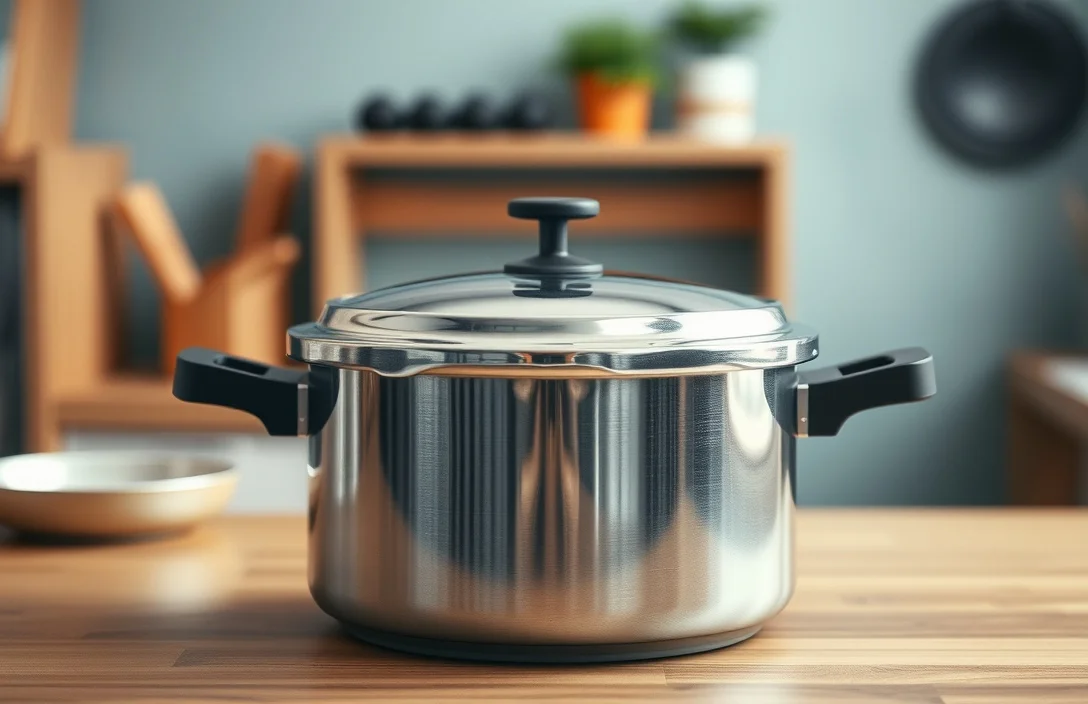
Remove the ring and inspect it under good light. Look for hairline cracks, thinning spots, and areas that look shiny or glazed from repeated heat and wash cycles. If the ring feels hard compared with a new gasket, that stiffness is often why it stops sealing.
Clean the lid groove with warm water and a non-metal tool. A plastic utensil or soft brush works well because metal tools can scratch the groove and create leak points. Clear out detergent film and food residue, then dry the groove so the ring seats on clean, dry surfaces.
Seat the ring fully into the groove by working around the circle in small sections. If the ring twists while you close the lid, the twist can form a leak channel. After installing, run your fingers along the edge to confirm there are no pinched spots.
Verify the fix with a water test. Use plain water in the pot (no thick ingredients), close and lock the lid, and watch for abnormal steam leakage at the rim. This checks pressurization behavior and controlled venting, not flavor or cooking time.
If the cooker leaks after a new ring, inspect the lid fit and locking mechanism. A bent lid, worn hinge area, or a lid that doesn’t seat flush can stop the ring from compressing evenly. A new ring can’t correct mechanical misalignment.
Benefits of Presto Pressure Cooker Sealing Rings
A properly installed sealing ring makes older Presto pressure cookers predictable again. When the seal holds, you get consistent pressure build-up, steadier cooking results, and fewer interruptions from partial pressurization.
A good seal also reduces wasted energy. If steam escapes around the rim, the cooker has to keep re-heating to maintain pressure. With a tight ring, you spend less time compensating for losses and more time cooking.
Safety improves when the cooker leaks in controlled ways. Pressure cookers are designed to vent steam through specific channels when needed. If steam leaks unpredictably around the lid, the cooker isn’t operating as designed, and sealing issues are the first thing to correct.
A correct seal also protects food quality. Pressure cooking only speeds things up when pressure reaches and holds the target level. A weak seal can turn a “10-minute” plan into something closer to a simmer.

Helpful pick
Presto Pressure Cooker Sealing Ring With Air Vent 4 Qt.
Helps restore reliable sealing on older Presto units, delivering consistent pressure and cooking results.
Options for Presto Pressure Cooker Sealing Rings
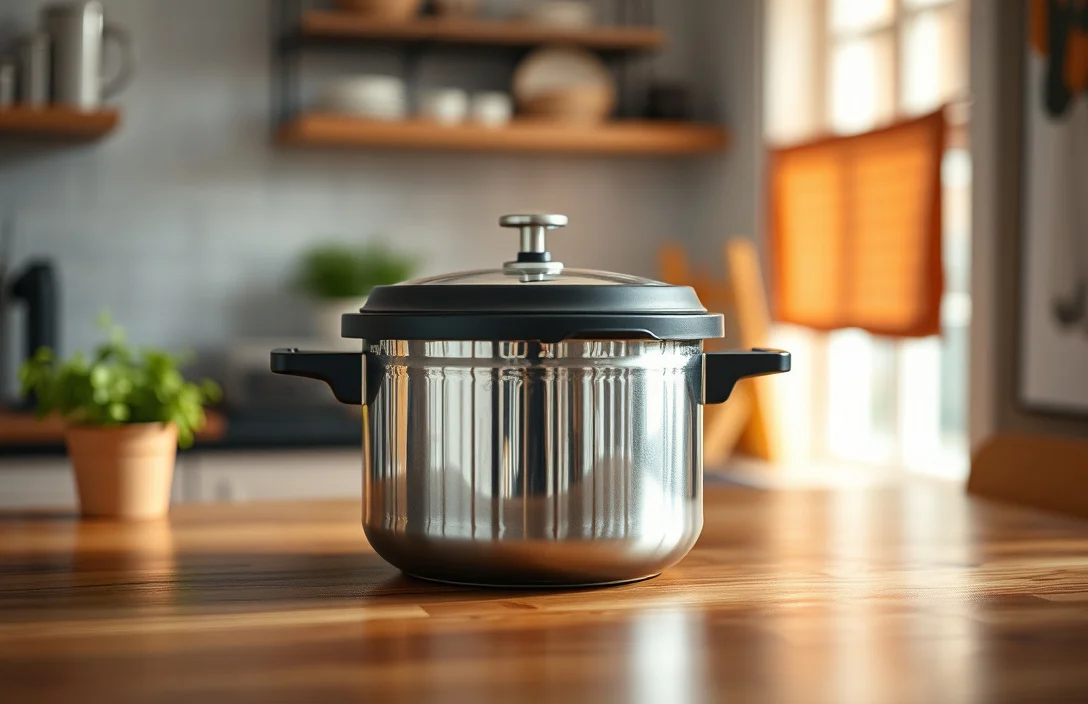
Your main options are replacement with the correct Presto ring, cleaning and reusing a ring only if it’s still in good shape, or switching to a compatible newer ring system if your model supports it. Pick based on ring condition and whether you can identify the exact model and ring part.
Start with the model number. It tells you which sealing ring style matches the lid groove and which ring is intended for that design. If you have an older cooker, don’t guess based on how a gasket looks.
Replace the ring if it’s cracked, hardened, or deformed. If the ring is flexible and intact but just dirty or slightly sticky from residue, cleaning may restore performance briefly. Even then, watch for leaks after a few uses.
Choose your verification method carefully. “Test with food” can blur what’s causing the problem – sealing, ingredient behavior, or venting. A plain water test is the cleanest check for whether the sealing ring is doing its job.
When comparing ring suppliers or listings, prioritize exact compatibility. The best ring is the one that matches your lid groove and locks in place correctly, not the one that’s closest in diameter or color.
Helpful pick
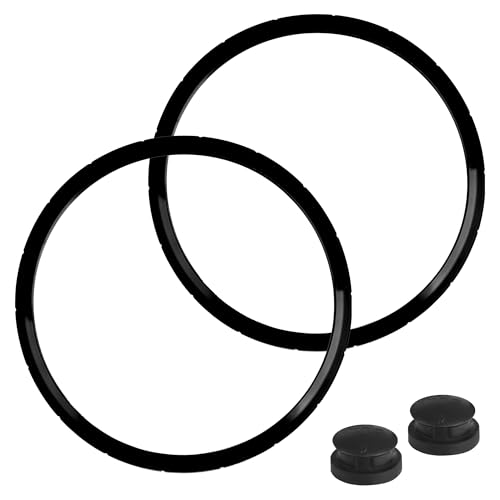
09936 Pressure Cooker Sealing Ring, Overpressure Plugs Fit for Presto Pressure Cooker, (2 Packs) Model 4 Quart 6 Quart, Replace 0126002 0136102 0136403 0136304 0136001 0216001
This replacement ring provides the correct Presto fit for common models, restoring sealing performance.
Expert Guidance for Presto Pressure Cooker Sealing Rings
Match parts by model number, not by appearance. Older Presto designs can look similar, but ring cross-section and groove fit can differ, which changes how the ring compresses when the lid locks.
Skip aggressive abrasives. Scouring pads and metal tools can damage the lid groove surface and create tiny leak paths. Clean gently, rinse well, and dry the groove so the ring seats directly on clean material.
Replace the ring on a timeline if you cook often. Even if a ring looks fine, repeated heat cycles can make it less elastic. If sealing problems improve after cleaning and then come back after a few uses, the ring’s elasticity is likely declining.
After installing a new ring, do a fit-and-feel check before you run heat. The ring should sit evenly with no bulges and no sections that look lifted above the groove. If it seems uneven at rest, it usually stays uneven when the lid compresses it.
If leaks persist after a new ring and a clean groove, inspect the rest of the lid assembly. Check for lid warping, worn locking parts, and any venting components that might be blocked. The sealing ring fixes many issues, but it isn’t a universal cure for every lid-related leak.
Helpful pick
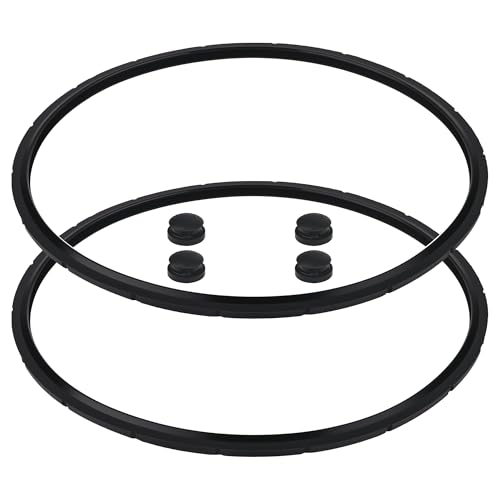
2 Pack 09985 Pressure Canner Sealing Ring + 4 Pack Overpressure Plugs, Gasket for Presto 01751 01781 01784 01745 01755 01782,16/18 /23 Quart Pressure Cooker, Pressure Canner Parts
Includes rings matched to multiple Presto model numbers, helping ensure proper cross-section fit for older designs.
Examples of Presto Pressure Cooker Sealing Fixes
Example 1: Your older Presto won’t come to pressure, and steam dribbles from the lid edge. You remove the ring and find a section that’s cracked and stiff. You replace it with the correct ring for your model number, clean the groove, and run a water test. The cooker reaches pressure consistently, and you see normal vent behavior instead of rim leakage.
Example 2: You replaced the ring once, but the cooker still leaks after 5 to 10 minutes. The ring looks seated at the front but slightly twisted near the back. You remove the ring, re-seat it evenly in the groove in small sections, and close the lid carefully. The leak stops because the seal compresses uniformly all the way around.
Example 3: The seal looks fine, but food residue keeps triggering a “sealing problem” that comes back. You clean the groove thoroughly with warm water and a soft brush, rinsing away detergent film, then dry it before installing the ring. After cleaning, the cooker seals properly for subsequent batches because the ring contacts clean gasket surfaces.
Example 4: You install a ring that matches the diameter you guessed from measurements, and the cooker only partially pressurizes. The ring feels like it sits loosely in parts of the groove. You swap to the exact ring style listed for your cooker model and confirm an even fit at rest. Full pressurization returns because the ring profile matches how it compresses when locked.
FAQ
What’s the right way to tell if my older Presto sealing ring is bad?
Look for cracks, splits, or areas that feel hard or brittle. Also check whether the ring has a permanent flattened section or stays sticky after washing. If your cooker leaks around the rim or struggles to reach pressure, a degraded ring is a common cause.
How often should I replace a Presto pressure cooker sealing ring on an older model?
Replace it when you see damage or performance problems, since sealing rings degrade from heat cycles and time. If you cook frequently and your ring gets stiffer year over year, plan on replacement sooner rather than later, even if it still looks mostly intact.
Can I reuse my older sealing ring after cleaning?
You can reuse it if it’s flexible, intact (no cracks or thinning), and seats evenly in the lid groove. If it only “works” after cleaning and leaks again after a short period, that’s a sign the ring has lost elasticity and should be replaced.
How long should it take to test a new sealing ring?
A simple water test usually takes long enough to confirm the cooker reaches pressure and shows normal vent behavior. Plan for about 10 to 20 minutes of observation, depending on your stove heat and pot size, before you decide the seal is fixed.
What’s a common mistake people make with Presto pressure cooker sealing?
Installing the ring twisted or pinched in the groove is the big one. Another frequent mistake is using a ring that’s close but not the exact style for that lid design, which prevents even compression when the lid locks.

- 10 Best Slow Cooker With Locking System 2026 (Tested And Reviewed) - October 24, 2026
- 10 Best Slow Cooker With Insulated Lid 2026 (Tested And Reviewed) - October 23, 2026
- 10 Best Slow Cooker With Silicone Lid 2026 (Tested And Reviewed) - October 23, 2026