
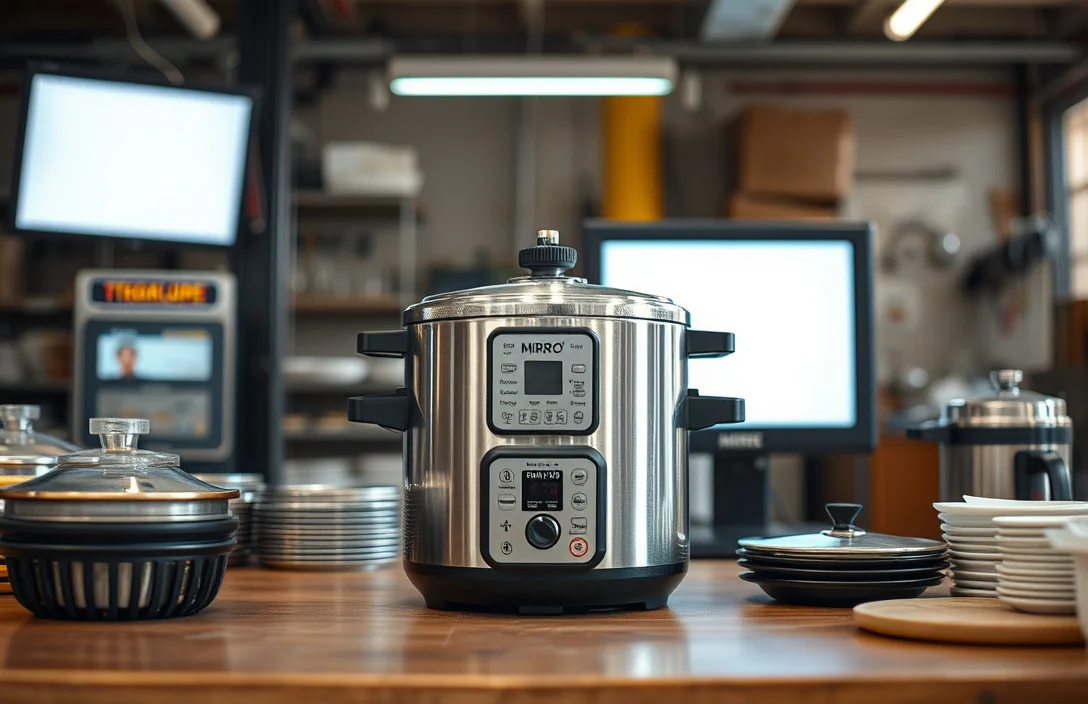
Mirro Pressure Cooker Canner Replacement Parts 8 Steps
Mirro pressure cooker canners keep things safe and consistent, but replacement parts are what keep them working when seals harden and parts wear out. If you’re hunting for Mirro pressure cooker canner replacement parts, the right approach is simple: identify your exact model, then replace only what’s needed – usually the gasket, lid hardware, and valves. This guide gives you a practical parts checklist, fit verification steps, and where to shop in the United States.
Mirro pressure cooker canner replacement parts usually fall into a few wear categories, and the safest route is to match your exact Mirro model and canner type before buying. Start by replacing the lid gasket and any vent or valve components that look cracked, flattened, or sticky. Most fit problems come from buying the right part name for the wrong lid generation.
Key Takeaways
- Start with your model number. The correct Mirro gasket and valve depend on the exact canner series and lid style.
- Inspect the gasket first. Replace it if it is flat, cracked, sticky, or out-of-shape after cleaning.
- Check vent and regulator parts. Swap components that don’t move freely, look damaged, or can’t seal properly.
- Use correct tools. Measure stem height and gasket seating surfaces before ordering to avoid mismatches.
- Prefer reputable retailers. Choose sellers that clearly match by model number and provide returns or compatibility notes.
- Do one fit test before canning. Confirm lid closure, valve alignment, and gasket compression without food or liquid.
Mirro Pressure Cooker Canner Replacement Parts
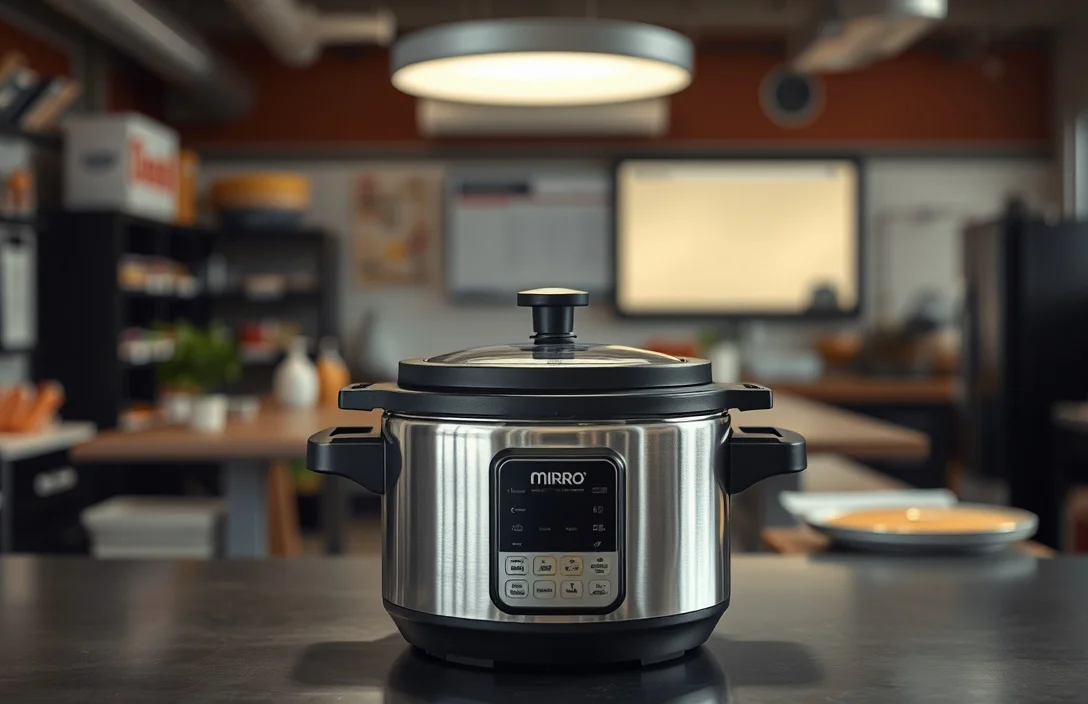
Getting your Mirro canner back to reliable operation comes from replacing parts in a controlled order, not by guessing. Keep the canner, lid, and regulator assembly on your table and look for wear, deformation, sticking, corrosion, and anything that blocks a clean seal.
Clean the lid area first. Old food residue and hard mineral buildup can make a valve look “faulty” when it’s actually gummed up. Then inspect every sealing surface you can see – especially the lid rim, gasket channel, and any vent openings. If you have the manual for your exact model, use the diagram to confirm what you’re checking.
Use this checklist in the order below – it prevents you from ordering the wrong part because something else is still dirty or misaligned:
- Model and lid type – write down the model number from the canner and the label or markings on the lid.
- Lid gasket condition – check for cracks, flattening, tears, and loss of spring.
- Gasket seating surface – look for nicks, burrs, or pitting in the rim channel.
- Vent components – inspect vent port openings and any attached pieces for warping or clogging.
- Regulator / weight / rocker assembly – verify free movement, no looseness, no binding.
- Sealing hardware – inspect clamps, lid lock parts, and any metal-to-metal contact points.
- Gasket fit test – confirm the gasket sits evenly in the channel without twisting.
- Clean operation test – confirm valves or regulator move and align when the lid is closed.
If you only replace one thing, replace the gasket first. It degrades with storage heat cycling and repeated wash-and-dry, and even a small defect can become a big safety issue.
Which Mirro Parts Fail Most Often
The lid gasket is the part that fails most often on older pressure canners. Heat cycling, detergent exposure, and long storage gradually deform it. When a gasket gets hard or flattened, the lid can close but won’t compress evenly – which increases the odds of leaks around the rim. Even when the regulator seems to work, a weak gasket undermines the whole pressure system.
Vent and valve-related hardware often comes next. Regulators, stems, and small pieces can collect mineral deposits that gum up movement. Hard water scale can cause sticking, and a tiny bent component can shift alignment enough to make sealing and venting inconsistent. Clamps and lid-lock pieces also show wear patterns – and when they do, the lid may not sit where the manufacturer intended.
Common failure symptoms that should push you toward replacement:
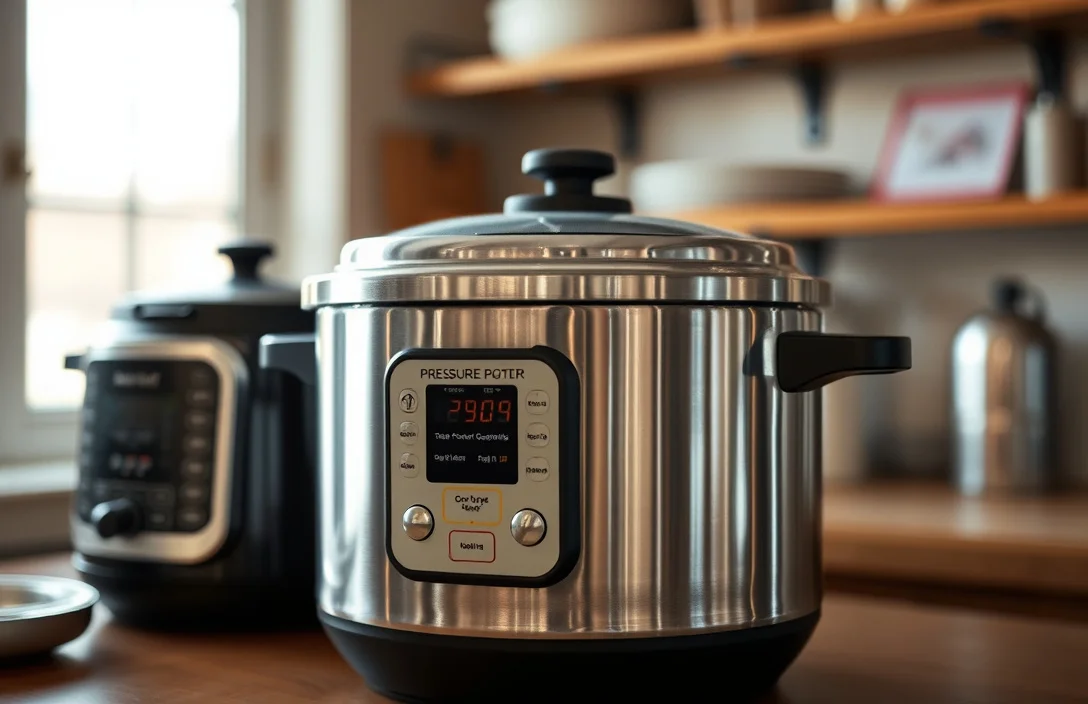
- Gasket – rim looks uneven after closing, gasket edge is cracked or “dry,” gasket feels stiff.
- Valve / regulator – regulator doesn’t move smoothly, sticks when you gently move it by hand, or seats crooked.
- Vent path – vent openings are hard to clear, or parts you clean still don’t restore normal movement.
- Lid hardware – lid feels loose, doesn’t clamp consistently, or looks mismatched to the canner base.
If you’re trying to save money, don’t replace everything at once. Replace what’s worn or what fails a simple fit and motion check, then test the canner on water with no jars before you run a real batch.
Identify Your Mirro Model and Canner Type
Matching your exact Mirro model number to the part listing prevents most wasted purchases. Mirro built pressure canners in multiple generations, and the gasket shape, vent setup, and regulator pieces can differ even when the canner looks similar. If your gasket doesn’t sit correctly in the channel, the fit is wrong – even if the listing seems to match.
Get the model information before ordering. Look on the canner body and the lid for stamped or printed labels, usually near the rim, on the underside, or along a side panel. Copy the exact lettering and numbers exactly as they appear. “Close enough” is how people end up with a gasket that’s the right thickness but the wrong profile.
Then classify your canner type by the lid and regulator design. The quickest practical method is to compare your lid’s valve or weight or regulator assembly to the replacement pictures in the listing. If your canner uses a weight-style regulator, the replacement needs to match that style. If it uses a different regulator or vent arrangement, buying a “generic” gasket or valve kit is a gamble.
In practice, identification looks like this:
- Step 1: Record model numbers from the canner and lid.
- Step 2: Take photos of the lid underside, regulator area, and gasket seat channel.
- Step 3: Note regulator style (weight or rocker and any vent pieces you can identify).
- Step 4: Confirm thread or bayonet or clamp style if your model uses a specific lid fastening method.
This is also where you decide whether you’re fixing a pressure canner or a pressure cooker canner combination. The word “canner” matters because parts meant for pressure canning control can differ from parts meant for cooker-only use. Your safest bet is parts explicitly matched by model and canner type.

Helpful pick
Replacement Mirro Pressure Canner Gasket S-9882 for Mirro Pressure Cooker Gasket M-0512, M-0522, M-0312, M-0312, M-0622 – Fits 12 qt & 22 qt
Helps ensure you choose the correct, model-matched gasket for your specific Mirro canner generation.
Common Replacement Parts and Compatible Alternatives
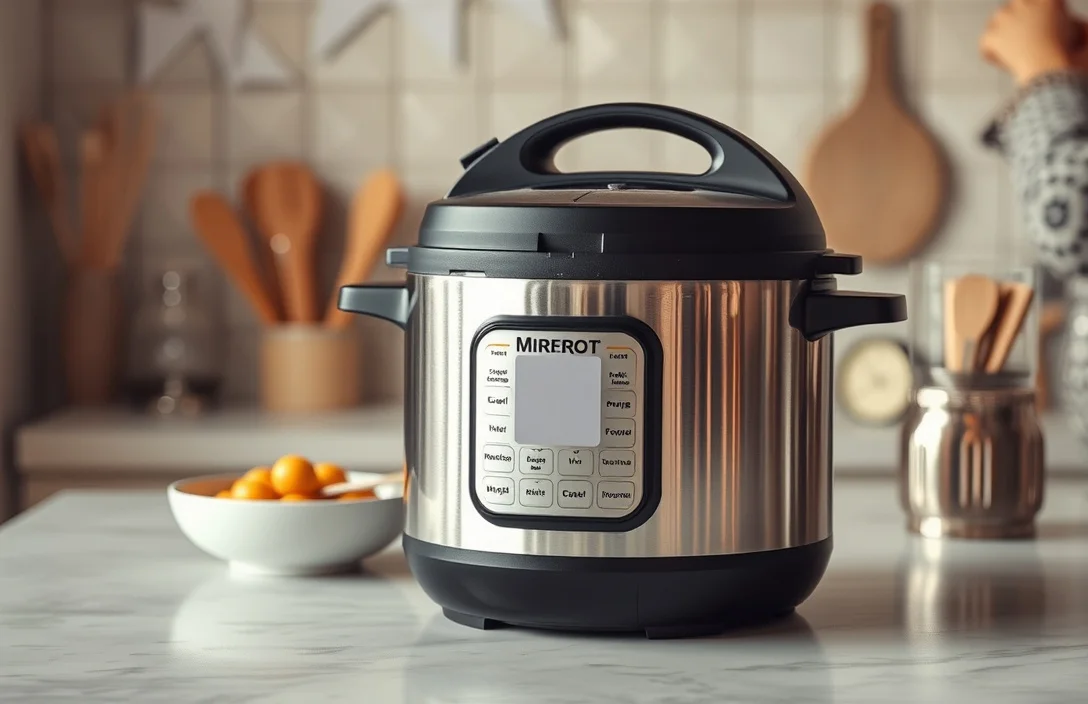
The parts that usually get replaced most are the lid gasket, vent and valve components, and regulator hardware that doesn’t move freely or doesn’t seal correctly. You can sometimes use a compatible part if it matches the same dimensions and seating profile, but treat “equivalent” like an invitation to verify fit – not a promise.
Because current price and exact compatibility data weren’t available in the material I reviewed, this guide sticks to what to check instead of guessing part numbers you can’t confirm. The practical rule is simple: if the gasket channel shape and regulator or vent geometry match, compatibility is plausible. If either doesn’t match visually and mechanically, skip the alternative and order the model-matched part.
| Part category | What breaks down | What “compatible alternative” must match | Best practice before buying |
|---|---|---|---|
| Lid gasket | Cracks, flattening, stiffness | Same cross-section and diameter, seats without twisting | Dry-fit in the gasket channel, check even contact |
| Vent/valve pieces | Mineral buildup, sticking, warping | Same vent port shape and internal clearances | Clean, then check free movement after assembly |
| Regulator / weight | Loose fit, binding, damaged underside | Same style and seating geometry | Compare placement and alignment with lid photos |
| Lid clamp / hardware | Wear causing poor closure | Same fastening geometry and length | Verify lid closes with consistent pressure |
| Sealing surfaces | Nicks, pitting, burrs | Same smooth seating path | Inspect with fingers, remove burrs only if safe |
For “compatible alternatives,” retailers that explicitly list compatibility by model are your best bet. A marketplace listing that only says “fits Mirro pressure canners” isn’t enough. Look for listings that include your exact model number or show a photo match of the gasket shape and regulator style.
When you’re unsure, replace only the gasket and the regulator or vent components that fail your motion and fit tests. It saves money and targets the failure points that most often cause leaks or inconsistent pressure.

Helpful pick
ANTOBLE S-9898 Pressure Regulator Pressure Canner Weight Compatible with Mirro Pressure Cooker Models
Replaces the regulator weight to restore correct pressure control and seal in Mirro canners.
Where to Buy Mirro Pressure Canner Parts
The most reliable place to buy Mirro pressure canner replacement parts is from sellers that explicitly match parts to your exact model number. In the United States, that usually means searching by model first, then buying from a retailer or parts supplier that provides clear compatibility language. If a listing doesn’t show model-specific fit guidance, you risk getting a similarly shaped part that won’t seat correctly.
Returns matter, especially with gaskets and regulator assemblies. A small mismatch can look fine at first glance, but you only catch it after a dry-fit in the channel or during lid closure when you compare the vent geometry. An easy return policy protects you from “it looked right in the photo” compatibility issues.

Helpful pick
Mirro S-9732 Overpressure Plug for Mirro cookers and canners.
Helps readers ensure they purchase the correct Mirro canner part by matching the model number.
Practical buying routes:
- Official brand parts channels (if available) – check for model-matched gasket and regulator parts.
- Major appliance or pressure-canner parts retailers – use model number search filters.
- Specialty canning supply shops – often carry common gasket and vent kits for legacy models.
- Second-hand parts marketplaces (only if tested) – verify fit and condition with close photos, and prefer local pickup or reputable returns.
Buying used parts requires extra scrutiny. Inspect them like you’re buying a gasket for safety-critical work. A used gasket can look fine but still be flattened or hardened. In most cases, I’d only buy used valve hardware if you can confirm free movement and no deformation.
How to Verify Fit and Sealing Before Use
Fit verification blocks most canner-part mistakes. Before you can anything, do a dry assembly check with no jars, then run a water-only operation test. This confirms the lid closes correctly, the gasket compresses evenly, and the vent or regulator pieces align with the canner’s intended pressure path.
Start with the gasket. Install it into the channel and rotate the lid into place slowly, watching for twisting, gaps, and uneven seating. If the gasket doesn’t sit evenly all the way around, don’t force the lid to “make it work.” A wrong-profile gasket may close, but it will leak under pressure.
Then do a clean operation check. Close the lid, verify the regulator or weight assembly sits correctly, and move parts gently by hand where appropriate (based on your model). After that, run a water-only test in a safe area using your canner’s normal procedure, and observe whether steam venting and pressure behavior look normal for your canner type.
Look for these during pre-use checks:
- Even gasket compression – no visible gaps around the rim.
- No lid wobble – lid feels consistent when locked.
- Regulator alignment – regulator sits without crooked contact.
- Valve movement – parts move freely and clear when the canner cycles.
- Leak behavior – strong rim leaking means stop and recheck the gasket first.
If you’re unsure, treat the canner as “not ready.” Don’t load jars when the gasket or regulator doesn’t behave like it should during a water test. You’ll waste food at best, and create real risk at worst.
FAQ
How do I find the right Mirro pressure canner gasket size?
Use your canner and lid model number as the primary search term. Then confirm fit by dry-assembling the gasket in the channel and closing the lid, watching for twisting or uneven gaps. If the gasket doesn’t sit evenly before pressure, don’t rely on the listing description.
What Mirro replacement parts are most important for safety?
The lid gasket and any vent or regulator components that control pressure are the most important. If your gasket is cracked or flattened or your regulator doesn’t move freely, replace those before canning. Also inspect sealing hardware that affects lid closure consistency.
How long does it take to replace canner parts?
Plan for 20 to 60 minutes for a gasket replacement, depending on how stuck residue is in the channel. Adding regulator or valve component replacement can take another 30 minutes. The time-critical part is the verification step, where you do a water-only test before using jars.
Can I use generic pressure canner parts with a Mirro canner?
Only if the alternative matches your exact model’s sealing geometry and regulator or vent style. “Generic” often fails because gaskets and regulator kits differ in profile, diameter, and alignment. If the gasket seats unevenly during a dry-fit, the generic part is not compatible.
What’s the most common mistake people make when buying replacement parts?
People buy parts by the canner name only, then discover the gasket or regulator style doesn’t match the lid generation. Another common mistake is installing a used gasket that looks fine but is flattened after storage. Always dry-fit the gasket and do a water-only operation test before canning.

- 10 Best Slow Cooker For Slow Cooking Legumes 2026 (Tested And Reviewed) - October 17, 2026
- 10 Best Slow Cooker For Slow Cooking Oxtail 2026 (Tested And Reviewed) - October 16, 2026
- 10 Best Slow Cooker For Slow Cooking Venison 2026 (Tested And Reviewed) - October 16, 2026