Do Roses Do Well In Pots Explained Simply
Roses can do well in pots in the United States, but they are picky about two things: root space and moisture consistency. In a garden bed, roses get steady access to water and nutrients. In a container, the same plant can swing from dry to soggy, and either extreme quickly causes trouble. This guide answers whether roses do well in pots, then covers the choices that make them thrive.
Key Takeaways
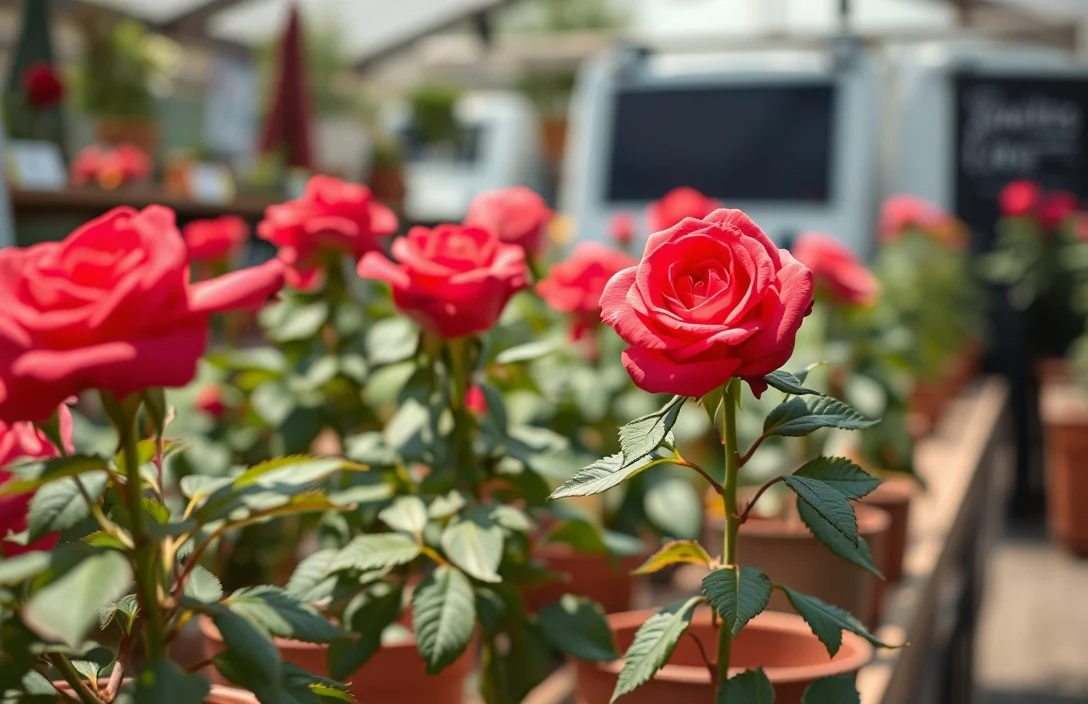
- Yes, with the right pot. Container roses do well when they have enough root space and drainage holes.
- Watering consistency matters. Letting the mix dry out fully, then flooding it, stresses roses fast.
- Feed more often than beds. Containers lose nutrients faster, so regular fertilizing is part of the deal.
- Choose container-friendly types. Patio, mini, and compact varieties are usually easier than large floribundas or climbers.
- Plan for winter protection. Roots cool faster in containers than in the ground, so insulating helps.
- Expect pruning and deadheading. Light, routine care keeps potted roses flowering and tidy.
Do roses do well in pots?
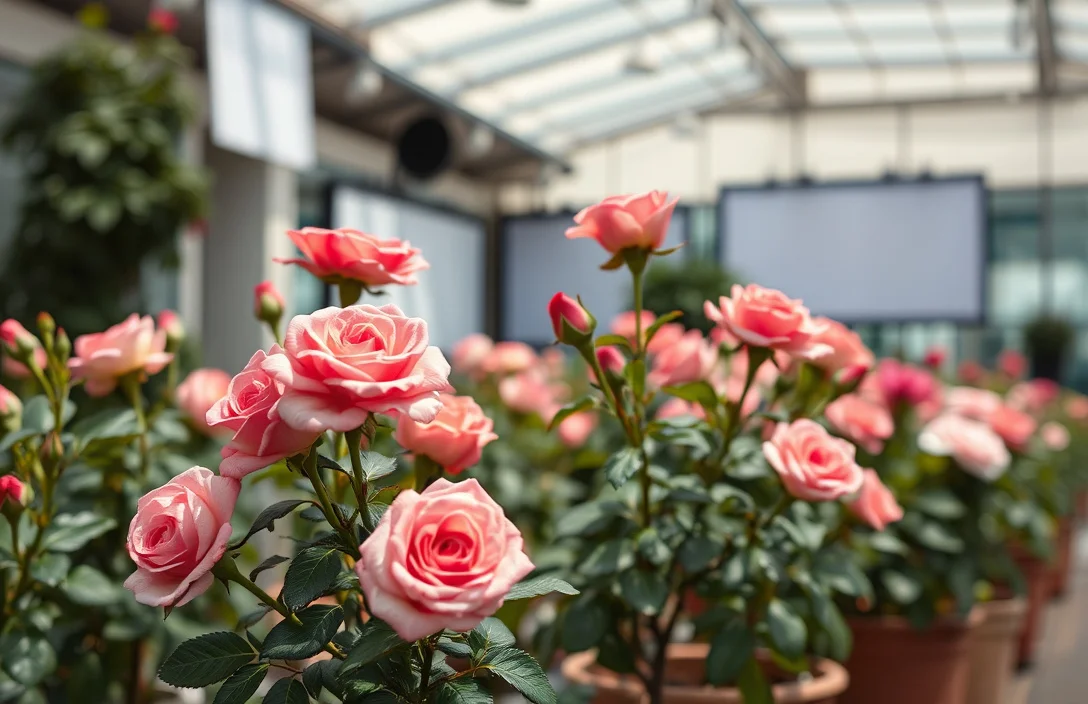
Yes. Roses do well in pots, and the biggest difference from planting in the ground is speed. Soil dries out sooner, nutrients wash out sooner, and temperature swings hit the roots harder. Manage those three realities, and potted roses become very workable for most home gardeners.
“Roses” is also not one uniform plant. Compact, patio, and mini types fit containers more easily because they stay a manageable size. Larger shrub roses can work in pots only if you give them enough space. Picking a rose sized for containers prevents many problems people blame on “container culture.”
Roses in containers also need a soil setup that drains freely but still holds moisture. Most garden soil is too dense for pots. Use a quality potting mix designed for containers so the roots get both air space and consistent moisture.
Things that matter most
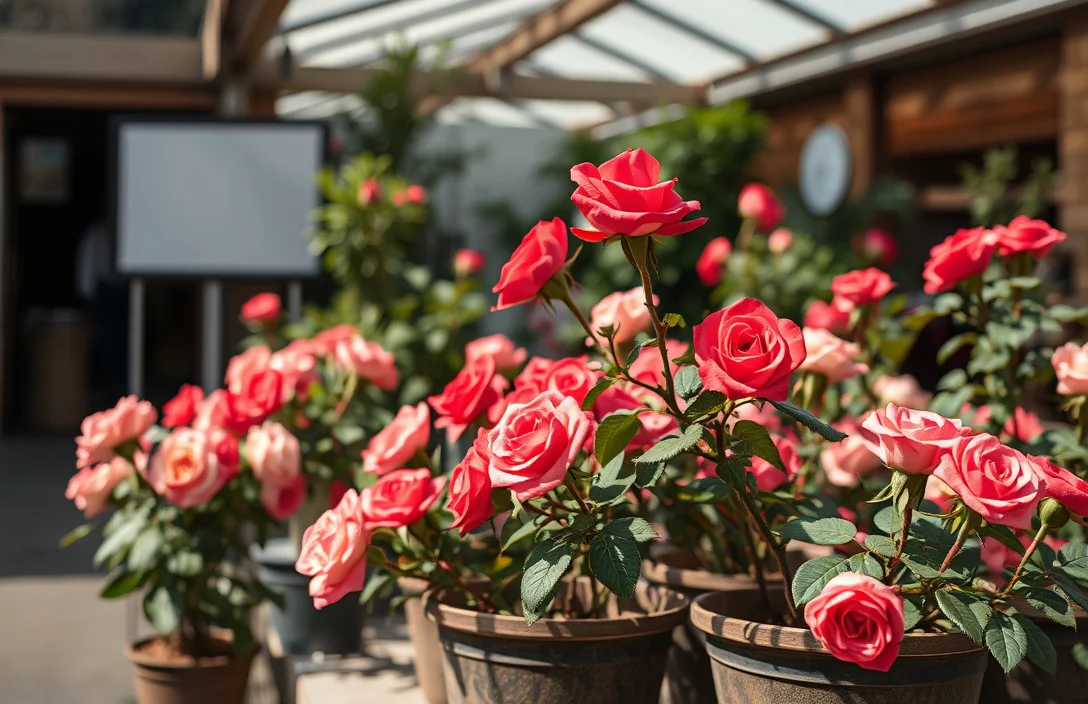
A potted rose thrives when the pot, the soil, and the routine line up. Start with drainage. Soggy roots stunt growth, invite disease, and reduce flowering. Use a container with drainage holes and keep it from sitting in runoff water.
Sun matters just as much. In the U.S., most roses perform best with at least 6 hours of direct sun most days. Less sun usually means fewer blooms and leggier growth, which shows up more in containers where airflow and vigor can be slightly constrained.
Watering and feeding tie everything together. Containers lose nutrients quickly through normal watering, so fertilize more frequently than you would for in-ground roses. Treat a potted rose like it’s in a “limited resource system” – because it is.
Tips for making potted roses thrive
Choose pot size based on the rose’s mature size, not what fits comfortably when you buy it. Too-small containers cause roots to circle and force the plant into constant stress. For many container-friendly roses, a medium-to-large pot is the line between “healthy and flowering” and “always struggling.”
Use potting mix, not garden soil. Garden soil compacts in containers, reduces oxygen around roots, and increases root stress. A good container mix makes watering more predictable, which is exactly what roses need.
Water with intention. Skip the quick splash-it’s-damp routine. Water deeply when the mix is drying down. Many container failures come from wet surfaces that stay damp while deeper soil dries or roots struggle to access consistent moisture. Check the soil a couple inches down and water when it needs it.
Feed on schedule during active growth. If you fertilize only once, you usually get a short bloom period and then a slowdown. Use a rose fertilizer or a balanced fertilizer labeled for flowering plants, and follow the container guidance on the label.
Keep pruning and deadheading consistent. Deadheading encourages more blooms, and light pruning maintains shape and airflow. In containers, airflow matters – crowded growth can raise the odds of fungal problems.
Here’s a simple container-care checklist you can follow:
- Choose drainage-first pots. Use containers with multiple drainage holes and avoid decorative cachepots that hold water.
- Match sun and variety. Aim for consistent sun and choose compact or patio-style roses when possible.
- Water based on soil depth. Check a couple inches down and water thoroughly when it’s drying.
- Feed during bloom cycles. Use a rose fertilizer and stick to label guidance for containers.
- Prune and deadhead regularly. Remove spent blooms and trim lightly to keep airflow.
Helpful pick
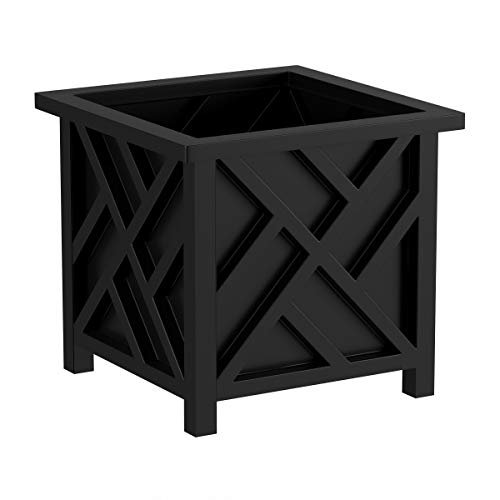
Lattice Design Outdoor Planter Box – 14.75” Square 13” Tall Black Plant Pot – Decorative Plant Pots for Front Porch Decor – Flower Pots Outdoor Planters for Porch Patio or Garden Decor by Pure Garden
A large, decorative planter provides space for root growth and helps containerized roses avoid stress from cramped pots.
Benefits of growing roses in pots
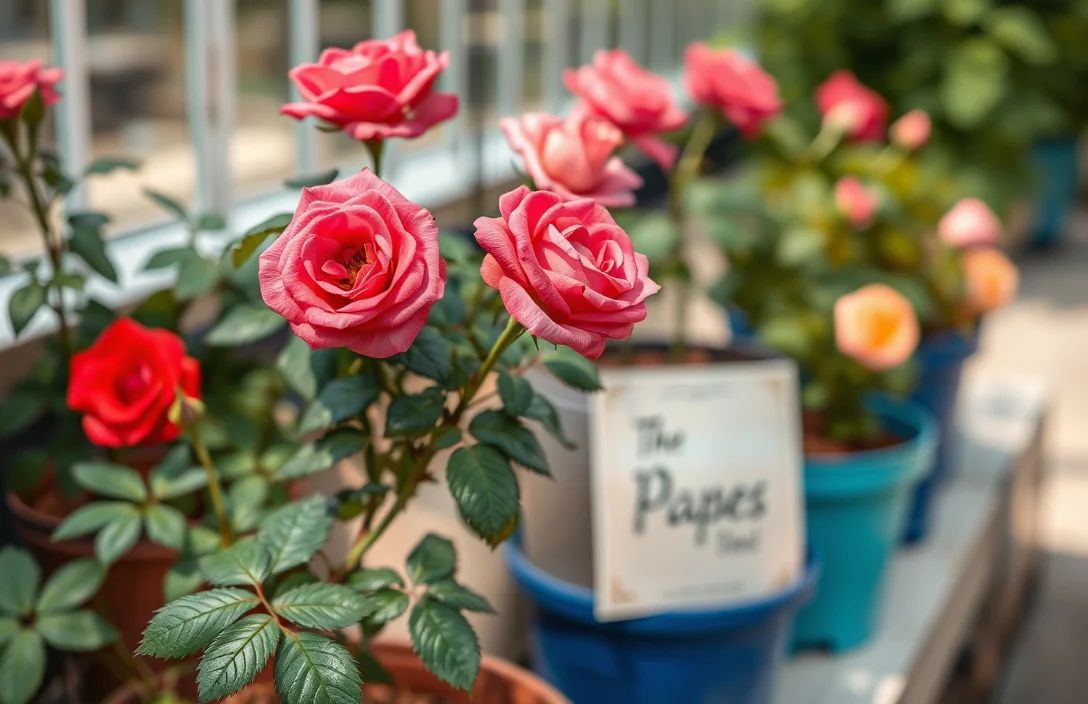
Container roses give you control over the root environment. With a pot, you control soil quality, drainage, and how quickly moisture moves through the root zone. If your yard has heavy clay or rocky ground, containers let you grow roses without fighting native soil.
Pots also move. You can shift containers to follow the sun, protect them during heat waves, or shelter them from harsh wind. That flexibility matters in the U.S. where summer conditions vary by region and microclimates are real.
Problems are also easier to manage. If pests show up, you can isolate the plant or adjust conditions without disturbing a bed. If you want to upgrade the setup, you can repot or refresh the container instead of replanting across the yard.
Containers can be the best option for small spaces too. Patios, balconies, driveways with planters, and tight yards work if you pick a rose size that fits. For many people, that choice is the difference between growing roses and not having the room.

Helpful pick
Usocik 10 Inch Retro Plant Pots 4 Pack with Drainage and Saucers Copper
These pots let you control soil quality, drainage, and moisture for thriving container roses.
Container options that work
Pick options based on your climate and how much maintenance you want to handle. Start with rose type. Patio roses, mini roses, and compact shrub roses are usually the easiest container choices. Climbers can work in pots, but they need training and support and often outgrow typical container sizes.
Then choose the container. Terracotta breathes and can help prevent overly wet roots, but it dries out faster in hot weather. Plastic or glazed containers hold moisture longer, which helps in dry summers or if you’re away often. Fabric grow bags can work too, but they require close attention to watering.
Next, plan your soil strategy. Many gardeners use a high-quality potting mix and repot or refresh it periodically. If you want fewer drought swings, choose mixes that retain moisture more consistently while still draining well.
Winter is a separate decision. In many U.S. regions, container roots cool faster than in-ground roots. Insulate the pot, move it to a protected location, or wrap it. The best approach depends on your typical low temperatures and how exposed your patio is to wind.
A practical way to choose:
- Patio or compact roses for simpler container care and easier size management.
- Bigger pots to reduce watering emergencies.
- Terracotta if you can water consistently, plastic/glazed if you want moisture retention.
- Winter protection as part of your routine in areas with frequent freezes.

Helpful pick
Quarut 3 Pack 10 inch Plant Pots,Whiskey Barrel Planters with Drainage Holes & Saucer, Plastic Decoration Flower Pots Imitation Wine Barrel Design, for Indoor & Outdoor Garden Home Plants (Brown)
These 10-inch pots provide a compact, drain-hole setup ideal for managing moisture and root space in potted roses.
Expert advice for potted roses
Treat container roses like a planned system, not a “plant it and forget it” project. The most common mistake is assuming roses behave like houseplants or like in-ground shrubs. Outside, container roses react quickly to temperature and watering changes, so you have to stay responsive.
Focus on drainage and airflow. Roots need oxygen. Waterlogged potting mix deprives roots of that. If the mix stays wet for days, the pot size, drainage, or soil mix isn’t working.
Use the right fertilizing approach instead of guessing. Container roses benefit from regular feeding during active growth because nutrients leach out as you water. If you’re unsure, choose a fertilizer labeled for roses or flowering plants and follow the container rate on the label.
Watch for stress signals. Wilting during hot afternoons can be normal early on, but drooping that continues after watering is a red flag. Yellowing leaves, weak bloom output, and slow growth usually point to a light, water, or nutrition mismatch.
Don’t rely on “hardy” to cover container winter problems. Pots expose roots to freezing air on all sides, so even hardy roses can suffer. Insulating the pot and protecting it from wind often makes the difference between spring success and a weak comeback.
Examples: roses in pots in real conditions
A patio rose in a large drainage pot on a sunny deck can bloom repeatedly if you water deeply when the mix dries down and fertilize every few weeks during the growing season. Checking soil depth instead of watering on a calendar prevents the “dry top, wet bottom” problem that leads to stalled growth.
A compact shrub rose in terracotta can dry out quickly in U.S. summer heat, even when the plant looks fine in the morning. Switching to thorough afternoon watering or moving up to a slightly larger pot improves moisture stability and supports more consistent blooms. Container material and pot size dictate how often you’ll need to step in.
A rose placed near a building corner can get intense sun plus reflected heat and drying wind. Moving the container a few feet, adding a windbreak, or switching to a container that holds moisture better can stabilize flowering. Pots are movable, and that changes what the plant experiences.
In freeze-prone regions, winter handling matters. A potted rose on a fully exposed porch often struggles more than one that’s insulated at the pot level and sheltered from wind. Wrapping the pot, grouping it near a wall, or moving it to a protected spot helps roots avoid extreme temperature swings.
FAQ
Do roses do well in pots indoors?
Roses are usually happiest outdoors because they need strong, direct light and seasonal cues. Indoors, even bright windows may not provide enough sun to keep roses flowering reliably, and indoor air can dry or stay humid depending on heating. If you try indoor roses, use a very sunny window, ensure airflow, and expect slower growth unless you can provide strong light.
What size pot do I need for potted roses?
Pot size should match the rose’s mature size and your ability to water consistently. Larger pots dry out more slowly and keep nutrients steadier, which helps roses. Going too small often leads to wilting, fewer blooms, and fast nutrient depletion.
How often should I water roses in containers?
Water frequency depends on heat, wind, pot material, and potting mix, so check the soil instead of following a fixed schedule. Water deeply when the mix is drying down a couple inches, then let excess drain fully. If the pot stays wet for days, cut back watering and confirm the drainage.
Are potted roses more prone to disease?
Potted roses can be more sensitive to cultural conditions because the root zone is smaller and dries or stays wet more quickly. Poor drainage or dense growth increases fungal risk, especially when airflow is limited. Good drainage, pruning for airflow, and avoiding wet foliage during watering all help reduce problems.
What’s the most common mistake with container roses?
Using garden soil or a poorly draining pot is the most common failure point. Garden soil compacts in containers, oxygen drops around roots, and the plant struggles even if you think you’re watering enough. Use a proper potting mix and make sure the pot drains freely, then adjust watering based on soil depth.
A rose can absolutely thrive in a pot when it gets reliable sun, excellent drainage, a container size that limits root stress, and a consistent watering-and-feeding routine. Pick a compact or patio rose, use quality potting mix, and check soil depth before watering.

- 10 Best Slow Cooker With Cool Touch Handles 2026 (Tested And Reviewed) - October 22, 2026
- 10 Best Slow Cooker With Quality Construction 2026 (Tested And Reviewed) - October 22, 2026
- 10 Best Slow Cooker With Premium Construction 2026 (Tested And Reviewed) - October 22, 2026