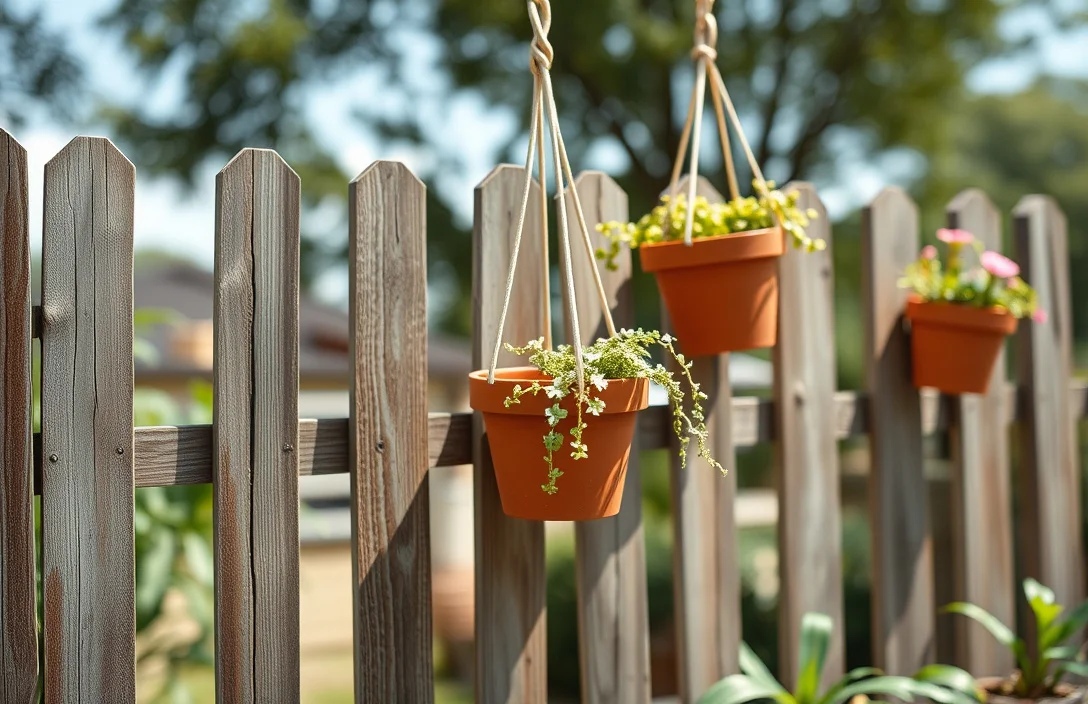
Hang Planter Pots On Fence: 3 Tips Worth Trying
Hang planter pots on fence rails the right way and you get more growing space without building anything. Hang them wrong and you get sagging pots, cracked plastic, and fast rust where hardware bites into the metal. This guide covers practical ways to mount planter pots on a fence in the United States, how to pick solid mounting points, and how to handle wind, weight, and drainage.
Hanging planter pots on a fence is safe when you mount into solid structure (rail or posts), use hardware rated for outdoor loads, and keep pots from sitting in pooled water. Plan for at least 10-20 lb per pot once soil is wet, then choose hangers, brackets, or brackets that clamp securely. Avoid attaching only to thin pickets.
Key Takeaways
- Mount to structure. Fasten to the fence rail or posts, not decorative pickets or thin mesh panels.
- Account for wet weight. Wet soil often puts 10-20 lb per medium pot on hardware, so use outdoor-rated mounts.
- Plan drainage. Use trays with overflow, or drill clean drain holes so roots do not sit in water.
- Stabilize wind loads. Use two hang points per pot when possible to spread pressure.
- Protect fence finishes. Add plastic shims or rubber strips to reduce metal-on-metal wear.
- Match hardware to pot type. Hanging baskets use different hooks and chains than flat-bottom planters.
What to Know About Hang Planter Pots on a Fence
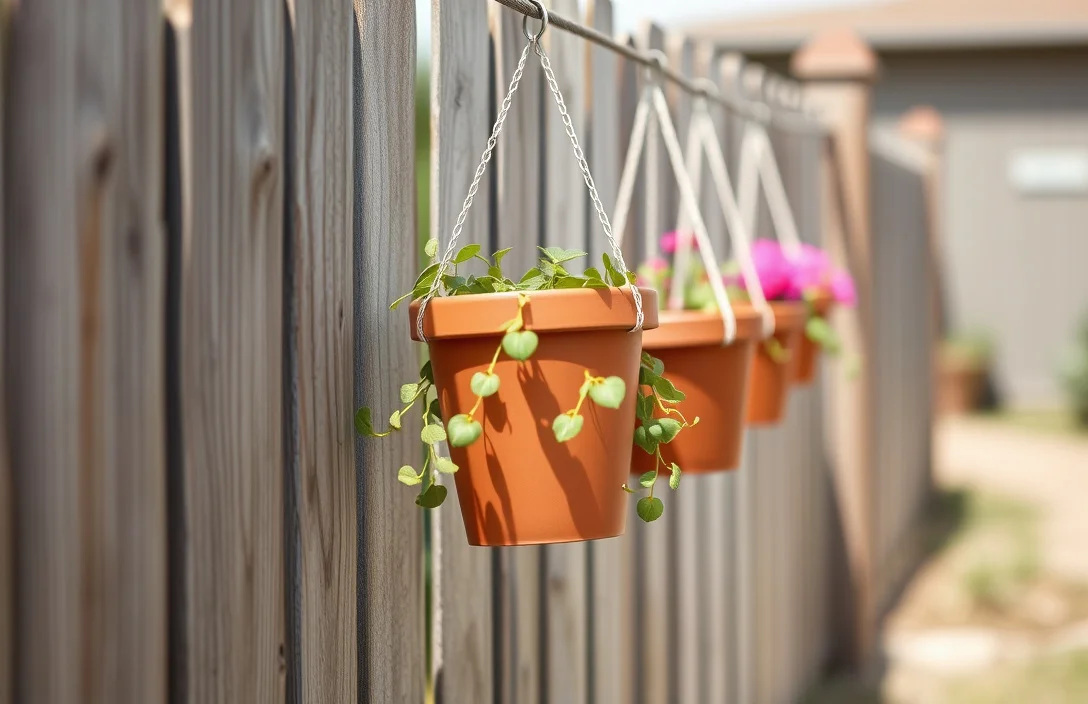
Fence-mounted planters are mainly a hardware and weight problem, not a “design” problem. Many fences are strong in one direction and weak in the direction your mounts pull. Rails usually hold more reliably than individual pickets, so start by finding what part of the fence is actually load-bearing.
Fence material changes how mounts behave. Wood fences, vinyl fences, chain-link fences, and metal fences each respond differently to screws, clamps, and abrasion. Clamping a mount onto a thin vinyl rail can deform it, while drilling into wood is straightforward as long as you avoid rot-prone areas.
Pot weight changes fast. A dry pot of potting mix can feel light, then becomes much heavier after watering. A fence that seems stable when empty may sag once you load it.
Drainage and water damage are part of the job. If your planter drains onto the fence, expect staining, faster rust on metal, and algae on nearby surfaces. Decide where runoff goes before you install.
Things that matter most
Choose mounting points with a load path – force should travel from the mount into a rail or post. If the hardware attaches only to a picket, the picket can flex or loosen over time, especially with watering, temperature swings, and wind gusts. In practice, that means you want the mount bearing against something straight and rigid.
Use outdoor-rated hardware even if it feels “overkill.” Stainless or coated fasteners help prevent rust streaks, and proper outdoor brackets hold tight through expansion and contraction. If you use chains or straps, confirm they are rated for outdoor use and UV exposure, not just for indoor decor.
Match pot-to-hardware fit. Many planter systems include specific bracket spacing and hook sizes, and mixing brands can leave the pot sitting poorly. If the pot wobbles at install, it will wobble forever. Dry-fit the setup first, then check that the pot sits centered and stable.
Decide on direct drain versus controlled runoff. Drain holes still need a plan: a drip tray, a saucer you empty, or a liner that directs water to the ground. Hanging a planter directly above a walkway without a drip plan creates slippery spots and staining.
Measure clearances before drilling or clamping. Fences aren’t always perfectly level, and plants grow wider than you expect. Give yourself a few inches between pots so leaves don’t rub the fence and you can still reach for watering and pruning.
Tips for Hanging Planter Pots on a Fence
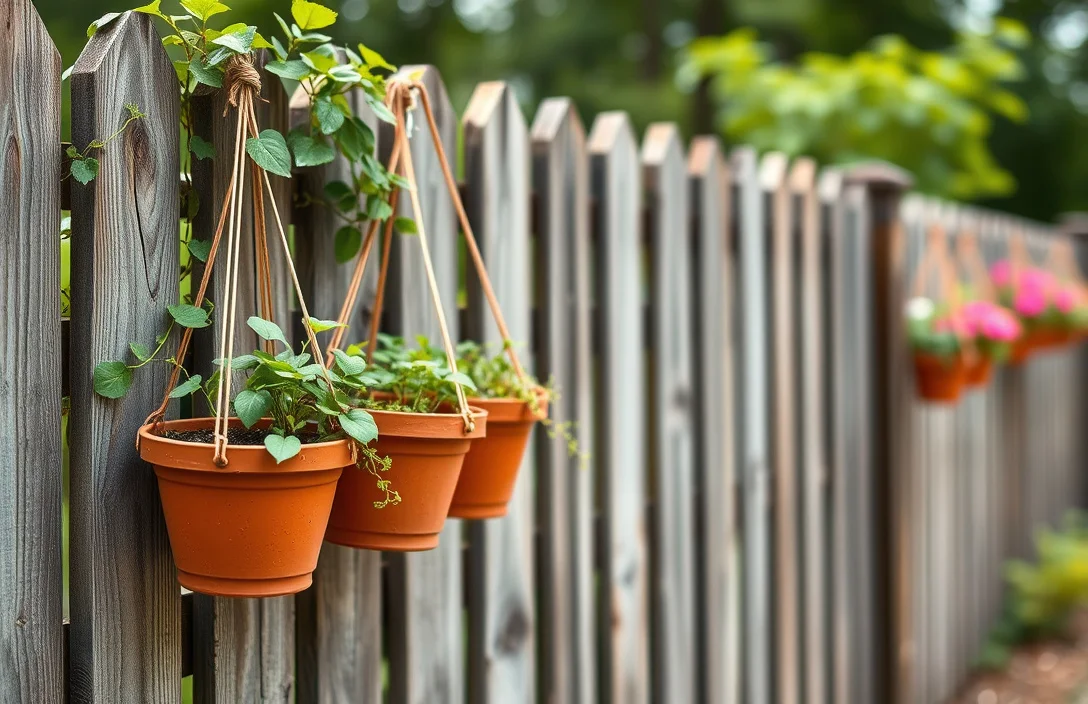
Do a strength check you can feel. Push and wiggle the rail where you plan to mount. If it moves noticeably, shift the mounting location – usually a post – or switch mounting strategy to something that can handle the load.
For wet-weight safety, install one pot first and load gradually. Use a lightweight placeholder (like a plastic bucket) at the same approximate weight if you’re unsure, then switch to soil. After watering, check hardware for loosening after 24 hours and again after a week.
Use two-point support when possible. One hook, one bracket, or one chain can twist under wind or when you grab the pot to water. Two hang points keep the pot level and reduce stress on a single connection.
Protect the fence from abrasion. Put a thin rubber strip or plastic shim between clamp mounts and the fence surface. It reduces squeaking, limits finish wear, and prevents vibration from slowly backing fasteners out.
Level the layout before you tighten everything. A small spirit level or a phone level app saves you from crooked installs. Even a slight rail slope makes pots look messy fast, and uneven alignment can send runoff to the wrong edge.
Choose plant and pot shape based on wind. Large, top-heavy plants catch gusts and add leverage on hooks and brackets. If your area gets strong wind, go with smaller pots, tighter plant spacing, and sturdy basket frames built for outdoor conditions.
Benefits of Hanging Planter Pots on a Fence
Fence planters create usable vertical space, which helps most when your yard is small or your ground beds are limited. They also line up well with existing sunlight – herbs, flowers, and smaller vegetables can share a fence line.
They also make the fence look intentional. A consistent grid of hanging planters turns a plain fence into a living feature, especially when you keep pot shapes and colors consistent. Keep hardware spacing uniform so the pattern reads cleanly.
Hanging can reduce some pest pressure compared with ground gardening because plants sit higher off the soil. It can also make problems easier to spot earlier. Still, hanging plants collect debris and stay damp too, so you need regular leaf checks.
Maintenance often gets easier at a reachable height. You can water, deadhead, and prune without bending as much. If you use quick-release hooks (where appropriate), you can move pots during storms.
With the right pots and drainage plan, hanging planters can improve drainage control. Instead of uneven ground or compacted soil, you can use quality potting mix and keep each planter’s watering more consistent.
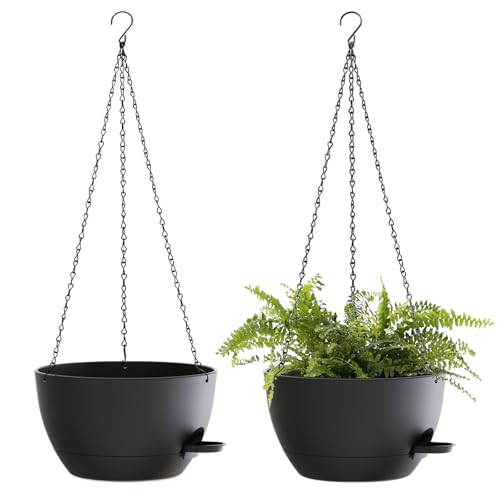
Helpful pick
SQKH 12 Inch Hanging Baskets 2 PC with Chains, Self-Watering Hanging Planters for Indoor Outdoor Plants, Plastic Hanging Flower Pots,Black
Maximizes vertical space on a fence, perfect for herbs, flowers, and small vegetables in tight yards.
Options for Hanging Planter Pots on a Fence
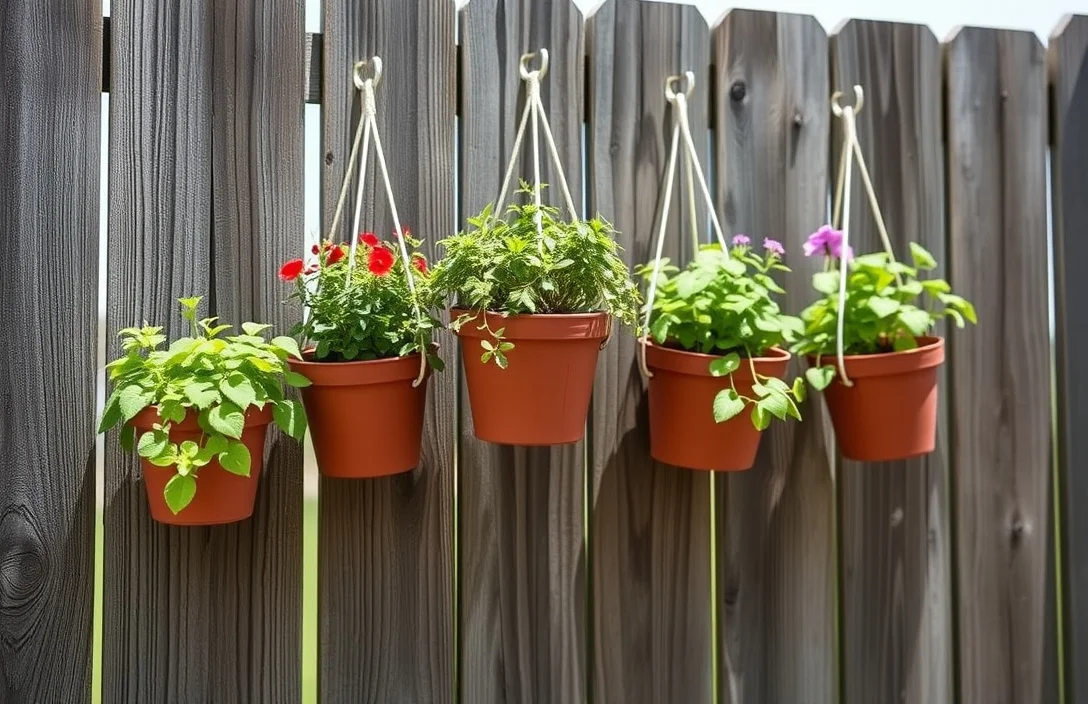
You’ve got a few main mounting categories, and the right one depends on fence type and the pot style you’re hanging.
1) Brackets that screw into the rail or posts
These are usually the most stable. A bracket fastens to solid wood or metal, then supports a pot lip or hanger bar. Choose brackets designed for outdoor loads and use corrosion-resistant screws.
2) C-clamps or rail clamps
These help when drilling is inconvenient, but only work if the rail is thick enough to clamp securely. Don’t clamp onto fragile vinyl or thin decorative trim unless the manufacturer explicitly says it’s supported.
3) Hooks and hanging chains with pot hangers
Chains and hooks adjust height and position. Use them with purpose-built pot hangers (often wire frames) so the pot is supported around its body, not only by its rim.
4) Hanging baskets with integrated frames
Integrated basket systems install quickly because the basket provides the structure. They still need solid attachment points, often one or two hanging connections at the top.
5) Over-the-rail planter systems
Some planters hook over a rail and rely on rail thickness and shape. They’re fast, but they only work when the rail is uniform and structurally sound.
| Mounting approach | Key hardware requirement | Best for | Main drawback |
|---|---|---|---|
| Screw-in brackets | Outdoor screws into rail/posts | Permanent setups, heavy planters | Requires drilling and planning drainage |
| Rail clamps | Clamp mounts rated for outdoor use | Temporary or low-drill installs | Can slip if rail is smooth or thin |
| Hook + chain system | Two-point hooks/chains + pot hanger frame | Adjustable height, baskets | Harder to keep perfectly level |
| Integrated hanging baskets | Basket frame + single/double hanging points | Fast install, lightweight crops | Basket frames can limit pot size |
| Over-the-rail planters | Rail-specific fit | Quick rail-based installs | Only works on rails of the right thickness |
Pick based on stability first, looks second. If your fence is a little wobbly, prioritize screw-in mounts into the rail or posts, or use two-point hanging.

Helpful pick
Bvrbaory 8 Pack Hanging Planter Pots,Self-Watering Flower Pot with Water Tray & Metal Chain,White Plastic Hanging Plant Pots for Indoor Outdoor Garden Decor,8 Inch
Includes metal chain for secure fencing hangs, supporting bracket-style mounting on rails or posts.
Expert Advice for Hanging Planter Pots on a Fence
Mounting is easier when you follow a few rules of thumb.
Never assume “it’s a fence, so it’s strong.” Many fences handle sideways loads but don’t handle hanging loads well. If you can wiggle the mounting spot by hand, treat it as unreliable until you move to a sturdier rail or a post, or you add more support.
Plan for corrosion and expansion. Outdoor hardware expands and contracts with temperature, and rain cycles can loosen screws. Recheck fasteners after heavy rain seasons and inspect for rust around drilled holes.
Separate drainage from structure. Constant runoff onto the same fence area degrades finishes and loosens hardware. Use a drip strategy – even a drip tray you empty – and position hangers so runoff falls near the planter, not onto the mount.
Match support to the pot’s center of mass. Dense soil and tall plants create a lever arm. If the plant is top-heavy, two-point mounting reduces twisting forces on one hook.
Think about access. You need to reach pots to water and prune. Too high or too close to a corner usually means maintenance gets skipped, and plants suffer.
Avoid overloading “decorative” hardware. If a kit is marketed for “lightweight decor,” assume it’s not built for wet soil. Use hardware meant for outdoor plants and load-bearing support.

Helpful pick
UOUZ 13 Inch 2 Pack Large Self Watering Hanging Planters for Indoor Outdoor Plants, Hanging Plant Pots with Removable 50 Oz Reservoir, Plastic Hanging Basket for Window Porch Garden Balcony, Black
These self-watering hanging planters reduce maintenance while helping manage fence mounting loads efficiently.
Examples of Hanging Planter Pots on a Fence
For a typical wood privacy fence, screw-in brackets into the top rail are usually the cleanest choice. Mount two brackets spaced evenly, set the pot into a hanger, and use a drip tray or saucer to manage runoff. That setup stays level better and wobbles less when you water.
For a chain-link fence, clamps often feel awkward because there’s no solid rail to clamp evenly. A better approach is using hangers that wrap around the chain-link framework (or using nearby posts) while keeping the pot suspended so it doesn’t rub the metal. Pair that with a drip tray and choose lighter pots so the chains don’t stretch over time.
For vinyl fences, drilling can be risky if you hit the wrong structural area. Many people use rail clamps designed for vinyl, or mount near a vinyl-supported post if available, with spacers that prevent damage. Keep pot weights moderate and avoid harsh tightening that can deform vinyl.
On small balcony-style fences or narrow gates, adjustability matters. A hook-and-chain setup lets you set the pot height for sunlight and reach. You can also move pots down temporarily during peak storms, as long as you use two chains or a balanced hanging frame so the pot stays stable when wind hits.
For herbs, a multi-pot vertical line works well when you keep pot sizes uniform. Install mounts at consistent spacing along the rail, then use trays you can slide or empty. Uniform pots make watering more predictable, so you’re less likely to forget one container and end up with uneven growth.
FAQ
Can I hang planter pots on a fence without drilling?
Yes, but you need the right mount type. Use outdoor rail clamps or hooks that grip a solid structural part of the fence, like a top rail or a post. If the mount relies on thin pickets or decorative trim, it can loosen over time. You still need drainage control, since non-drilling setups must stay stable and manage runoff.
How much weight should I plan for with hanging planters?
Plan for wet soil weight, not dry weight. A medium pot with potting mix can reach about 10-20 lb after watering, depending on size and soil type. Use hardware rated for outdoor load support and mount into rail or posts. If you want a simple safety approach, install one pot first and recheck for movement after watering.
Will hanging planters damage the fence?
They can, mainly through water runoff and hardware abrasion. Clamp mounts can wear finishes, and constant dripping can stain wood or speed rust on metal. Use rubber shims between clamps and the fence, choose corrosion-resistant hardware, and use drip trays or another drainage strategy. If you drill into wood, keep fasteners away from areas that show rot or cracks.
What’s the best way to prevent uneven hanging or sagging?
Use two-point support when possible and level the setup before tightening. Sag usually comes from uneven attachment points, a single hook twisting, or a clamp that isn’t gripping firmly. Load-test with water before full planting, then recheck alignment after 24 hours. If a pot can rotate, use a hanger frame that supports the pot body, not just the rim.
What is a common mistake people make when hanging planters on fences?
Mounting to the wrong part of the fence. Many installs attach to thin pickets or decorative panels, which flex and loosen once pots are heavy and plants get top-heavy. Mount to a sturdy rail or post and use outdoor-rated hardware. If the fence spot moves when you push it, change the mount location before planting.

- 10 Best Slow Cooker For Large Kitchens 2026 (Tested And Reviewed) - October 19, 2026
- 10 Best Slow Cooker For Small Kitchens 2026 (Tested And Reviewed) - October 18, 2026
- 10 Best Slow Cooker For Kitchen Countertop 2026 (Tested And Reviewed) - October 18, 2026